Delhi - Bharatpur - Dholpur - Ranthambore - Jaipur - Tal Chhapar - Bikaner
More than 500 bird species have been recorded in Rajasthan, from wintering cranes and pelicans on the wetlands of the east to sandgrouse, harriers and eagles on the dry grasslands of the north-west. The Rajasthan Bird Watching and Wildlife Tour follows that variety over 11 nights and 12 days. You begin at Keoladeo National Park in Bharatpur, a UNESCO World Heritage Site and one of Asia's great bird reserves, take a boat on the Chambal River near Dholpur for gharials and Indian skimmers, search for tigers in Ranthambore, then head north-west to the blackbuck grasslands of Tal Chhapar and the vulture grounds of Jorbeer near Bikaner.
The best season is from late October to early March, when migrants from Central Asia, Siberia and Europe are present. Specialist birding naturalists join you at each reserve, and a private air-conditioned car with an English-speaking driver handles all transfers. In Jaipur, you spend a morning with rescued elephants on a day visit with elephants at Elefantastic, followed by birding on Man Sagar Lake. For tigers and leopards rather than birds, see the Rajasthan Tiger and Leopard Safari Tour or the Luxury Rajasthan with Wildlife & Wilderness tour.
Package Highlights
• Two days of birding in Keoladeo National Park by cycle rickshaw and on foot
• Painted storks, sarus cranes, pelicans and wintering ducks at Bharatpur
• Chambal River boat safari for gharials, Indian skimmers and river dolphins
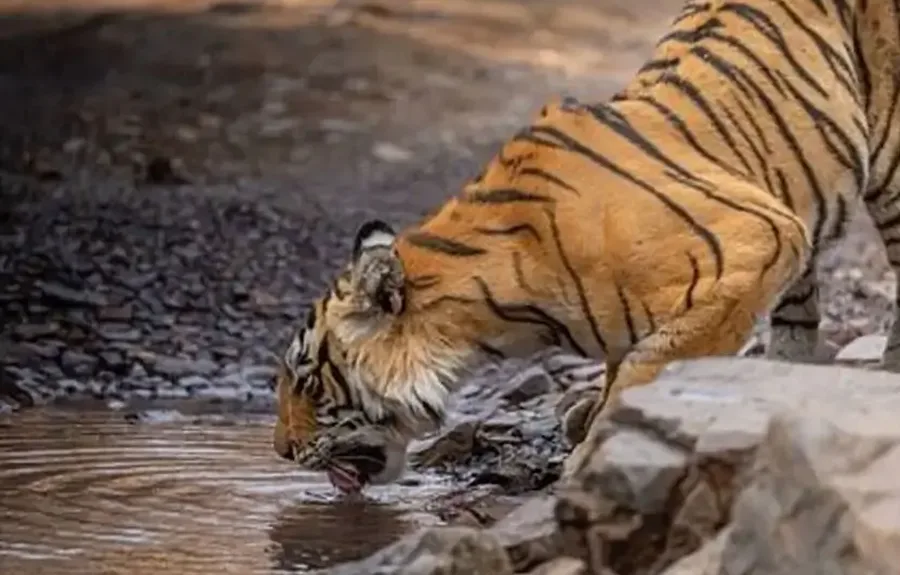
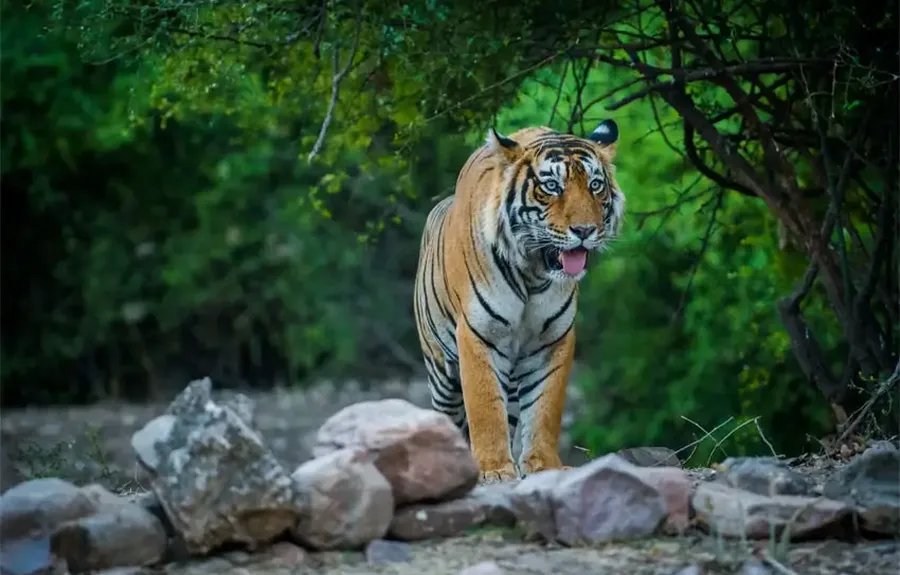
• Three safaris in Ranthambore National Park for tigers and forest birds
• Morning with rescued elephants at Elefantastic and birding at Man Sagar Lake
• Blackbuck herds and wintering harriers at Tal Chhapar
• Vultures and eagles at the Jorbeer Conservation Reserve
• Sandgrouse and desert birds around Gajner and Bikaner
Our representative meets you outside the arrivals hall at Indira Gandhi International Airport with a name board, and your driver takes you to your hotel in about 45 minutes to an hour. The same driver accompanies you across Rajasthan, linking each reserve and city. Your flight is tracked in real time, so a delay will not affect the pickup. The car carries bottled water, and your driver can stop for currency exchange or a local SIM card. Keen birders will already spot black kites, house crows and common mynas on the drive in.
Check in at your hotel and rest. If you land early and have energy in the afternoon, a short visit to the Okhla Bird Sanctuary on the Yamuna River, or the green lawns of Lodhi Garden, can produce a good list of urban birds, such as rose-ringed and Alexandrine parakeets, Indian grey hornbills, coppersmith barbets and spotted owlets in the old tombs. It is a gentle warm-up for the days ahead. Otherwise, a quiet afternoon at the hotel is the best way to recover from the flight before the early starts begin.
In the evening, our coordinator meets you with your vouchers, park permits and a 24-hour helpline number. Pack binoculars, a field guide such as the Birds of the Indian Subcontinent, neutral-coloured clothes, a hat and a warm jacket, as winter mornings in Rajasthan can be close to freezing. A camera with a long lens of 400 mm or more is ideal for bird photography. Our naturalists use eBird and can share checklists with you at the end of each day if you would like to keep a record. Overnight stay at your hotel in Delhi.
After an early breakfast, drive about 185 km south to Bharatpur, a trip of around four hours on the Yamuna Expressway and the Agra road. Check in at your lodge, many of which sit right beside the park gate and have gardens full of birds. Keoladeo National Park, once the duck-shooting reserve of the maharajas of Bharatpur, covers about 29 square kilometres of wetlands, grasslands and woodland. It was declared a UNESCO World Heritage Site in 1985 and has recorded more than 370 species of birds, many of them winter visitors.
In the afternoon, enter the park with your birding naturalist. Private vehicles are not allowed inside, so you travel by cycle rickshaw, driven by licensed rickshaw pullers who are often skilled bird spotters themselves, or on foot along the raised embankments. In winter, the wetlands are home to painted storks, Asian openbills, black-necked storks, sarus cranes, the tallest flying birds in the world, and thousands of ducks and geese, including bar-headed geese and northern pintails. The variety of birds within a small area is remarkable.
As the sun sets, the wetlands glow golden and flocks of birds fly in to roost, creating a lovely scene. Your naturalist will help you identify the calls and silhouettes of the birds as the light fades. Look out for spotted owlets and dusky eagle-owls in the trees near the entrance at dusk. Return to your lodge for dinner and to go over the day's sightings with your naturalist, who will choose tomorrow's route based on the latest reports from the park staff. Overnight stay at your lodge in Bharatpur.
Enter the park at dawn, when the birds are most active and the light is soft. Spend the morning moving slowly through the wetlands and woodlands by cycle rickshaw and on foot with your naturalist, looking for raptors such as the greater spotted eagle, Indian spotted eagle, imperial eagle and osprey, as well as Dalmatian and great white pelicans, darters, cormorants, herons and egrets. The heronries in the acacia trees are a highlight from August to October, when thousands of birds nest together. Take a packed breakfast into the park.
Return to the lodge for lunch and a midday rest, a good time to review photographs and update your bird list. In the afternoon, head back into the park to search for woodland and grassland species, such as the dusky eagle-owl, Indian courser, sirkeer malkoha, orange-headed thrush and various warblers, buntings and pipits. The park is also home to sambar, nilgai, jackals, fishing cats and pythons, which are often seen sunning themselves near their burrows on cool winter days. Carry water and a light snack, as there are only a few small stalls inside the park.
Note that the Siberian cranes that once made Keoladeo famous have not returned since the early 2000s, but the park remains one of the richest bird reserves in Asia. Your naturalist will explain the history of the park, from royal duck shoots to its protection today, and the challenges of keeping the wetlands supplied with water. In the evening, return to the lodge for dinner. Many lodges have bird checklists and photographs of rare sightings on their walls. Overnight stay at your lodge in Bharatpur.
After an early morning walk in the gardens of your lodge or a short visit to the park, drive about 115 km south to Dholpur, a trip of around two and a half hours. Dholpur lies on the banks of the Chambal River, one of the cleanest rivers in India, which flows through the National Chambal Sanctuary, a protected area shared by Rajasthan, Uttar Pradesh and Madhya Pradesh. The river's sandy banks, ravines and clear water make it an excellent habitat for rare reptiles and birds. Check in at your hotel and have lunch.
In the afternoon, take a boat safari on the Chambal with a naturalist. The river is home to the critically endangered gharial, a long-snouted crocodile found only in India and Nepal, as well as mugger crocodiles, freshwater turtles and the Gangetic river dolphin, which may surface for air near the boat. The banks are a breeding ground for the Indian skimmer, a rare bird that feeds by skimming the water with its lower bill, and you may also see bar-headed geese, ruddy shelducks, black-bellied terns and great thick-knees.
As the boat drifts along the calm water, the ravines and sandbanks glow in the late afternoon light, and flocks of birds fly overhead. The Chambal is quiet and wild, with few other visitors, and it offers some of the best reptile viewing in India. Return to your hotel in Dholpur for dinner. Dholpur is also known for its red sandstone, used in many famous buildings, including parts of the Red Fort and Rashtrapati Bhavan in Delhi. Overnight stay at your hotel in Dholpur.
After breakfast, drive about 200 km west to Ranthambore, a trip of around four hours through the countryside of eastern Rajasthan. Check in at your jungle resort, many of which have gardens full of birds such as Indian robins, purple sunbirds and white-browed fantails. After lunch, set off on your first safari in Ranthambore National Park, in an open gypsy or canter with a naturalist. The park covers about 1,300 square kilometres of dry forest, lakes and cliffs, and it is one of the best places in India to see wild Bengal tigers.
Ranthambore is also excellent for birds, with more than 300 species recorded. Around the lakes of Padam Talao, Rajbagh and Malik Talao, look for painted storks, woolly-necked storks, Indian stone-curlews and crested serpent eagles. In the forest, you may see the Indian paradise flycatcher, Indian pitta in summer, brown fish owl and changeable hawk-eagle. The lakes also attract sambar deer, which wade in to feed on water plants, and marsh crocodiles basking on the banks. A pair of binoculars shared between two people is rarely enough here, so bring one each if you can.
Return to the resort at sunset for dinner and a bonfire. Your naturalist will go over the day's sightings and choose the zones for tomorrow's safaris. Note that the core zones of the park close from about July to September during the monsoon. In winter, mornings and evenings in an open vehicle are very cold, so pack warm layers, gloves and a hat. The resort provides blankets and a hot-water bottle for the safaris on request. Overnight stay at your resort in Ranthambore.
Wake early for a morning safari in a new zone of the park, when the forest is cool and both tigers and birds are active. Your naturalist will listen for the alarm calls of sambar, spotted deer and langur monkeys, which often signal a tiger nearby. Ranthambore's tigers are famous for being seen in daylight, sometimes walking along the forest roads or resting near the old ruins. You may also see leopards, sloth bears, striped hyenas and jungle cats. Return to the resort for a late breakfast.
During the midday break, take a short bird walk around the resort and the nearby fields with your naturalist, looking for species such as the Indian grey hornbill, coppersmith barbet, Indian roller, green bee-eater and black drongo. Many resorts have water features that attract birds in the heat of the day. You may also visit the Dastkar Ranthambore craft centre, where local women make embroidered quilts and bags, giving them an income that reduces pressure on the forest. Lunch is at the resort.
In the afternoon, set out on your third safari, choosing a zone based on recent sightings. The late afternoon light is golden, and animals often gather at the lakes. By now, your bird list will be growing quickly, and your naturalist will help you look for any species you have not yet seen. Return to the resort at sunset for dinner and pack for tomorrow's drive to Jaipur. Ranthambore offers a rare combination of big cats and rich birdlife in one beautiful landscape. Overnight stay at your resort in Ranthambore.
After a final early morning walk or optional safari, have breakfast and drive about 180 km to Jaipur, around three and a half hours. The road passes through villages and farmland, where you may see Indian rollers, black-winged kites and sarus cranes in the fields. Check in at your hotel in Jaipur, the capital of Rajasthan, founded in 1727 by Maharaja Sawai Jai Singh II and known as the Pink City. After lunch, rest at your hotel, or visit the City Palace and Jantar Mantar with your guide.
The City Palace is still home to the former royal family, and its museums display costumes, weapons and paintings, including miniatures that show the birds and animals of Rajasthan. Across the road, Jantar Mantar, a UNESCO World Heritage Site, holds giant stone instruments built in the 18th century to track the stars. Then photograph the Hawa Mahal, the Palace of Winds, from a café across the road. The old city's rooftops are also good places to see black kites, pigeons and rose-ringed parakeets in large numbers.
In the late afternoon, drive up to Nahargarh Fort on the ridge above the city, where the scrub forest is home to birds such as the Indian eagle-owl, painted spurfowl, yellow-crowned woodpecker and white-bellied minivet. Your naturalist can help you search the slopes as the sun sets over the city. The views from the fort's terraces are the best in Jaipur. Return to your hotel for dinner. Your driver will confirm the time for the elephant visit tomorrow morning. Overnight stay at your hotel in Jaipur.
This morning, the Elefantastic team collects you from your hotel for a hands-on session at their sanctuary on the outskirts of Jaipur. Each guest is paired with one elephant and introduced to its keeper, who shares the elephant's story, diet and behaviour. You help prepare fruit and sugarcane and feed your elephant by hand, then walk with it through the grounds and help with bath time. There are no rides, no chains and no shows. The quiet, rural setting also attracts birds, so keep your binoculars handy for Indian peafowl and grey francolins.
Wear clothes that can get wet and keep a change in the car. Please book only through official Elefantastic channels, as the sanctuary is not located in Hathi Gaon (Elephant Village). Guests who want more time with the herd can ask about the night stay with elephants. After the session, the team returns you to your hotel for lunch and a rest. Then visit Amber Fort, the hilltop palace of the Kachwaha rulers, by jeep, for its mirrored halls and views over Maota Lake, where waterbirds gather in winter.
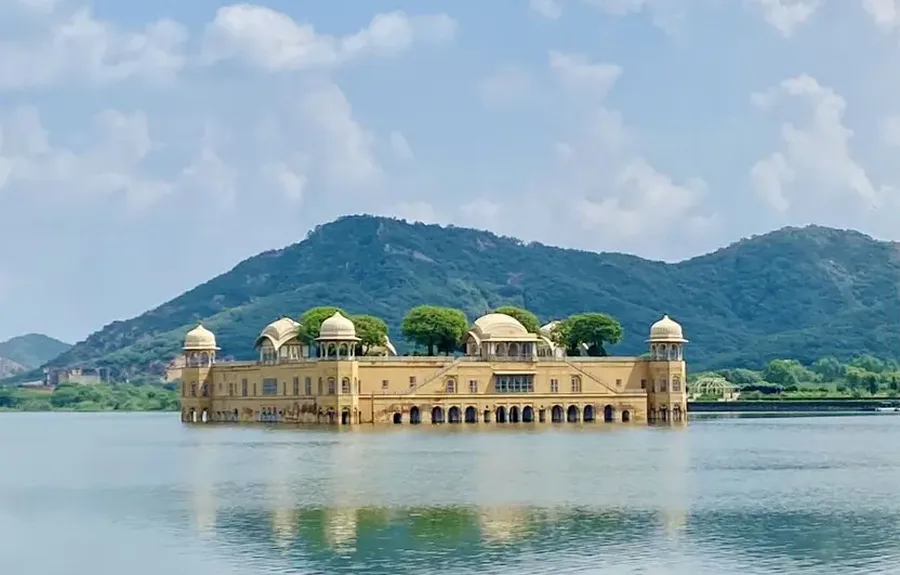
In the late afternoon, take a walk along the promenade of Man Sagar Lake, home to the Jal Mahal water palace, which is one of the best birding spots in Jaipur in winter. Look for great crested grebes, northern shovelers, common teal, black-headed gulls, brown-headed gulls and great cormorants, as well as the occasional osprey or western marsh harrier. The lake is calm at sunset, and the palace makes a lovely backdrop for bird photographs. Return to your hotel for dinner. Overnight stay at your hotel in Jaipur.
After breakfast, drive about 210 km north-west to Tal Chhapar Wildlife Sanctuary, a trip of around four hours through the Shekhawati region and into the edge of the Thar Desert. Tal Chhapar is a small sanctuary of about 7 square kilometres of open grassland, dotted with acacia trees, and it is famous for its large herds of blackbuck, the elegant Indian antelope with spiralling horns. It is also one of the best places in India to see wintering raptors, especially harriers. Check in at your lodge near the sanctuary and have lunch.
In the afternoon, take a jeep safari through the grasslands with your naturalist. Hundreds of blackbuck graze across the open plains, and the males often spar with their long horns. In winter, the grasslands attract large numbers of harriers, including Montagu's, pallid and western marsh harriers, which roost together in the grass at dusk. You may also see tawny eagles, steppe eagles, imperial eagles, long-legged buzzards, laggar falcons and short-eared owls, as well as desert foxes and desert cats, which are most active in the last hour of light.
As the sun sets, watch the harriers gliding low over the grass as they come in to roost, a remarkable sight in the right season. The sanctuary is also home to the spotted creeper, Indian courser, cream-coloured courser, greater short-toed lark and Isabelline wheatear. Return to your lodge for dinner and to update your checklist with your naturalist. Tal Chhapar is quiet and remote, and the night sky over the grasslands is clear and full of stars. Overnight stay at your lodge in Tal Chhapar.
Enjoy an early morning jeep safari at Tal Chhapar, when the blackbuck are active and the raptors leave their roosts. The soft morning light on the grasslands is perfect for photography. After breakfast, drive about 130 km north-west to Bikaner, around two and a half hours through the desert landscape, with sand dunes, khejri trees and villages of mud and stone. Look out for demoiselle cranes in the fields in winter, as large flocks feed in this area. Check in at your hotel in Bikaner and have lunch.
In the afternoon, visit the Jorbeer Conservation Reserve, about 12 km from Bikaner, a dumping ground for animal carcasses that has become one of the best places in India to see vultures. In winter, hundreds of vultures gather here, including the Eurasian griffon, cinereous vulture, Himalayan vulture, Egyptian vulture and the critically endangered long-billed vulture, as well as steppe eagles, tawny eagles and black kites. The scene is raw but remarkable, and the area is also good for desert birds and foxes.
Your naturalist will explain the crisis that hit India's vultures in the 1990s and 2000s, when their numbers fell by more than 95 percent due to a veterinary drug, diclofenac, in livestock carcasses, and the efforts now underway to protect them. In the evening, return to Bikaner and visit the old city, famous for its bhujia and sweets. Enjoy dinner at your hotel, which may be part of a former royal palace. Tomorrow is your last full day of birding. Overnight stay at your hotel in Bikaner.
Wake early and drive about 30 km to Gajner, a former royal hunting reserve around a lake, now a wildlife sanctuary. In winter, flocks of imperial sandgrouse and chestnut-bellied sandgrouse fly in to drink at the lake in the early morning, a famous sight once enjoyed by royal hunting parties. The lake also attracts ducks, herons and waders, and the surrounding scrub is home to chinkara, blackbuck and nilgai. Have breakfast at the Gajner Palace, a heritage hotel on the lakeshore, where the terrace gives a good view over the water.
Return to Bikaner and visit Junagarh Fort, built in the late 16th century and never captured by an enemy. Its palaces are decorated with gold leaf, lacquer and paintings, including the Badal Mahal, painted with blue clouds and rain, and the museum displays weapons, palanquins and a First World War biplane. After lunch and a rest, visit the National Research Centre on Camel, where hundreds of camels return from grazing at sunset. The café sells camel milk ice cream and kulfi, and the open pens are good for photographs of calves.
In the late afternoon, take a final birding walk in the desert scrub around Bikaner with your naturalist, looking for species such as the desert wheatear, variable wheatear, southern grey shrike, Indian bushlark and Sykes's lark. As the sun sets over the desert, review your bird list with your naturalist, which may include more than 200 species by the end of the tour. Enjoy a farewell dinner at your hotel. Tomorrow, you fly back to Delhi for your onward connection. Overnight stay at your hotel in Bikaner.
After breakfast, transfer to Bikaner airport for your flight to Delhi, or travel by the overnight train or road if flights are not suitable, and connect with your international departure. For more Rajasthan wildlife, see our Rajasthan Wildlife and Heritage Tour.
Our assorted tours, for your first, second or nth time to India!
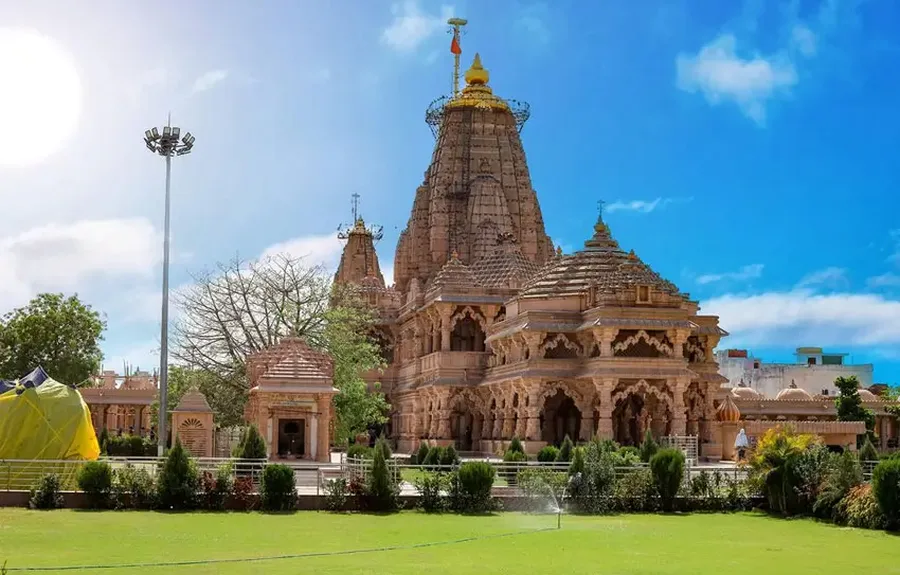
Beyond the famous desert cities lies a greener Rajasthan of lakes, wooded hills and small royal capitals that most visitors never reach. The...
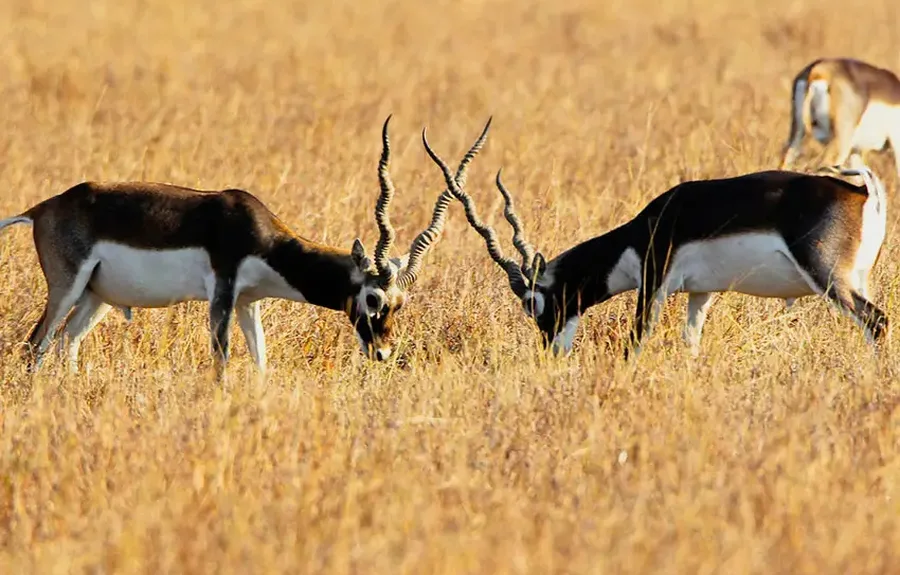
More than 500 bird species have been recorded in Rajasthan, from wintering cranes and pelicans on the wetlands of the east to sandgrouse,...
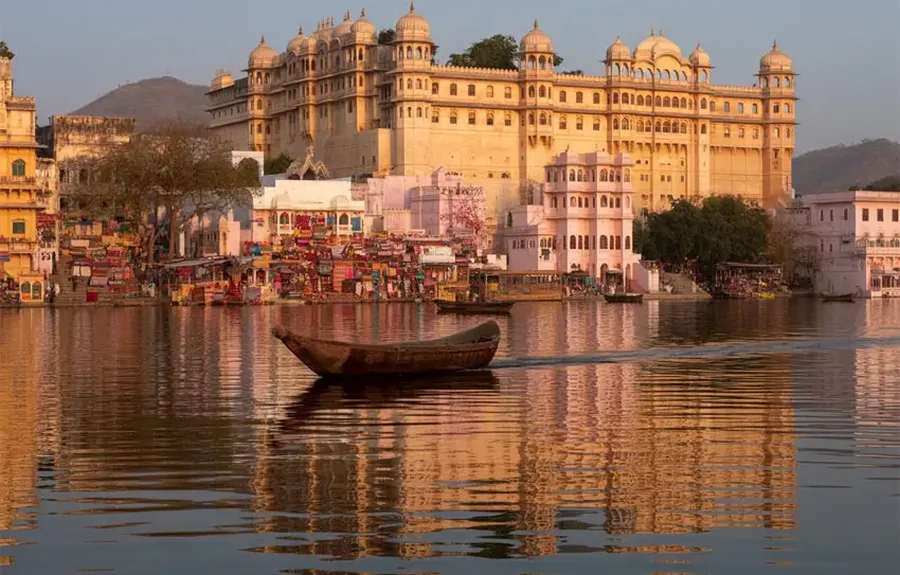
Rajasthan rewards patience, and the Rajasthan Tour for Senior Travelers is designed to let you enjoy it without strain. Over 11 nights and...

Almost every village in Rajasthan is known for a craft, and many of them are still practised by hand in family workshops, exactly...
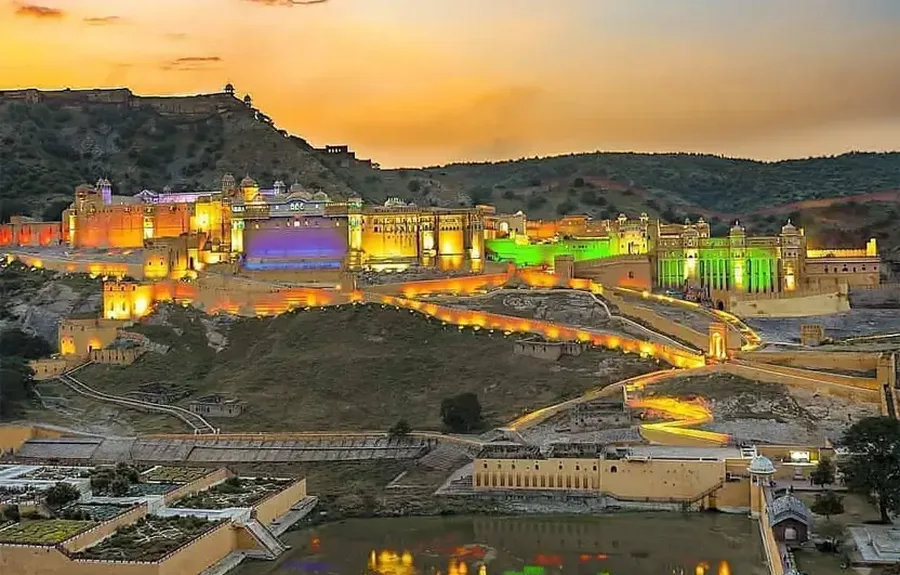
Most visitors see Rajasthan through a car window between one fort and the next. The Rajasthan Slow Travel Tour takes the opposite approach...
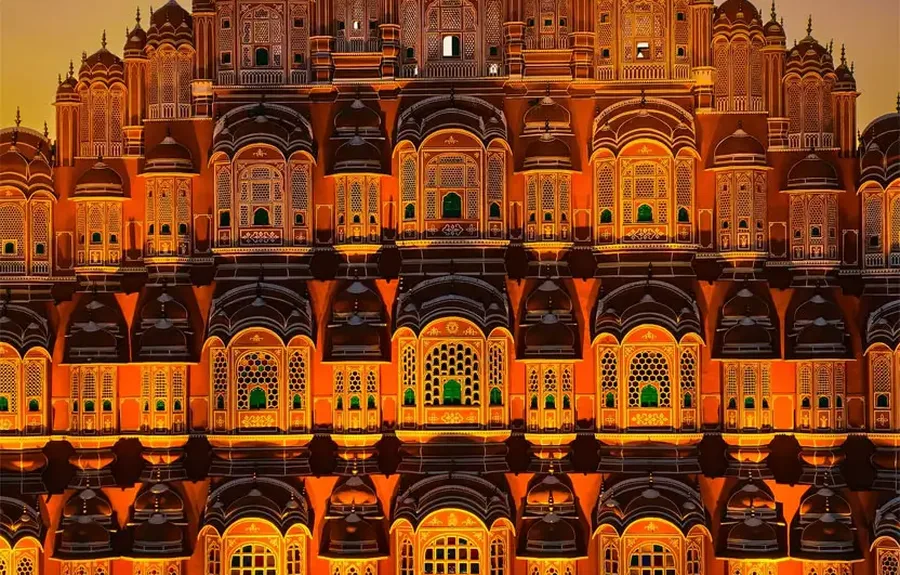
Lamps on every ghat, palaces outlined in light and fireworks reflected in still water make Diwali in Udaipur one of the loveliest festival...
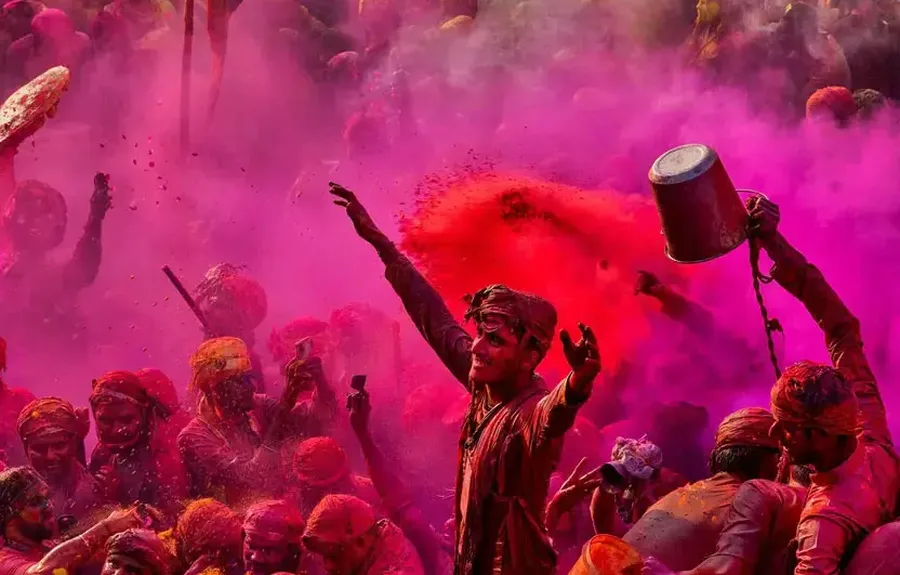
Holi arrives with the full moon of Phalgun, usually in March, when winter ends, the wheat turns gold and the whole of North...
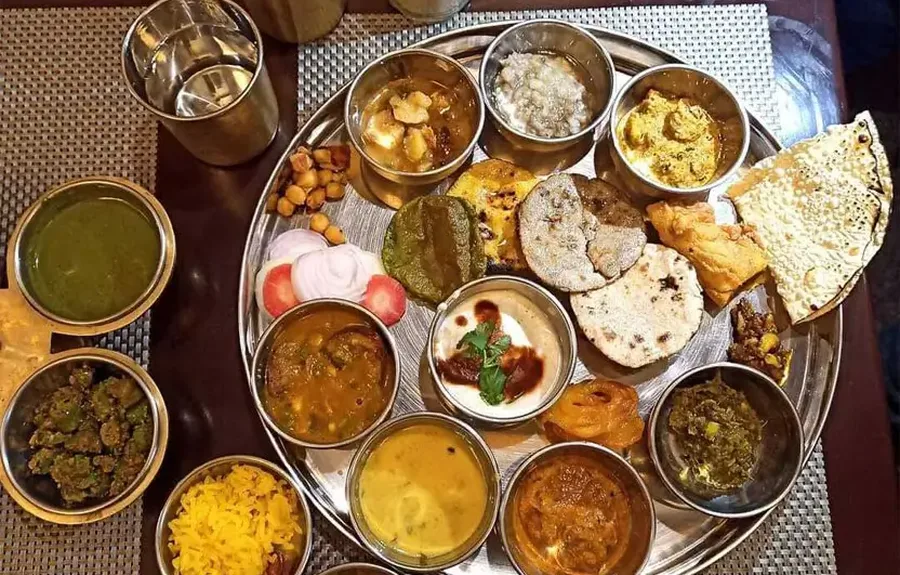
Desert cooking is a cuisine of clever survival. With little water and few fresh vegetables, Rajasthani cooks built a whole kitchen around dried...
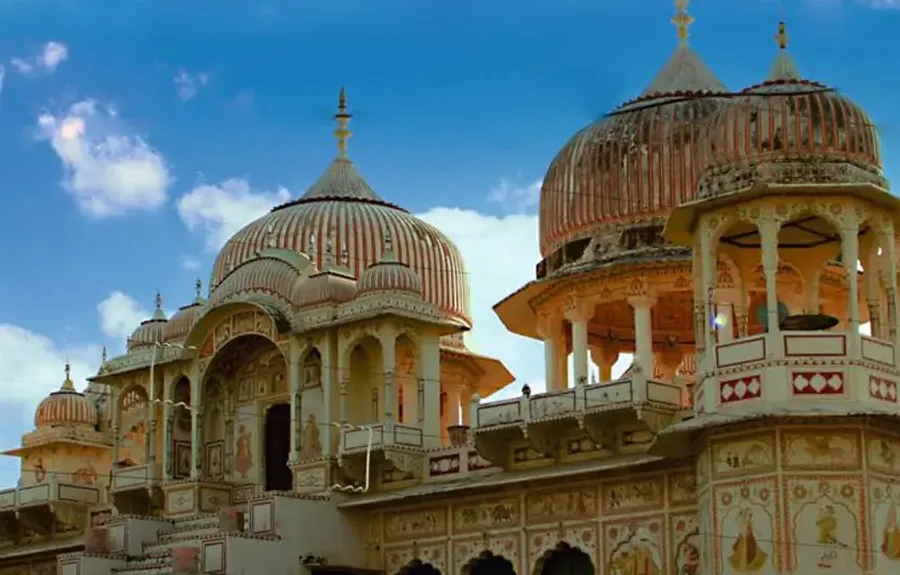
Turbans in saffron and magenta, indigo walls, golden sandstone and white marble reflected in still lakes: Rajasthan may be the most colourful state...
For a few days each autumn, around 50,000 camels, horses and cattle gather on the sands outside a small holy town, along with...