Delhi - Jaipur - Pushkar - Udaipur - Jodhpur - Jaisalmer
For a few days each autumn, around 50,000 camels, horses and cattle gather on the sands outside a small holy town, along with herders, traders, musicians, acrobats and hundreds of thousands of pilgrims. The Rajasthan Pushkar Camel Fair Tour places you in the middle of it, with three nights in a tented camp beside the fairground during the busiest days. The fair takes place in the Hindu month of Kartik, ending on the full moon of Kartik Purnima, which usually falls in late October or November, so the tour dates are set each year to match the lunar calendar.
Around the fair, the 11-night, 12-day route covers the highlights of Rajasthan: the forts of Jaipur, the lakes of Udaipur, the blue city of Jodhpur and the golden fort of Jaisalmer, finishing with a flight back to Delhi. A private car with an English-speaking driver carries you throughout, and local guides help you move through the crowds at the fair. In Jaipur, you spend a morning with rescued elephants on a day visit with elephants at Elefantastic. If your dates do not match the fair, the Golden Triangle Tour with Pushkar and Ajmer visits the town year-round.
Package Highlights
• Three nights in a tented camp at the Pushkar Camel Fair
• Camel and livestock trading on the dunes at dawn
• Camel races, decorated camel parades and the famous moustache contest
• Kartik Purnima holy bathing and evening lamps on Pushkar Lake
• Amber Fort, City Palace and a morning with rescued elephants in Jaipur
• City Palace and a boat ride on Lake Pichola in Udaipur
• Ranakpur Jain temple and Mehrangarh Fort in Jodhpur
• Jaisalmer Fort and sunset on the Sam Sand Dunes
Your festival trip begins at Delhi's Indira Gandhi International Airport. Our representative meets you just outside the arrivals hall with a sign showing your name and introduces you to your driver, who will stay with you across Rajasthan. The drive to your hotel takes about 45 minutes to an hour. Late October and November are busy travel months in North India, with many festivals and weddings, so we book hotels and fair camps well in advance. Bottled water is ready in the car, and your driver can stop for currency or a SIM card.
Check in at your hotel and rest for the remainder of the day. Delhi's air quality can be poor at this time of year because of crop burning in neighbouring states and the festival season, so a good face mask is a sensible thing to pack, and anyone with breathing problems should check with their doctor before travelling. Rajasthan's air is usually much clearer. If you feel like a short evening outing, the illuminated India Gate and the gardens around it are pleasant after dark, and the nearby food stalls sell hot roasted corn and kulfi.
Our coordinator meets you at the hotel with your itinerary, vouchers, the fair camp booking and a 24-hour helpline number. The Pushkar fair is crowded, dusty and joyful, so pack comfortable closed shoes, a scarf to cover your face from dust, sunglasses and a light jacket for the cool desert nights. Keep valuables to a minimum at the fairground and carry small notes for snacks and tips. Photography is welcome at the fair, but always ask before photographing people, especially women and pilgrims at the lake. Overnight stay at your hotel in Delhi.
After breakfast, drive about 270 km to Jaipur, a trip of five to six hours with a stop for lunch. As you enter Rajasthan, the countryside turns drier and more colourful, and in this season you will see fields of mustard and wheat being sown and villages decorated after the Diwali festival. Check in at your hotel in Jaipur, the capital of Rajasthan, founded in 1727 by Maharaja Sawai Jai Singh II and known as the Pink City because of the colour of its old buildings, painted in 1876 for a royal visit.
In the afternoon, your local guide takes you to the City Palace, still home to the former royal family, where museums display royal costumes, weapons and miniature paintings, and the four painted gates of the Pritam Niwas Chowk represent the seasons. Across the road, Jantar Mantar, a UNESCO World Heritage Site, holds giant stone instruments built in the 18th century to measure time and track the stars. Your guide explains how the astronomer king designed instruments that are still accurate today. The site is open-air, so a hat is useful.
Late in the afternoon, photograph the Hawa Mahal, the Palace of Winds, from a café across the road. Its pink facade with 953 small windows was built so royal women could watch street life unseen. Then wander through Johari Bazaar and Bapu Bazaar, where you can buy block-printed fabrics, silver jewellery, lac bangles and leather slippers. Prices are usually negotiable. In the evening, enjoy dinner at a traditional Rajasthani restaurant, where dishes such as dal baati churma and gatte ki sabzi are served with live folk music. Overnight stay at your hotel in Jaipur.
This morning, the Elefantastic team picks you up from your hotel for a hands-on session at their sanctuary on the outskirts of Jaipur. Each guest is paired with one elephant and introduced to its keeper, who explains the elephant's story, diet and daily routine. You then prepare a basket of fruit and sugarcane and feed your elephant by hand, a calm and personal moment in a quiet rural setting. Elephants have long been part of Rajasthan's festivals and royal processions, and this visit shows a kinder, more respectful way to meet them.
After feeding, walk with your elephant and help with bath time, splashing and scrubbing as the elephants relax in the water. There are no rides, no chains and no shows at Elefantastic, and the elephants move at their own pace throughout. Wear clothes that can get wet and keep a change in the car. Please book only through official Elefantastic channels, as the sanctuary is not located in Hathi Gaon (Elephant Village). For guests who want longer with the herd, the sanctuary also offers a night stay with elephants. The team returns you to your hotel.
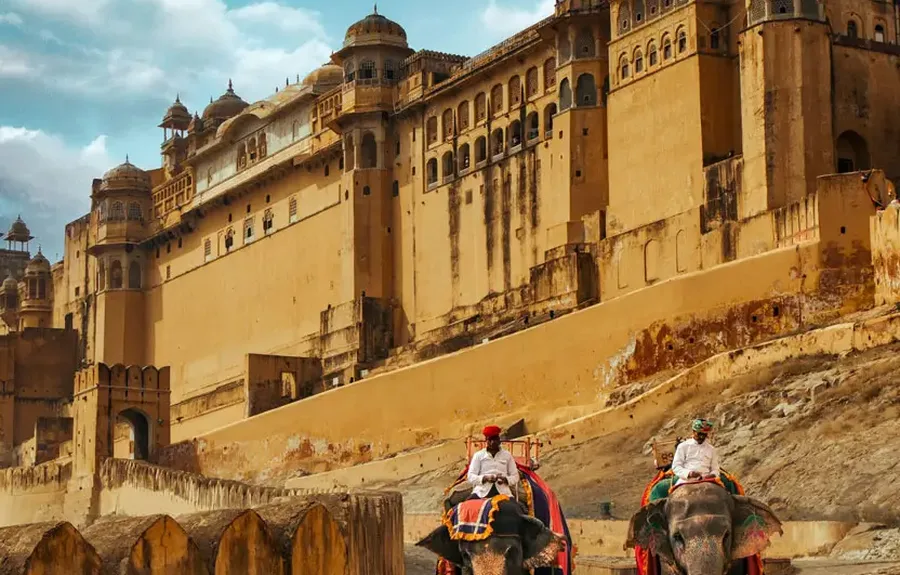
In the afternoon, visit Amber Fort, the hilltop palace of the Kachwaha Rajputs, about 11 km from the city. A jeep takes you up the hill, and your guide leads you through the Diwan-i-Am, the painted Ganesh Pol and the Sheesh Mahal, whose mirrored walls sparkle like stars. The late afternoon light on the golden walls is beautiful. On the way back, stop at Jal Mahal, the water palace in Man Sagar Lake. Enjoy dinner at your hotel and pack for tomorrow's drive to Pushkar and the fair. Overnight stay at your hotel in Jaipur.
After breakfast, drive about 145 km to Pushkar, a trip of around three hours. On the way, you pass through Ajmer, home to the Dargah Sharif of the Sufi saint Khwaja Moinuddin Chishti, and your driver can stop for a short visit if you wish. Then cross the Nag Pahar hills to reach Pushkar, where the roads become crowded with camel carts, herders on foot and pilgrims arriving for the fair. Check in at your tented fair camp on the edge of the fairground, with comfortable tents, beds, attached bathrooms and a dining tent.
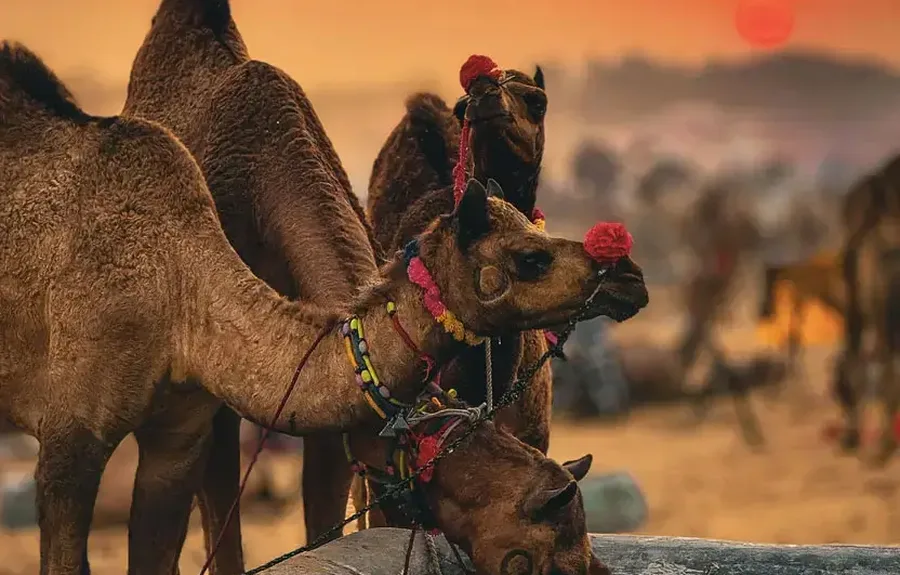
After lunch at the camp, your guide takes you to the fairground, a wide stretch of sand dunes where thousands of camels, horses and cattle are gathered for trading. Herders from across Rajasthan and neighbouring states, many in bright turbans and long moustaches, camp beside their animals, cooking over small fires and bargaining with buyers. Camels are decorated with colourful tassels, beads and shaved patterns on their fur. It is a lively, noisy and colourful scene, and the light in the late afternoon is perfect for photographs.
As the sun sets, the fairground glows with the light of campfires and lanterns, and music drifts across the dunes from groups of herders singing folk songs. Walk back into the town to see the ghats of Pushkar Lake, where pilgrims gather for the evening aarti, with bells, chants and floating lamps. Pushkar is a vegetarian town without alcohol, and during the fair, food stalls sell hot malpua, kachori and sweet milky tea. Return to your camp for dinner and folk music by the fire. Overnight stay at your fair camp in Pushkar.
Wake before dawn and walk to the fairground at sunrise, when the trading is at its busiest and the light is soft and golden. Herders wrap their camels in blankets against the morning chill, children help feed the animals, and buyers walk among the herds, inspecting teeth and legs before haggling over prices. This is the heart of the fair, a tradition that has continued for centuries. Your guide explains how the trade works and introduces you to some of the herders, many of whom are happy to share stories of their lives in the desert.
After breakfast at the camp, head to the mela ground stadium, where the day's events take place. The programme, organised by Rajasthan Tourism, usually includes camel races, a camel decoration contest, a longest moustache competition, turban-tying contests, matka phod (a pot-breaking contest), tug-of-war matches between locals and foreigners, and folk dance performances. Each day has different events, so your guide will check the schedule and take you to the best ones. The stadium is crowded, so arrive early for a good seat.
In the afternoon, wander through the fair bazaar, where stalls sell everything from camel saddles and silver jewellery to colourful textiles, leather goods and spices. Giant Ferris wheels and merry-go-rounds turn above the crowds, and street performers, snake charmers and acrobats entertain the visitors. In the evening, the stadium hosts cultural programmes of music and dance by artists from across Rajasthan. Return to your camp for dinner around the bonfire, with the sounds of the fair carrying on late into the night. Overnight stay at your fair camp in Pushkar.
Start the day with a visit to the Brahma Temple, one of very few temples in the world dedicated to the creator god, with its red spire and marble floor inlaid with coins. During the fair, the temple is busy with pilgrims, so your guide will help you move through the queue. Then take the ropeway, or walk up the steep path, to the Savitri Temple on a hilltop above the town, from where the view over the lake, the town and the fairground with its thousands of animals and tents is superb. The morning light is the best for photographs.
After lunch, spend the afternoon at the fair, visiting the events and stalls you missed, or relax at your camp. If your dates allow, you may take a hot air balloon ride over the fairground, offered by local operators during the fair at extra cost and depending on weather. The view of the dunes, the camels and the town from the air is unique. Alternatively, take a short camel ride into the dunes around the fairground, led by a herder, to watch the sunset over the desert and the crowds below.
As the full moon of Kartik Purnima approaches, Pushkar fills with pilgrims who come to bathe in the holy lake, believing it washes away sins. On the evening of the full moon, the ghats are lit with thousands of oil lamps, and the lake glows with floating candles and flowers, a deeply moving sight. Your guide will take you to a rooftop or a quiet ghat to watch respectfully, as this is a religious occasion. Photography of bathers is not allowed. Return to your camp for a farewell dinner at the fair. Overnight stay at your fair camp in Pushkar.
After breakfast, leave the fair behind and drive south about 280 km to Udaipur, a trip of around five hours. The road passes through the Aravalli hills, where the landscape becomes greener, with lakes, forests and terraced fields. Your driver will stop for lunch at a roadside restaurant and whenever you want to take photographs. Arrive in Udaipur in the afternoon and check in at your hotel near the lakes. After the dust and noise of the fair, Udaipur's calm waters and white palaces feel peaceful and refreshing.
Udaipur, the City of Lakes, was founded in 1559 by Maharana Udai Singh II after the fall of Chittorgarh, and it remained the capital of the Mewar kingdom until India's independence. The city is set among hills, around several man-made lakes, and its palaces, temples and ghats are reflected in the water. In the late afternoon, take a gentle walk along the Gangaur Ghat, a historic ghat on the shore of Lake Pichola, where locals bathe, wash clothes and gather to chat in the evening light.
In the evening, attend the Dharohar folk dance show at Bagore Ki Haveli, an 18th-century mansion on the shore of Lake Pichola. The show features traditional dances from across Rajasthan, including a dancer who balances many clay pots on her head, and a colourful puppet show. After the show, enjoy dinner at a rooftop restaurant overlooking the illuminated City Palace and the Lake Palace, with the lights shimmering on the water. It is a peaceful end to a long and lively week. Overnight stay at your hotel in Udaipur.
After breakfast, your guide takes you to the City Palace of Udaipur, the largest palace complex in Rajasthan, built over nearly 400 years by the Maharanas of Mewar. Its courtyards, balconies and towers rise above the eastern shore of Lake Pichola. Inside, highlights include the Mor Chowk with its peacock mosaics in coloured glass, the Zenana Mahal and the Crystal Gallery, which holds crystal furniture ordered from England in 1877 but never used. The views over the lake from the upper terraces are superb.
Next, walk to the Jagdish Temple, a 17th-century Indo-Aryan temple dedicated to Lord Vishnu, with finely carved walls and a brass image of Garuda at the entrance. After lunch, visit Saheliyon Ki Bari, the Garden of the Maidens, an 18th-century garden with fountains, lotus pools and marble elephants built for the royal ladies. Then drive along Fateh Sagar Lake, where locals stroll along the promenade. If you enjoy art, visit a miniature painting studio to see artists at work with fine squirrel-hair brushes.
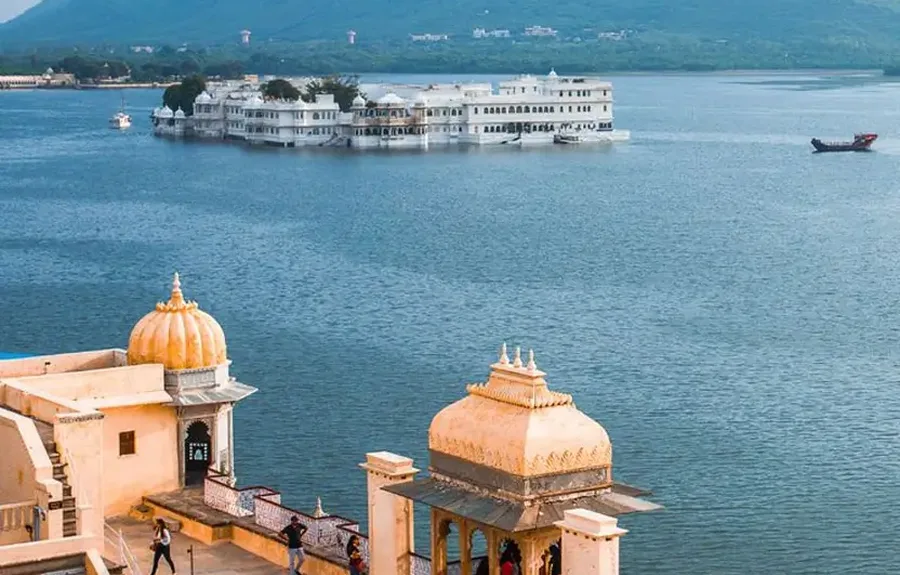
In the late afternoon, enjoy a boat ride on Lake Pichola, gliding past the ghats, the City Palace and the white Lake Palace, now a luxury hotel. The boat stops at Jag Mandir, an island palace with gardens and stone elephants, where you can watch the sun set over the hills. In the evening, enjoy dinner at a lakeside restaurant. Many restaurants in Udaipur offer views of the palaces and the lake, and the food ranges from traditional Rajasthani dishes to international cuisine. Overnight stay at your hotel in Udaipur.
After breakfast, drive about 95 km to Ranakpur, around two hours through the green Aravalli hills. Ranakpur is home to the Chaumukha Jain Temple, built in the 15th century from white marble and dedicated to Adinath, the first Tirthankara. Non-Jain visitors may enter from around 12:00 pm to 5:00 pm, and leather items, food and shorts are not allowed. Inside, the temple is a forest of 1,444 marble pillars, each carved differently, supporting domes and ceilings covered with intricate patterns. Your guide explains the legends of its construction.
After the visit, enjoy a simple vegetarian lunch at a nearby resort, then continue to Jodhpur, about 170 km and three and a half hours away. The road descends from the hills into the semi-desert plains of Marwar, where you may see Bishnoi villagers in white turbans and herds of blackbuck antelope in the fields. Your driver can stop at a Bishnoi village if you would like to see how this nature-loving community lives. Arrive in Jodhpur in the late afternoon and check in at your hotel, ideally a haveli with views of Mehrangarh Fort.
In the evening, walk to the Clock Tower and the busy Sardar Market, where traders sell spices, textiles, vegetables and silver. Try a mirchi bada, a large fried chilli fritter, and a makhaniya lassi, a rich saffron yoghurt drink, two Jodhpur specialities. Then enjoy dinner at a rooftop restaurant with views of the illuminated Mehrangarh Fort, which rises dramatically on its rocky ridge above the blue houses of the old city. Tomorrow you visit the fort before driving to Jaisalmer. Overnight stay at your hotel in Jodhpur.
After breakfast, your guide takes you up to Mehrangarh Fort, one of the largest forts in India, rising 125 metres above the city. Built from 1459 by Rao Jodha, its walls are up to 36 metres high, and inside, the palaces are decorated with carved stone screens, mirrored halls and painted ceilings. Highlights include the Moti Mahal, the Phool Mahal and the Sheesh Mahal, and the museum displays palanquins, howdahs, weapons and turbans. The views over the blue city from the ramparts are wide and beautiful.
After a quick visit to Jaswant Thada, the white marble memorial near the fort, drive west to Jaisalmer, about 285 km and five hours away across the Thar Desert. The landscape becomes wider and emptier, with sand dunes, scrub and small villages. Your driver will stop for lunch at a roadside restaurant in Pokhran, which has a small 14th-century fort. You may see camel herds, desert foxes and chinkara gazelles along the way. The road is straight and quiet, and the open desert has a beauty of its own.
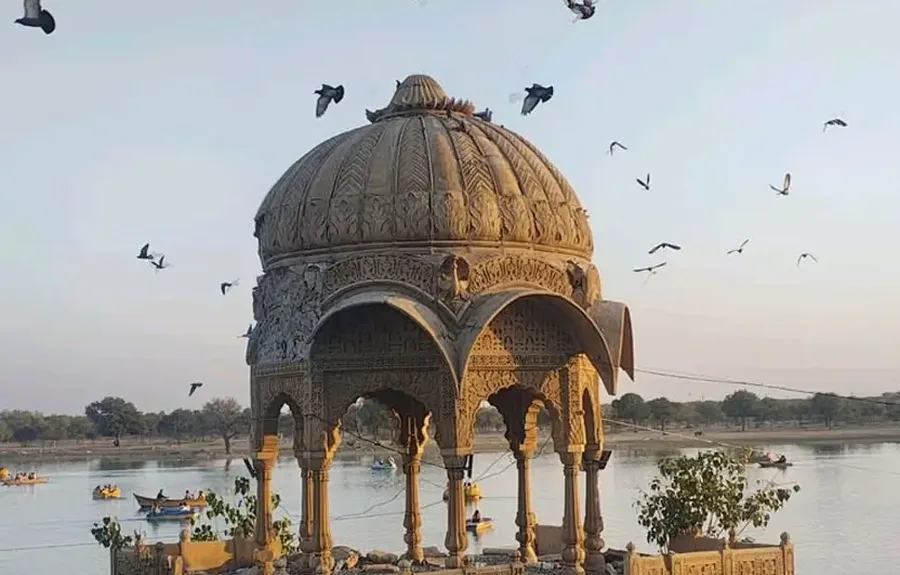
As you approach Jaisalmer in the late afternoon, the golden fort rises from the desert like a sandcastle, glowing in the setting sun. Founded in 1156 by Rawal Jaisal, the city grew rich on the trade routes between India and Central Asia. Check in at your hotel, ideally one with views of the fort. In the evening, visit Gadisar Lake, a 14th-century reservoir lined with small temples and ghats, then enjoy dinner on a rooftop terrace with views of the illuminated fort. Overnight stay at your hotel in Jaisalmer.
After breakfast, your guide takes you into Jaisalmer Fort, one of the few living forts in the world, where about 3,000 people still live within its 99-bastioned walls. Visit the Raj Mahal, the royal palace, and the group of seven Jain temples, built between the 12th and 15th centuries with finely carved sandstone pillars and ceilings. Then walk through the old town below the fort to see the merchant havelis, including the Patwon Ki Haveli with its lace-like stone balconies and the peacock-roofed Salim Singh Ki Haveli.
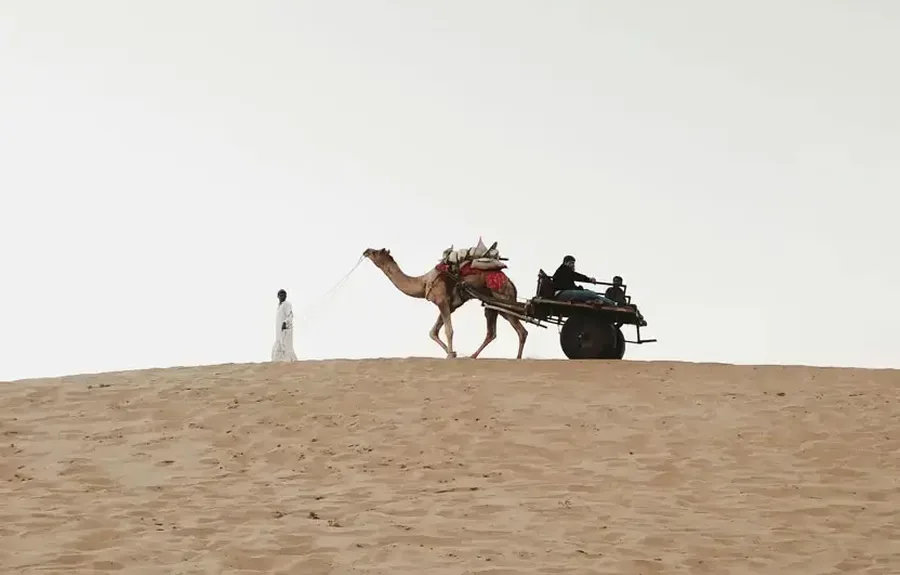
After lunch and some rest, browse the bazaar, where shops sell mirror-work textiles, embroidered cushions, camel leather goods and silver jewellery. In the late afternoon, drive about 40 km west to the Sam Sand Dunes, where the Thar Desert rolls in waves of golden sand. Take a camel ride to the top of a dune and watch the sun set over the desert, a quieter and more spacious scene than the crowded fairground at Pushkar, and a fitting end to your Rajasthan holiday of deserts, lakes and festivals.
Stay at the dunes for an evening of Rajasthani folk music and dance by Manganiyar and Kalbeliya performers around a bonfire at one of the desert camps, followed by a traditional dinner under the stars. Then return to your hotel in Jaisalmer for your final night in Rajasthan. The desert air is cool and clear at this time of year, and the stars shine brightly above the fort. Pack your bags for tomorrow's flight to Delhi and onward connection home. Overnight stay at your hotel in Jaisalmer.
After breakfast, transfer to Jaisalmer airport for the seasonal flight to Delhi, or drive to Jodhpur airport if flights are not running, and connect with your international departure. For a lights festival instead of a camel fair, see our Rajasthan Diwali Festival Tour.
Our assorted tours, for your first, second or nth time to India!
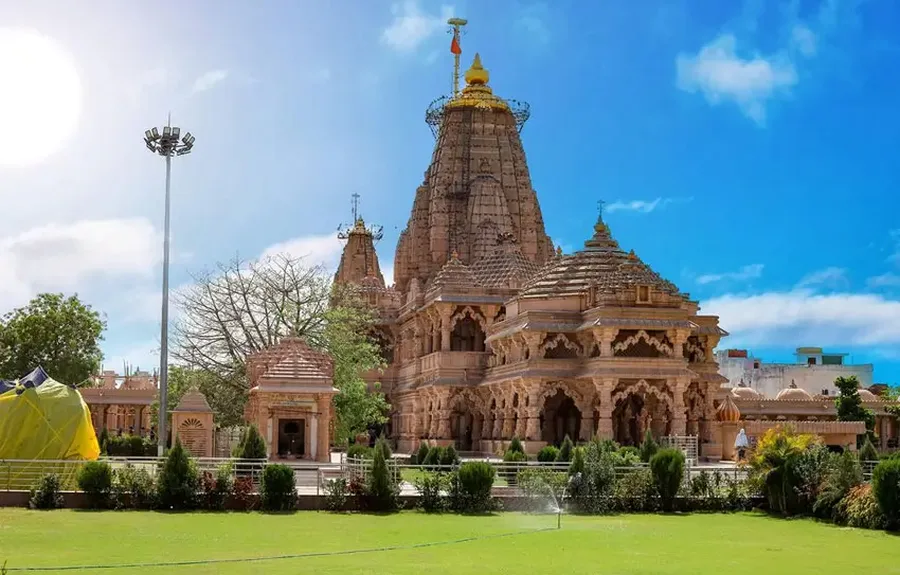
Beyond the famous desert cities lies a greener Rajasthan of lakes, wooded hills and small royal capitals that most visitors never reach. The...
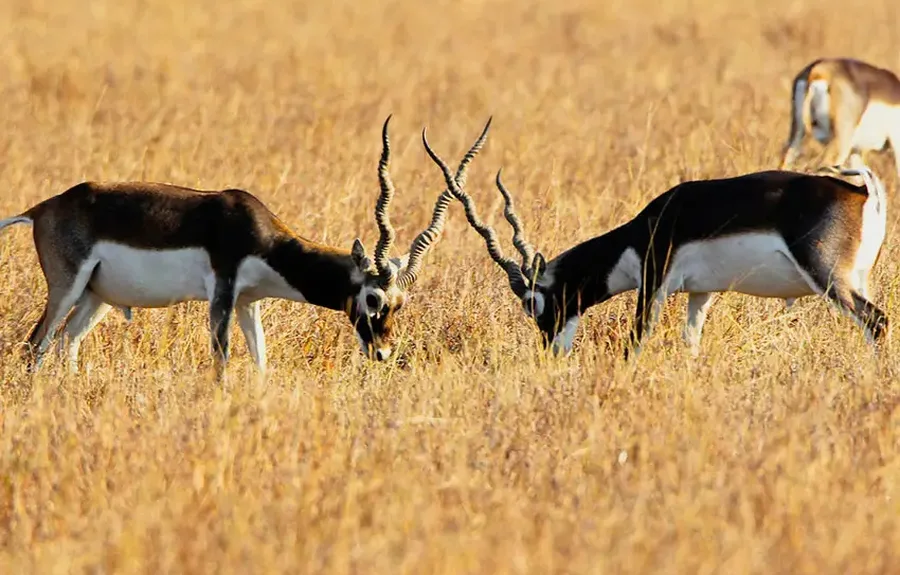
More than 500 bird species have been recorded in Rajasthan, from wintering cranes and pelicans on the wetlands of the east to sandgrouse,...
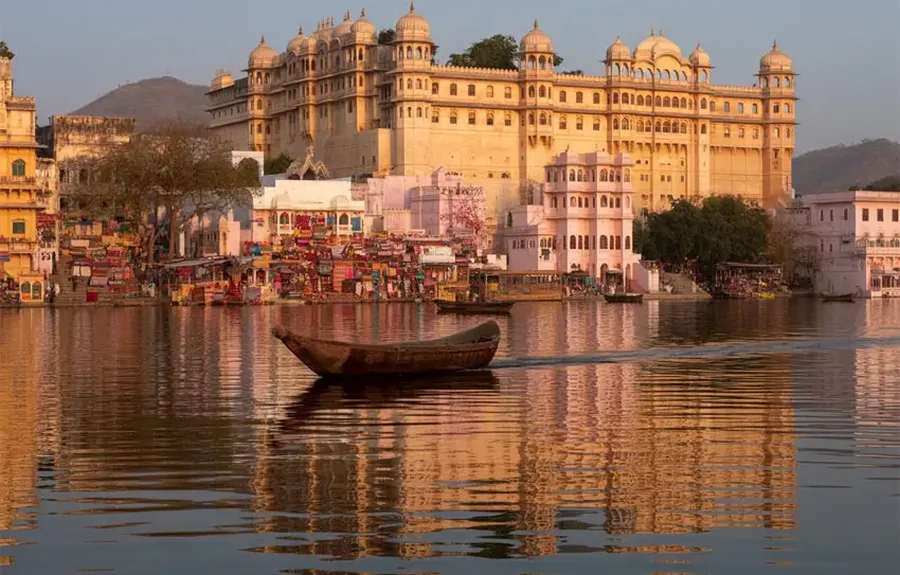
Rajasthan rewards patience, and the Rajasthan Tour for Senior Travelers is designed to let you enjoy it without strain. Over 11 nights and...
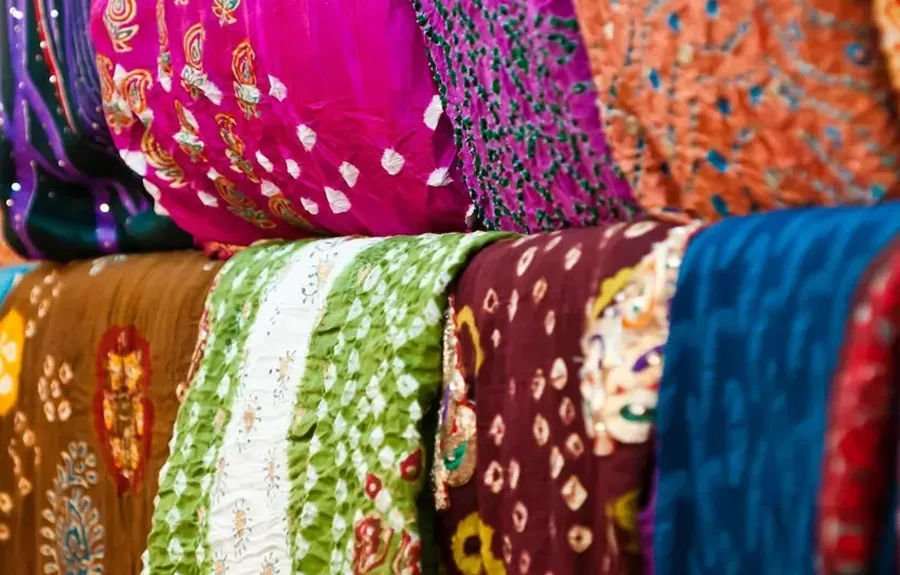
Almost every village in Rajasthan is known for a craft, and many of them are still practised by hand in family workshops, exactly...
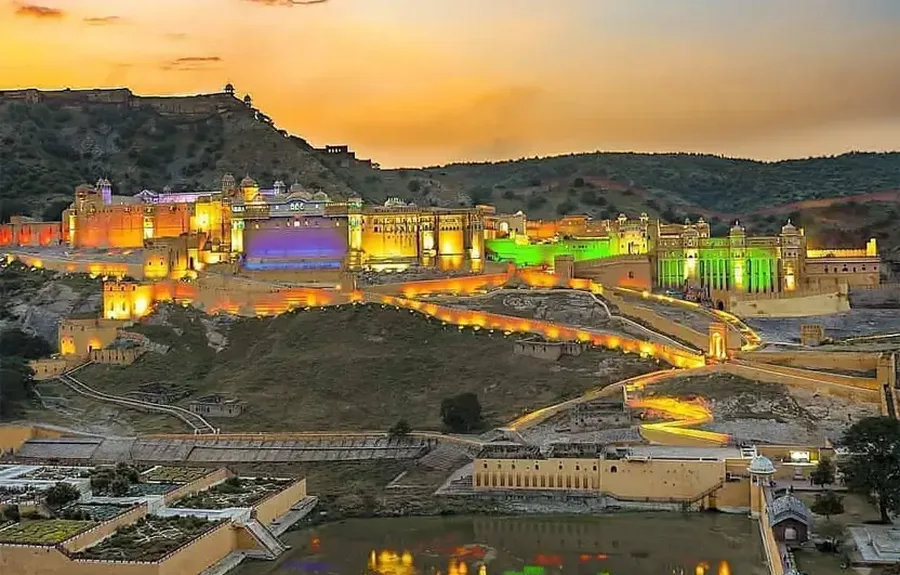
Most visitors see Rajasthan through a car window between one fort and the next. The Rajasthan Slow Travel Tour takes the opposite approach...
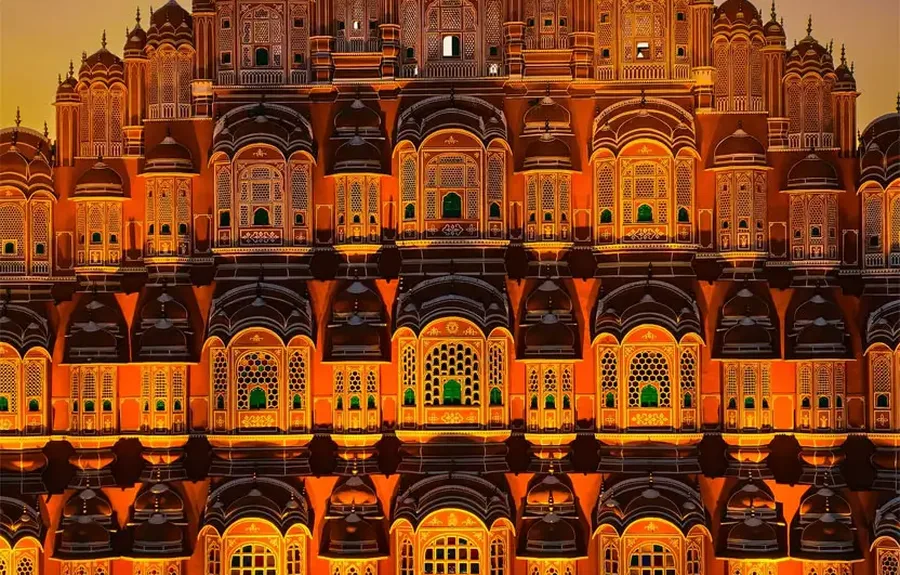
Lamps on every ghat, palaces outlined in light and fireworks reflected in still water make Diwali in Udaipur one of the loveliest festival...
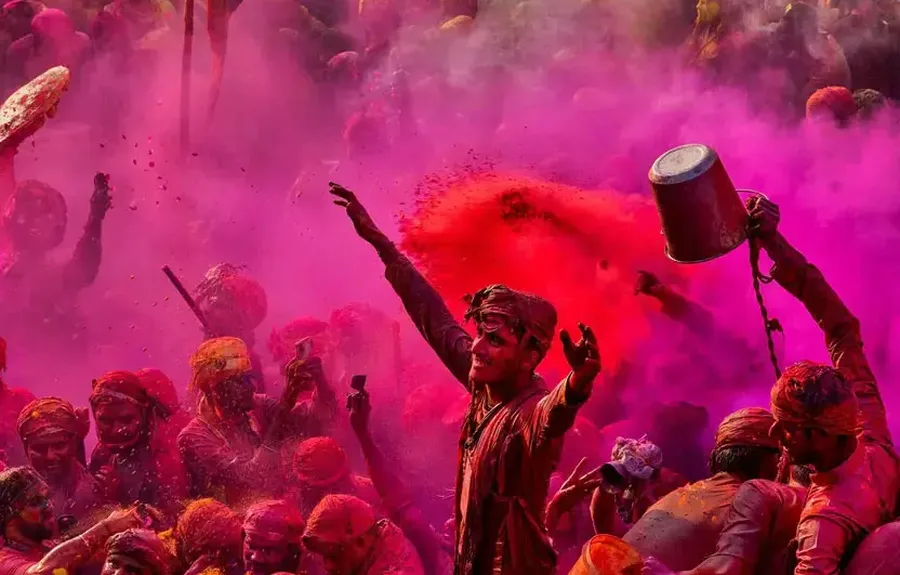
Holi arrives with the full moon of Phalgun, usually in March, when winter ends, the wheat turns gold and the whole of North...
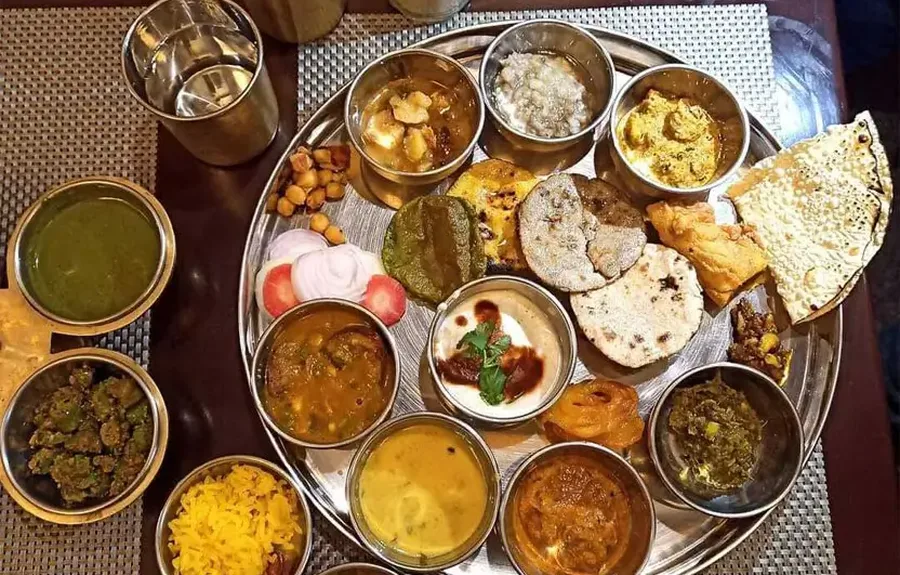
Desert cooking is a cuisine of clever survival. With little water and few fresh vegetables, Rajasthani cooks built a whole kitchen around dried...
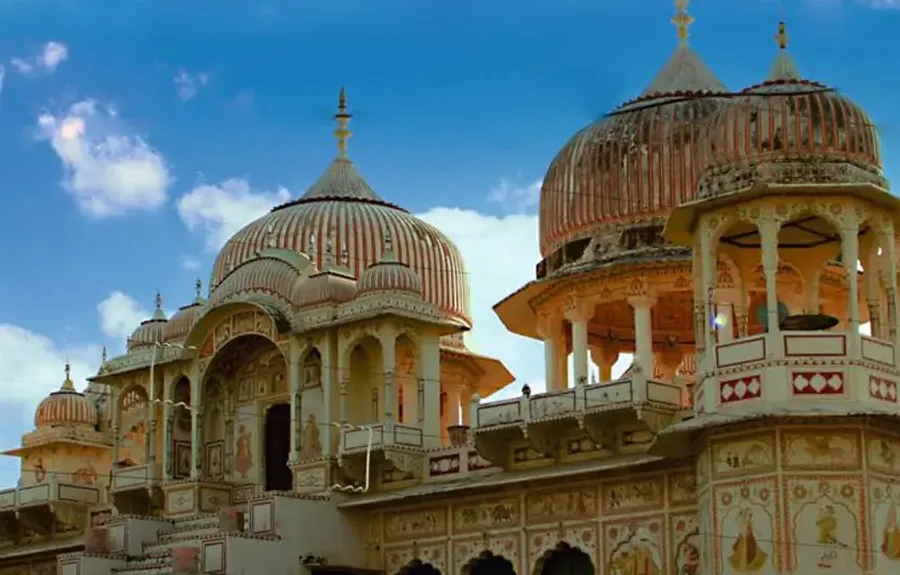
Turbans in saffron and magenta, indigo walls, golden sandstone and white marble reflected in still lakes: Rajasthan may be the most colourful state...
For a few days each autumn, around 50,000 camels, horses and cattle gather on the sands outside a small holy town, along with...