Delhi - Sariska - Jaipur - Ranthambore - Jawai - Udaipur
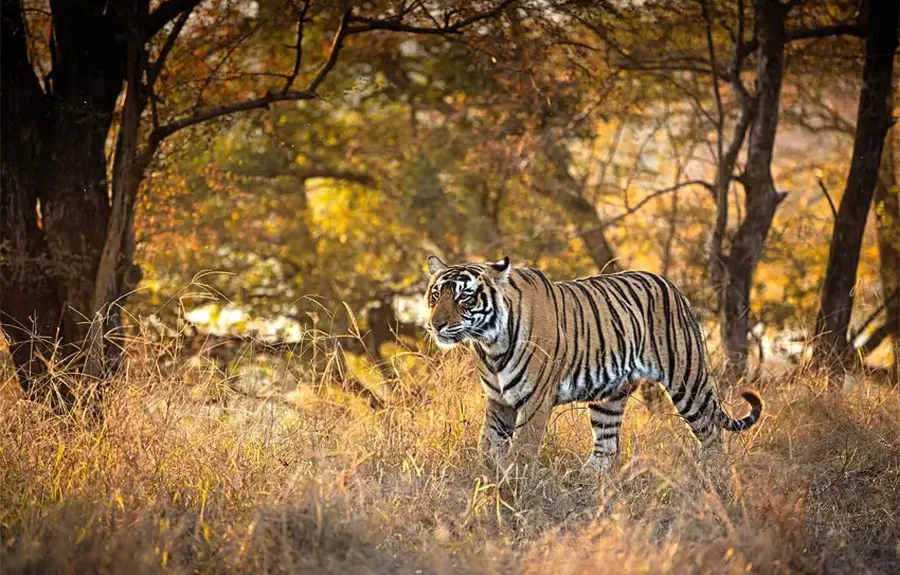
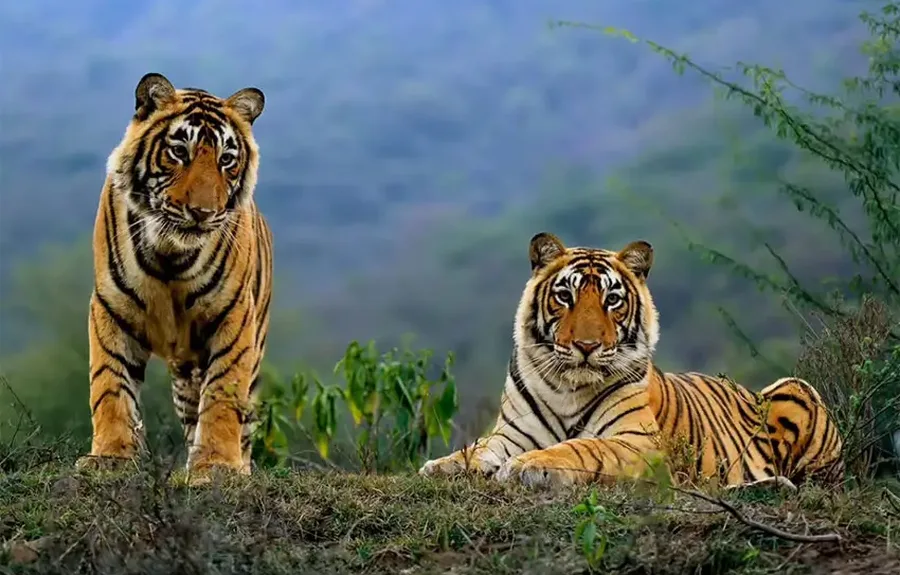
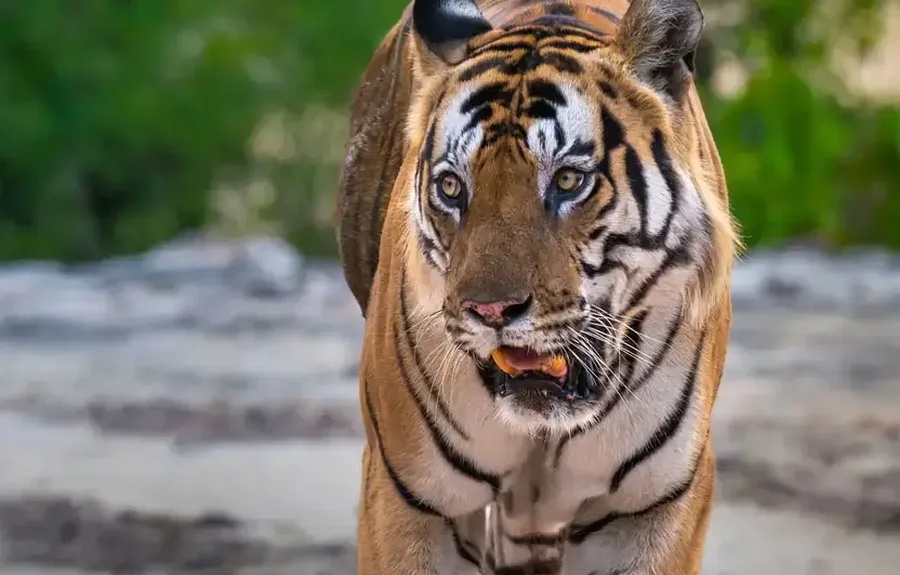
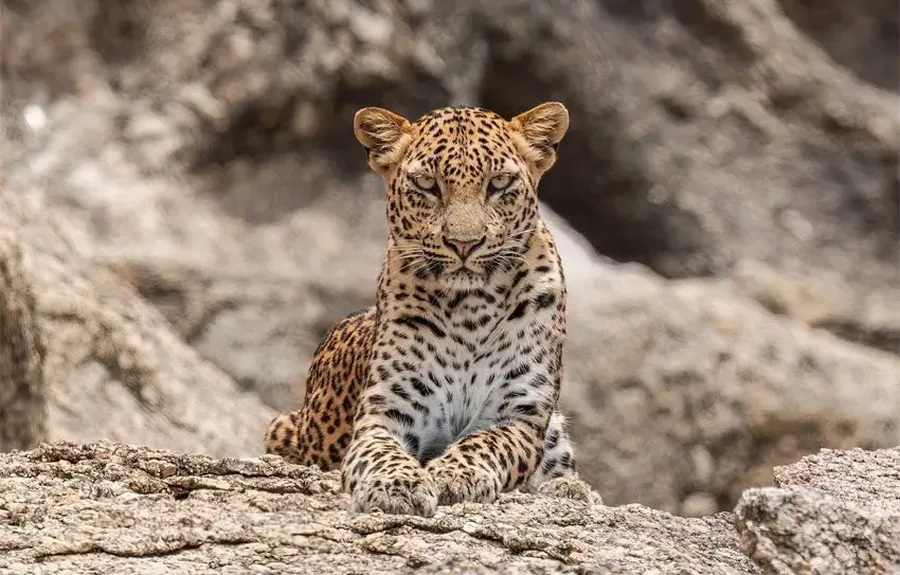
Rajasthan holds two very different big-cat landscapes. In the east, the dry forests of Sariska and Ranthambore are home to wild Bengal tigers, while in the south-west, the granite hills of Jawai shelter one of the highest densities of wild leopards anywhere in the world, living peacefully beside Rabari herders and their flocks. The Rajasthan Tiger and Leopard Safari Tour connects them over 11 nights and 12 days, with time in Jaipur for its forts and a morning with rescued elephants, and a final night in Udaipur, the city of lakes.
Safaris are led by seasoned naturalists in open vehicles, and a private air-conditioned car with an English-speaking driver handles all road transfers. The route gives three nights in Ranthambore and three in Jawai, the right balance for good sightings without rushing. In Jaipur, the Elefantastic elephant sanctuary offers a gentle, ethical encounter with elephants, without rides or chains. For a shorter wildlife break, see our Jaipur and Ranthambore Tour Package from Delhi, or compare the Rajasthan Wildlife and Heritage Tour among our Rajasthan tour packages.
Package Highlights
• Jeep safari in Sariska Tiger Reserve and a visit to Bhangarh Fort
• Amber Fort, City Palace and Hawa Mahal in Jaipur
• Morning with rescued elephants at Elefantastic
• Four safaris in Ranthambore National Park plus the UNESCO hill fort
• Leopard safaris among the granite hills of Jawai
• Crocodiles and winter birdlife at Jawai Dam
• Rabari herder villages and hilltop temples around Jawai
• City Palace and a sunset boat ride on Lake Pichola in Udaipur
Your wildlife tour begins at Indira Gandhi International Airport, where our representative meets you outside the arrivals hall with a name board. Your private car and driver take you to your hotel in central Delhi, a drive of 45 minutes to an hour. The same driver accompanies you across Rajasthan, linking each park and city. We track your flight to make sure the pickup matches your actual landing time. The car is air-conditioned and stocked with bottled water, and your driver can stop for currency exchange or a local SIM card.
Check-in is usually from 2:00 pm, and an early room can be reserved for morning arrivals. The rest of the day is free to rest and recover from your flight. If you are a bird lover and have energy in the late afternoon, the Sultanpur Bird Sanctuary, about an hour south-west of Delhi, hosts thousands of migratory birds in winter, including painted storks and bar-headed geese, and makes a good warm-up for the safaris ahead. Otherwise, a quiet evening at the hotel is the best way to prepare for the days in the field.
Our coordinator meets you at the hotel with your vouchers, the safari permits and a 24-hour helpline number. For the safaris, wear neutral-coloured clothes in greens, browns and khaki, and bring a hat, sunglasses, sunscreen, binoculars and a scarf against the dust. Winter mornings in open vehicles are very cold, so pack a warm jacket, gloves and a woolly hat. A camera with a long zoom lens of at least 300 mm is recommended for leopard photography in Jawai, where the cats are often seen on distant rocks. Overnight stay at your hotel in Delhi.
After breakfast, drive about 200 km south-west to Sariska Tiger Reserve, which takes around four hours through the Aravalli hills of Alwar district. Sariska covers about 1,200 square kilometres of dry deciduous forest, rocky ridges and grasslands. Tigers were wiped out here by poaching in the early 2000s, but they were successfully reintroduced from Ranthambore from 2008, and the population has been growing steadily since then. Check in at your jungle lodge or the heritage Sariska Palace, a former royal hunting lodge, and enjoy lunch.
In the afternoon, set off on your first jeep safari in Sariska with a forest guide. The reserve is home to tigers, leopards, striped hyenas, jungle cats, sambar, nilgai, chital and wild boar, as well as peafowl, grey partridges and crested serpent eagles. The tracks wind through valleys, past old temples and the ruins of medieval forts. Sariska is less crowded than Ranthambore, and the safaris have a quiet, wild feel. Your guide will explain the story of the reintroduction and the challenges of protecting tigers near busy villages.
Return to the lodge at sunset and enjoy an evening by the bonfire. The forest is alive with sounds at night, from the calls of jackals to the alarm calls of deer. If you are staying at the Sariska Palace, take a walk around its grounds, which include a beautiful façade, a chapel and gardens. Dinner is served at the lodge, and your naturalist may share stories of the reserve's history, including the days when the maharajas of Alwar used it as their hunting ground. Overnight stay at your lodge in Sariska.
Wake early for a morning safari in Sariska, when the forest is cool and animals are active. Look for tigers along the dry streambeds and near the waterholes, as well as leopards on the rocky ridges. You may also visit the Kankwari Fort deep inside the reserve, a 17th-century fort where the Mughal emperor Aurangzeb is said to have imprisoned his brother Dara Shikoh. Return to the lodge for breakfast and check out. Sariska also has a small cluster of ancient temples at Neelkanth, dating from the 6th to 10th centuries.
On the way to Jaipur, stop at Bhangarh Fort, about 50 km from Sariska, a ruined 17th-century fort town known as one of the most haunted places in India. Legend tells of a curse laid by a sorcerer, and the Archaeological Survey of India does not allow visitors inside after sunset. In daylight, the ruins are peaceful and beautiful, with old temples, market streets, palaces and gardens set against the hills. Your guide shares the legends and the real history of the town, which was abandoned in the 18th century.
Continue to Jaipur, about two and a half hours away, and check in at your hotel in the late afternoon. Jaipur, the Pink City, is the capital of Rajasthan and a lively mix of palaces, forts, bazaars and modern life. In the evening, you may walk through the markets of the old city or visit Birla Mandir, a white marble temple that glows softly after dark. Enjoy dinner at your hotel or a rooftop restaurant with views of the hilltop forts lit up against the night sky. Overnight stay at your hotel in Jaipur.
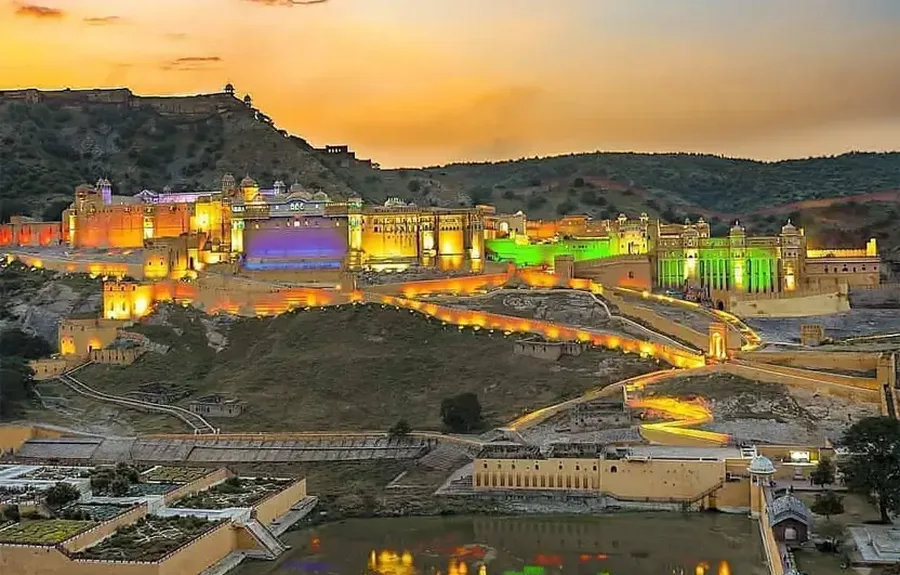
After breakfast, your guide takes you to Amber Fort, the hilltop palace of the Kachwaha Rajputs, about 11 km from the city. A jeep carries you up to the main courtyard, and inside you see the Diwan-i-Am, the painted Ganesh Pol and the Sheesh Mahal, the Palace of Mirrors. From the ramparts, you look over Maota Lake and the walls of Jaigarh Fort. On the way back to the city, stop for photographs of Jal Mahal, the water palace in Man Sagar Lake, where migratory birds gather in winter.
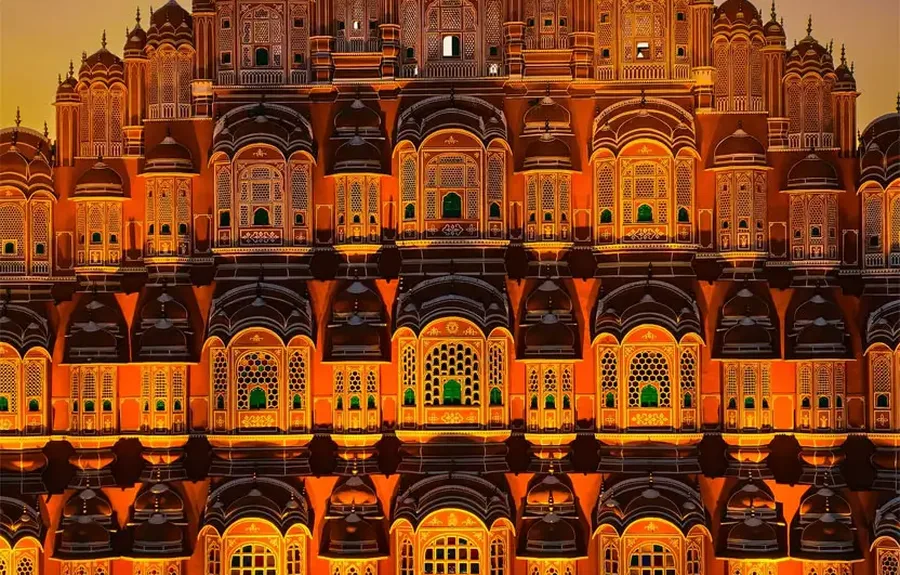
In the afternoon, visit the City Palace, home to the former royal family, with its museums of costumes, weapons and paintings. Across the road, Jantar Mantar, a UNESCO World Heritage Site, holds giant stone instruments built in the 18th century to track the stars and measure time. Then photograph the Hawa Mahal, the Palace of Winds, from a rooftop café across the street. Its pink facade with 953 small windows is the most famous image of Jaipur. The bazaars around it sell textiles, jewellery and handicrafts.
In the late afternoon, drive up to Nahargarh Fort on the ridge above the city for sunset views over Jaipur, or visit the Albert Hall Museum, whose natural history gallery includes old displays on the wildlife of Rajasthan. In the evening, enjoy dinner at a traditional Rajasthani restaurant, perhaps with live folk music. Your driver will confirm the time for the elephant visit tomorrow, after which you continue to Ranthambore for the next stage of your big cat safari. Overnight stay at your hotel in Jaipur.
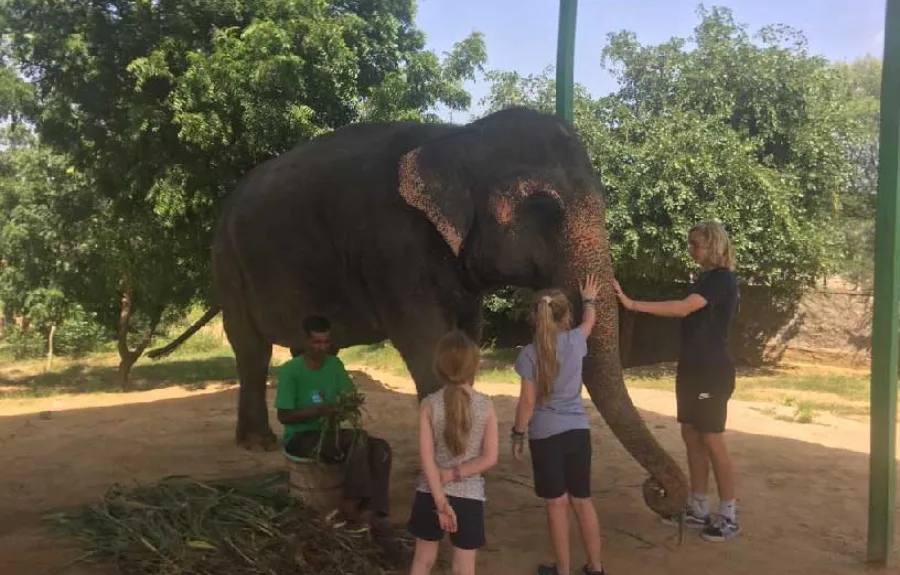
This morning, the Elefantastic team picks you up from your hotel for a day visit with elephants at their sanctuary on the outskirts of Jaipur. After days of watching wild animals from a distance, this is a chance to be close to a gentle giant. Each guest is paired with one elephant and introduced to its keeper. You learn about the elephant's history, diet and behaviour, then feed it by hand with fruit and sugarcane. The setting is calm and natural, and the visit is shaped around the comfort of the elephants.
After feeding, walk with your elephant and then help bathe it, splashing water and scrubbing its skin while it relaxes. Elefantastic does not offer rides, does not use chains during visits and holds no shows, and the keepers explain why kind treatment matters for captive elephants in India. Wear clothes that can get wet and keep a change in the car. Please book only through official channels, as the sanctuary is not in Hathi Gaon (Elephant Village). The team returns you to your hotel in time for lunch and check-out.
In the afternoon, drive about 180 km to Ranthambore, around three and a half hours through villages and farmland, with the land becoming rockier and more wooded as you near Sawai Madhopur. Check in at your jungle resort in the late afternoon. Ranthambore is one of the most famous tiger reserves in the world, known for its tigers that are often seen in daylight, sometimes near the old ruins and lakes. Enjoy dinner at the resort, where your naturalist may give a short talk about the park and its tigers. Overnight stay at your resort in Ranthambore.
Wake before dawn for your first Ranthambore safari, which starts at around 6:30 am in winter. You ride in an open gypsy or canter with a trained naturalist through one of the park's zones, allotted by the forest department. Ranthambore National Park covers about 1,300 square kilometres of dry forest, grassland, lakes and cliffs, dotted with ruined pavilions and temples. It is home to around 80 tigers, along with leopards, sloth bears, hyenas, crocodiles and more than 300 bird species. Each safari lasts about three hours.
Return to the resort for breakfast and rest during the heat of the day. Your naturalist can show you photos of the park's best-known tigers and explain how they are identified by their unique stripe patterns. Many guests use the midday break to review their photographs, read or swim in the pool. In the afternoon, set out on your second safari in another zone, when the light is warm and the animals often come to the lakes to drink. Listen for the alarm calls of sambar and langurs, which often signal a tiger nearby.
After the afternoon safari, return to the resort at sunset. The core zones of Ranthambore close from about July to September during the monsoon, so this tour is best taken between October and June, with the hot months of April to June offering the best chances of sightings near the water. In the evening, enjoy dinner and share the day's sightings with other guests around the bonfire. Your naturalist will pick the zones for tomorrow's safari based on recent tiger movements. Overnight stay at your resort in Ranthambore.
Enjoy your third safari early in the morning in a new zone of the park, with another chance to spot tigers, leopards and sloth bears. Each zone has its own character, from the lakes of Padam Talao and Rajbagh to the rocky hills and grassy meadows of the outer zones. Return to the resort for breakfast. In the late morning, visit Ranthambore Fort, a 10th-century hill fort inside the park and a UNESCO World Heritage Site, with ruined palaces, gates and the Trinetra Ganesh Temple, where devotees send letters to Lord Ganesha.
The climb up the fort's stone steps offers wide views over the forest, lakes and cliffs, and langur monkeys play along the walls. Your guide explains the history of the fort, which was ruled by the Chauhan dynasty and later captured by Alauddin Khalji in 1301 after a long siege. Leopards are sometimes seen on the rocks around the fort, and the area is rich in birdlife. Return to the resort for lunch and a rest, and prepare for your fourth and final safari in Ranthambore in the afternoon.
In the afternoon, set out on your fourth safari, choosing a zone based on recent sightings. By now, you will have seen much of the park's landscape and wildlife, and your naturalist will help you look for the animals you have not yet seen. Return to the resort at sunset for dinner and pack your bags for tomorrow's long drive to Jawai. If you would like a break on the way, an overnight stop can be added, though most guests prefer to continue straight to the leopard country. Overnight stay at your resort in Ranthambore.
After an early breakfast, set off on the long drive to Jawai, about 420 km and seven to eight hours away, passing through the heart of Rajasthan. Your driver will stop regularly for tea, lunch and rest, and the road passes Ajmer, where you can see the Ana Sagar lake from the highway. The landscape changes from the forests of the east to the open plains of central Rajasthan and finally to the dramatic granite hills of the Jawai region in Pali district. This is a travel day, but the scenery is varied and interesting.
As you approach Jawai in the late afternoon, the landscape becomes truly striking, with huge boulders and granite outcrops rising from green fields and small villages. These hills are home to a large population of wild leopards, who live alongside the Rabari herders, a community known for their red turbans and their peaceful coexistence with the big cats. The leopards rarely attack people, and the Rabaris see them as part of the land. Check in at your camp or lodge, many of which are built among the rocks.
In the evening, relax at your camp and enjoy the sunset over the granite hills. Many lodges in Jawai have open terraces where you can sit with a drink and scan the rocks for leopards with binoculars, as the cats often come out at dusk. Dinner is served at the lodge, often featuring local Rajasthani dishes. Your naturalist will brief you on tomorrow's leopard safaris and the behaviour of the leopards of Jawai, who often rest in caves during the day and move at dawn and dusk. Overnight stay at your camp in Jawai.
Wake before dawn for your first leopard safari in an open jeep with a naturalist. Unlike national parks, Jawai is not a fenced reserve, and the leopards move freely among the hills, temples and villages. Your naturalist and tracker will scan the rocks and caves for leopards returning from their night's hunt or sunning themselves on the boulders. The light at dawn on the granite is beautiful, and sightings here are often clear and long, as the leopards are used to vehicles and sit in the open on the rocks.
Return to the lodge for breakfast and rest during the middle of the day. Jawai is also rich in other wildlife, including striped hyenas, jungle cats, Indian wolves, desert foxes and many birds of prey. In the late morning, you may visit a Rabari village, where herders live in simple homes and tend their flocks of sheep, goats and camels. The Rabari women wear heavy silver jewellery and black and red clothes, and the men's red turbans make a striking sight against the hills. Your guide will help you interact respectfully.
In the afternoon, set out on your second leopard safari as the light softens and the leopards begin to move. You may see mothers with cubs, young males patrolling their territory or a leopard lounging near a hilltop temple, where they sometimes rest close to the priests. Stay out until dusk, when the hills turn golden and then purple. Return to the lodge for dinner under the stars. The night is quiet, broken only by the distant calls of jackals and the bells of grazing animals. Overnight stay at your camp in Jawai.
Enjoy an optional early morning safari, or sleep in and enjoy a leisurely breakfast at the lodge. Later in the morning, visit Jawai Dam, the largest reservoir in western Rajasthan, built in 1957 on the Jawai River. Its waters are home to a large population of marsh crocodiles, often seen basking on the banks, and in winter the lake attracts thousands of migratory birds, including flamingos, bar-headed geese, ruddy shelducks and many kinds of ducks and waders. Your naturalist will help you identify the species through binoculars.
After lunch at the lodge, visit one of the hilltop temples in the area, reached by steps carved into the rock. These temples are often surrounded by leopard territory, and the priests have lived beside the cats for generations. The views from the top over the granite hills and the farmland are wide and beautiful. You may also visit a local village market, where farmers sell vegetables, spices and grains, and the women shop for colourful bangles and fabrics. The pace of life in Jawai is slow and relaxed.
In the late afternoon, set out on your final leopard safari, returning to the areas where leopards have been seen recently. Your naturalist will share stories about the individual leopards of Jawai and the relationship between the cats and the Rabari community, which has become a model for coexistence between people and wildlife. Return to the lodge at dusk for a farewell dinner and a quiet evening under the stars. Tomorrow, you continue to Udaipur, the last stop of your tour. Overnight stay at your camp in Jawai.
After breakfast, drive about 150 km to Udaipur, a trip of around three hours through the green Aravalli hills. On the way, you may stop at the Ranakpur Jain Temple, whose 1,444 carved marble pillars make it one of the most beautiful temples in India, open to non-Jain visitors from around 12:00 pm. Arrive in Udaipur in the early afternoon and check in at your hotel near the lakes. Udaipur, the City of Lakes, was founded in 1559 by Maharana Udai Singh II and is surrounded by hills, palaces and temples.
In the afternoon, visit the City Palace, the largest palace complex in Rajasthan, built over nearly 400 years by the rulers of Mewar. Its courtyards, balconies and towers rise above the eastern shore of Lake Pichola, and inside you see the Mor Chowk with its peacock mosaics, the Zenana Mahal and the Crystal Gallery. The views over the lake from the upper terraces are superb. Then walk to the nearby Jagdish Temple, a 17th-century temple dedicated to Lord Vishnu, with finely carved walls and a large brass Garuda at its entrance.
In the late afternoon, enjoy a boat ride on Lake Pichola, gliding past the ghats, the City Palace and the white Lake Palace, now a luxury hotel. The boat stops at Jag Mandir, an island palace with gardens and stone elephants, where you can watch the sun set over the hills. In the evening, enjoy a farewell dinner at a rooftop restaurant overlooking the illuminated palaces. After days in the wild, Udaipur's calm lakes and romantic setting make a perfect end to your safari holiday. Overnight stay at your hotel in Udaipur.
After breakfast, transfer to Udaipur airport for your flight to Delhi and onward international connection. Keep at least four hours between flights. Birders may like to return for our Rajasthan Bird Watching and Wildlife Tour.
Our assorted tours, for your first, second or nth time to India!
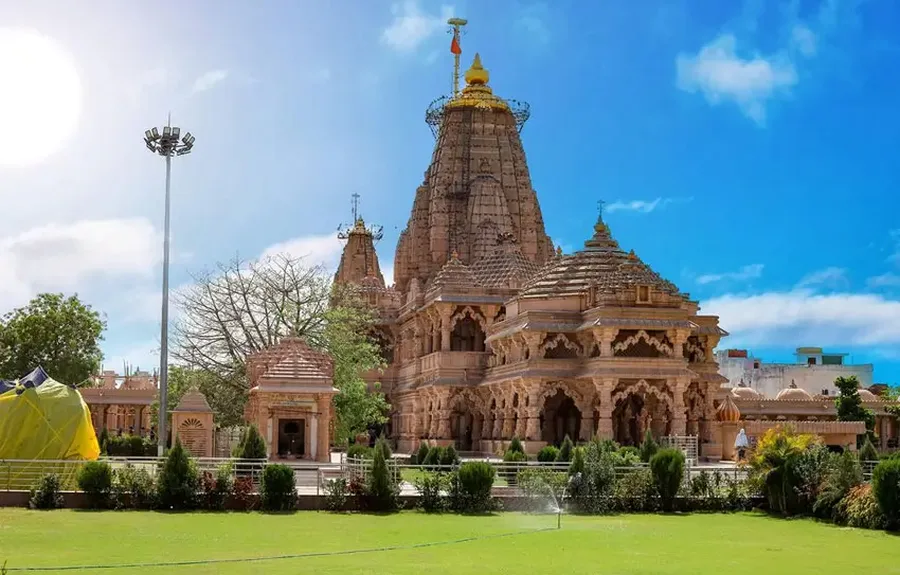
Beyond the famous desert cities lies a greener Rajasthan of lakes, wooded hills and small royal capitals that most visitors never reach. The...
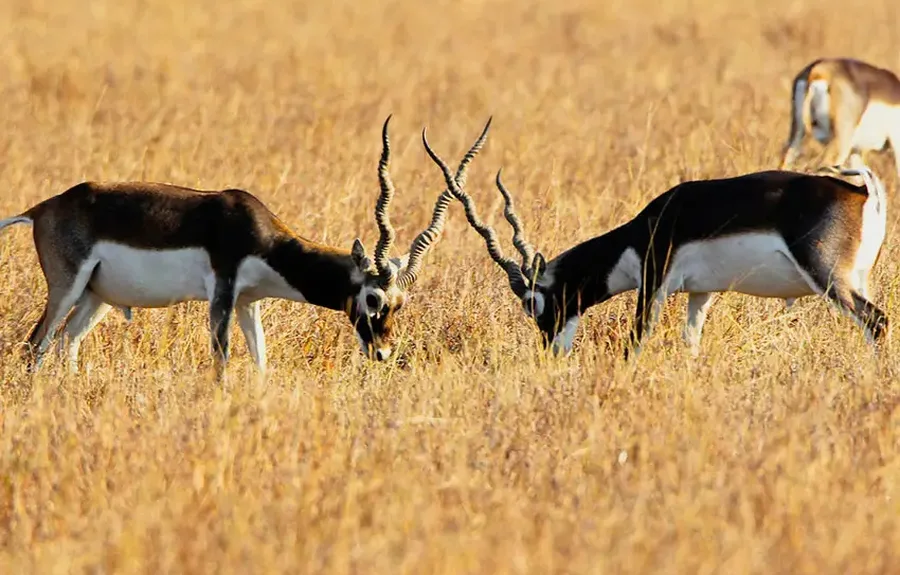
More than 500 bird species have been recorded in Rajasthan, from wintering cranes and pelicans on the wetlands of the east to sandgrouse,...
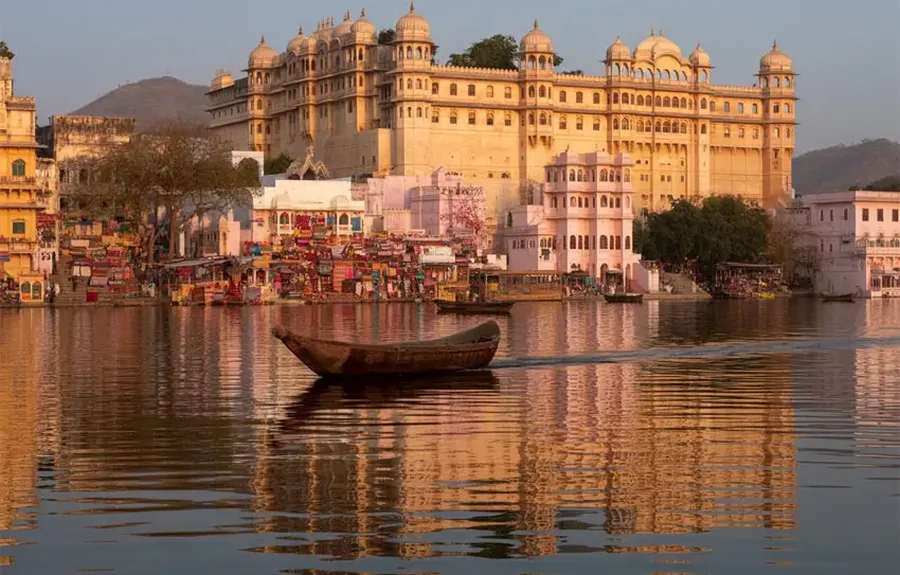
Rajasthan rewards patience, and the Rajasthan Tour for Senior Travelers is designed to let you enjoy it without strain. Over 11 nights and...

Almost every village in Rajasthan is known for a craft, and many of them are still practised by hand in family workshops, exactly...
Most visitors see Rajasthan through a car window between one fort and the next. The Rajasthan Slow Travel Tour takes the opposite approach...
Lamps on every ghat, palaces outlined in light and fireworks reflected in still water make Diwali in Udaipur one of the loveliest festival...
Holi arrives with the full moon of Phalgun, usually in March, when winter ends, the wheat turns gold and the whole of North...
Desert cooking is a cuisine of clever survival. With little water and few fresh vegetables, Rajasthani cooks built a whole kitchen around dried...
Turbans in saffron and magenta, indigo walls, golden sandstone and white marble reflected in still lakes: Rajasthan may be the most colourful state...
For a few days each autumn, around 50,000 camels, horses and cattle gather on the sands outside a small holy town, along with...