Jaipur - Pushkar - Bikaner - Jodhpur - Udaipur
Desert cooking is a cuisine of clever survival. With little water and few fresh vegetables, Rajasthani cooks built a whole kitchen around dried beans, berries, millet, ghee, buttermilk and spice, and the results range from fiery laal maas to the syrupy ghewar served at festivals. The Rajasthan Food and Culinary Tour follows those flavours across 9 nights and 10 days through Jaipur, the holy town of Pushkar, the snack capital of Bikaner, the blue city of Jodhpur and the lake city of Udaipur. Each stop includes hands-on cooking with local families, guided street food walks and visits to the markets, dairies and sweet shops behind the dishes.
Sightseeing is still part of every day, with the main forts and palaces included, but the pace leaves time for long lunches and evening tastings. A private car with an English-speaking driver carries you between the cities, and food-loving local guides lead the walks. In Jaipur, you also help prepare fruit and sugarcane for rescued elephants on a day visit with elephants at Elefantastic. Food lovers who also want to shop for spices and textiles can compare the Rajasthan Textile and Handicraft Tour, and all routes are listed with our Rajasthan tour packages.
Package Highlights
• Evening street food walk in Jaipur's old city and Masala Chowk
• Cooking class in a Jaipur family home: dal baati churma and gatte ki sabzi
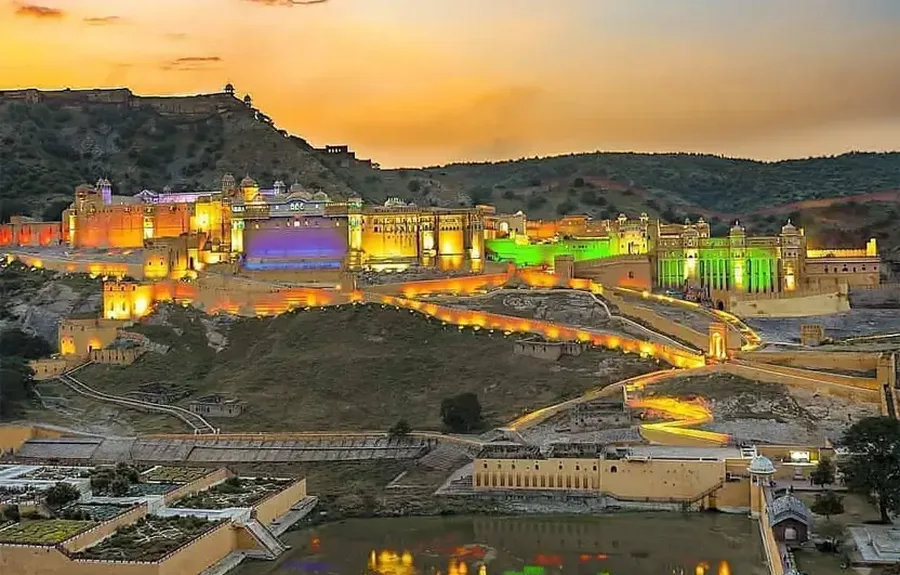
• Feeding rescued elephants at Elefantastic and Amber Fort
• Sattvic thali and malpua in vegetarian Pushkar, with sohan halwa in Ajmer
• Bhujia workshop, rasgulla and camel milk tasting in Bikaner
• Mirchi bada and makhaniya lassi in Jodhpur, plus a laal maas cooking demonstration
• Bishnoi village lunch of bajra roti cooked on a wood fire
• Mewari cooking class and lakeside dinner in Udaipur
Your culinary tour begins in Jaipur, where our representative meets you at the airport, the railway station or your Delhi hotel, depending on how you arrive. Your private car and driver take you to your hotel in the city, which may be a heritage haveli with painted courtyards and a rooftop terrace. Check in and rest for a few hours. Jaipur has direct flights from Delhi, Mumbai and several Gulf cities, and the road trip from Delhi takes about five to six hours. Your driver will stay with you all the way to Udaipur.
In the evening, meet your food guide for a street food walk through the old walled city, the best way to start a food tour of Rajasthan. Begin with a hot pyaaz kachori, a flaky pastry stuffed with spiced onion, at Rawat Mishthan Bhandar, one of the most famous snack shops in the city. Then walk through the lanes of Johari Bazaar to try ghewar, a honeycomb-like sweet soaked in syrup and topped with cream, at LMB, a vegetarian restaurant and sweet shop open since 1727. Each stop is small, so you can taste many dishes without feeling too full.
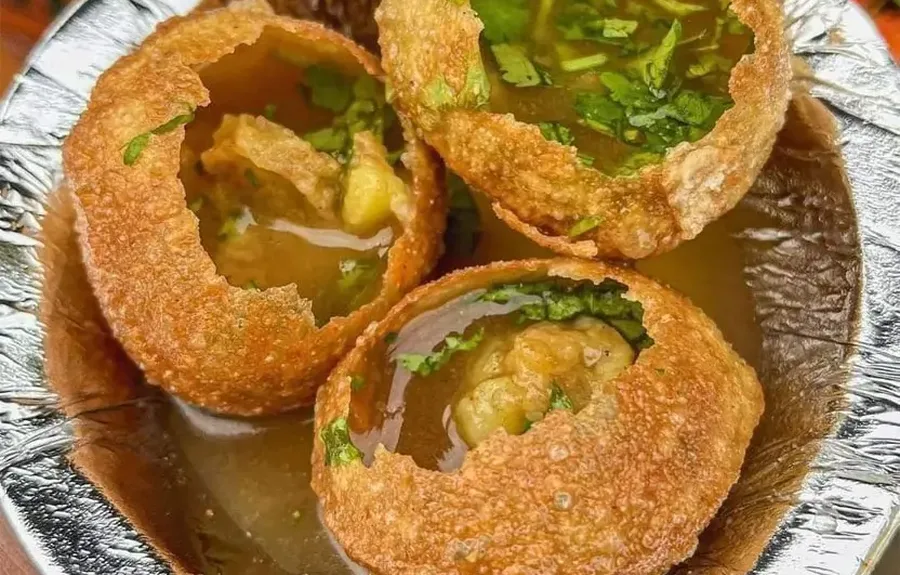
End the walk at Masala Chowk, an open-air food court next to Ram Niwas Garden, where some of Jaipur's best-known street food stalls serve chaat, dosa, kulfi and golgappe under one roof, with clean seating and fair prices. Your guide explains the history and ingredients of each dish and the role of food in Rajasthani culture, from festivals to weddings. Return to your hotel in the late evening. Our coordinator will meet you at breakfast to hand over your vouchers and a 24-hour helpline number. Overnight stay at your hotel in Jaipur.
After breakfast, visit Amber Fort, the hilltop palace of the Kachwaha Rajputs, about 11 km from the city. A jeep takes you up to the main courtyard, and your guide shows you the Diwan-i-Am, the Sheesh Mahal and the old royal kitchens, explaining how food was prepared for the court, with separate cooks for the king, the queens and the guests. On the way back, stop for photographs of Jal Mahal and for a glass of fresh sugarcane juice from a roadside stall, pressed in front of you on an old iron machine.
In the afternoon, join a cooking class in a local family home, where the lady of the house welcomes you into her kitchen and teaches you to make classic Rajasthani dishes. You learn to knead and bake baati, hard wheat balls cooked over coals and dipped in ghee, served with dal and churma, a sweet crumble of wheat, ghee and sugar. You also cook gatte ki sabzi, gram flour dumplings in a spicy yoghurt curry, and learn how to balance the spices that give Rajasthani food its character. Then sit down with the family to share the meal you made.
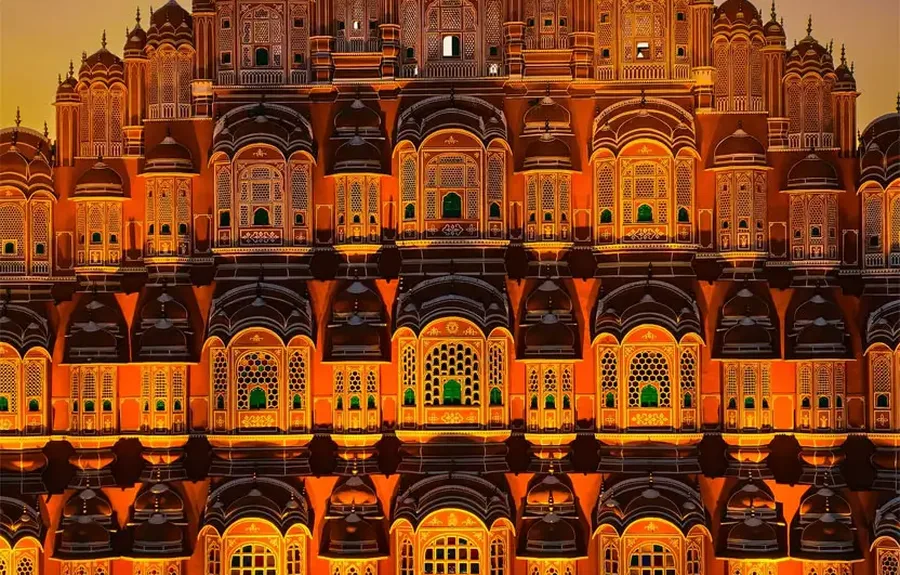
In the late afternoon, visit the City Palace and Jantar Mantar, a UNESCO World Heritage Site, and photograph the Hawa Mahal from a rooftop café opposite while sipping a cup of masala chai. In the evening, if you still have room, stop at the famous Lassiwala on MI Road, which has been serving thick, creamy lassi in clay cups since 1944. Return to your hotel for a light dinner or simply rest. Your driver will confirm the time for the elephant visit tomorrow morning. Overnight stay at your hotel in Jaipur.
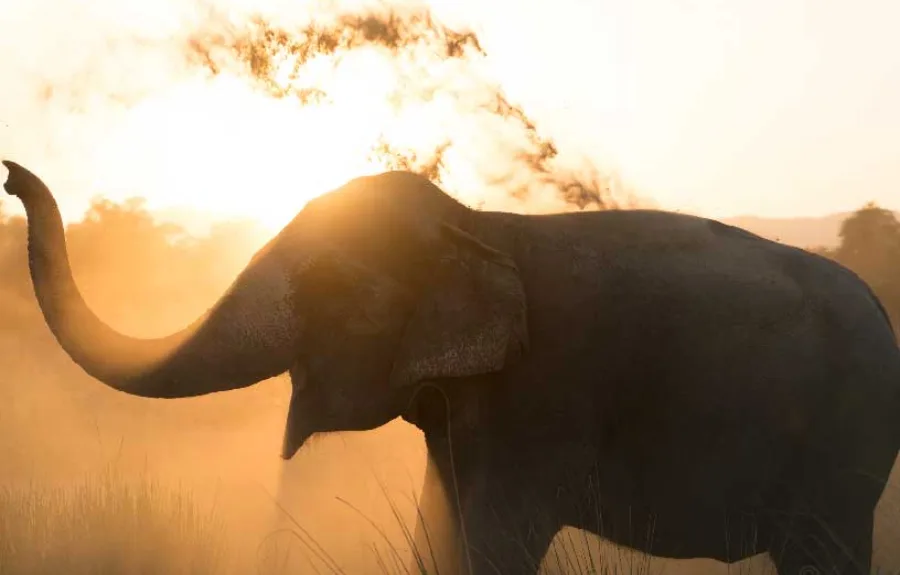
This morning, the Elefantastic team picks you up from your hotel for a hands-on session at their sanctuary on the outskirts of Jaipur. Food is at the heart of this visit too, as you help prepare a basket of bananas, sugarcane and seasonal fruit for your elephant. Each guest is paired with one elephant, and the keepers explain how much an elephant eats each day, often well over 150 kg of food, and how its diet keeps it healthy. Then you feed your elephant by hand, a calm and joyful moment in a quiet, green setting.
After feeding, walk with your elephant and help with bath time, splashing and scrubbing as it relaxes in the water. There are no rides, no chains and no shows at Elefantastic, and everything follows the elephants' own pace. Wear clothes that can get wet and keep a change in the car. Please book only through official Elefantastic channels, as the sanctuary is not located in Hathi Gaon (Elephant Village). Guests who want more time with the herd can ask about the night stay with elephants. The team then returns you to your hotel.
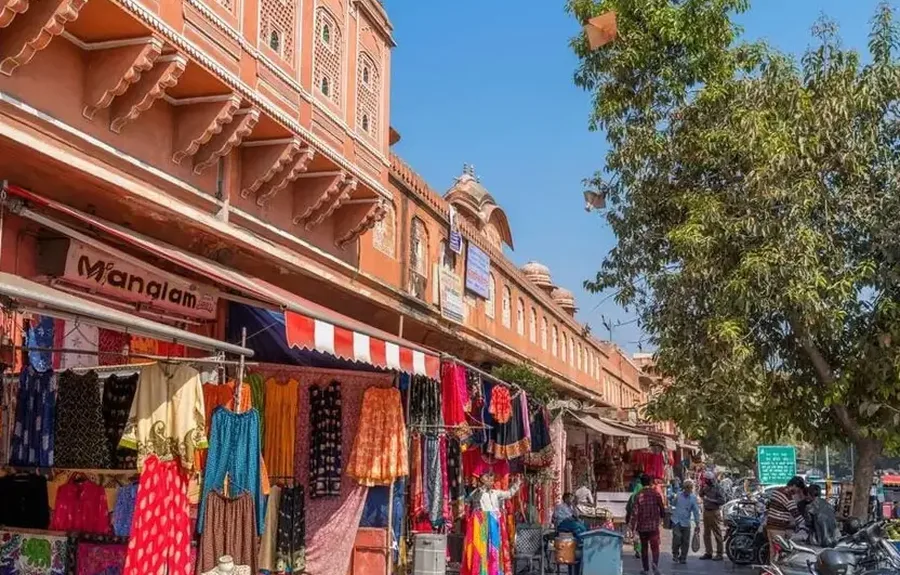
In the afternoon, your food guide takes you on a spice market walk through the old city, starting at Chandpole Bazaar, where sacks of red chillies, turmeric, cumin, coriander and dried fenugreek leaves line the shops. You learn how to choose good spices, how they are ground and blended, and which ones are essential to Rajasthani cooking. Visit a small mill where spices are ground fresh, and buy some to take home. In the evening, enjoy a heritage dinner at a royal haveli, with a Rajasthani thali and folk music. Overnight stay at your hotel in Jaipur.
After breakfast, drive about 135 km to Ajmer, a trip of around two and a half hours. Ajmer is famous for the Dargah Sharif of the Sufi saint Khwaja Moinuddin Chishti, and the market lanes around the shrine are full of shops selling sohan halwa, a dense, chewy sweet made with wheat, ghee, sugar and nuts, which pilgrims buy as an offering and a gift. Your guide takes you to a traditional halwai shop to see it being made in large iron pans. You may also visit the shrine, where heads must be covered.
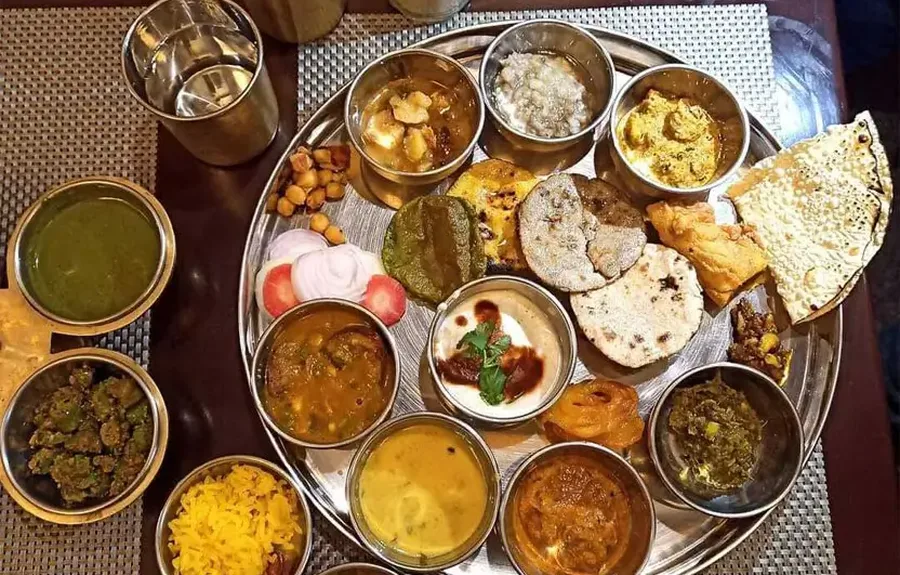
Cross the Nag Pahar hills to Pushkar, only 15 km away, and check in at your hotel. Pushkar is a holy town where meat, eggs and alcohol are not allowed, so its kitchens have perfected vegetarian food. For lunch, enjoy a sattvic thali, a meal prepared without onion or garlic according to temple traditions, with several dals, vegetables, rotis, rice and sweets served on a metal plate. Then visit a sweet shop in the bazaar to see malpua, a sweet pancake fried in ghee and soaked in sugar syrup, being made fresh in large pans.
Pushkar's cafés also reflect the many travellers who have passed through over the years, and you will find surprising dishes such as falafel and hummus made by local cooks who learned them from Israeli visitors. In the late afternoon, walk around the ghats of Pushkar Lake and visit the Brahma Temple, one of the very few in the world dedicated to the creator god. At sunset, watch the evening aarti on the ghats, then enjoy dinner at a rooftop café overlooking the lake and the lit-up temples. Overnight stay at your hotel in Pushkar.
After an early breakfast, drive north about 250 km to Bikaner, which takes around five hours through the semi-desert landscape of central Rajasthan, with camel carts, herds of goats and villages of mud and stone along the road. Your driver will stop for tea at a roadside dhaba, where you can watch cooks rolling and frying fresh kachoris and samosas in giant pans. Lunch is at a highway restaurant. Bikaner is famous across India for its snacks and sweets, and its name has become a brand for packaged namkeen sold all over the country.
Arrive in Bikaner in the early afternoon and check in at your hotel, which may be part of a former royal palace. In the late afternoon, your food guide takes you to a small bhujia workshop in the old city, where workers press a dough of moth bean and gram flour, spiced with black pepper, cloves and other secret blends, through iron sieves into bubbling oil. Bikaneri bhujia has a protected Geographical Indication status, and the best is still made by hand. You can taste it hot from the pan and buy fresh packets to take home.
In the evening, walk through the lanes of the old city, stopping at the famous sweet shops for rasgulla, soft balls of cheese soaked in syrup, and ghevar, which is also popular here. Try Bikaneri kachori stuffed with spiced lentils and served with a tangy chutney. Your guide explains the merchant culture of Bikaner and how its food reflects the long caravan trips across the desert, with snacks that keep for days. Dinner is a light meal at your hotel or a local restaurant serving Bikaneri dishes. Overnight stay at your hotel in Bikaner.
Start the day with a street breakfast in the old city, where locals gather at small stalls for hot kachoris, jalebis and sweet milky tea. Your guide introduces you to the stall owners, many of whom have been cooking the same dishes for generations. Then visit Junagarh Fort, built in the late 16th century and never captured by an enemy. Its palaces are richly decorated with gold leaf, lacquer and paintings, and your guide explains the royal kitchens, banquets and the role of food in Rajput hospitality and ceremonies.
In the late afternoon, visit the National Research Centre on Camel, about 8 km from the city, where hundreds of camels return from grazing in the desert at sunset. The centre has a café and a dairy shop that sells camel milk products, including ice cream, kulfi, coffee and lassi. Camel milk is lower in fat than cow's milk and has been part of the desert diet for centuries. Your guide explains how herders use camel milk and how the centre is working to make it more widely available.
In the evening, enjoy a cooking demonstration at a heritage haveli, where the cook prepares ker sangri, a tangy dish made from dried desert berries and beans, and papad ki sabzi, a curry of crisp lentil wafers in spicy yoghurt, both classic desert dishes created when fresh vegetables were scarce. You learn how these dried ingredients are collected, stored and cooked. Then enjoy a full Bikaneri dinner with the dishes you have watched being made. Pack your bags tonight for tomorrow's drive to Jodhpur. Overnight stay at your hotel in Bikaner.
After breakfast, drive south-west about 250 km to Jodhpur, around five hours through the desert landscape. Along the way, stop at a village to see women grinding millet on stone wheels and cooking bajra roti, a thick flatbread made from pearl millet, on clay stoves, a staple of the desert diet. Lunch is at a roadside restaurant. Arrive in Jodhpur in the early afternoon and check in at your hotel, ideally a haveli in the old city with views of Mehrangarh Fort, which towers over the blue houses below.
In the late afternoon, your food guide leads a street food walk around the Clock Tower and Sardar Market, the busy heart of old Jodhpur. Start with a mirchi bada, a large green chilli stuffed with spiced potato, coated in gram flour batter and deep-fried, then try pyaaz kachori and mawa kachori, a sweet version filled with milk solids and dipped in syrup. At Shri Mishrilal Hotel near the clock tower, sip a glass of makhaniya lassi, a thick, creamy yoghurt drink flavoured with saffron and cardamom and topped with butter.
Continue to the spice and dry fruit stalls of the market, where traders sell chillies, saffron, dried fruits and nuts, and your guide explains the role of Jodhpur's famous Mathania chillies, prized for their deep red colour. As the sun sets, climb to a rooftop restaurant to watch Mehrangarh Fort glow golden and then light up after dark. Enjoy a dinner of Marwari specialities, such as gatte ka pulao and panchkuta, a mix of five desert ingredients cooked together. Overnight stay at your hotel in Jodhpur.
After breakfast, visit Mehrangarh Fort, one of the largest forts in India, built from 1459 on a sheer rock above the city. Its palaces are decorated with carved stone screens, mirrored halls and painted ceilings, and the museum displays palanquins, howdahs, weapons and turbans. Your guide explains the royal kitchens of the fort and the dishes that were prepared for feasts and hunts. The views over the blue city from the ramparts are superb. Then drive about 25 km to a Bishnoi village, home to a community famous for protecting nature.
In the village, a Bishnoi family welcomes you into their home for a traditional lunch, cooked on a wood fire in their courtyard. You may help roll bajra roti, made from pearl millet, which is served with ghee, jaggery, buttermilk and a simple curry of seasonal vegetables. Before the meal, the family may also offer kesar doodh, warm milk with saffron, a traditional welcome for guests in many Marwari homes. After lunch, see the village potters and weavers at work, and look out for blackbuck antelope grazing near the fields.
Return to Jodhpur in the late afternoon. In the evening, join a cooking demonstration of laal maas, the famous fiery red mutton curry of Rajasthan, originally made with game meat by Rajput hunters. The cook explains how the dish gets its colour and heat from Mathania chillies, and how it is slow-cooked with ghee, garlic and yoghurt. Vegetarians can learn to make ker sangri or gatte instead. Then enjoy dinner with the dishes you have watched being made, at a rooftop terrace facing the illuminated fort. Overnight stay at your hotel in Jodhpur.
After breakfast, drive about 170 km to Ranakpur, a trip of around three and a half hours through the green Aravalli hills. Visit the Chaumukha Jain Temple, built in the 15th century from white marble with 1,444 carved pillars, open to non-Jain visitors from around 12:00 pm. Your guide explains Jain food rules, which forbid meat, eggs, root vegetables and eating after sunset, all based on the principle of non-violence. Enjoy a simple Jain thali lunch at the temple dining hall or a nearby resort, prepared according to these strict rules.
Continue to Udaipur, about two hours away, and check in at your hotel near the lakes. In the late afternoon, join a Mewari cooking class with a local family or chef, where you learn to cook dishes from the Mewar region, such as dal baati, kadhi made with yoghurt and gram flour, aloo pyaaz and makki ki roti. Mewari food is a little milder than that of the desert, with more fresh vegetables and dairy. You also learn to make chapati and paratha on a flat iron pan, and to temper spices in hot ghee.
In the evening, enjoy a farewell dinner at a lakeside restaurant overlooking Lake Pichola, where the lights of the City Palace and the Lake Palace shimmer on the water. Many restaurants here serve Rajasthani thalis alongside international dishes, and the setting is one of the most romantic in India. Your food guide can recommend a few dishes to try, such as Mewari laal maas, safed maas, a white mutton curry made with cream and cashews, or dal pakwan. Overnight stay at your hotel in Udaipur.
After a breakfast of poha and jalebi from a street stall, visit the City Palace and enjoy a short boat ride on Lake Pichola before your transfer to Udaipur airport. For a festival-season visit with more sweets, see our Rajasthan Diwali Festival Tour.
Our assorted tours, for your first, second or nth time to India!
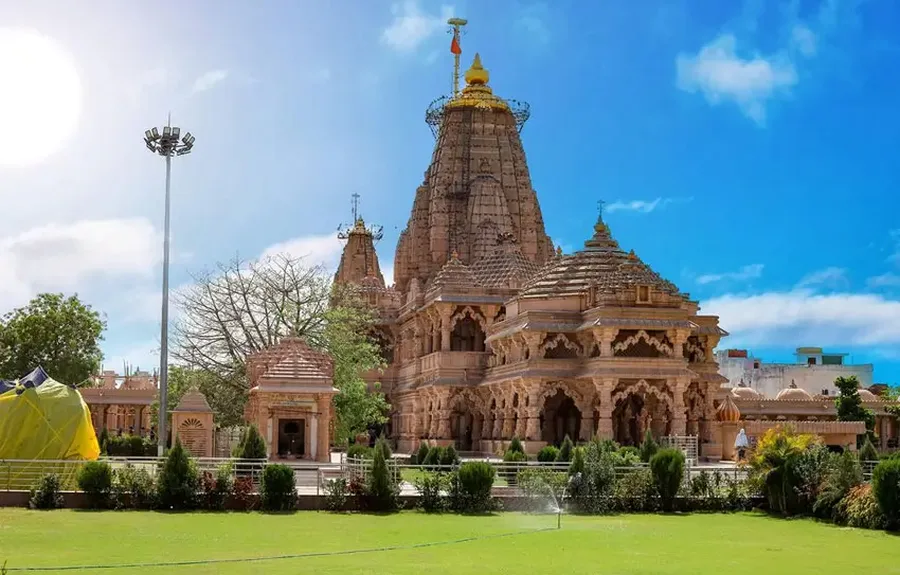
Beyond the famous desert cities lies a greener Rajasthan of lakes, wooded hills and small royal capitals that most visitors never reach. The...
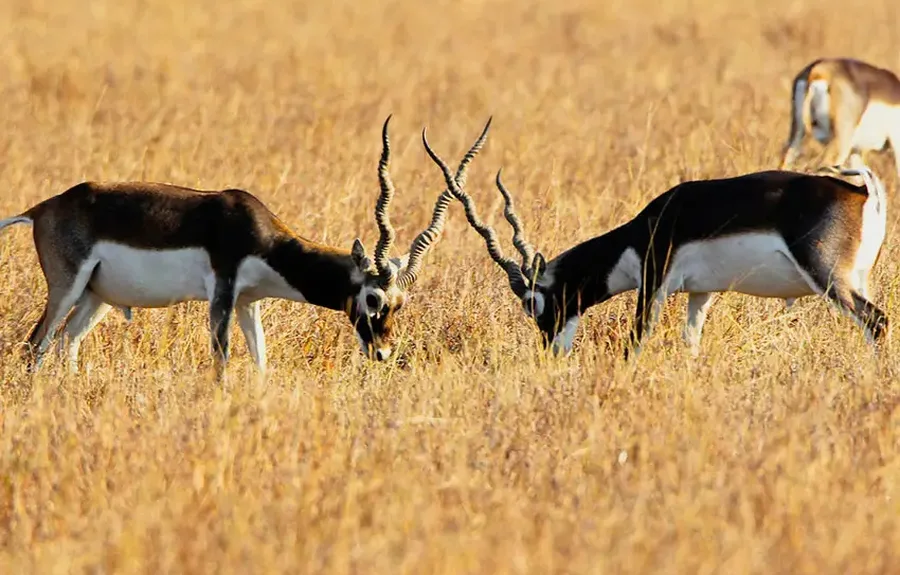
More than 500 bird species have been recorded in Rajasthan, from wintering cranes and pelicans on the wetlands of the east to sandgrouse,...
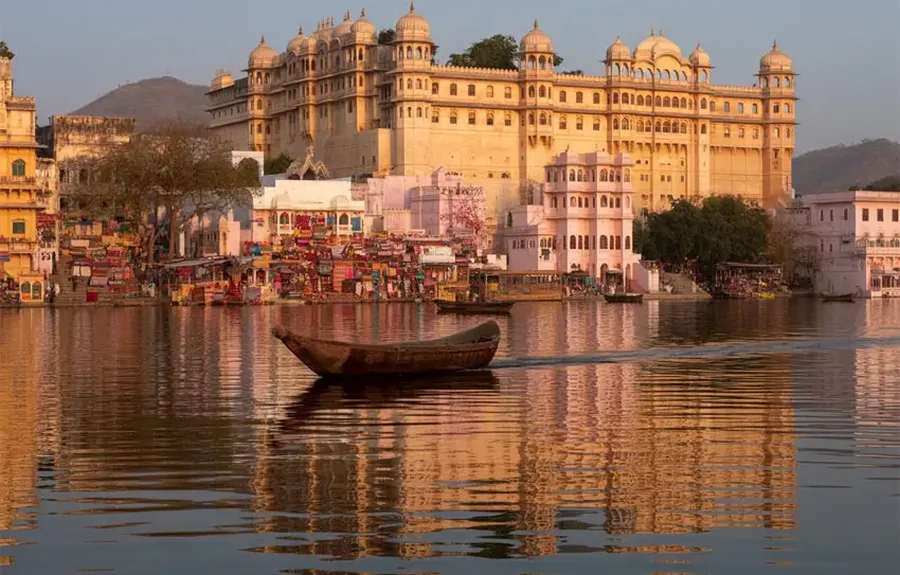
Rajasthan rewards patience, and the Rajasthan Tour for Senior Travelers is designed to let you enjoy it without strain. Over 11 nights and...
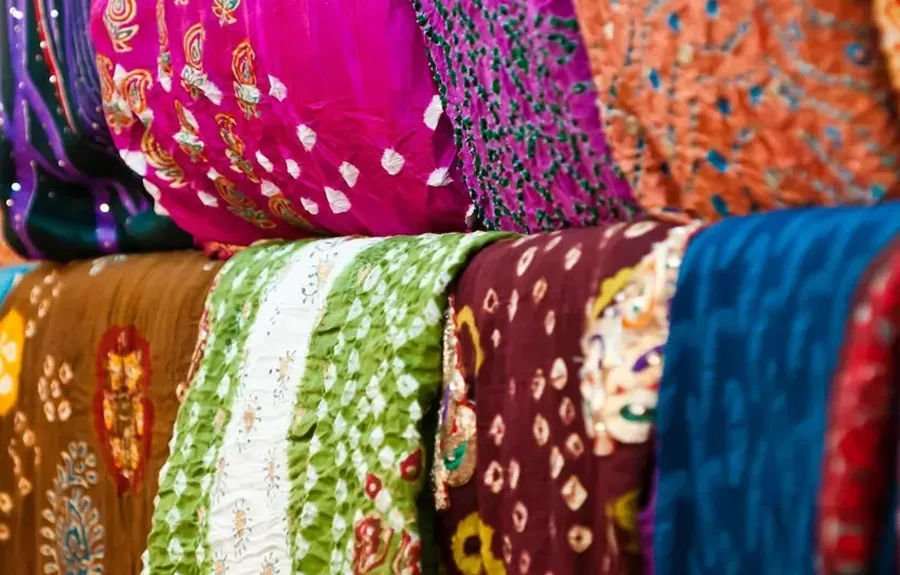
Almost every village in Rajasthan is known for a craft, and many of them are still practised by hand in family workshops, exactly...
Most visitors see Rajasthan through a car window between one fort and the next. The Rajasthan Slow Travel Tour takes the opposite approach...
Lamps on every ghat, palaces outlined in light and fireworks reflected in still water make Diwali in Udaipur one of the loveliest festival...
Holi arrives with the full moon of Phalgun, usually in March, when winter ends, the wheat turns gold and the whole of North...
Desert cooking is a cuisine of clever survival. With little water and few fresh vegetables, Rajasthani cooks built a whole kitchen around dried...
Turbans in saffron and magenta, indigo walls, golden sandstone and white marble reflected in still lakes: Rajasthan may be the most colourful state...
For a few days each autumn, around 50,000 camels, horses and cattle gather on the sands outside a small holy town, along with...