Delhi - Agra - Jaipur - Pushkar - Jodhpur - Varanasi
Light decides everything on the Golden Triangle Photography Tour India, so the days are built around sunrise and sunset rather than opening hours. Over 11 nights and 12 days, you shoot the Mughal monuments of Delhi and Agra in their best light, the geometric stepwells and pink facades of Jaipur, the whitewashed ghats of Pushkar, the indigo lanes below Mehrangarh Fort in Jodhpur and the river of faith at Varanasi, one of the most photographed cities on Earth. Midday hours are kept for rest, editing and travel, while early mornings and late afternoons are spent in the field.
A private car with an English-speaking driver gives total flexibility to stop for a scene, and local photographer-guides lead dawn walks in Old Delhi, Jodhpur and Varanasi, helping with access, permissions and respectful portrait etiquette. In Jaipur, a morning at the Elefantastic elephant sanctuary offers close, natural frames of rescued elephants feeding and bathing, without rides or chains. Photographers who prefer a slower Rajasthan-only route can look at our Rajasthan Photography Tour, and those focused on the sacred river may also like the Golden Triangle Tour with Varanasi.
Package Highlights
• Dawn photo walk through Old Delhi and the spice-market rooftops of Khari Baoli
• Taj Mahal from Mehtab Bagh at sunset and from the main gardens at sunrise
• Panna Meena Ka Kund stepwell, Patrika Gate and Hawa Mahal in Jaipur
• Close, natural images of rescued elephants at Elefantastic
• Sadhus, ghats and the evening aarti at Pushkar Lake
• Blue lanes of Brahmpuri and Mehrangarh Fort at first light in Jodhpur
• Toorji Ka Jhalra stepwell and the Clock Tower market
• Ganga Aarti from a boat and a sunrise row along the ghats of Varanasi
Our representative meets you at the arrivals exit of Indira Gandhi International Airport with a name board, and your driver loads your bags and camera cases carefully into the car. The drive to the hotel takes about 45 minutes to an hour. Indian customs generally allow personal camera equipment without special paperwork, but carrying a simple list of serial numbers is a good idea for high-value lenses. Drones, however, need government registration and permits, and they are banned near all protected monuments and airports, so we advise leaving them at home for this tour.
Check in at your hotel from 2:00 pm, or book the room from the previous night for early arrivals. Use the afternoon to rest, charge batteries and organise memory cards. Delhi's late-afternoon light is warm, and if you feel up to it, a short walk around the Sunder Nursery or Lodhi Garden is a gentle warm-up, with crumbling Lodi-era domes, parakeets and people doing yoga under the trees. Keep your first evening light, because tomorrow's photo walk starts before sunrise in the narrow lanes of the old city.
Our coordinator meets you in the evening to go over the shooting schedule, sunrise and sunset times for each city and the best angles at each location. You will also receive your vouchers, domestic flight tickets and a 24-hour helpline. Tripods are not allowed inside the Taj Mahal and several other monuments, though a small travel tripod can be used at Mehtab Bagh, the ghats and in open streets. Some sites charge a separate camera or video fee, and your guide will handle these tickets at the gate for you. Overnight stay at your hotel in Delhi.
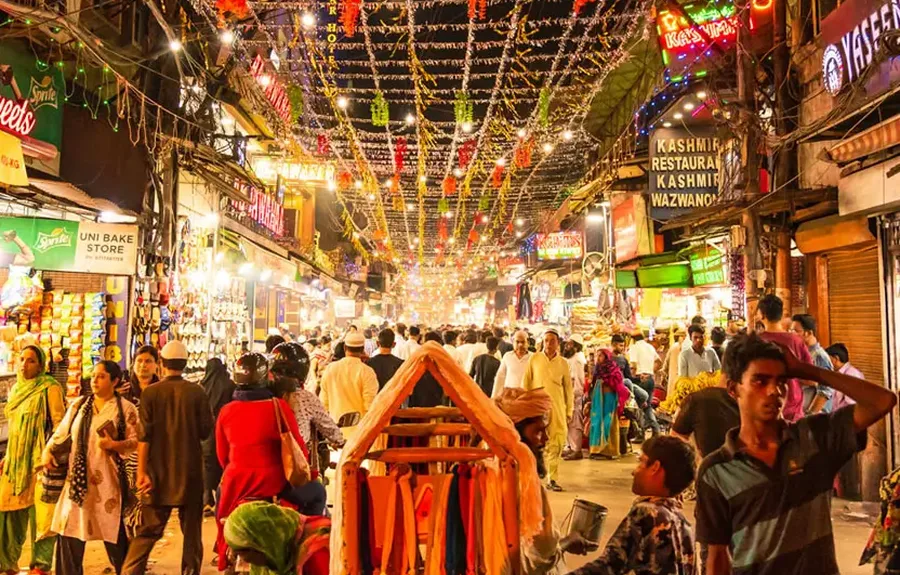
Meet your photographer-guide at about 6:00 am for a dawn walk through Old Delhi, when the lanes are quiet and the light filters softly between the old buildings. Start at the steps of the Jama Masjid as the first worshippers arrive, then wander into Chandni Chowk as shops open, chai sellers light their stoves and porters carry loads on their heads. Your guide knows the shopkeepers and the families who live here, which makes it easier to ask for portraits. The walk ends at the Khari Baoli spice market, with sacks of red chillies and turmeric in deep colours.
From Khari Baoli, your guide takes you up a narrow staircase to the rooftop of the Gadodia Market, a 1920s building whose terrace offers a sweeping view over the old city, with the domes of the Fatehpuri Masjid in the foreground and the Red Fort beyond. The spice dust in the air can make you sneeze, so a scarf over the nose helps. After the walk, return to the hotel for breakfast and a rest during the harsh midday light. This is a good time to back up your images and review the morning's work.
In the late afternoon, visit Humayun's Tomb, the 16th-century Mughal garden tomb that inspired the Taj Mahal, timed for the golden hour before sunset. The red sandstone glows warm against the sky, and the long water channels create strong leading lines and reflections. Arches, lattice screens and the smaller tombs in the gardens make for great compositions. Stay until the light fades, then return to the hotel for dinner. Your guide will share tips on the best angles for the Taj Mahal and the timings for the next two days. Overnight stay at your hotel in Delhi.
After breakfast, drive to Agra on the Yamuna Expressway, about three and a half to four hours, and check in at your hotel. Spend the middle of the day resting or enjoying the hotel's views, since many Agra hotels have rooftop terraces with a distant view of the Taj Mahal. If you are interested in craft photography, your guide can take you to a marble inlay workshop, where close-up shots of hands cutting tiny pieces of stone make for strong, detailed images. Agra's old markets near the Jama Masjid are also lively in the afternoon.
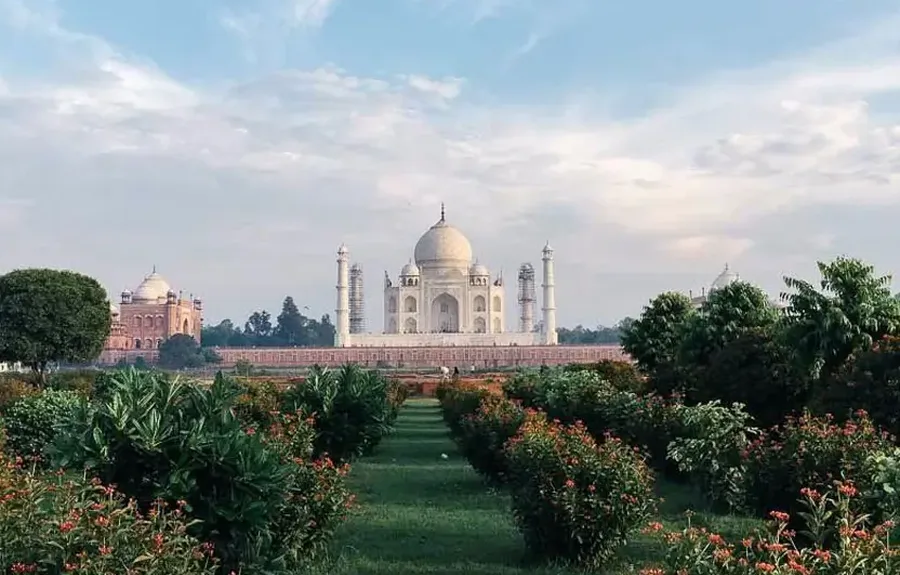
In the late afternoon, visit Agra Fort, where the red sandstone walls, arched corridors and white marble pavilions provide plenty of frames. The Musamman Burj and the Khas Mahal have views of the Taj Mahal across the river, and the patterns of light and shadow in the courtyards are excellent for architectural shots. Spend around an hour and a half here, then cross the Yamuna to Mehtab Bagh, the Moonlight Garden, directly opposite the Taj. A small tripod is allowed here, and it is the best place for sunset images of the monument.
From the riverside wall of Mehtab Bagh, you can frame the Taj Mahal with the river in the foreground, and on calm evenings its reflection appears in the water. As the sun sets, the marble shifts through gold, pink and blue tones. Local boatmen sometimes take visitors to the riverbank near the Dussehra Ghat for a closer view, which your guide can arrange if conditions allow. Stay until blue hour, when the sky turns deep blue and the monument glows faintly. Return to your hotel for dinner and an early night. Overnight stay at your hotel in Agra.
Wake early and be at the east gate of the Taj Mahal before it opens, about 30 minutes before sunrise, to be among the first in line. Once inside, head straight to the central water channel for the classic symmetrical shot before the crowds arrive. Tripods are not allowed, so a steady hand or a higher ISO will help in the low light. Then walk around to the side gardens and the mosque, where the red sandstone arches frame the white dome beautifully. The monument is closed on Fridays, and only phones, cameras and small bags are permitted.
After breakfast and check-out, drive about an hour to Fatehpur Sikri, the red sandstone capital of Akbar. The midday light is harsh, but the deep shadows of the colonnades, carved pillars and lattice screens create strong graphic images. The Panch Mahal, the Diwan-i-Khas with its single carved pillar and the white marble tomb of Salim Chishti are the main subjects. Local boys sometimes jump into the deep tank by the Buland Darwaza for tips, a dramatic sight, though you may prefer not to encourage it. Allow about an hour and a half.
Continue to Jaipur, a drive of about four hours through the farmland of eastern Rajasthan. The road offers plenty of roadside scenes, such as camel carts, women in bright odhnis carrying water and colourful trucks painted with slogans and patterns, and your driver will stop whenever you spot a picture. Arrive in Jaipur in the early evening and check in at your hotel, ideally a heritage haveli with painted walls and courtyards that are themselves wonderful to photograph. Dinner is at leisure. Overnight stay at your hotel in Jaipur.
Start at sunrise at Panna Meena Ka Kund, a 16th-century stepwell near Amber whose criss-crossing staircases form one of the most striking geometric patterns in India. Early light skims across the steps, creating strong shadows, and there are few visitors at this hour. Note that walking on the steps is not allowed. Next, visit Amber Fort as it opens at 8:00 am, when the low sun lights up the honey-coloured walls. Inside, the Sheesh Mahal, the Ganesh Pol and the views over Maota Lake offer many compositions, and the jeep ride up avoids the slow climb on foot.
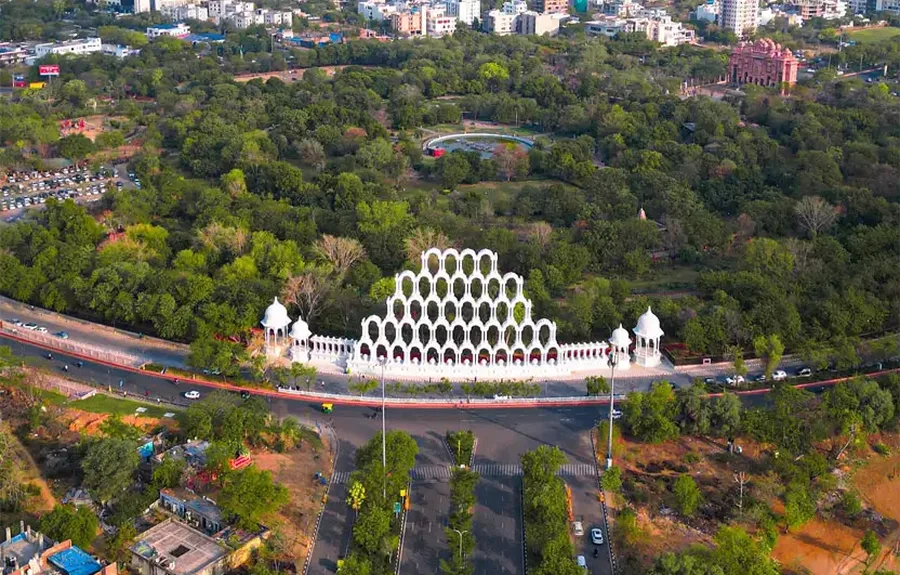
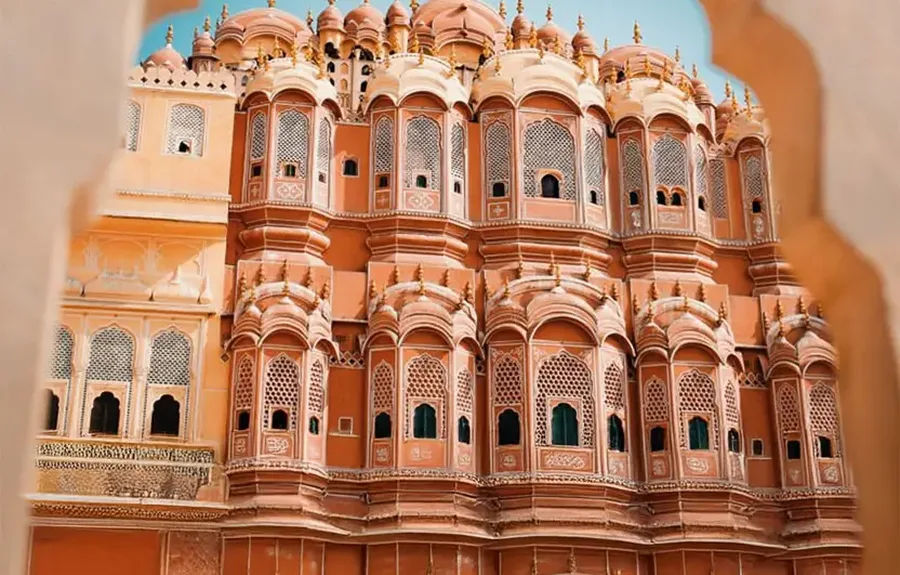
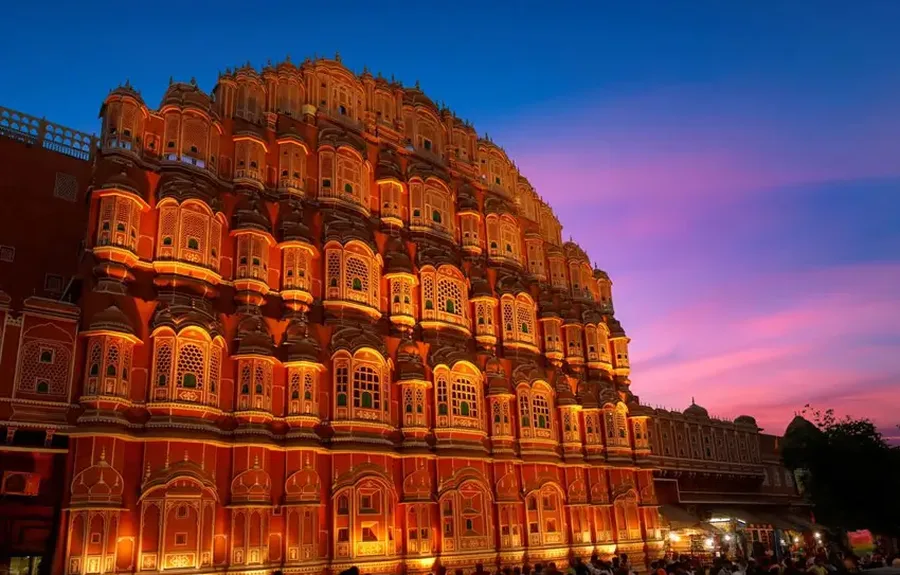
Return to the city for a midday rest, then visit Patrika Gate at Jawahar Circle in the afternoon, a modern gateway whose arches, pillars and ceilings are painted in bright, detailed patterns, very popular with photographers and best visited on a weekday to avoid crowds. Later, head to the old city for the Hawa Mahal, photographed from the rooftop of one of the cafés across the road, where the pink facade fills the frame. Street scenes around the Badi Chaupar square, with flower sellers, rickshaws and local life, add colour to your collection.
End the day at Nahargarh Fort on the ridge above the city, where the western terrace offers a sweeping view of Jaipur at sunset as the city lights come on below. A tripod is useful here for long exposures during blue hour. The fort's café and restaurant are a pleasant spot for a drink while you wait for the light to change. Return to your hotel for dinner and a review of the day's images. Your guide will confirm the timings for tomorrow's elephant visit, which offers some of the most intimate images of the tour. Overnight stay at your hotel in Jaipur.
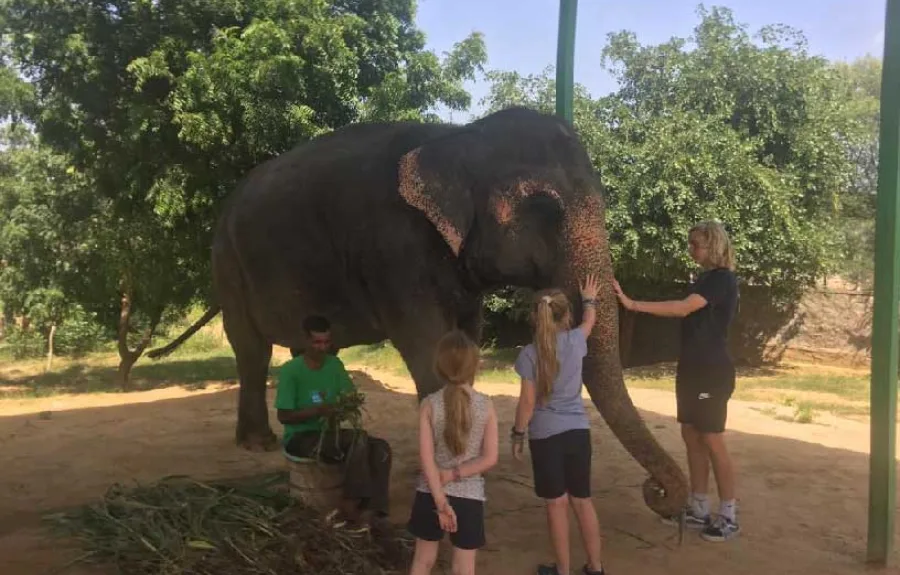
This morning, the Elefantastic team picks you up from your hotel for a day visit with elephants at their sanctuary on the edge of Jaipur. Each guest spends the morning with one elephant, which means close, unhurried frames as you feed it fruit and sugarcane, walk beside it and help with bath time. The textures of the skin, the eyes and the trunks in water make wonderful subjects, and the soft morning light is kind to portraits. There are no rides, chains or shows, so all images show the elephants behaving naturally and calmly.
Bath time is especially photogenic, with water spraying and the elephants clearly enjoying themselves. Protect your camera with a rain cover or plastic bag, and wear clothes that can get wet. Keep a wide lens for environmental shots and a short telephoto for details and expressions. For a future visit, Elefantastic also offers a night stay with elephants, which can give unique low-light and dawn images. Please book only through official channels, as the sanctuary is not in Hathi Gaon (Elephant Village). The team drops you back at the hotel.
In the late afternoon, your guide leads a street photography walk through the craft lanes of the old city, where artisans work in tiny workshops. In Chandpole and Kishanpole bazaars, you can photograph marble carvers, lac bangle makers heating colourful resin over coal fires, and kite makers stretching paper over bamboo frames. Always ask before taking portraits, and a smile goes a long way. The golden light on the pink buildings at this hour is ideal. Return to your hotel for dinner and pack for tomorrow's drive to Pushkar. Overnight stay at your hotel in Jaipur.
After breakfast, drive about three hours to Pushkar, a small holy town set around a sacred lake on the edge of the Thar Desert. Along the way, the countryside offers images of village life, camel carts and fields. Check in at your hotel, ideally one with a rooftop view of the lake, and rest during the midday hours. Pushkar is one of the most photogenic towns in Rajasthan, with 52 whitewashed ghats, colourful temples and narrow lanes filled with pilgrims, sadhus and shopkeepers. Remember that it is a holy town where meat and alcohol are not served.
In the afternoon, your guide takes you along the ghats of Pushkar Lake. Photography of people bathing is not permitted on the ghats, and some priests may ask for donations, so your guide will explain the local etiquette and help you find respectful vantage points. The sadhus, holy men with painted faces and long matted hair, often agree to portraits in exchange for a small tip, and your guide can help with the conversation. The play of light on the white ghats and the blue water is lovely in the late afternoon.
As the sun sets, find a spot on a ghat or a rooftop café to photograph the evening aarti, when priests wave flaming lamps over the lake to the sound of bells and chanting. The glowing fire against the darkening sky makes for dramatic images, and a fast lens is useful. Pilgrims float small leaf boats with candles on the water, adding points of light to the scene. Afterwards, enjoy dinner at one of Pushkar's rooftop cafés, which serve falafel, lassi and simple Indian food. Overnight stay at your hotel in Pushkar.
Wake before dawn and take the ropeway, or walk up the steep path, to the Savitri Temple on a hilltop above Pushkar. From here, the sunrise over the lake, the town and the surrounding desert hills is simple and striking, and the soft morning haze adds depth to wide shots. A telephoto lens can pick out the ghats and temples below. Return to the town for breakfast, then visit the Brahma Temple, one of very few in the world dedicated to the creator god, and walk through the colourful bazaar.
Check out and drive about four hours to Jodhpur, the Blue City, through the semi-desert landscape of central Rajasthan. Along the way, look out for Rabari and Bishnoi herders in white turbans and red shawls, as well as camels, goats and blackbuck antelope in the fields. Your driver will stop whenever you see a good scene. Arrive in Jodhpur in the afternoon and check in at your hotel, ideally a haveli in the old city with views of Mehrangarh Fort, which rises 125 metres above the city on a rocky ridge.
In the late afternoon, your photographer-guide takes you on a walk through the blue lanes of Brahmpuri, the old Brahmin quarter below the fort, where houses are painted in shades of indigo and sky blue. The narrow lanes, doorways and steps create beautiful patterns of colour, light and shadow, and local children and elders are often happy to be photographed. As the sun sets, climb to a rooftop to photograph the fort glowing golden above the blue houses. Enjoy dinner at a rooftop restaurant with views of the illuminated fort. Overnight stay at your hotel in Jodhpur.
Arrive at Mehrangarh Fort as it opens in the morning, when the sun lights up its massive sandstone walls. Built from 1459 by Rao Jodha, the fort is one of the largest in India, and its palaces are decorated with intricate carved windows, mirrored halls and painted ceilings. The Moti Mahal, the Phool Mahal and the Sheesh Mahal are rich in detail, and the ramparts offer sweeping views over the blue city below. Photography is allowed throughout, though tripods may need permission. Allow around two to three hours for the visit.
Next, visit Jaswant Thada, a white marble memorial built in 1899, whose thin marble walls glow when the sun shines through them, and the nearby gardens and lake are peaceful for wide shots. After a midday rest, head to Toorji Ka Jhalra, an 18th-century stepwell in the old city, restored and now surrounded by cafés and boutiques. Its deep, carved steps and warm stone create strong patterns, and the light is best in the late afternoon. Local boys sometimes dive into the water, which makes for lively action shots.
In the evening, walk to the Clock Tower market, known as Sardar Market, where stalls sell spices, textiles, vegetables and silver. The scene is busy and colourful, with traders shouting, bicycles weaving through the crowd and the clock tower lit up at dusk. Jodhpur is famous for its mirchi bada, a fried chilli fritter, and its makhaniya lassi, a creamy saffron yoghurt drink, both great subjects and snacks. End the day with dinner at a rooftop restaurant facing the illuminated fort. Overnight stay at your hotel in Jodhpur.
After breakfast, transfer to Jodhpur airport for your flight to Varanasi, usually connecting through Delhi. On arrival at Lal Bahadur Shastri Airport, our Varanasi representative meets you and drives you about an hour to your hotel close to the ghats. Varanasi is one of the oldest continuously inhabited cities in the world, and its 84 ghats along the Ganges are the stage for daily rituals of bathing, prayer and cremation. It is a powerful, emotional place, and photographers should treat it with care and respect.
Check in at your hotel and rest, then meet your photographer-guide in the late afternoon for an introduction to the ghats. Walking along the riverfront, you will see pilgrims bathing, wrestlers training at the akharas, boatmen repairing their boats and children flying kites. Your guide explains which ghats are suitable for photography and where photography is forbidden, especially at Manikarnika Ghat, the main cremation ground, where cameras must not be used. Respect for the families and the rituals is essential throughout your time in the city.
As darkness falls, board a boat to watch the Ganga Aarti at Dashashwamedh Ghat from the river. Young priests in saffron robes perform the ceremony with large brass lamps, incense and conch shells, moving in perfect rhythm to the chants. From the boat, you get a clear, uncrowded view of the whole stage, ideal for wide and telephoto shots, and the reflections of the flames in the water add to the drama. A fast lens and a steady hand are key, as the boat moves gently. Overnight stay at your hotel in Varanasi.
Wake before dawn for a sunrise boat ride along the ghats, the most famous photographic moment in Varanasi. As the sun rises over the far bank, the soft golden light falls on the ghats, temples and palaces, and the river fills with pilgrims bathing, praying and offering flowers. The boat moves slowly from Assi Ghat towards Dashashwamedh, giving you time to frame each scene. Bring a wide lens for the landscapes and a telephoto for details of faces and rituals. Keep a respectful distance from bathers and avoid photographing at the cremation ghats.
After the boat ride, walk with your guide through the narrow lanes of the old city, a maze of alleys lined with small temples, shrines, sweet shops and cows. The light falls in narrow shafts between the old buildings, creating moody, contrasting images. Visit a silk weavers' workshop, where Banarasi saris are woven on handlooms with gold and silver thread, a slow and beautiful craft that makes for strong close-up and portrait images. Return to your hotel for breakfast and a rest during the middle of the day.
In the late afternoon, take one last walk along the ghats as the light turns warm, photographing the colourful umbrellas, boats and daily life of the riverfront. You may wish to visit Sarnath, about 10 km away, where the Buddha gave his first sermon and the giant Dhamek Stupa stands in peaceful gardens, a quieter subject for your final images. In the evening, enjoy a farewell dinner and review your best shots with your guide, who can share tips on editing and storytelling. Overnight stay at your hotel in Varanasi.
After breakfast, transfer to Varanasi airport for your flight to Delhi and onward international connection. Allow at least four hours between flights. For more inspiration, browse all our Golden Triangle tour packages or the slower Rajasthan tour packages.
Our assorted tours, for your first, second or nth time to India!
Light decides everything on the Golden Triangle Photography Tour India, so the days are built around sunrise and sunset rather than opening hours....
Seeing India in later life should mean comfort, time and good company rather than early starts every day and long climbs in the...
Once a year, every rooftop, doorway and market arch across North India is lined with clay lamps and strings of light, and the...
Five UNESCO World Heritage Sites cut, carved or built into stone mark the length of the Golden Triangle Tour with Mumbai and Ajanta...
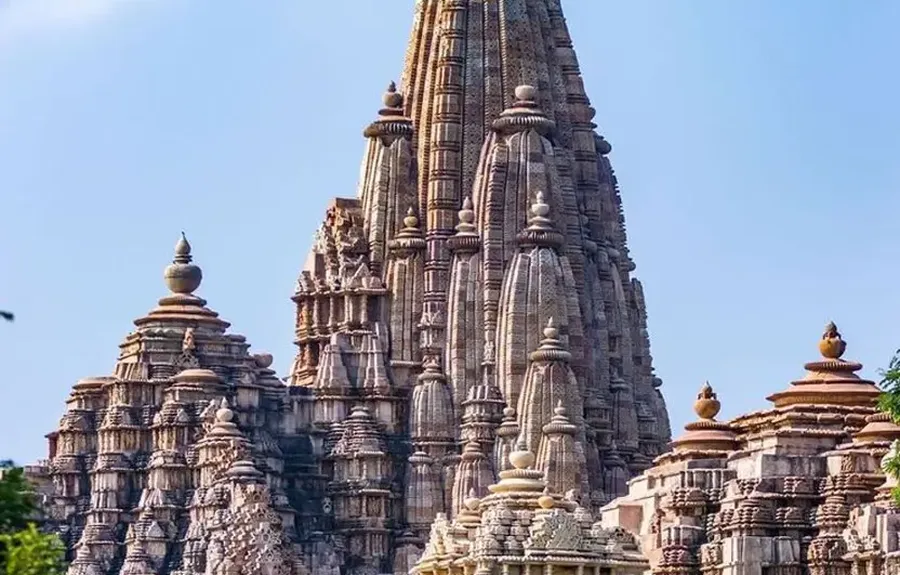
South of Agra, the plains give way to the forests and rocky rivers of Bundelkhand, and very few travellers go that extra distance....
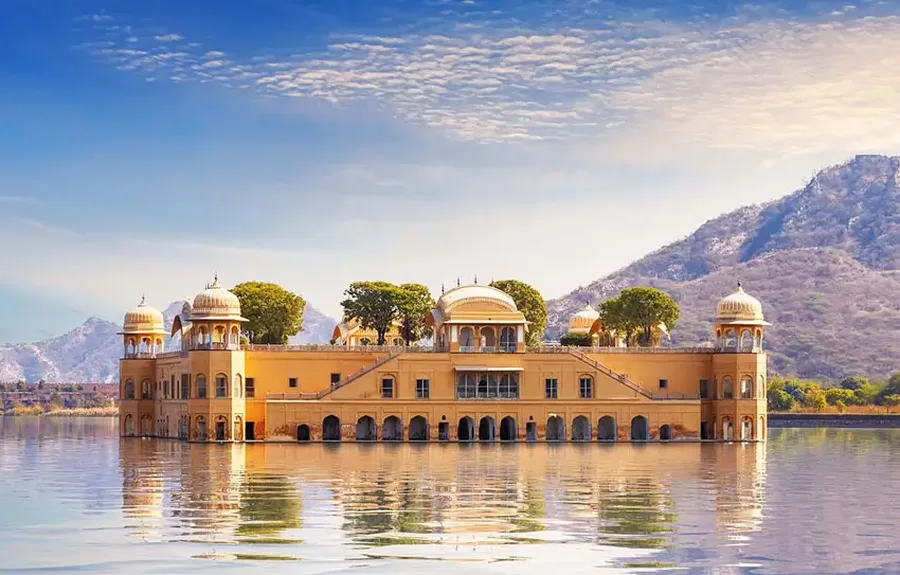
Children remember tigers, trains and elephants long after they forget the dates of an emperor's reign, so the Golden Triangle Family Tour India...
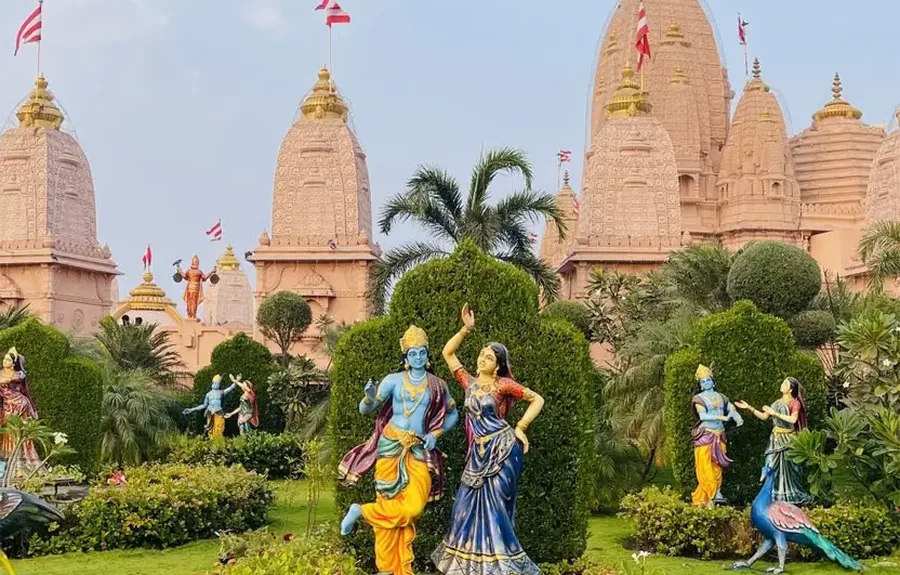
Lord Krishna was born in Mathura and spent his childhood among the cowherds and forests of Vrindavan, and the two towns sit right...
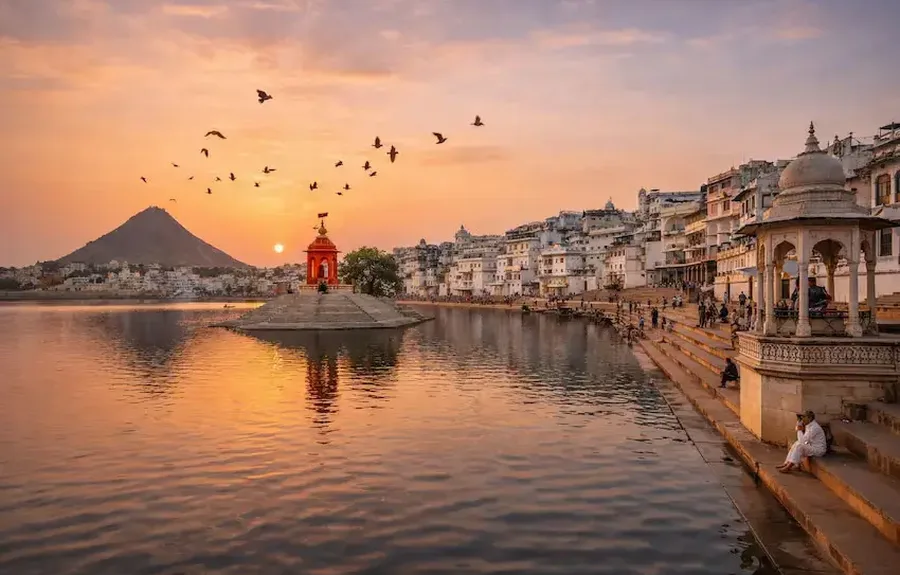
Sufi songs at a 13th-century shrine and temple bells over a sacred desert lake give the Golden Triangle Tour with Pushkar and Ajmer...
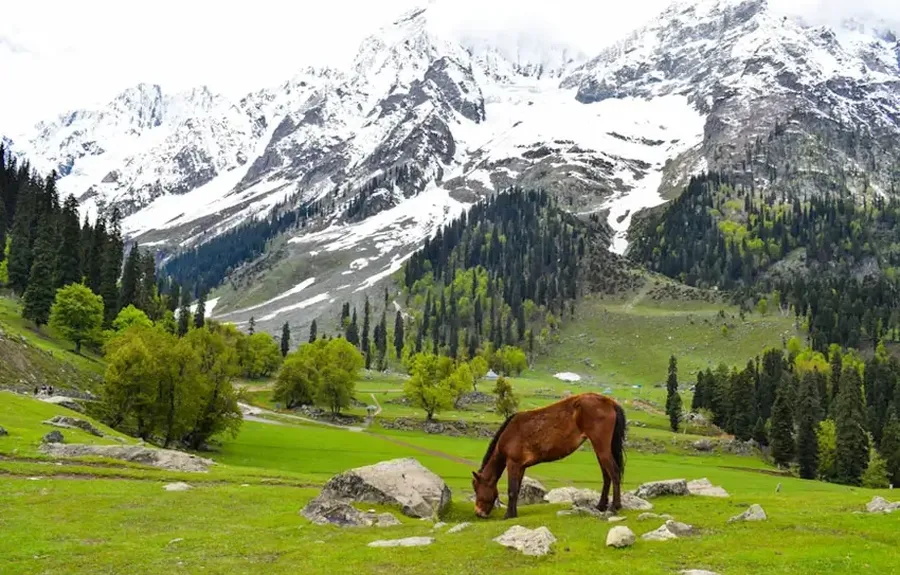
Mughal emperors built their tombs in Agra and Delhi, but they planted their pleasure gardens in Kashmir, and the Golden Triangle Tour with...
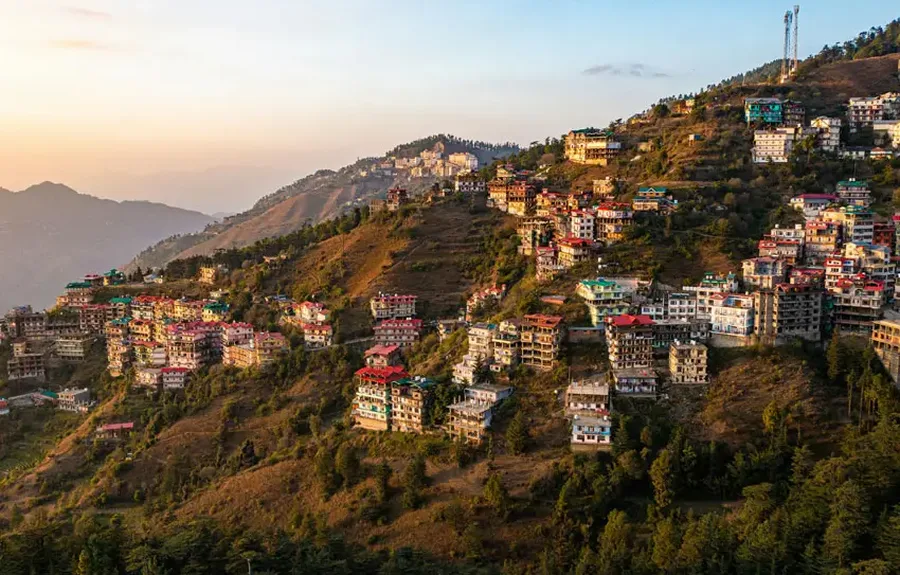
Cool pine air and a narrow-gauge railway that climbs through 102 tunnels are the reward at the end of the Golden Triangle Tour...