Delhi - Agra - Jaipur - Srinagar - Gulmarg - Pahalgam - Srinagar
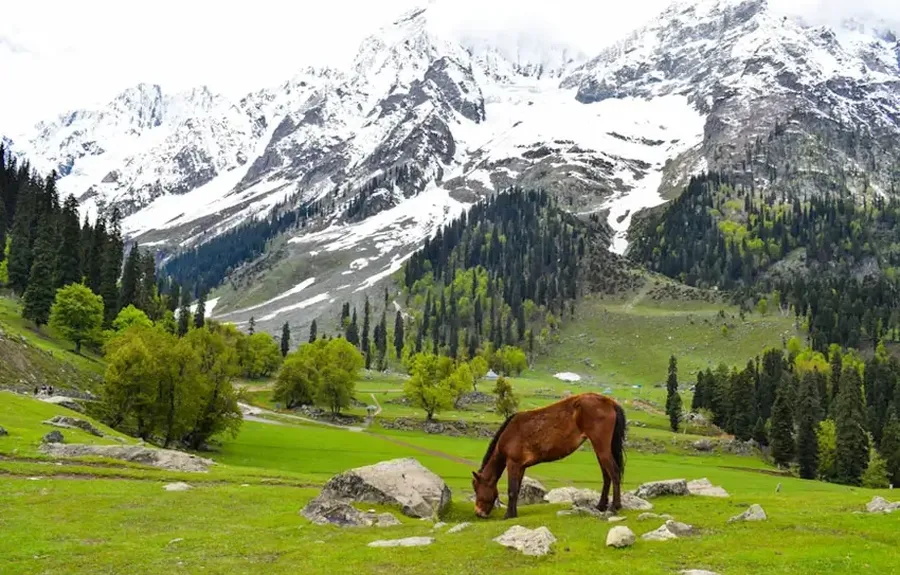
Mughal emperors built their tombs in Agra and Delhi, but they planted their pleasure gardens in Kashmir, and the Golden Triangle Tour with Kashmir follows them to both. Over 11 nights and 12 days, you see the great monuments of Delhi, the Taj Mahal in Agra and the Rajput forts of Jaipur, then fly north to Srinagar to sleep on a cedar-wood houseboat on Dal Lake. From there, the route climbs to the meadows of Gulmarg and the river valleys of Pahalgam, where pine forests, glacial streams and snow peaks create some of the finest mountain scenery in Asia.
The plains section follows our well-loved Golden Triangle tour packages, with a private car and English-speaking driver, local guides and a peaceful morning at the Elefantastic elephant sanctuary in Jaipur. In Kashmir, a local driver and guide take over, arranging the shikara rides, the Gulmarg Gondola tickets and the union taxis required for the side valleys of Pahalgam. Travel conditions in Kashmir are reviewed with you before departure, and the route can be adjusted to follow local advisories. It suits honeymooners, families and nature lovers alike.
Package Highlights
• Jama Masjid, Chandni Chowk, Humayun's Tomb and Qutub Minar in Delhi
• Taj Mahal at sunrise, Agra Fort and Fatehpur Sikri
• Amber Fort, City Palace and Hawa Mahal in Jaipur
• Hands-on morning with rescued elephants at Elefantastic
• Two nights on a traditional houseboat on Dal Lake, with a sunset shikara ride
• Nishat Bagh, Shalimar Bagh and Chashme Shahi Mughal gardens
• Gulmarg Gondola, one of the highest cable cars in the world
• Betaab Valley, Aru Valley and Chandanwari near Pahalgam
Step out of the arrivals hall at Indira Gandhi International Airport to find our representative holding a card with your name. After a warm welcome, your driver loads the luggage and takes you to your hotel, about 45 minutes to an hour away depending on the hour. Because many international flights land late at night, our team tracks every arrival and adjusts the pickup to match. The car is air-conditioned, clean and stocked with drinking water, and your driver will be your companion for the Delhi, Agra and Jaipur section of the tour.
Hotel check-in is usually at 2:00 pm, and we can arrange an early room if you are arriving in the morning. Take the rest of the day easy, sleep off the flight and enjoy a light meal at the hotel. If you feel up to a short outing, Khan Market is a compact shopping area with good bookshops, boutiques and cafes, and it is a relaxed place to change money, buy a local SIM card and get used to the sounds and pace of the city. Indian prepaid SIM cards do not work in Jammu and Kashmir, so rely on hotel Wi-Fi there.
During the day, our coordinator meets you to go through the itinerary and hand over the hotel vouchers, flight tickets for Srinagar and a list of emergency numbers. Pack warm layers for Kashmir, even in summer, as Gulmarg and Pahalgam can be chilly in the mornings and evenings, and snow is common from December to March. Women may want a scarf for mosques and shrines in Srinagar. The coordinator also explains the local taxi rules in Pahalgam, which require visitors to hire union vehicles for the side valleys. Overnight stay at your hotel in Delhi.
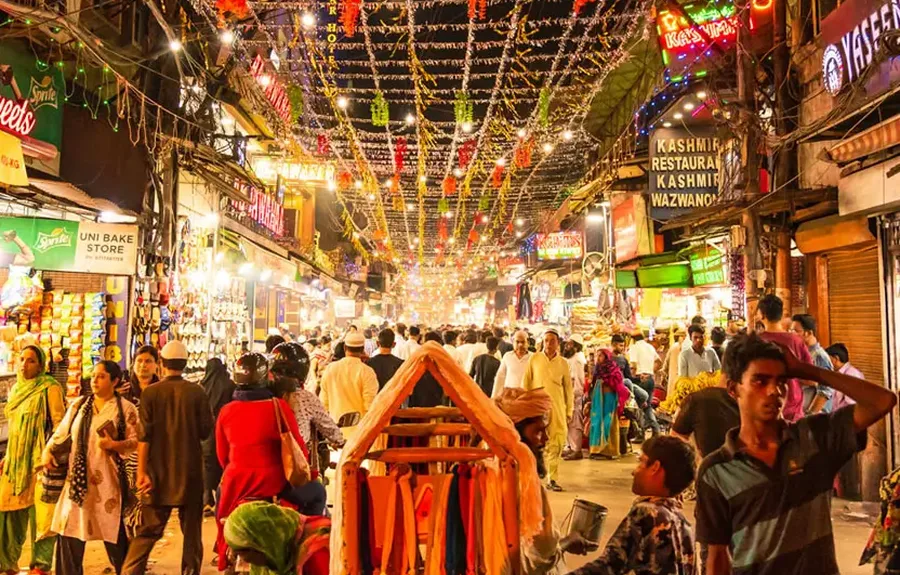
Your guide spends the day with you in both old and new Delhi, beginning with the Jama Masjid, the grand red sandstone and marble mosque completed by Shah Jahan in 1656. Its vast courtyard can hold around 25,000 people, and from the steps you look out over the rooftops and lanes of the walled city. Next, a cycle rickshaw ride takes you through Chandni Chowk, once a royal promenade with a canal down the middle and now a maze of markets. You pass shops selling silver, spices, saris and sweets, and your guide will stop for a cup of masala chai.
In the afternoon, visit Humayun's Tomb, built in 1570 and the first great garden tomb of the Mughal dynasty. Its double dome, symmetrical layout and quartered gardens later inspired the Taj Mahal, and the site is listed by UNESCO. Then continue to the Qutub Minar, the 73-metre fluted tower built by the early sultans of Delhi from 1193, with five storeys of carved sandstone and marble. The complex includes ruined mosques, ornate gateways and an ancient iron pillar that has hardly rusted in 16 centuries, something metallurgists still study.
On the way back to your hotel, drive along Kartavya Path past India Gate and the Rashtrapati Bhavan, stopping for photographs. In the evening, you may like to watch the light and sound show at the Red Fort, which tells the story of Delhi through music and narration, or simply enjoy dinner at a well-known North Indian restaurant. Delhi is famous for its tandoori dishes, kebabs and rich curries, and your guide can suggest places that match your taste. An early night is a good idea before tomorrow's drive. Overnight stay at your hotel in Delhi.
After breakfast, drive about 230 km to Agra on the Yamuna Expressway, which takes around three and a half to four hours, with a rest stop on the way. Agra was the capital of the Mughal empire under Akbar, Jahangir and Shah Jahan, and the monuments they left behind are among the most beautiful in the world. On arrival, check in at your hotel and have lunch. Hotels close to the eastern gate of the Taj Mahal are the most convenient for the early morning visit, and several have rooftop terraces with views of the dome.
In the afternoon, tour Agra Fort with your guide, a vast red sandstone fortress on the banks of the Yamuna. Built by Akbar starting in 1565, it was later embellished by his grandson Shah Jahan with white marble palaces and mosques. Inside, you visit the Diwan-i-Am, the Diwan-i-Khas and the Musamman Burj, the octagonal tower where Shah Jahan spent his last years under house arrest, gazing towards the Taj Mahal. The fort is a UNESCO World Heritage Site, and its gates, courtyards and balconies show the power and taste of the Mughal court.
Before sunset, you may visit Mehtab Bagh, a riverside garden across the Yamuna that gives a peaceful view of the Taj Mahal as the evening light falls on the marble. The garden is quiet and spacious, a good place for photographs and reflection after a busy day. Return to the hotel for dinner, and try some of Agra's famous dishes, such as Mughlai chicken, keema and the local sweet petha. Your guide will confirm tomorrow's early pickup time for the Taj Mahal, which opens about 30 minutes before sunrise. Overnight stay at your hotel in Agra.
Rise before dawn for a sunrise visit to the Taj Mahal, the white marble mausoleum built by Shah Jahan in memory of his beloved wife Mumtaz Mahal. Arriving early means fewer crowds and the best light, as the marble shifts from grey to pink to gold to white. Your guide walks you through the gardens and explains the symbolism of the design, the Quranic inscriptions and the precious stones inlaid into the marble. The Taj Mahal is closed on Fridays, and large bags, food and tripods are not allowed through security.
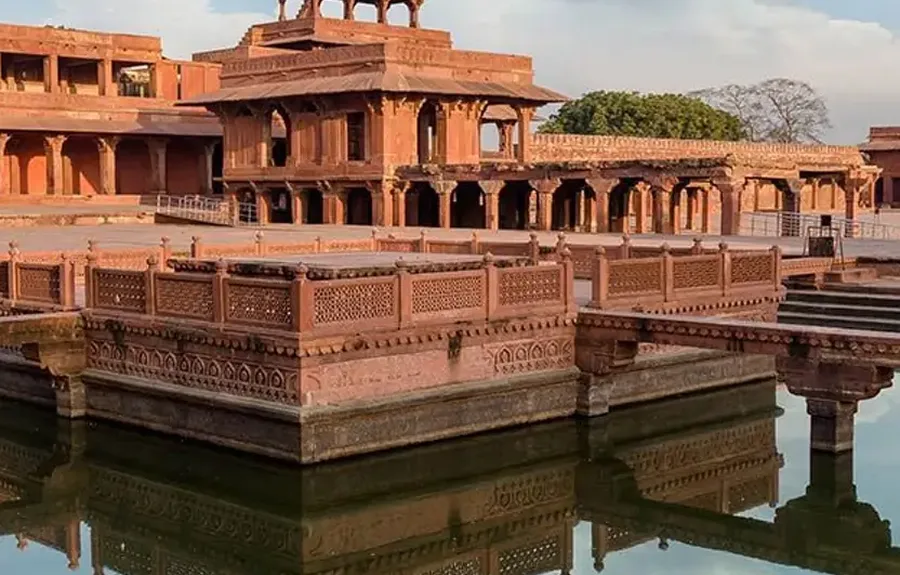
After breakfast and check-out, drive about an hour to Fatehpur Sikri, the red sandstone city Emperor Akbar built in 1571 and abandoned soon after. Its palaces, courtyards and mosques are remarkably well preserved and give a rare picture of life at the Mughal court. Your guide shows you the Diwan-i-Khas with its carved central pillar, the Panch Mahal and the palace of Jodha Bai. In the mosque courtyard, the marble tomb of Sufi saint Salim Chishti is surrounded by intricate lattice screens where pilgrims tie threads while making wishes.
Continue to Jaipur, a drive of about four hours through the rural landscapes of eastern Rajasthan, with mustard fields, small villages and roadside tea stalls. On arrival, check in at your hotel and relax. Jaipur, known as the Pink City, was founded in 1727 and is the capital of Rajasthan. Its colourful markets, grand palaces and hilltop forts make it one of the most photogenic cities in India. In the evening, enjoy dinner at your hotel or at a rooftop restaurant overlooking the city lights and the forts on the hills. Overnight stay at your hotel in Jaipur.
Begin the day with a visit to Amber Fort, a sprawling hilltop fort-palace built from pale yellow and pink sandstone and white marble. Reached by jeep, the fort overlooks Maota Lake and was the seat of the Kachwaha rulers before Jaipur was founded. Inside, your guide shows you the Diwan-i-Am, the Ganesh Pol with its painted gateway, and the Sheesh Mahal, whose mirrored walls and ceilings once sparkled with candlelight. From the ramparts, you can see the walls of Jaigarh Fort stretching across the hills like a small Great Wall.
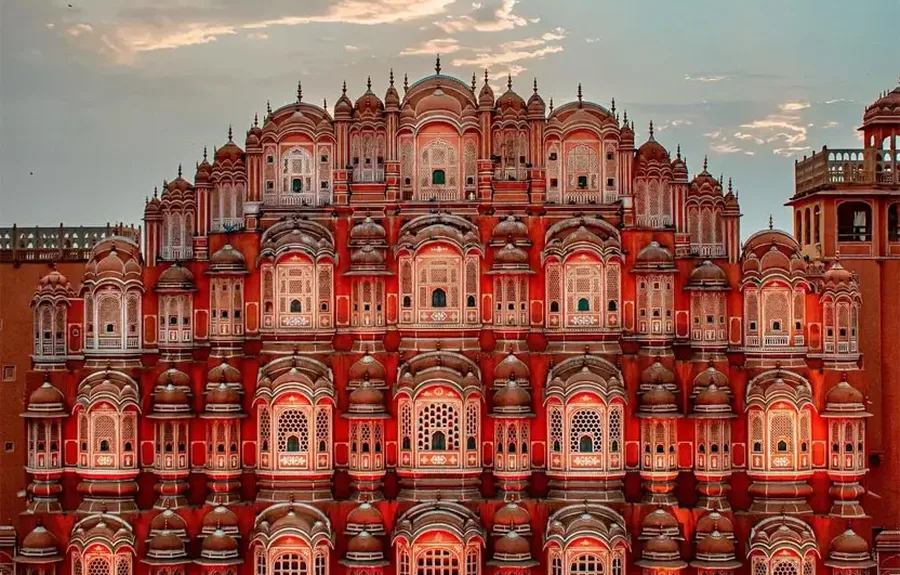
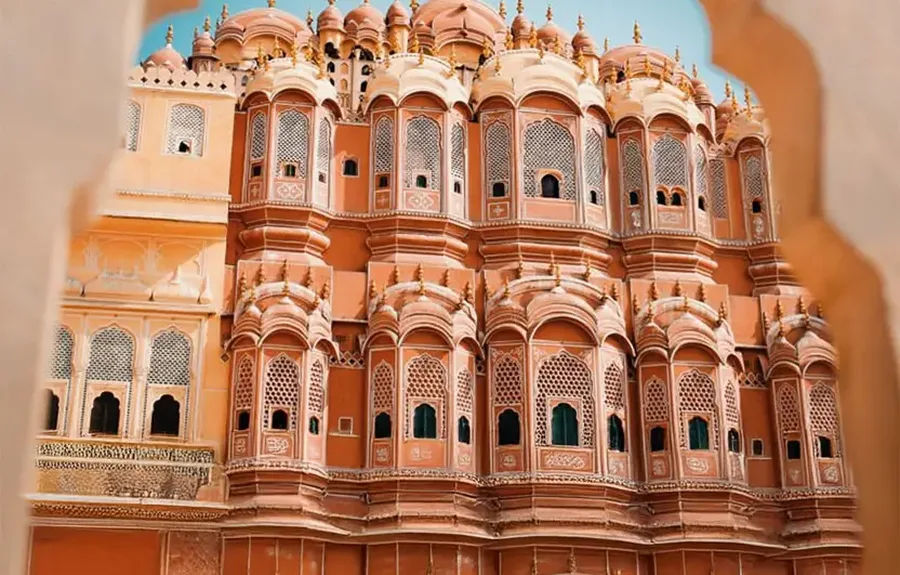
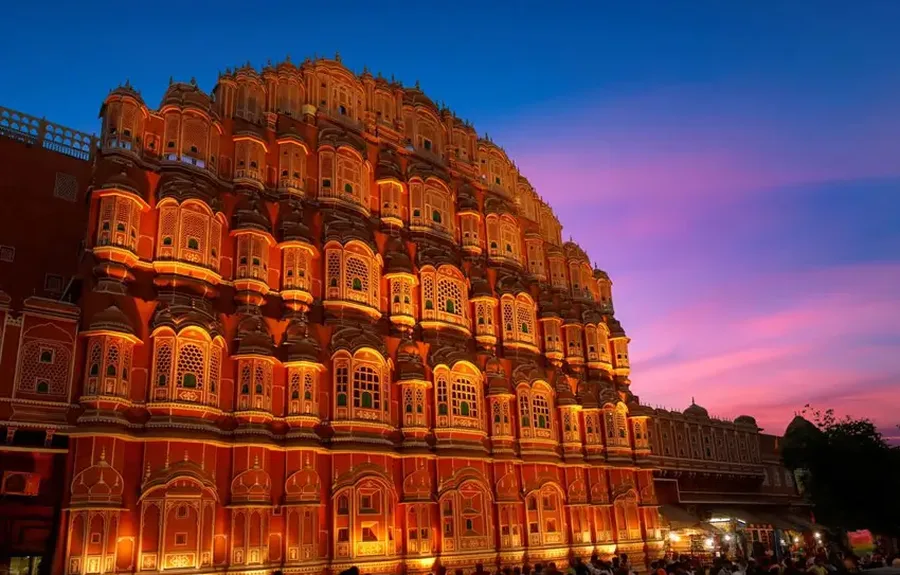
In the afternoon, visit the City Palace, a blend of Rajput and Mughal architecture and still the home of the former royal family. Its museums display royal costumes, weapons and paintings, and the inner courtyard has four beautifully decorated gates. Next, walk through Jantar Mantar, an 18th-century observatory with giant stone instruments built by Maharaja Sawai Jai Singh II, which still measure time and the position of stars. Finally, stop to photograph the Hawa Mahal, the Palace of Winds, whose honeycomb facade of 953 windows has become a symbol of Jaipur.
The evening is free for shopping in Jaipur's lively bazaars, where you can find gemstones, silver jewellery, block-printed textiles, blue pottery and leather goods. Johari Bazaar and Bapu Bazaar are the main markets, and bargaining is expected in most shops. For fixed prices, your driver can take you to a government emporium. Dinner can be enjoyed at a traditional Rajasthani restaurant, where dishes such as dal baati churma and laal maas are served. Your driver will confirm the time for the elephant visit tomorrow morning. Overnight stay at your hotel in Jaipur.
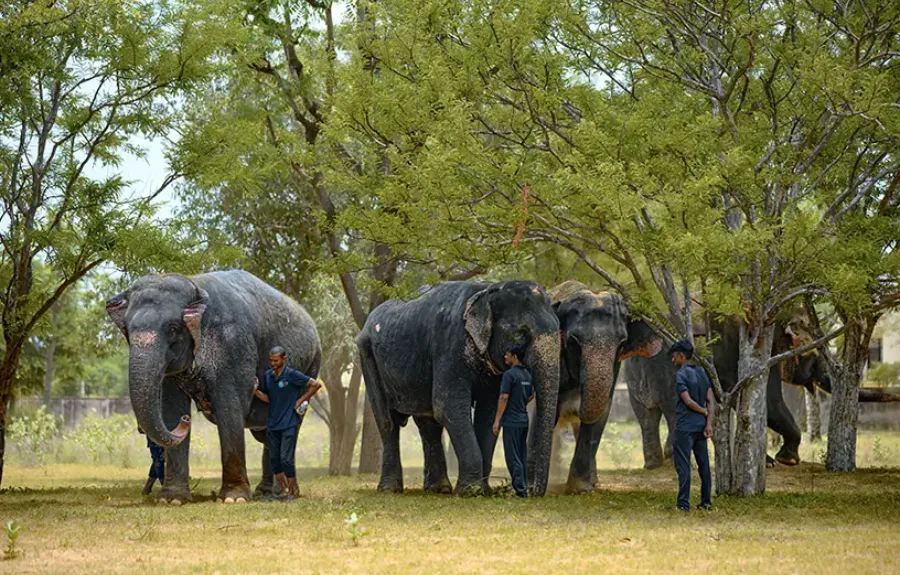
Today begins at the Elefantastic sanctuary on the edge of Jaipur, where the team picks you up from your hotel for a day visit with elephants. Each guest is paired with one elephant for the morning, and the visit starts with an introduction to the herd and their caretakers. You learn about elephant behaviour, diet and care, then help feed your elephant with fresh fruit and sugarcane by hand. The quiet, rural setting and the gentle nature of the animals make this one of the most personal moments of the whole tour.
After feeding, walk alongside the elephants and help bathe them, splashing and scrubbing as they relax in the water. Elefantastic does not offer rides, chains or shows, and the visit is designed around the comfort of the elephants rather than entertainment. Wear clothes that can get wet and bring a change. Please book only through official Elefantastic channels, as the sanctuary is not in Hathi Gaon (Elephant Village). After the visit, the team drops you back at your hotel to freshen up and collect your luggage.
In the afternoon, transfer to Jaipur International Airport for your flight to Srinagar, usually via Delhi. On arrival, our Kashmir representative greets you and drives you to the shore of Dal Lake, where a shikara, a small wooden boat, carries you across the water to your houseboat. Kashmiri houseboats are made of cedar wood and decorated with carved ceilings, walnut furniture and soft carpets. Your host welcomes you with kahwa, a fragrant green tea flavoured with saffron, cardamom and almonds. Dinner is served on board. Overnight stay on your houseboat in Srinagar.
Wake to the sound of birds and the sight of mist rising from Dal Lake. After breakfast on the houseboat, your guide takes you to the famous Mughal gardens on the eastern shore of the lake. Nishat Bagh, the Garden of Joy, was laid out in 1633 by Asif Khan, brother of Empress Nur Jahan, with 12 terraces descending from the hills to the lake. Shalimar Bagh, built by Emperor Jahangir for his wife Nur Jahan, has elegant pavilions, fountains and chinar trees. Both gardens are especially beautiful in spring, when tulips and roses bloom, and in autumn, when the chinars turn red.
Next, visit Chashme Shahi, the smallest of the Mughal gardens, built around a natural spring whose water is believed to have healing properties. Nearby, the ruins of Pari Mahal, a 17th-century school of astrology set on a hillside, offer panoramic views over Dal Lake and the city. After lunch, you may visit the Hazratbal Shrine, a white marble mosque on the northern shore of the lake, which houses a relic believed to be a hair of the Prophet Muhammad. Women are asked to cover their heads, and access to some areas is limited.
In the late afternoon, enjoy a leisurely shikara ride on Dal Lake as the sun sets behind the mountains. Your boatman paddles past floating gardens, lotus beds and lakeside villages, while small boats selling flowers, saffron, jewellery and papier-mâché approach to show their wares. The lake is calm and the light is soft, making it one of the most relaxing hours of the trip. Return to your houseboat for a traditional Kashmiri dinner, which may include rogan josh, yakhni and dum aloo. Overnight stay on your houseboat in Srinagar.
After an early breakfast, you may take a short shikara ride to the floating vegetable market, where farmers trade vegetables from their boats at dawn. Then drive about 50 km to Gulmarg, the Meadow of Flowers, a drive of around one and a half hours through rice fields, apple orchards and pine forests. At about 2,650 metres above sea level, Gulmarg is a wide, rolling meadow surrounded by snow-capped peaks. In summer it is covered with wildflowers, and in winter it becomes one of the best ski resorts in Asia, with deep powder snow.
After checking in at your hotel, ride the Gulmarg Gondola, one of the highest cable cars in the world. The first phase takes you to Kongdori at about 3,050 metres, and the second phase, when open, continues to Apharwat Peak at around 3,950 metres, with views of Nanga Parbat on clear days. Tickets should be booked in advance, especially in peak season, and the second phase may close in bad weather. Warm clothing is essential at the top, even in summer, as temperatures can be much colder than in the meadow below.
Spend the rest of the afternoon enjoying Gulmarg at a slow pace. Walk across the meadow to the small St. Mary's Church, built in 1902, or visit the Maharani Temple, which sits on a hillock in the middle of the meadow. Pony rides are available for short trips to nearby viewpoints such as Khilanmarg. In winter, you can try skiing, snowboarding or sledging with local instructors. In the evening, relax by a fire at your hotel and enjoy the quiet mountain atmosphere and a hot dinner. Overnight stay at your hotel in Gulmarg.
After breakfast, leave Gulmarg and drive about four to five hours to Pahalgam, passing through the heart of the Kashmir Valley. Along the way, stop at Pampore, famous for its saffron fields, which bloom with purple flowers in late October and early November. Small shops sell high-quality Kashmiri saffron, and your guide can explain how the delicate stigmas are picked by hand and dried. Pampore is also known for its tea stalls serving kahwa and local bakery items such as kulcha and sheermal.
Continue to Awantipora, where the ruins of two 9th-century Hindu temples built by King Avantivarman stand beside the road. The Avantiswami Temple, dedicated to Vishnu, still shows carved pillars, steps and sculptures that hint at its former grandeur. The site is peaceful and rarely crowded, and your guide will explain the history of Kashmir before the arrival of Islam. Further along the road, you pass the willow plantations of Sangam, where cricket bats are made by hand in roadside workshops, and you can stop to see the craftsmen at work.
Arrive in Pahalgam in the afternoon and check in at your hotel. Pahalgam, the Valley of Shepherds, sits at about 2,200 metres where the Lidder River meets the Sheshnag stream, surrounded by pine forests and mountains. The town is the starting point for the Amarnath Yatra pilgrimage in summer. In the evening, take a gentle walk along the riverbank or through the small market, where you can buy woollen shawls, wood carvings and dried fruits. Dinner is at your hotel, and the sound of the river makes for peaceful sleep. Overnight stay at your hotel in Pahalgam.
Spend the day in the valleys around Pahalgam in a local union taxi, as private vehicles from outside are not allowed beyond the town. Your first stop is Betaab Valley, about 15 km away, named after a Bollywood film shot here in the 1980s. The valley has green meadows, clear streams and snow-capped peaks, and it is a popular spot for picnics and photographs. Wooden bridges cross the river, and walking paths lead through pine trees. Your guide will help you find the best viewpoints away from the busier areas.
Next, drive to Chandanwari, about 16 km from Pahalgam, which is the starting point of the Amarnath Yatra trek. In late spring and early summer, a snow bridge often forms over the stream here, and visitors enjoy walking on it and playing in the snow. The road to Chandanwari follows the Lidder River through dense forests and offers beautiful views. Pony rides and snow sledges are available locally. The area can be crowded during the pilgrimage season in July and August, when access may be restricted for tourists.
In the afternoon, visit Aru Valley, about 12 km from Pahalgam, a quiet village surrounded by meadows, forests and mountains. Aru is a base for treks to the Kolahoi Glacier and Tarsar Lake, and its open pastures are dotted with the huts of Gujjar and Bakarwal shepherds who bring their flocks here in summer. You can walk through the meadows, sit by the stream or enjoy tea at a small local cafe. Return to Pahalgam in the evening for a relaxing dinner and your last night in the mountains. Overnight stay at your hotel in Pahalgam.
After breakfast, drive back to Srinagar, a distance of about 95 km that takes two and a half to three hours. On arrival, settle back into your houseboat on Dal Lake and have lunch. In the afternoon, your guide takes you into the old city of Srinagar, where narrow lanes are lined with traditional wooden houses with carved windows and balconies. Visit the Jamia Masjid, a large wooden mosque built in 1402 with 378 pillars made from single deodar trunks, and the Khanqah-e-Moula, a beautiful riverside shrine with a richly painted wooden interior.
Kashmir is famous for its crafts, and this afternoon is a good time to see them up close. Visit workshops where artisans make papier-mâché boxes, hand-knotted silk carpets, walnut wood carvings and fine pashmina shawls. Your guide can explain how to tell genuine pashmina and silk carpets from imitations, and reputable shops will provide certificates. Prices can vary widely, so take your time before buying, compare a few shops and ask for a written receipt that lists the material and origin of each piece. Dried fruits, walnuts, saffron and kahwa tea also make excellent gifts to take home from the Kashmir Valley.
In the evening, enjoy a farewell dinner featuring the Kashmiri wazwan, a traditional multi-course feast prepared by master chefs known as wazas. Dishes such as rista, gushtaba, rogan josh and tabak maaz are cooked slowly with spices and served on large copper platters. You can enjoy dinner on the houseboat deck as the lights of the lake twinkle around you. Before bed, pack your bags and keep any saffron, shawls or carpets you have bought in your hand luggage or properly wrapped, as you leave for the airport after breakfast tomorrow. Overnight stay on your houseboat in Srinagar.
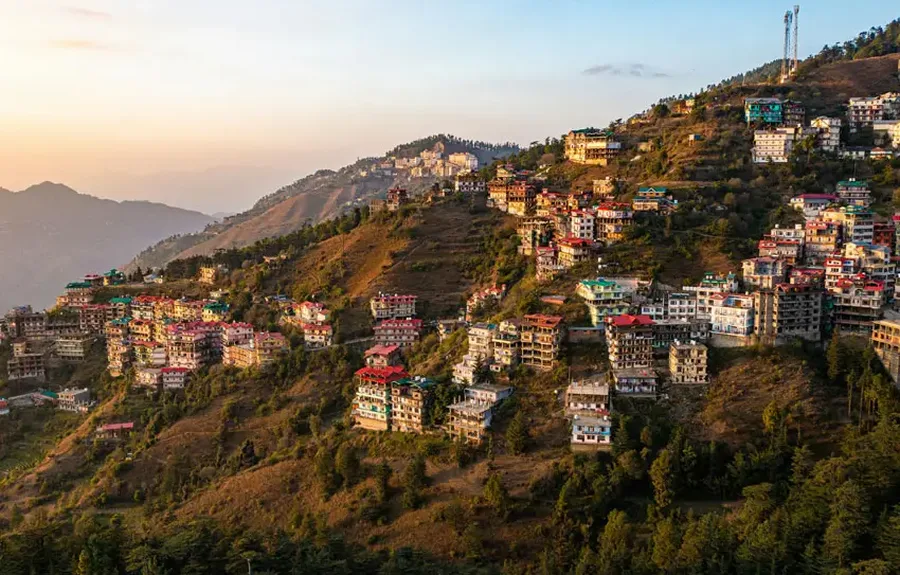
After breakfast, transfer to Srinagar airport, arriving at least two and a half hours early as security checks are thorough, for your flight to Delhi and onward connection. For a hill-station alternative closer to Delhi, see our Golden Triangle Tour with Shimla.
Our assorted tours, for your first, second or nth time to India!
Light decides everything on the Golden Triangle Photography Tour India, so the days are built around sunrise and sunset rather than opening hours....
Seeing India in later life should mean comfort, time and good company rather than early starts every day and long climbs in the...
Once a year, every rooftop, doorway and market arch across North India is lined with clay lamps and strings of light, and the...
Five UNESCO World Heritage Sites cut, carved or built into stone mark the length of the Golden Triangle Tour with Mumbai and Ajanta...
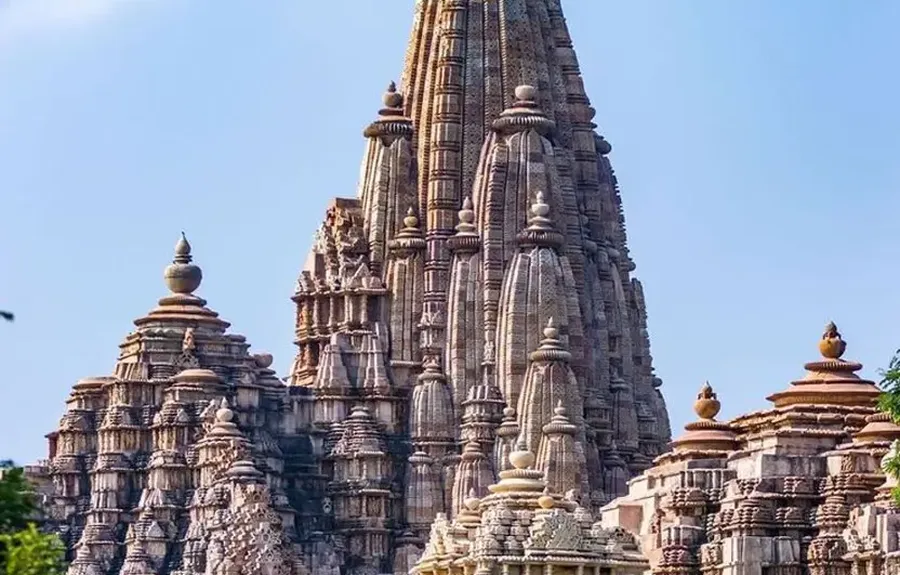
South of Agra, the plains give way to the forests and rocky rivers of Bundelkhand, and very few travellers go that extra distance....
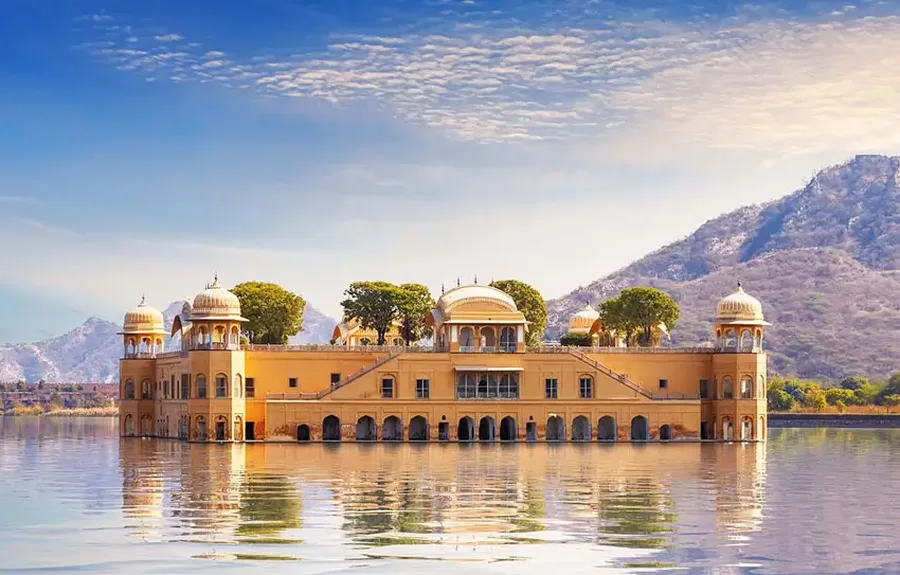
Children remember tigers, trains and elephants long after they forget the dates of an emperor's reign, so the Golden Triangle Family Tour India...
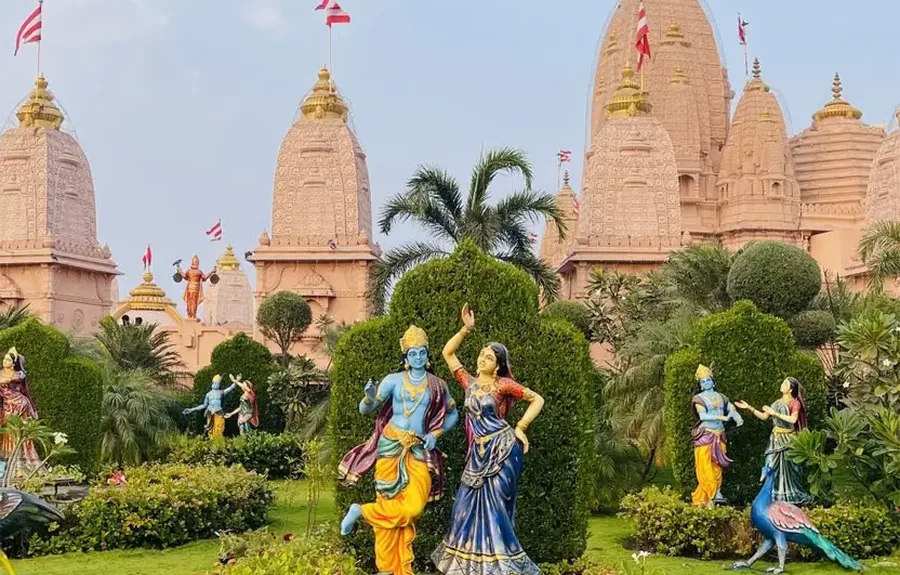
Lord Krishna was born in Mathura and spent his childhood among the cowherds and forests of Vrindavan, and the two towns sit right...
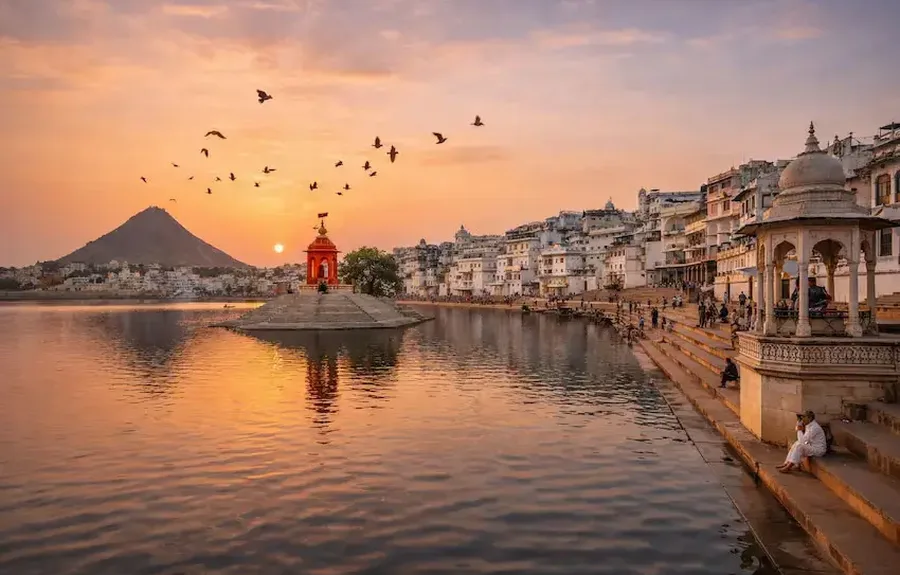
Sufi songs at a 13th-century shrine and temple bells over a sacred desert lake give the Golden Triangle Tour with Pushkar and Ajmer...
Mughal emperors built their tombs in Agra and Delhi, but they planted their pleasure gardens in Kashmir, and the Golden Triangle Tour with...
Cool pine air and a narrow-gauge railway that climbs through 102 tunnels are the reward at the end of the Golden Triangle Tour...