Delhi - Agra - Jaipur - Pushkar
Once a year, every rooftop, doorway and market arch across North India is lined with clay lamps and strings of light, and the Golden Triangle Tour with Diwali Celebration is timed so you are in the middle of it. Over 6 nights and 7 days, you see the classic sights of Delhi, Agra and Jaipur in the week of Diwali, which falls in October or November depending on the Hindu lunar calendar. The tour is arranged so that the main night of the festival falls in Jaipur, where the old city bazaars compete each year for the best light displays and where you join a local family for the evening prayers to the goddess Lakshmi.
Days are spent with a private car, an English-speaking driver and local guides, while the evenings are kept free for festival markets, sweets and fireworks. Jaipur also includes a morning with rescued elephants on a day visit with elephants at Elefantastic, and the tour ends beside the lamp-lit ghats of holy Pushkar. Those who prefer spring colours can choose our Holi Celebration in India tour instead, and travellers staying longer in autumn may combine this route with the Rajasthan Diwali Festival Tour or the Pushkar fair a few weeks later.
Package Highlights
• Festival lights and sweet shops of Chandni Chowk in the run-up to Diwali
• Humayun's Tomb, Qutub Minar and Gurudwara Bangla Sahib in Delhi
• Taj Mahal at sunset and again at sunrise, plus Agra Fort
• Illuminated bazaars of the Pink City on Diwali week
• Rangoli and diya painting workshop in Jaipur
• Lakshmi Puja and Diwali dinner with a local Jaipur family
• Elephant morning at Elefantastic and Amber Fort
• Lamp-lit ghats and evening aarti at Pushkar Lake
Your festive trip begins at Indira Gandhi International Airport, where our representative greets you at the arrivals exit with a name board and, in keeping with the season, a small box of Indian sweets. Your English-speaking driver, who stays with you for the whole week, drives you to your hotel in about 45 minutes to an hour. In Diwali week, Delhi's roads are busier than usual as families travel and shop, so your driver chooses the quickest route. Bottled water is ready in the car, and an ATM stop can be made on the way if needed.
Check in at your hotel, usually from 2:00 pm, and rest for a few hours. A word of practical advice: air quality in Delhi can be poor in late October and November, especially around Diwali, when crop burning in nearby states and fireworks add to the smog. A good face mask and eye drops are worth packing, and those with breathing conditions should speak to their doctor before travelling. The air in Jaipur and Pushkar is usually cleaner, and the tour spends the main festival nights in Rajasthan for this reason as well.
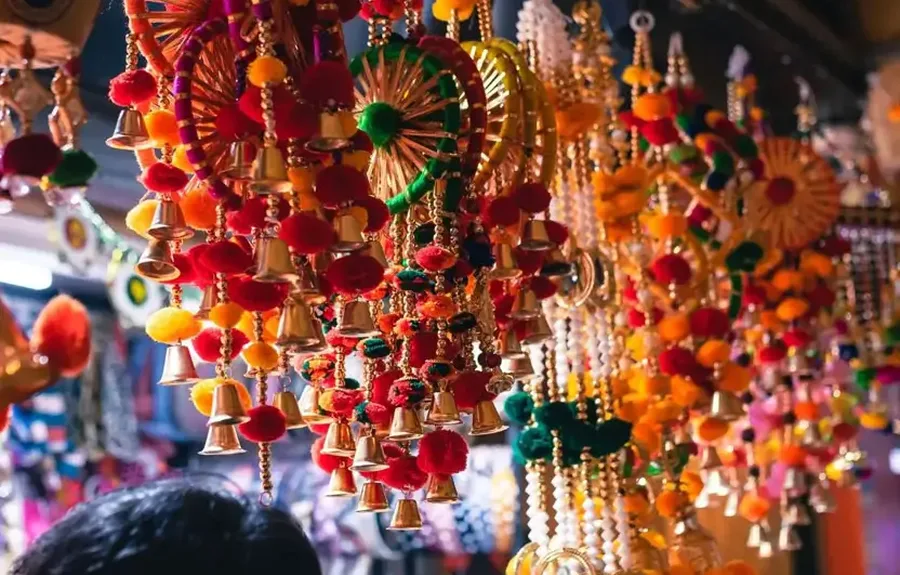
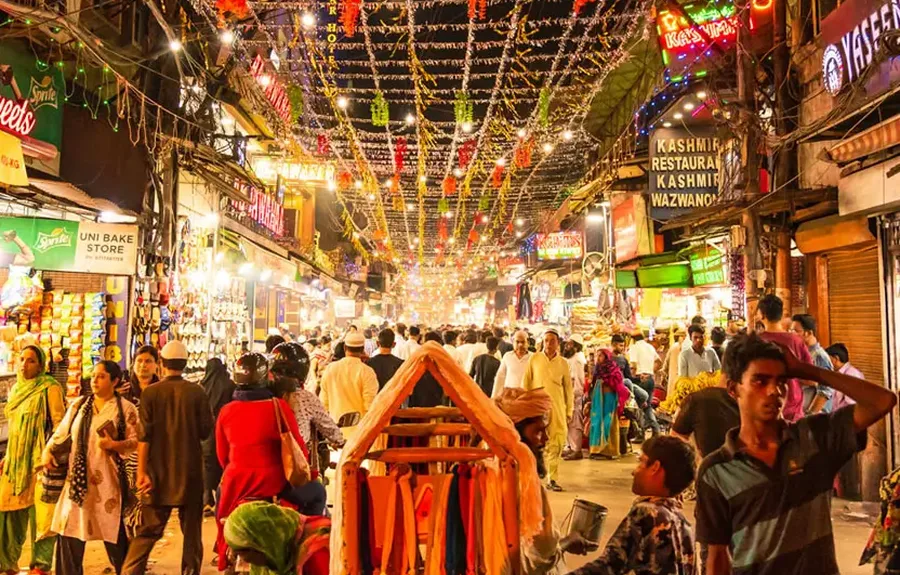
In the late afternoon, your guide takes you to Chandni Chowk in Old Delhi, which is at its most colourful in the days before Diwali. The lanes overflow with stalls selling clay diyas, paper lanterns, marigold garlands, idols of Lakshmi and Ganesha and boxes of dry fruit and sweets. Visit a traditional halwai shop to see kaju katli, besan laddoo and soan papdi being made, and walk through the electric market of Bhagirath Palace, where strings of fairy lights hang from every shop front. Overnight stay at your hotel in Delhi.
After a relaxed breakfast, spend the day with your guide in New Delhi, beginning at Humayun's Tomb, the 16th-century garden tomb that set the style for the Taj Mahal. Its red sandstone walls and white marble dome rise above four quartered gardens, and the whole site is a UNESCO World Heritage Site. In the festive season, the lawns are filled with families out for a picnic, and the light in late autumn is soft and golden. Your guide explains the Persian ideas of paradise behind the garden design and the long restoration work completed in recent years.
Next, drive to the Qutub Minar, the 73-metre tower begun in 1193, whose five fluted storeys of red and buff sandstone are carved with verses from the Quran. The complex also contains the Quwwat-ul-Islam mosque and the iron pillar, which has stood without rusting for over 1,600 years. After lunch, visit Gurudwara Bangla Sahib, the Sikh shrine with a golden dome, a sacred pool and a community kitchen that serves free meals to thousands of visitors a day. Around Diwali, Sikhs also celebrate Bandi Chhor Divas, and the gurudwara is decorated with lights.
In the evening, drive past India Gate and the government buildings on Kartavya Path, which are often lit up for the festival season. You can then visit Khan Market or Lajpat Nagar, where families shop for new clothes, gifts and decorations in the days before Diwali. It is a good chance to buy a kurta or a sari to wear for the main festival night in Jaipur, and your guide can help you choose and arrange quick tailoring if needed. Enjoy dinner at a restaurant serving festive North Indian dishes. Overnight stay at your hotel in Delhi.
After breakfast, drive to Agra on the Yamuna Expressway, about three and a half to four hours away, with a tea stop at a highway food court. Check in at your hotel and have lunch. Agra is the city of the Mughals, and even here the festive mood is in the air, with shops along the main roads decorated with lights and garlands. Your Agra guide meets you in the early afternoon to begin the sightseeing at a relaxed pace, leaving time to enjoy the monuments without rushing in the warm autumn sunshine.
Start at Agra Fort, the red sandstone fortress built by Emperor Akbar from 1565 and later adorned with marble palaces by Shah Jahan. Inside, you walk through the Diwan-i-Am, the Diwan-i-Khas and the Musamman Burj, the tower where Shah Jahan was held captive by his son and spent his last years gazing at the Taj Mahal. The fort is a UNESCO World Heritage Site, and its courtyards and balconies tell the story of Mughal power and family drama. Your guide shares the history in an engaging way, with plenty of stories.
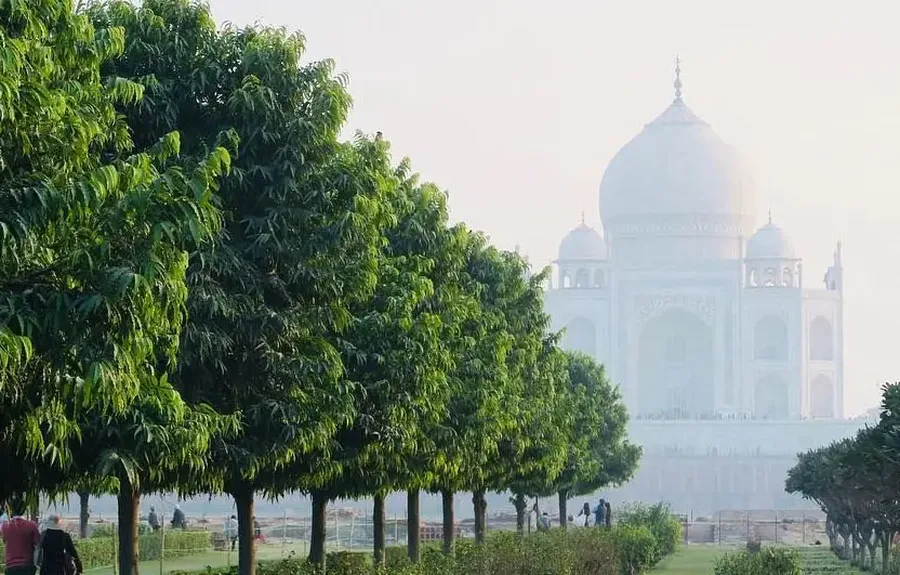
In the late afternoon, visit the Taj Mahal, the white marble mausoleum built for Mumtaz Mahal, as the setting sun turns the dome gold and then pink. Autumn evenings are mild and clear, and the gardens are lovely at this hour. Your guide explains the symmetry of the design and the inlaid flowers of semi-precious stones. The Taj Mahal is closed on Fridays, and food, tripods and large bags are not allowed. After sunset, return to your hotel for dinner and rest before an early start to see the Taj once more at dawn. Overnight stay at your hotel in Agra.
Rise early for a second, quieter look at the Taj Mahal at sunrise, a very different mood from the evening before. The soft dawn light and the thin mist over the river in late autumn make the marble look almost weightless. Walk slowly through the gardens and along the riverside terrace behind the mausoleum, and take as many photographs as you like. After the visit, return to the hotel for breakfast and check out. Your driver then sets off for Jaipur, with a short stop at Fatehpur Sikri if you would like to see the deserted Mughal capital.
The drive to Jaipur takes about five hours, passing through villages that are busy preparing for Diwali. Houses are freshly painted, doorways are decorated with marigolds and mango leaves, and potters line the roadside with clay lamps drying in the sun. Your driver can stop at a village pottery to watch the diyas being shaped on the wheel and buy a few to light later in the week. Arriving in Jaipur in the afternoon, check in at your hotel and rest. Many heritage hotels in Jaipur decorate their courtyards with lamps and rangoli during the festival.
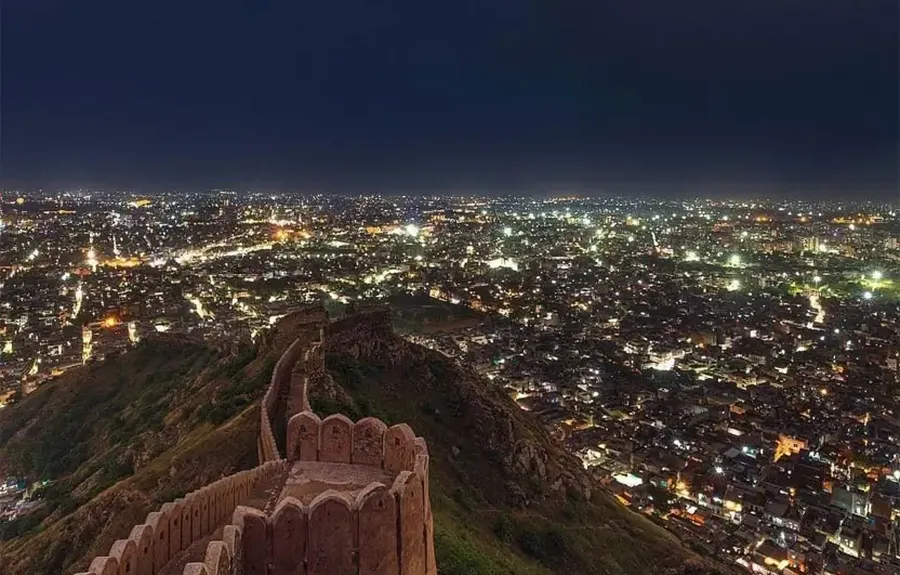
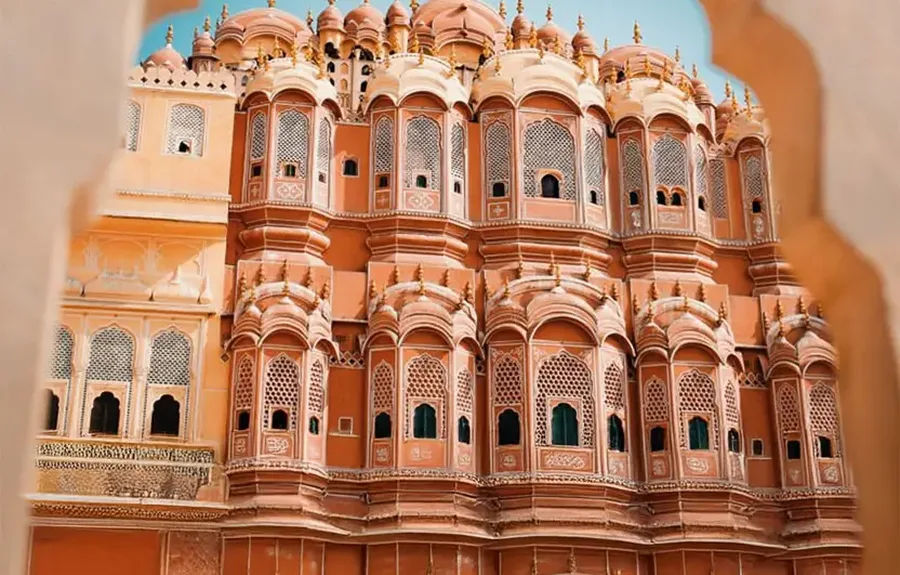
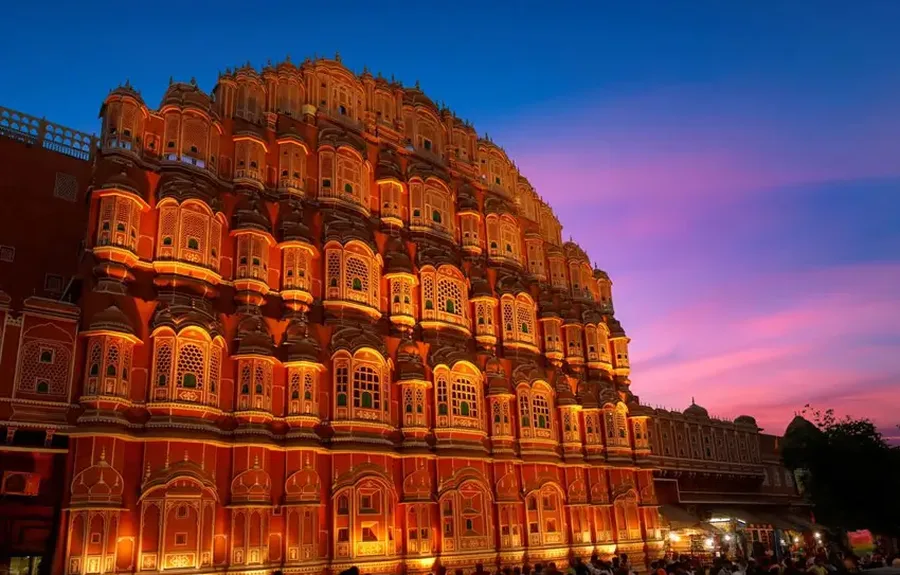
In the evening, your guide takes you into the old walled city, where the bazaars are famous for their Diwali lights. Each market association decorates its street with a different theme, and the main roads of Johari Bazaar, Bapu Bazaar and MI Road compete for prizes given by the state government. The Hawa Mahal and the city gates are lit up, and the streets fill with families shopping for sweets, silver and new clothes. It is crowded, joyful and one of the best festive scenes in India. Keep valuables close in the crowds. Overnight stay at your hotel in Jaipur.
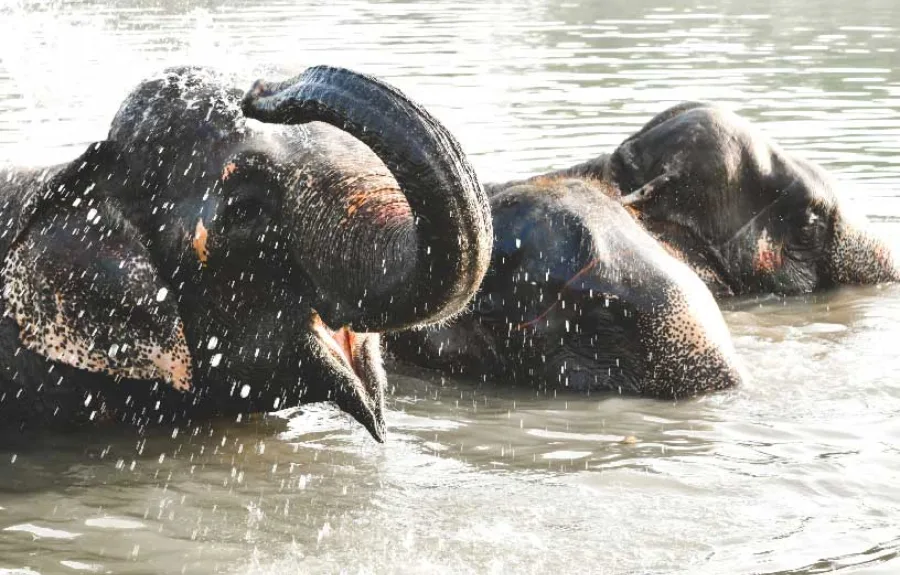
On the morning of Diwali, the Elefantastic team picks you up from your hotel and drives you to their sanctuary on the outskirts of Jaipur. Each guest is paired with one elephant and introduced to the keepers who care for the herd. You learn about the elephants' diet and habits, then feed your elephant by hand with fruit and sugarcane, walk with it around the grounds and help bathe it, splashing water as it relaxes. There are no rides, no chains and no shows. It is a calm, happy way to begin the busiest day of the festival, and the team has you back at the hotel by lunchtime.
After lunch, join a local family or artist for a rangoli and diya painting workshop. Rangoli are colourful patterns made on the floor at the entrance of homes using coloured powder, rice and flower petals to welcome the goddess Lakshmi. You learn to draw simple designs and then paint clay diyas with bright colours, which you will light later in the evening. The workshop is fun for all ages and gives a real sense of how families prepare for the most important festival of the Hindu year. You keep the painted diyas as souvenirs.
In the evening, you are welcomed into the home of a local Jaipur family to celebrate Diwali night together. Dressed in your new festive clothes, you join the family for the Lakshmi Puja, the prayers to the goddess of wealth and good fortune, followed by lighting rows of diyas on the balconies and doorsteps. After the prayers, share a home-cooked festive dinner and sweets with the family. As the night goes on, fireworks light up the sky over the old city, and the view from a rooftop is one you will talk about for years. Overnight stay at your hotel in Jaipur.
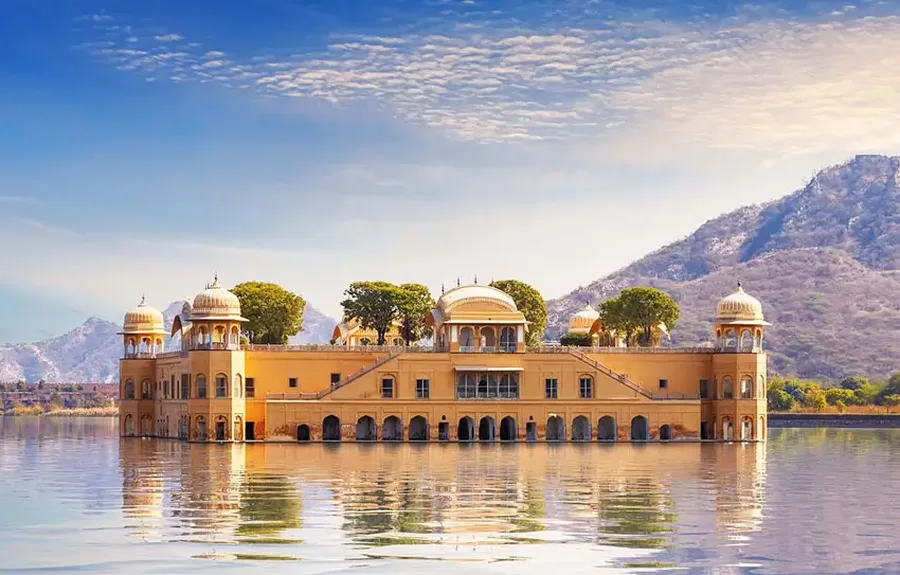
After a late breakfast, visit Amber Fort, the hilltop palace of the Kachwaha rulers, reached by jeep. Inside its golden sandstone walls, your guide shows you the Diwan-i-Am, the Ganesh Pol and the Sheesh Mahal, whose mirrored ceiling sparkles like a starry sky. The day after Diwali is a holiday in Rajasthan, and many local families visit the fort, which gives it a friendly, festive atmosphere. On the way back, stop for photographs at Jal Mahal and the Hawa Mahal. Then check out of your hotel and set off for Pushkar.
The drive to Pushkar takes about three hours through the countryside, passing the city of Ajmer, where you can stop briefly at the Dargah Sharif of the Sufi saint Khwaja Moinuddin Chishti if you wish. Then cross the Nag Pahar hills to reach Pushkar, a small holy town wrapped around a sacred lake. According to Hindu belief, the lake was formed where a lotus dropped by Lord Brahma fell to Earth. Check in at your hotel, which may have a rooftop terrace overlooking the lake, and take some time to rest after the drive.
At sunset, walk down to the ghats around Pushkar Lake, which are lit with hundreds of lamps in the days after Diwali. Priests perform the evening aarti with bells, chants and flaming lamps, and pilgrims float small leaf boats with candles on the water. You can make your own offering with the help of your guide. Pushkar is a vegetarian town without alcohol, and its cafés serve delicious falafel, lassi and malpua. Within a few weeks of Diwali, the town also hosts the famous Pushkar Camel Fair. Overnight stay at your hotel in Pushkar.
Visit the Brahma Temple, one of very few in the world dedicated to the creator god, before driving to Jaipur airport for your flight to Delhi, or straight to Delhi, for your international departure. Return for another festival with our Golden Triangle Tour with Pushkar and Ajmer or browse the full list of Golden Triangle tour packages.
Our assorted tours, for your first, second or nth time to India!
Light decides everything on the Golden Triangle Photography Tour India, so the days are built around sunrise and sunset rather than opening hours....
Seeing India in later life should mean comfort, time and good company rather than early starts every day and long climbs in the...
Once a year, every rooftop, doorway and market arch across North India is lined with clay lamps and strings of light, and the...
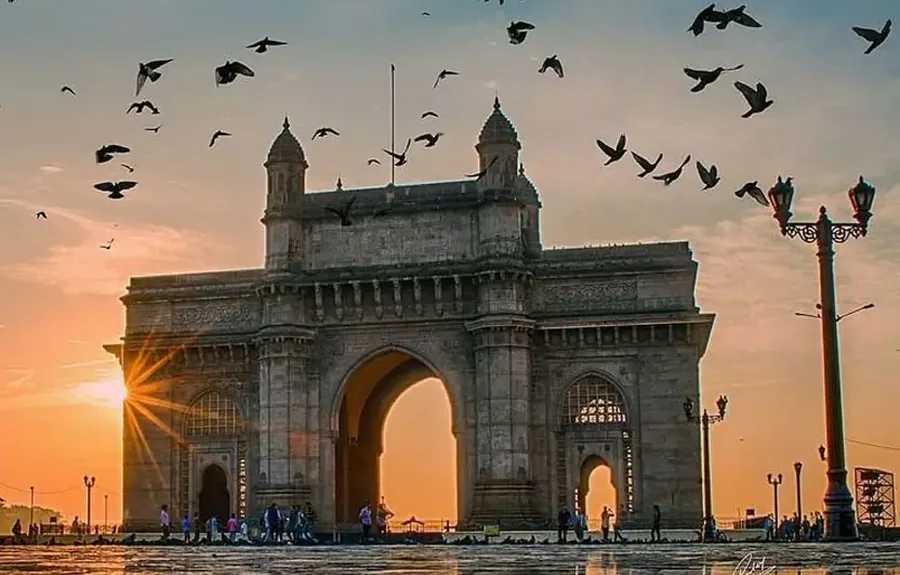
Five UNESCO World Heritage Sites cut, carved or built into stone mark the length of the Golden Triangle Tour with Mumbai and Ajanta...
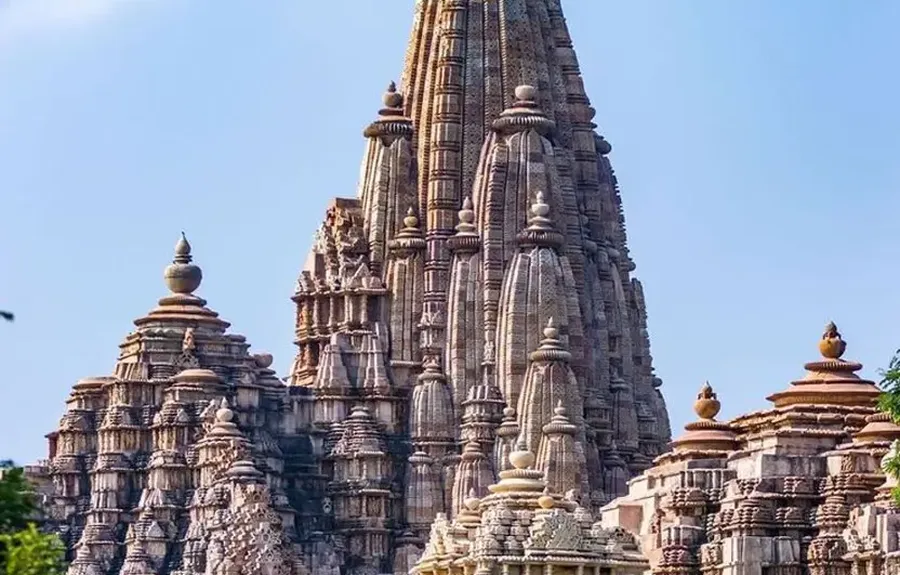
South of Agra, the plains give way to the forests and rocky rivers of Bundelkhand, and very few travellers go that extra distance....
Children remember tigers, trains and elephants long after they forget the dates of an emperor's reign, so the Golden Triangle Family Tour India...
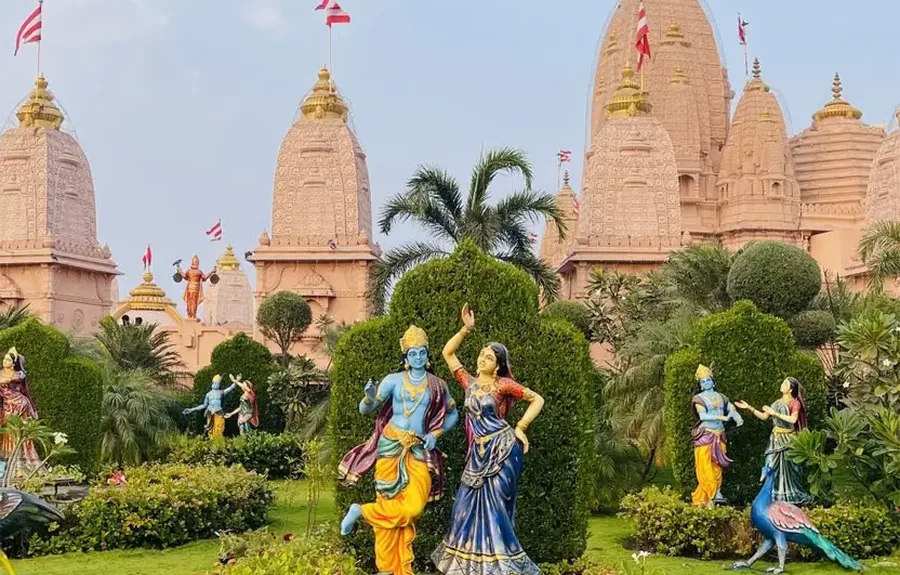
Lord Krishna was born in Mathura and spent his childhood among the cowherds and forests of Vrindavan, and the two towns sit right...
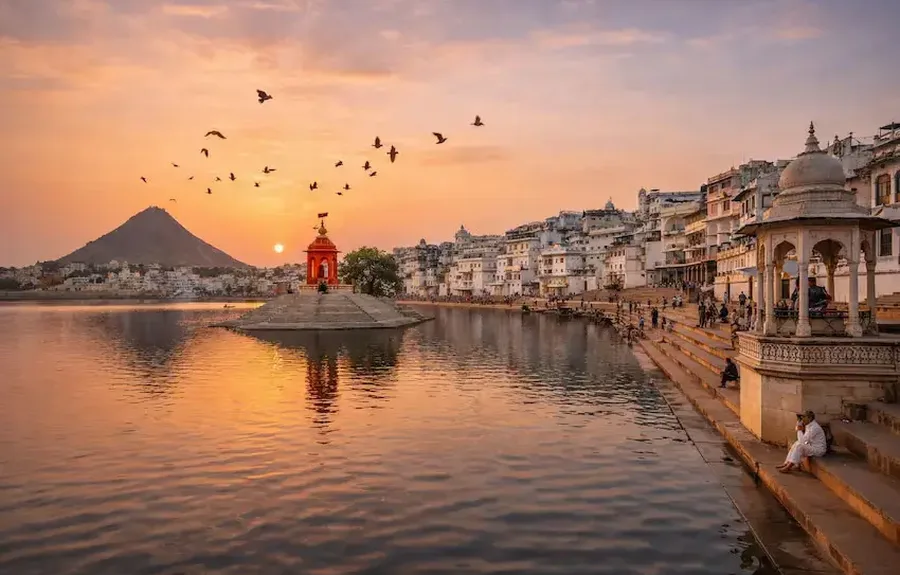
Sufi songs at a 13th-century shrine and temple bells over a sacred desert lake give the Golden Triangle Tour with Pushkar and Ajmer...
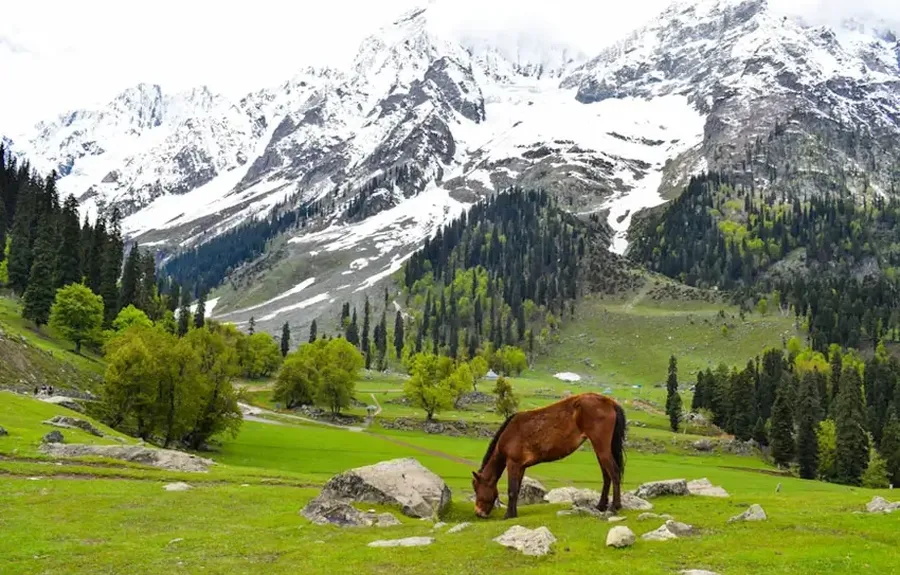
Mughal emperors built their tombs in Agra and Delhi, but they planted their pleasure gardens in Kashmir, and the Golden Triangle Tour with...
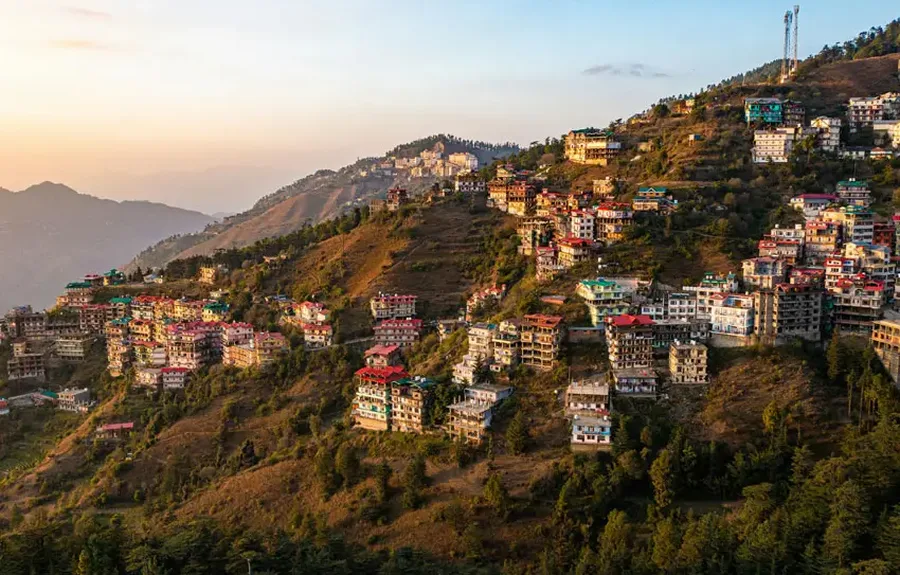
Cool pine air and a narrow-gauge railway that climbs through 102 tunnels are the reward at the end of the Golden Triangle Tour...