Delhi - Jaipur - Pushkar - Jodhpur - Ranakpur - Udaipur
Ten days is the sweet spot for a first trip to Rajasthan: long enough to reach the lakes of the south, short enough to fit into most holidays. The 10 Days Rajasthan Tour Package from Delhi runs for 9 nights and links the four places that most visitors dream of: Jaipur, the pink capital of forts and bazaars; Pushkar, the holy lake town; Jodhpur, the blue city under the giant Mehrangarh Fort; and Udaipur, the city of lakes and white palaces. On the drive south, the route stops at Ranakpur, whose marble Jain temple with 1,444 carved pillars is one of the finest buildings in India.
You travel the whole way in a private air-conditioned car with a seasoned English-speaking driver, with local guides in each city. Three nights in Jaipur leave room for a morning with rescued elephants on a day visit with elephants at Elefantastic, where the herd is fed, walked and bathed, never ridden. If you have less time, our 8 days Rajasthan Tour covers a shorter version, and if you prefer to design the route yourself, our Rajasthan tour driver services let you hire the car and driver alone. All options sit among our Rajasthan tour packages.
Package Highlights
• Arrival night in Delhi and a smooth highway drive to Jaipur
• Amber Fort, City Palace, Jantar Mantar, Hawa Mahal and Nahargarh Fort
• Feeding, walking and bathing rescued elephants at Elefantastic
• Ajmer Sharif Dargah and the ghats of Pushkar Lake
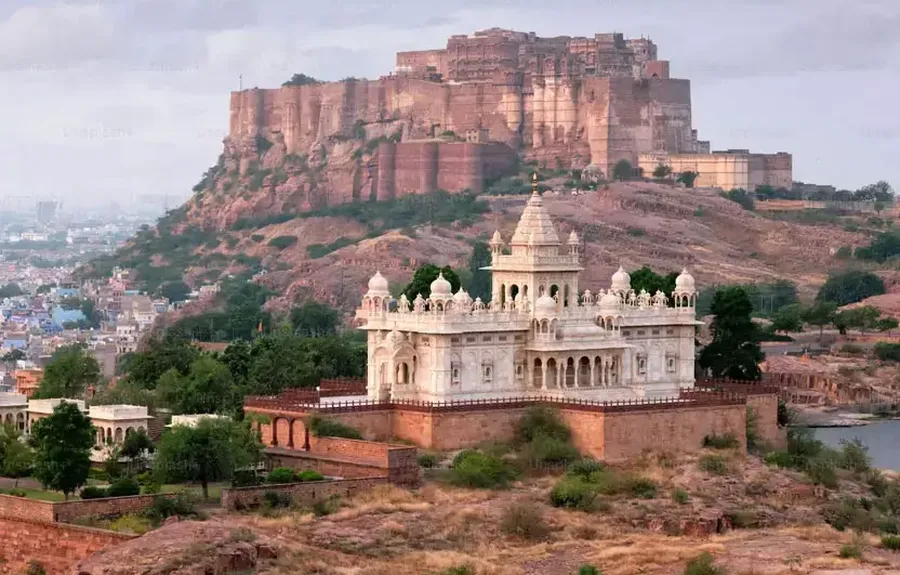
• Mehrangarh Fort, Jaswant Thada and the blue lanes of Jodhpur
• Marble Jain temple of Ranakpur with 1,444 carved pillars
• City Palace, Jagdish Temple and a boat ride on Lake Pichola in Udaipur
• Private car and driver for all ten days
Land at Indira Gandhi International Airport and walk out to find our representative holding a board with your name. Your driver, who will stay with you all the way to Udaipur, takes you to a hotel in central Delhi in a comfortable air-conditioned car, a drive of about 45 minutes to an hour. Rajasthan drivers spend years on these roads and know the best tea stops, the cleanest washrooms and the shortcuts around traffic, so you are in safe hands from the very first evening. Bottled water is always in the car.
Check-in begins at 2:00 pm at most hotels, and for early morning arrivals we suggest booking the room from the night before. Today is free for rest. If you land early and want a short outing, your driver can take you past India Gate and the grand buildings of New Delhi, or to Connaught Place for a coffee and a first taste of Indian street life. Keep the evening quiet, as tomorrow involves a drive of five to six hours into Rajasthan, and you will want to be fresh for the afternoon sightseeing in Jaipur.
Our coordinator meets you at the hotel with a printed itinerary, hotel vouchers and a 24-hour helpline number, and goes through the route day by day. October to March is the most comfortable season in Rajasthan, with warm days and cool nights, while April to June can be very hot and July to September brings monsoon rains that turn the hills green. Light cotton clothes, a warm layer for desert nights, a sun hat and comfortable walking shoes will cover most needs. Overnight stay at your hotel in Delhi.
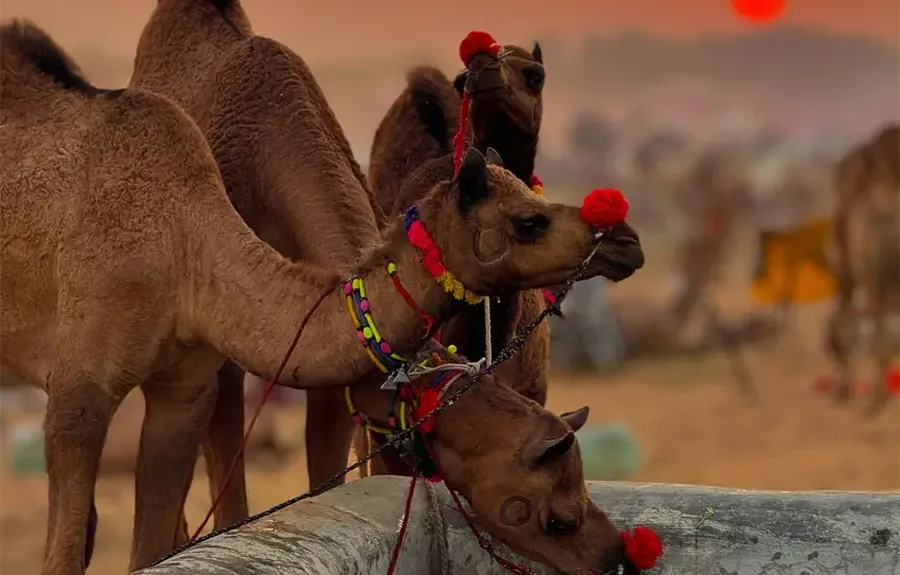
After an early breakfast, leave Delhi and head south-west on the national highway towards Jaipur, about 270 km away. The drive takes five to six hours with a stop for tea and lunch. As the city fades, the road passes through the industrial belt of Gurugram and then into the rural countryside of Haryana and Rajasthan. You will start to see camel carts, women in bright odhnis and the low brown ridges of the Aravalli hills, which mark your arrival in Rajasthan. Your driver will stop whenever you want a photograph.
On reaching Jaipur, check in at your hotel and meet your local guide in the afternoon for a first look at the old walled city. The City Palace still houses the family of the former maharaja, and its public courtyards hold museums of royal clothing, weapons, carpets and miniature paintings. The four painted gates of the Pritam Niwas Chowk, each representing a season, are some of the most photographed doors in India. Across the road lies Jantar Mantar, the 18th-century observatory of Maharaja Sawai Jai Singh II, listed by UNESCO for its giant stone instruments.
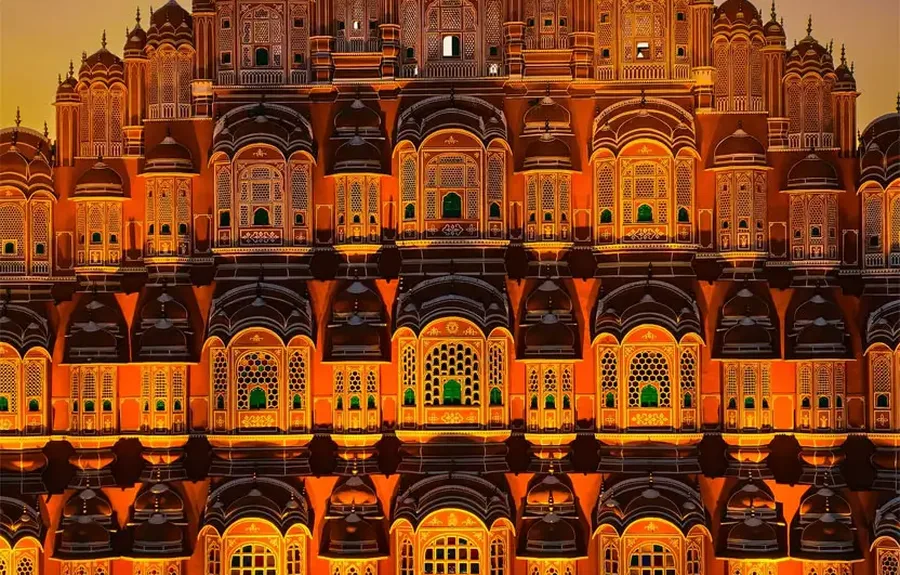
Late in the afternoon, stop in front of the Hawa Mahal, the Palace of Winds, built in 1799 with 953 small windows so that royal women could watch the city without being seen. The best view is from the rooftop cafés across the road, where you can sip a cup of masala chai as the sun lights up the pink sandstone. Then walk through Johari Bazaar, where shops sell silver jewellery, gemstones and lac bangles. Dinner can be at your hotel or a local restaurant serving dal baati churma. Overnight stay at your hotel in Jaipur.
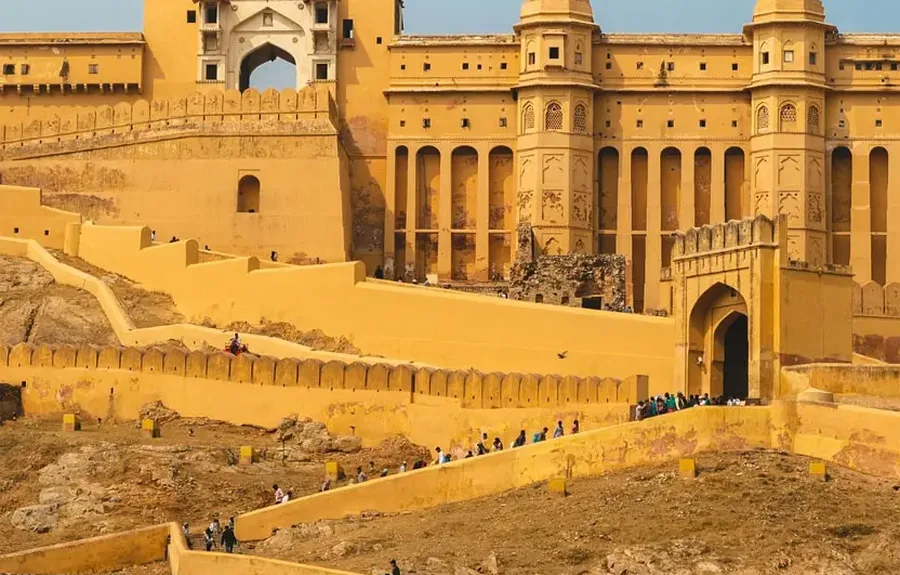
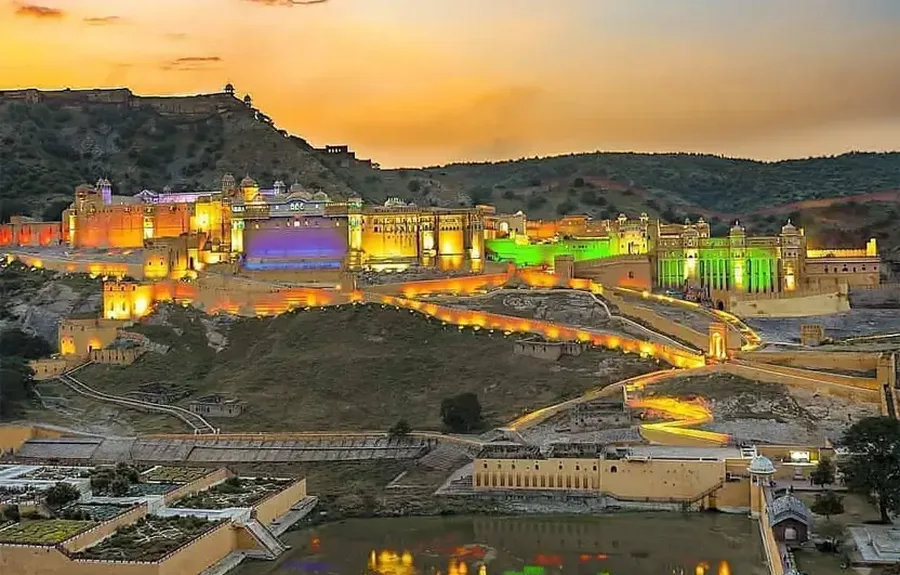
Set out early for Amber Fort, about 11 km north of the city, which opens at 8:00 am. The fort was the capital of the Kachwaha Rajputs for six centuries before Jaipur was built, and its golden walls climb a hillside above Maota Lake. A jeep takes you up to the main gate, avoiding the steep ramp. Inside, your guide leads you through the Diwan-i-Am, the Ganesh Pol with its painted arch, and the Sheesh Mahal, whose mirrored ceiling once glittered like stars in candlelight. Allow about two hours for the visit.
Close to the fort, visit Panna Meena Ka Kund, a 16th-century stepwell with criss-crossing staircases that form a perfect geometric pattern. It was built to store rainwater and served as a cool meeting place for villagers. On the way back to the city, stop for photographs of Jal Mahal, the water palace that appears to float in Man Sagar Lake, especially beautiful in the morning light. Return to the city for lunch, and spend the early afternoon resting at your hotel or visiting a block-printing workshop to see how Jaipur's famous fabrics are made.
In the late afternoon, drive up to Nahargarh Fort, built in 1734 on the ridge overlooking the city as a retreat for the royal family. Its terraces offer the best sunset views in Jaipur, with the whole city spread out below and the lights coming on as darkness falls. The fort's Madhavendra Bhawan has a series of identical suites built for the king's queens, all connected by corridors. Enjoy a drink at the fort's café as the sky changes colour, then return to your hotel for dinner. Overnight stay at your hotel in Jaipur.
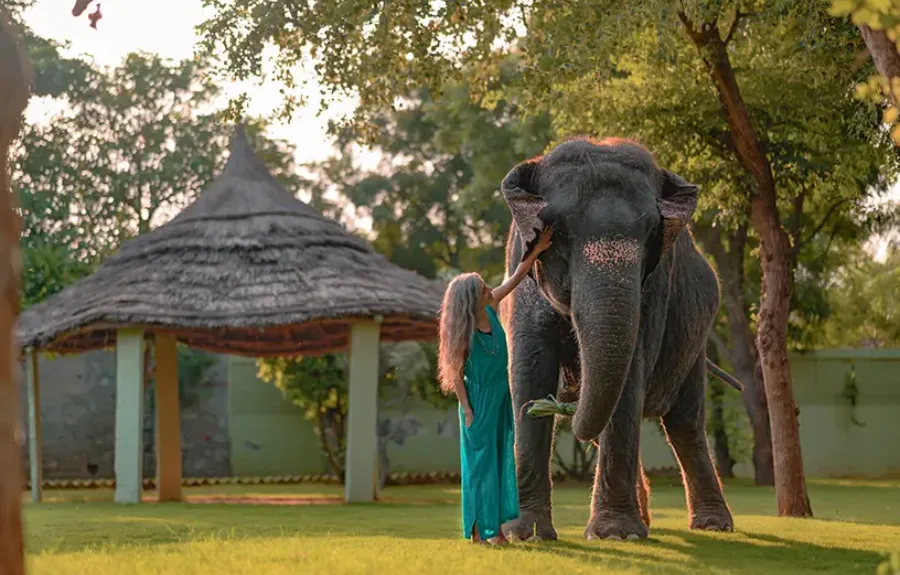
Today begins at the Elefantastic sanctuary on the outskirts of Jaipur, where the team collects you from your hotel. This is an appointment-only visit, and each guest is paired with one elephant for the whole session. After meeting the herd and their keepers, you learn how the elephants live, what they eat and how they are cared for. Then you prepare a basket of bananas, sugarcane and seasonal fruit and feed your elephant by hand. The quiet, rural setting and the gentle manner of the elephants make this one of the happiest mornings of the tour.
After feeding, walk with your elephant through the grounds and then help with bath time, splashing water and scrubbing its thick skin as it relaxes. Elefantastic does not offer rides, does not use chains during visits and holds no shows, so every moment follows the natural pace of the animals. Wear clothes that can get wet, and bring a change. If you would like more time with the herd, the sanctuary also offers a rare night stay with elephants. Please book only through official channels, as the sanctuary is not in Hathi Gaon (Elephant Village).
After lunch, visit the Albert Hall Museum, the oldest museum in Rajasthan, set in a fine Indo-Saracenic building finished in 1887. Its galleries hold carpets, pottery, metalwork, armour and an Egyptian mummy, and the building is beautifully lit after dark. In the evening, you may like to see a traditional puppet show, watch a film at the famous Raj Mandir cinema, a 1970s art deco movie palace, or relax at the hotel. Pack your bags tonight, as tomorrow you leave for Pushkar by way of Ajmer. Overnight stay at your hotel in Jaipur.
After breakfast, drive about 135 km to Ajmer, a trip of around two and a half hours on a good highway. Ajmer is home to the Dargah Sharif, the shrine of the Sufi saint Khwaja Moinuddin Chishti, who died in 1236 and is revered by people of every faith. Your guide leads you through the busy market lanes to the white marble tomb, where pilgrims offer rose petals and embroidered cloths. Heads must be covered, and shoes are left at the entrance. The atmosphere is intense and devotional, with qawwali singers often performing in the courtyard.
From Ajmer, cross the Nag Pahar hills to Pushkar, only 15 km away. Pushkar is one of the oldest towns in India and one of the holiest sites in Hinduism, built around a small lake said to have been created by Lord Brahma. Check in at your hotel and have lunch at a rooftop café overlooking the water. The town is entirely vegetarian, and alcohol is not served, so it is a good place to try a thali, fresh juice and the local sweet malpua. In the afternoon, rest or browse the bazaar, which sells textiles, silver and leather goods.
In the late afternoon, your guide takes you to the Brahma Temple, one of very few temples in the world dedicated to the creator god, with its red spire and marble floor inlaid with coins. Then walk down to the ghats around Pushkar Lake to watch the evening aarti, when priests wave flaming lamps over the water to the sound of bells and chanting. Photography of bathers is not allowed, and some priests may offer a puja for a donation, which your guide can help you decline politely. Overnight stay at your hotel in Pushkar.
Wake early if you would like to see sunrise from the Savitri Temple on a hill above the town, reached by a ropeway or a steep 45-minute walk. The view over the lake, the town and the surrounding desert is lovely in the soft morning light. Return to your hotel for breakfast, then check out and set off for Jodhpur, about 190 km and four hours away. The road runs through the semi-desert heart of Rajasthan, with herds of goats, camel carts and villages of round mud huts with thatched roofs along the way.
On the way, your driver can stop at a Bishnoi village, home to a community famous for its love of nature and wildlife. The Bishnois follow 29 rules of conservation, protecting trees and animals such as the blackbuck antelope, which can often be seen grazing near their villages. You can visit a family home to see their simple, clean courtyards and watch a potter or weaver at work. Many Bishnoi men still wear white turbans and the women bright red and orange odhnis. Lunch can be taken at a roadside dhaba.
Arrive in Jodhpur in the afternoon and check in at your hotel, ideally a heritage haveli in the old city with views of Mehrangarh Fort, which rises dramatically on a rocky ridge above the town. Jodhpur is known as the Blue City because of the indigo-painted houses of its old quarter. In the evening, walk to a rooftop restaurant to watch the fort glow golden at sunset and then light up after dark. Try local dishes such as laal maas or ker sangri, a tangy desert vegetable dish. Overnight stay at your hotel in Jodhpur.
After breakfast, your guide takes you up to Mehrangarh Fort, one of the largest and most impressive forts in India, built from 1459 by Rao Jodha. Its massive walls rise 36 metres above the rock, and inside, a series of palaces are decorated with carved stone screens, mirrored halls and painted ceilings. The Moti Mahal, the Phool Mahal and the Sheesh Mahal are highlights, and the museum holds palanquins, howdahs, weapons and royal cradles. The audio guide is excellent, and the views over the blue city from the ramparts stretch to the desert horizon.
A short drive from the fort brings you to Jaswant Thada, a white marble cenotaph built in 1899 in memory of Maharaja Jaswant Singh II. The marble is so thin that it glows when sunlight shines through it, and the memorial is set in peaceful gardens beside a small lake. After lunch, walk with your guide through the old city and the blue lanes of Brahmpuri, where the houses are painted in shades of indigo. The narrow alleys, small temples and friendly residents make it a lovely walk, and your guide will share stories about the city's history.
In the late afternoon, visit Toorji Ka Jhalra, an 18th-century stepwell restored in recent years and now surrounded by cafés and shops. Then walk to the Clock Tower market, also known as Sardar Market, where traders sell spices, textiles, vegetables and handicrafts in a lively scene. Try a mirchi bada, a spicy chilli fritter, and a makhaniya lassi, a rich saffron yoghurt drink, both local favourites. The clock tower is lit up in the evening, and the market stays busy until late. Overnight stay at your hotel in Jodhpur.
After breakfast, drive about 170 km to Ranakpur, a drive of around three and a half hours through the green Aravalli hills. The road climbs through villages, farmland and forest, and you may see langur monkeys and peacocks along the way. Ranakpur is home to the Chaumukha Jain Temple, built in the 15th century from white marble and dedicated to Adinath, the first Tirthankara. Non-Jain visitors are allowed in from around 12:00 pm to 5:00 pm, and leather items, food and shorts are not permitted inside the temple complex.
Inside, the temple is a forest of 1,444 marble pillars, each carved differently, supporting domes and ceilings covered with intricate patterns of flowers, dancers and mythical figures. Light filters through the open courtyards, changing the mood of the hall through the day. Your guide explains the Jain beliefs and the legends of the temple's construction, which took more than 50 years. After the visit, enjoy a simple vegetarian lunch at the temple's dining hall or a nearby resort. The surrounding forest and hills make Ranakpur a peaceful place.
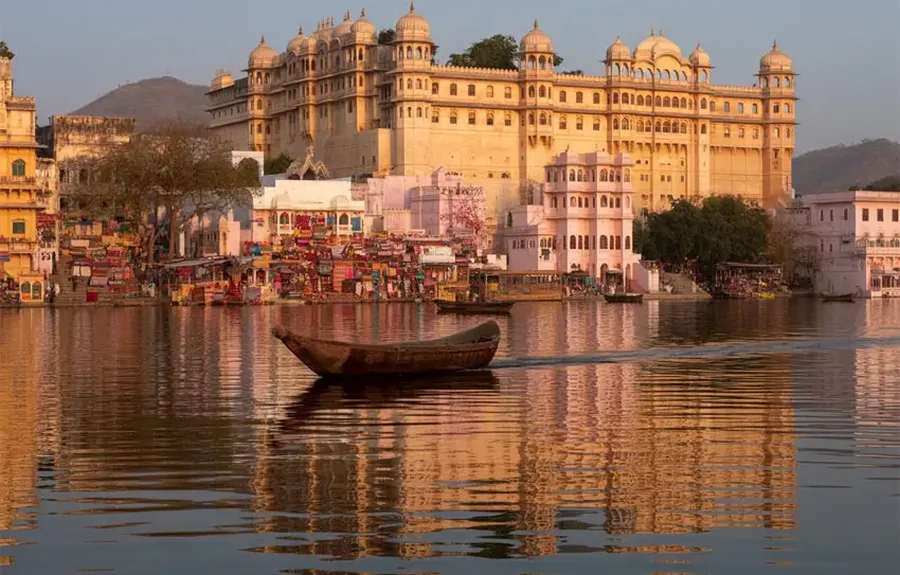
Continue to Udaipur, about 95 km and two hours away, through winding hill roads with views of valleys and small lakes. Arrive in the evening and check in at your hotel near the lakes. Udaipur, the City of Lakes, was founded in 1559 by Maharana Udai Singh II and is often called the most romantic city in India, with its white palaces, ghats and temples reflected in the water. Enjoy dinner at a lakeside terrace as the lights of the City Palace and the Lake Palace shimmer on Lake Pichola. Overnight stay at your hotel in Udaipur.
After breakfast, your guide takes you to the City Palace of Udaipur, the largest palace complex in Rajasthan, built over nearly 400 years by the Maharanas of Mewar. Its many courtyards, balconies and towers rise above the eastern shore of Lake Pichola. Inside, highlights include the Mor Chowk with its peacock mosaics in coloured glass, the Zenana Mahal and the Crystal Gallery, which holds a collection of crystal furniture ordered from England in 1877 but never used. The views over the lake from the upper terraces are superb.
Next, walk to the nearby Jagdish Temple, an Indo-Aryan temple built in 1651 and dedicated to Lord Vishnu, with finely carved walls and a large bronze image of Garuda at the entrance. After lunch, visit Saheliyon Ki Bari, the Garden of the Maidens, an 18th-century garden with fountains, lotus pools and marble elephants built for the royal ladies. Then drive along the shore of Fateh Sagar Lake, where locals gather in the evenings. If you enjoy art, visit a miniature painting studio to see artists at work with fine squirrel-hair brushes.
In the late afternoon, enjoy a boat ride on Lake Pichola, gliding past the ghats, the City Palace and the Lake Palace, now a luxury hotel. The boat stops at Jag Mandir, an island palace with gardens where you can watch the sunset over the hills. In the evening, attend the Dharohar folk dance show at Bagore Ki Haveli, featuring traditional Rajasthani dances, music and puppetry. End your Rajasthan holiday with a farewell dinner at a rooftop restaurant overlooking the illuminated palaces. Overnight stay at your hotel in Udaipur.
After breakfast, your driver transfers you to Udaipur airport for your flight to Delhi and onward international connection. Keep at least four hours between flights. To combine Rajasthan with the Taj Mahal on a future trip, see our Golden Triangle with Rajasthan Tour.
Our assorted tours, for your first, second or nth time to India!
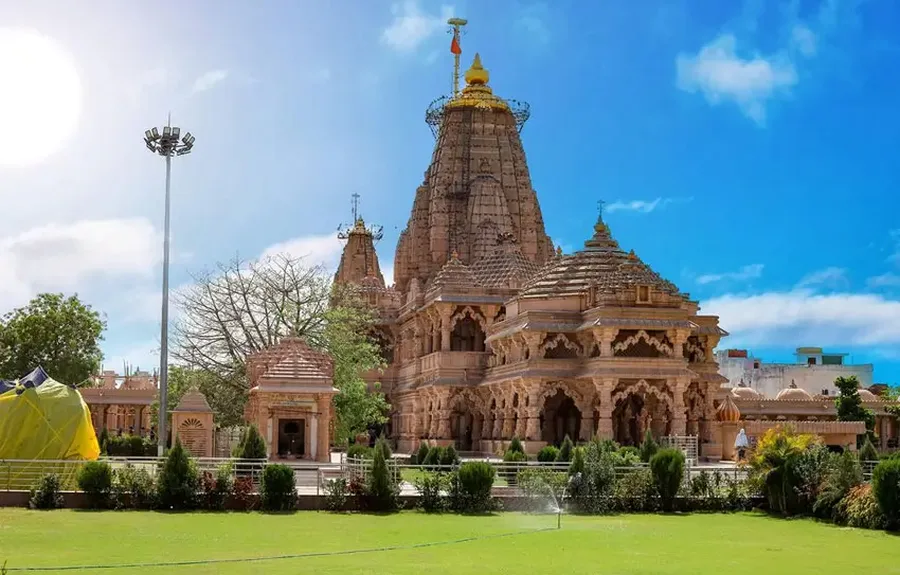
Beyond the famous desert cities lies a greener Rajasthan of lakes, wooded hills and small royal capitals that most visitors never reach. The...
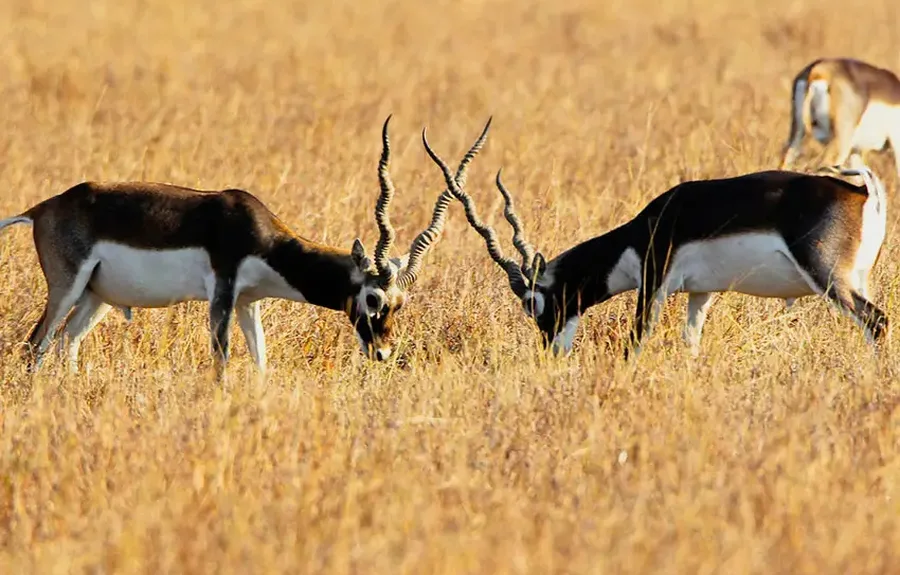
More than 500 bird species have been recorded in Rajasthan, from wintering cranes and pelicans on the wetlands of the east to sandgrouse,...
Rajasthan rewards patience, and the Rajasthan Tour for Senior Travelers is designed to let you enjoy it without strain. Over 11 nights and...
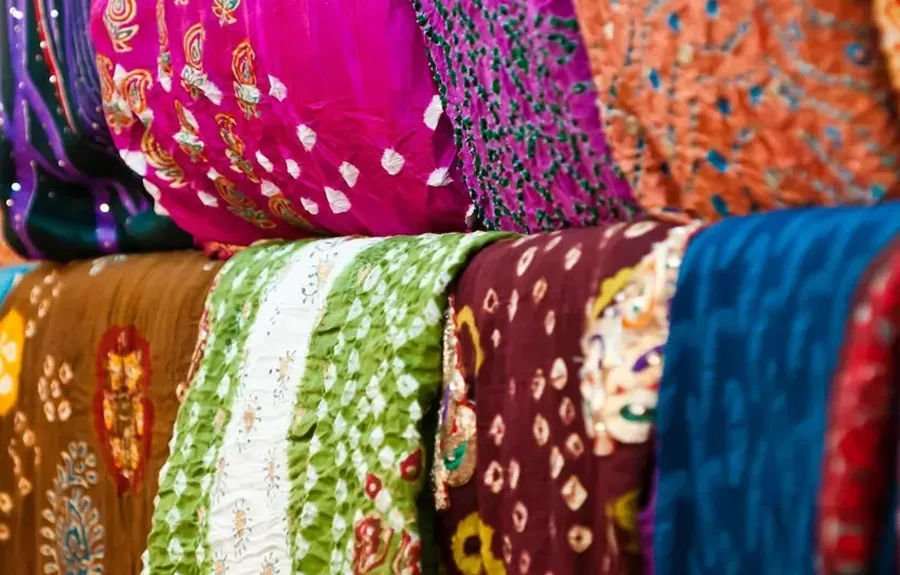
Almost every village in Rajasthan is known for a craft, and many of them are still practised by hand in family workshops, exactly...
Most visitors see Rajasthan through a car window between one fort and the next. The Rajasthan Slow Travel Tour takes the opposite approach...
Lamps on every ghat, palaces outlined in light and fireworks reflected in still water make Diwali in Udaipur one of the loveliest festival...
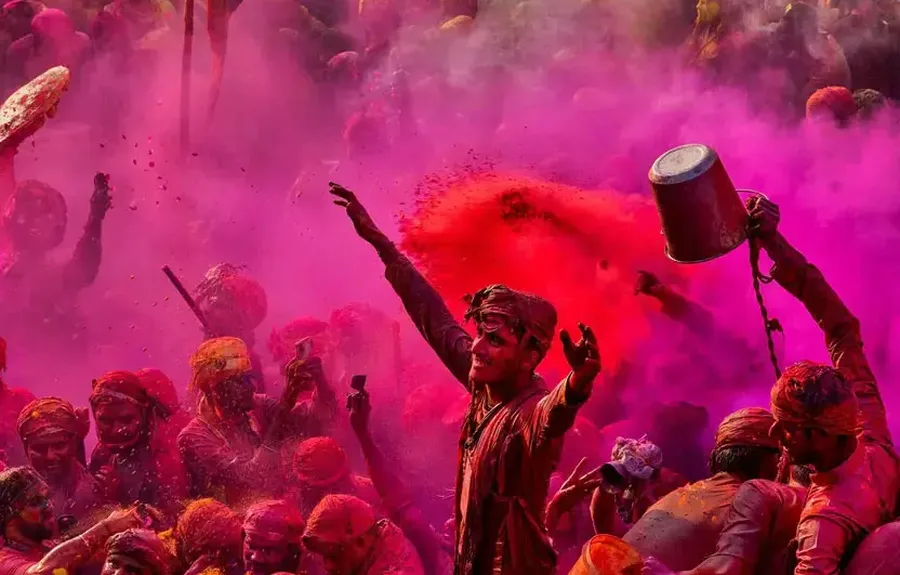
Holi arrives with the full moon of Phalgun, usually in March, when winter ends, the wheat turns gold and the whole of North...
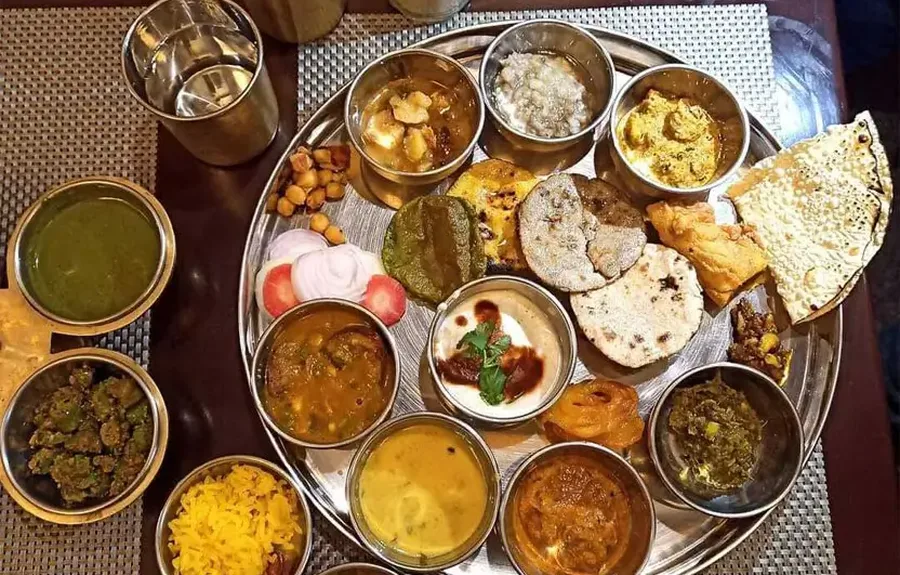
Desert cooking is a cuisine of clever survival. With little water and few fresh vegetables, Rajasthani cooks built a whole kitchen around dried...
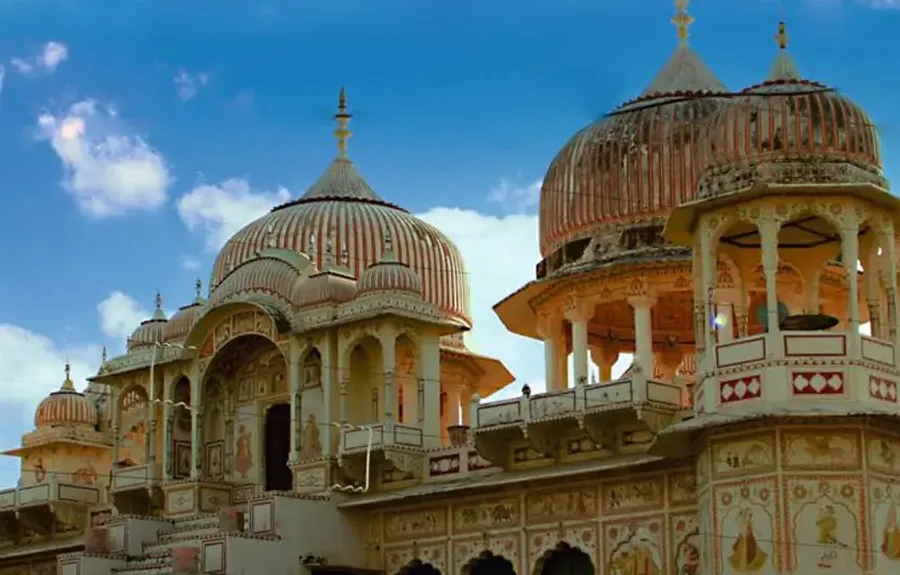
Turbans in saffron and magenta, indigo walls, golden sandstone and white marble reflected in still lakes: Rajasthan may be the most colourful state...
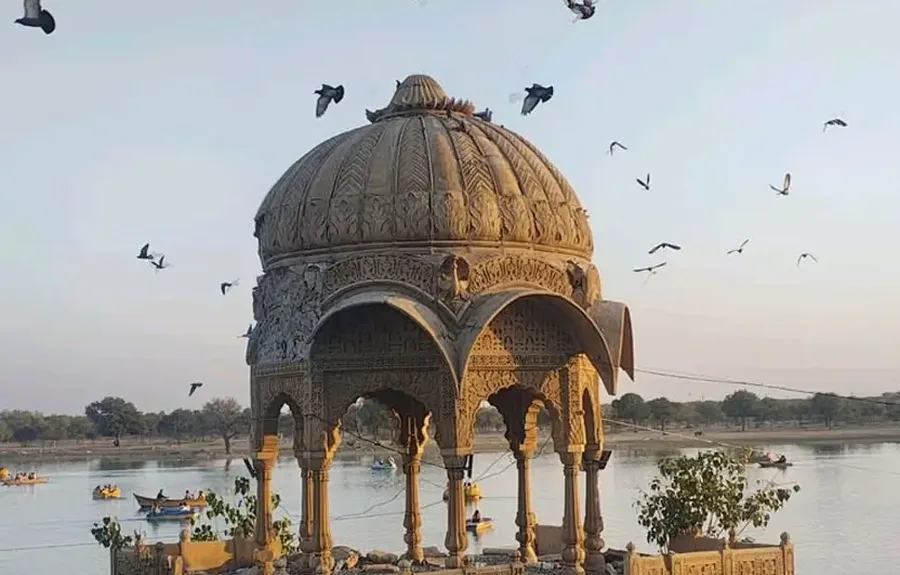
For a few days each autumn, around 50,000 camels, horses and cattle gather on the sands outside a small holy town, along with...