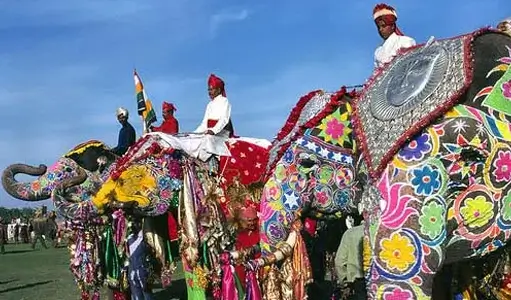
India has shared a unique relationship with elephants for thousands of years. These gentle giants are deeply woven into the country's history, culture, and spiritual traditions. However, growing awareness about animal welfare has changed the way many travelers choose to experience elephants. Instead of supporting attractions that involve elephant rides, performances, or other exploitative activities, more visitors are now seeking ethical elephant sanctuaries where animal welfare comes first.
Ethical elephant sanctuaries focus on rescue, rehabilitation, conservation, and compassionate care. Their goal is not to entertain visitors but to provide elephants with a safe environment where they can recover, express natural behaviors, and receive proper veterinary attention. These sanctuaries also educate travelers about elephant welfare and encourage responsible tourism that benefits both animals and local communities.
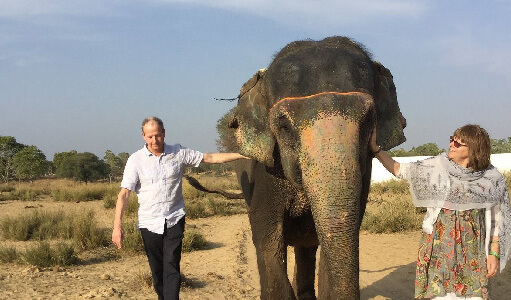
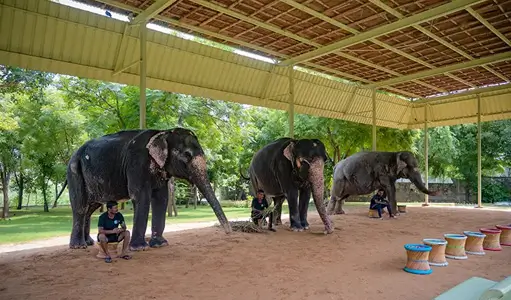
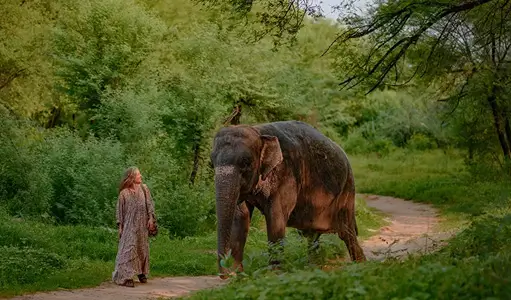
Visiting an ethical sanctuary offers a completely different experience. Instead of watching elephants perform tricks, visitors spend time observing their natural behavior, learning their rescue stories, understanding their personalities, and appreciating the incredible intelligence and emotional depth of these magnificent animals.
Whether you're planning your first trip to India or searching for a meaningful wildlife experience, this guide highlights some of the country's best ethical elephant sanctuaries and explains how to choose responsible elephant encounters.
The best ethical elephant sanctuaries in India prioritize elephant welfare over entertainment. They do not promote elephant riding or forced performances and instead focus on rescue, rehabilitation, veterinary care, enrichment, and education. Popular ethical destinations include Elefantastic Jaipur, Wildlife SOS Mathura, The Elephant Freedom Project in Kerala, and several other conservation-focused initiatives across India.
For many years, elephants were commonly used in tourism, religious ceremonies, logging, and entertainment. While some facilities continue these traditional practices, many organizations now recognize the importance of providing elephants with environments that support their physical and emotional well-being.
Responsible elephant tourism encourages experiences where visitors can:
Choosing ethical experiences helps create demand for higher animal welfare standards across the tourism industry.
Not every attraction that calls itself an "elephant sanctuary" follows the same standards. For this guide, we've focused on places that are widely recognized for promoting responsible elephant care and educational visitor experiences.
When evaluating sanctuaries, we considered factors such as:
Because management practices can change over time, we always recommend checking the latest visitor guidelines before booking and choosing facilities that clearly explain their animal welfare policies.
One of the biggest questions travelers ask is how to distinguish an ethical sanctuary from a traditional tourist attraction.
While every facility operates differently, responsible elephant sanctuaries generally share several important principles:
Rescue and Rehabilitation
Many ethical sanctuaries provide lifelong care for elephants rescued from difficult situations, including overwork, neglect, or unsuitable living conditions. Rehabilitation focuses on improving both physical and emotional health.
Freedom of Movement
Ethical facilities allow elephants to move naturally throughout the day, socialize with other elephants, and engage in behaviors such as walking, foraging, bathing, and resting.
Veterinary Care
Routine health checks, preventive medicine, nutritional planning, and specialized treatment help ensure every elephant receives appropriate medical attention throughout its life.
Positive Human Interaction
Caretakers build trust through patience, consistency, and positive reinforcement rather than fear or punishment. Visitors are encouraged to respect the elephants' comfort and personal space.
Education Over Entertainment
Instead of performances or tricks, ethical sanctuaries teach visitors about elephant biology, conservation, rescue stories, and responsible tourism.
Before booking any elephant activity, consider these questions:
The more transparent an organization is about its welfare practices, the more confidence visitors can have in supporting responsible tourism.
The following sanctuaries have earned recognition for their commitment to responsible elephant care, visitor education, and conservation. Each offers a unique experience while sharing the common goal of improving elephant welfare.
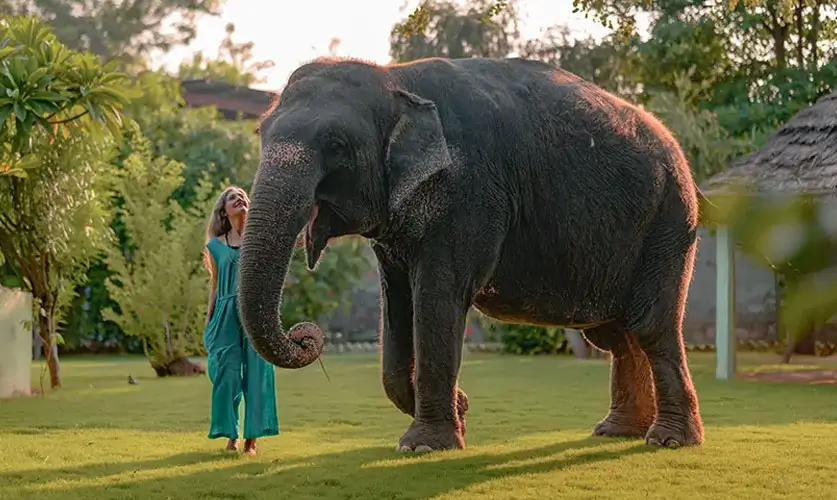
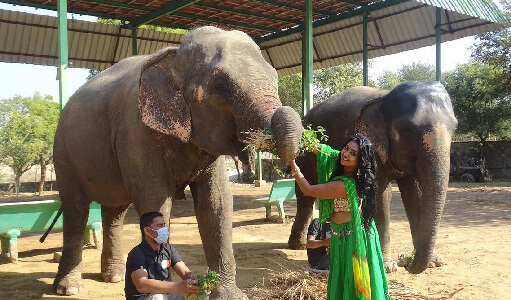
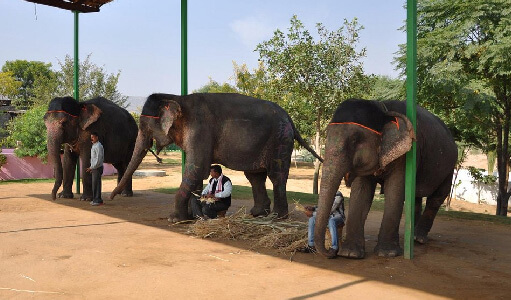
Located just outside Jaipur, Elefantastic has become one of India's best-known ethical elephant experiences. Rather than treating elephants as tourist attractions, the sanctuary focuses on creating meaningful interactions built on respect, trust, and education.
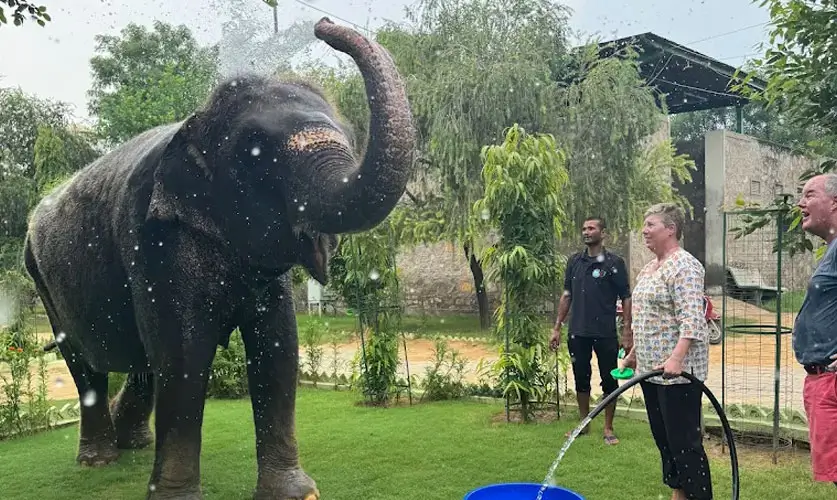
Visitors spend time learning about each elephant's personality, daily routine, nutritional needs, and rescue journey. Experiences are designed to encourage understanding rather than entertainment, allowing guests to appreciate elephants in a calm and natural setting.
Highlights include:
The sanctuary emphasizes quality over quantity, making each visit informative, memorable, and focused on elephant welfare.
Discover the best elephant sanctuaries in India with responsible wildlife experiences and caring local guides — perfect for mindful travellers.
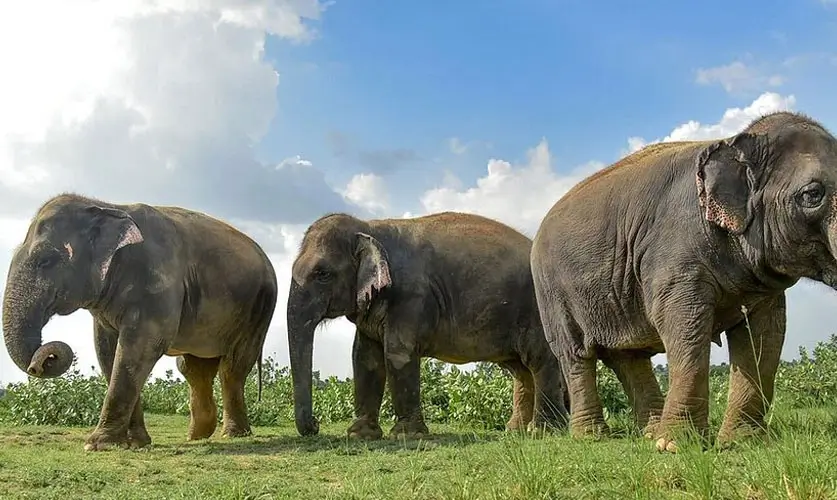
One of India's most respected elephant rescue organizations, Wildlife SOS Elephant Conservation & Care Centre in Mathura is dedicated to rescuing elephants that have suffered from abuse, neglect, illegal captivity, or years of exhausting work. Many of the elephants living here have been rescued from circuses, street begging, logging operations, and other situations where their welfare was compromised.
Unlike traditional tourist attractions, Wildlife SOS focuses entirely on rehabilitation rather than entertainment. Visitors observe elephants from a respectful distance while learning about their rescue stories, medical treatments, and long-term recovery.
Best For: Conservation education and responsible wildlife tourism.
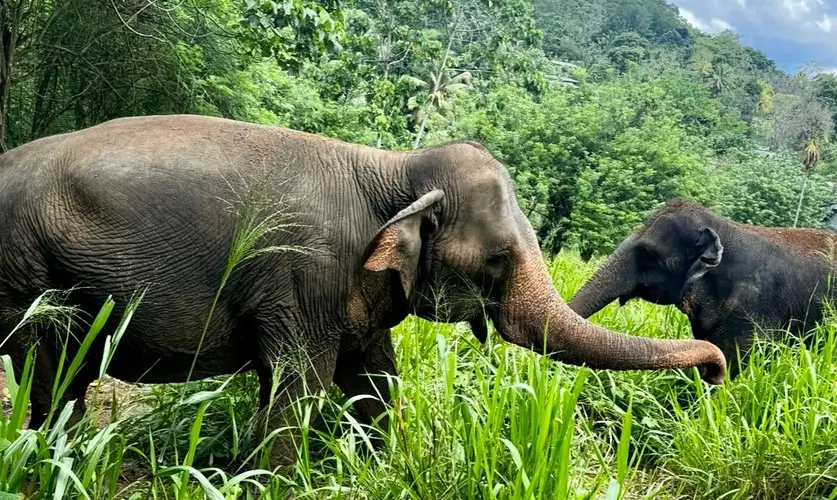
Located in the lush landscapes of Kerala, The Elephant Freedom Project promotes compassionate elephant tourism by replacing traditional elephant activities with ethical experiences based on trust and respect.
The sanctuary encourages visitors to spend quiet time with elephants rather than participating in commercial entertainment. Guests learn about elephant behavior, feeding routines, and conservation while supporting rescued animals living in a peaceful environment.
Many travelers appreciate the personal atmosphere, where every visit feels more like spending time with friends than visiting a commercial attraction.
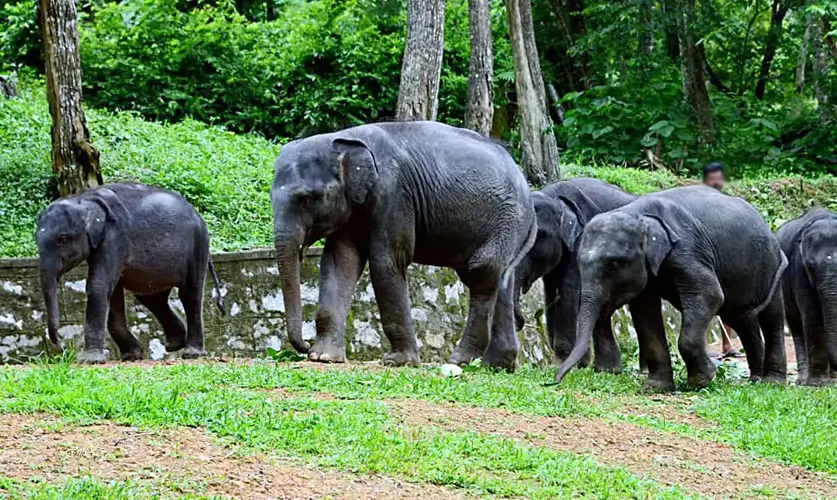
Surrounded by Kerala's beautiful forests, Tree Tops Elephant Reserve provides a peaceful environment where elephants can live with greater freedom while visitors experience responsible elephant tourism.
Instead of rushing through activities, guests are encouraged to slow down, observe elephant behavior, and understand how these intelligent animals communicate with one another.
This sanctuary is particularly suitable for travelers seeking a quiet and immersive wildlife experience.
Get expert planning and curated itineraries for sanctuary tours across India - meaningful experiences with expert guides.
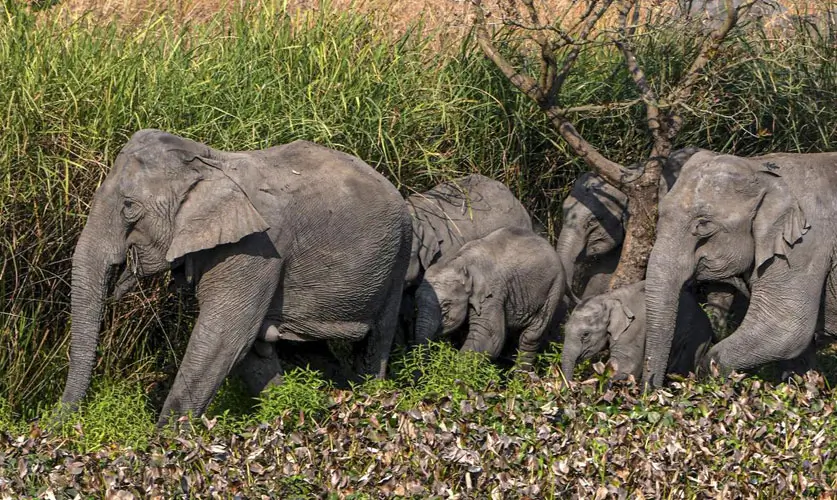
Assam is home to one of India's largest wild elephant populations, making elephant conservation especially important in the region.
The Assam Elephant Foundation supports elephants affected by habitat loss, injury, and human-elephant conflict. The organization works closely with local communities, veterinarians, and conservation experts to improve elephant welfare while encouraging peaceful coexistence between people and wildlife.
Visitors gain valuable insight into:
Rather than offering close interaction, the emphasis is on education and long-term conservation.
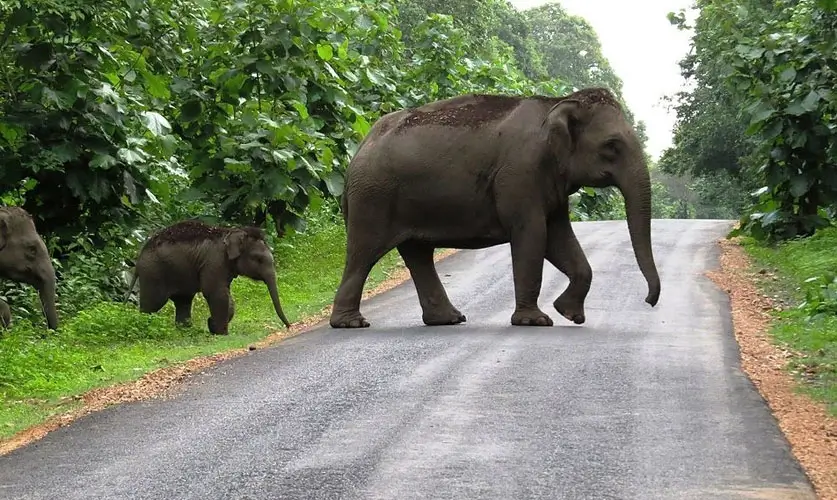
Jumbostay provides a calm care environment for elephants who have retired from stressful or abusive work. The facility emphasises emotional healing, slow routines, healthy food and kindness. Visitors can participate in activities like preparing fruit bundles, watching elephants bathe in natural pools and learning about their individual personalities.
The sanctuary follows a quiet and nurturing approach, making it a peaceful destination for travellers seeking an intimate, caring experience.
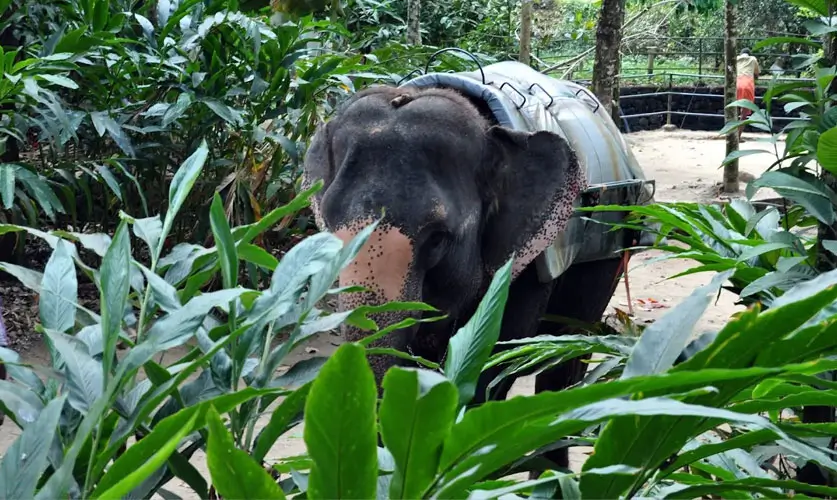
Some tourism operators in Kerala have begun transitioning toward more responsible elephant experiences.
Certain programs at Elephant Junction now place greater emphasis on education, feeding, and welfare while reducing practices traditionally associated with elephant tourism.
Before booking, visitors should carefully review the specific activities being offered and choose programs that align with responsible wildlife tourism principles.
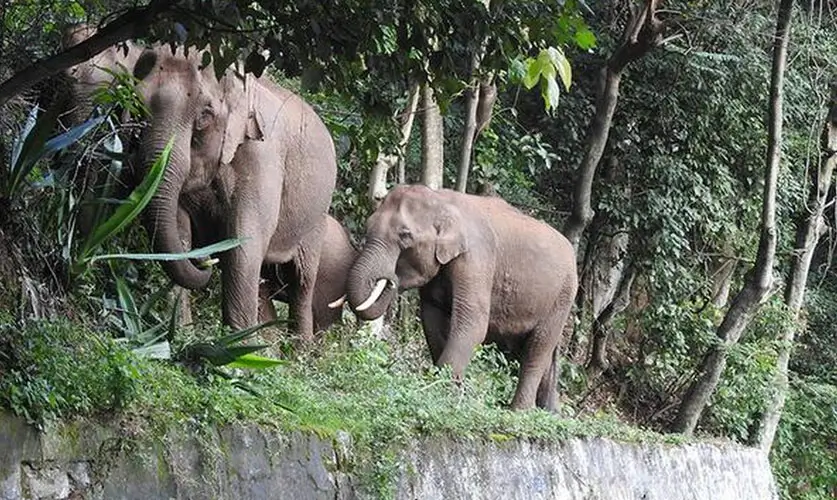
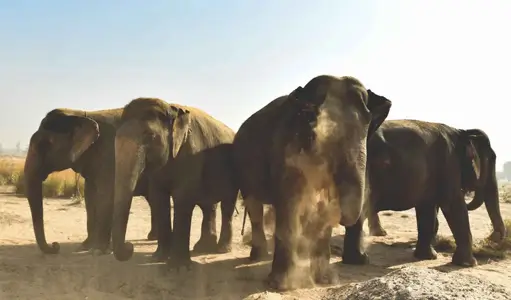
This retreat offers a natural habitat-like environment for elephants to recover emotionally and physically. Visitors observe elephants roaming in open fields, interacting peacefully with caretakers and enjoying their daily routine. The focus is on calm observation rather than direct physical interaction. The retreat educates travellers about ethical tourism and encourages conscious behaviour.
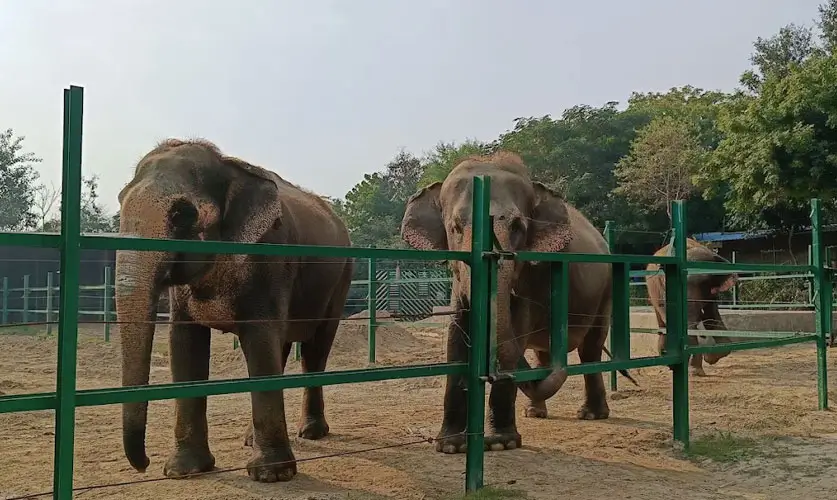
Elephants here are given special diets, healing space, medical support and limited human interference. Visitors learn about the physical and emotional needs of elephants and the long-term effects of exploitation. The sanctuary promotes respect, distance and peaceful observation rather than commercial activities.
Ethical sanctuaries play a crucial role in protecting elephants from cruelty and overwork. Tourism that involves riding, circus shows or forced labour can cause long-term injury, stress and trauma. Ethical sanctuaries replace these harmful practices with kindness, education and protection.
Visitors who support ethical elephant tourism help create demand for cruelty-free travel. This inspires more sanctuaries to adopt humane practices and encourages traditional owners to shift from exploitation to welfare.
Travellers experience deeper emotional connection when elephants are treated with love, respect and compassion. That connection stays with them long after the journey ends.
| Sanctuary | Location | Best For | Ethical Focus |
| Elefantastic | Jaipur, Rajasthan | Interactive educational experiences | Rescue, welfare & visitor education |
| Wildlife SOS | Mathura, Uttar Pradesh | Rescue & rehabilitation | Medical care & conservation |
| Elephant Freedom Project | Kerala | Small-group ethical experiences | Rescue & compassionate care |
| Tree Tops Elephant Reserve | Kerala | Nature lovers | Forest-based ethical tourism |
| Assam Elephant Foundation | Assam | Conservation learning | Habitat protection |
| Elephant Junction* | Kerala | Educational experiences | Responsible tourism initiatives |
*Always review current visitor policies before booking, as programs and practices may change over time.
With many attractions advertising "ethical elephant experiences," it is important to know what truly defines responsible elephant tourism.
Look for sanctuaries that:
Avoid places that rely heavily on performances, unnatural tricks, or activities that appear to prioritize entertainment over animal welfare.
When researching elephant experiences, consider avoiding facilities that:
Responsible tourism begins with informed decisions, and choosing ethical operators helps encourage better welfare standards across the industry.
Visiting an elephant sanctuary is about much more than taking beautiful photographs. It's an opportunity to understand elephant welfare, conservation, and the responsibility we all share in protecting these remarkable animals.
To make your visit meaningful while respecting the elephants, keep these simple guidelines in mind.
Before booking, research the sanctuary carefully. Read recent reviews, visit the official website, and understand the organization's philosophy toward elephant welfare.
The best sanctuaries openly explain:
Transparency is usually a good indicator of responsible management.
Every elephant has its own personality, comfort level, and daily routine.
Some elephants are naturally curious and enjoy interacting with visitors, while others prefer more distance.
Responsible sanctuaries never force interaction.
Allow elephants to:
Respecting these choices creates a far more authentic and meaningful wildlife experience.
Experienced caretakers understand each elephant's behavior, preferences, and mood.
Always listen carefully to their instructions regarding:
Following these guidelines keeps both visitors and elephants comfortable and safe.
Every responsible booking helps encourage better standards for elephant welfare.
Ethical tourism supports:
Choosing responsible experiences sends a clear message that modern travelers value compassion over exploitation.
Among India's ethical elephant experiences, Elefantastic Jaipur has earned recognition for creating meaningful interactions that focus on education, empathy, and respect.
Instead of treating elephants as entertainment, the team encourages visitors to understand each elephant's story, personality, and daily life.
Guests can learn about:
The experience is intentionally relaxed, allowing visitors to spend quality time learning rather than rushing through scheduled activities.
This approach creates lasting memories while promoting greater awareness about elephant welfare.
If meeting elephants respectfully is part of your India journey, choosing the right sanctuary makes all the difference.
At Elefantastic Jaipur, visitors enjoy carefully designed experiences that emphasize education, compassion, and responsible tourism. Every visit supports rescued elephants while giving travelers the opportunity to learn about their lives, personalities, and care from experienced local caretakers.
Whether you're visiting Jaipur as part of the Golden Triangle, a Rajasthan tour, or a longer India itinerary, an ethical elephant experience can become one of the most memorable moments of your trip.
Popular Experiences Include:
Choosing an ethical elephant sanctuary is about far more than checking another destination off your travel list. It's about supporting organizations that place compassion, conservation, and animal welfare at the heart of every visitor experience.
India is home to several inspiring initiatives that are helping rescued elephants live healthier and more peaceful lives while educating travelers about responsible wildlife tourism. By selecting sanctuaries that emphasize rescue, rehabilitation, veterinary care, and natural behavior, you contribute to a future where elephants are respected for who they are—not for what they can do.
Whether you choose Elefantastic Jaipur, Wildlife SOS Mathura, or another welfare-focused organization, your visit can help promote a more thoughtful and sustainable approach to elephant tourism.
Travel responsibly, learn with curiosity, and let every encounter deepen your appreciation for one of the world's most extraordinary animals.
Continue planning your India journey with these helpful guides:
Many travelers recommend Elefantastic Jaipur for its educational visitor experiences and compassionate elephant care, while Wildlife SOS Mathura is highly respected for rescue, rehabilitation, and conservation work. The best choice depends on the type of experience you're looking for.
Some are, while others may still follow practices that don't fully align with modern animal welfare standards. It's important to research each sanctuary carefully and choose organizations that prioritize rescue, rehabilitation, veterinary care, and responsible visitor experiences.
Policies vary between sanctuaries. Ethical facilities only allow interaction when it is safe, supervised, and comfortable for the elephants. Visitors should always follow the guidance of trained caretakers.
Responsible elephant sanctuaries generally focus on welfare, education, and natural behavior rather than entertainment. Before booking, review the sanctuary's current visitor policies to ensure they match your expectations for ethical tourism.
Wear lightweight, comfortable clothing suitable for outdoor activities. Closed-toe shoes, a hat, sunscreen, and a reusable water bottle are recommended, especially during warmer months.
Yes. Ethical sanctuaries can be excellent educational experiences for families. Children learn about wildlife conservation, responsible tourism, and the importance of treating animals with kindness and respect.
Most experiences last between two and four hours, although some sanctuaries also offer half-day or full-day educational programs.
Visitor contributions support food, medical care, staff salaries and rescue operations.
Yes, ethical sanctuaries are peaceful and educational for children.
The most comfortable months are generally from October to March, when temperatures are cooler and outdoor activities are more enjoyable.