India is a country that surprises travellers at every step. Ancient forts stand beside modern cities, sacred rivers flow past centuries-old temples, and colourful markets surround magnificent palaces. Every destination has its own history, traditions, architecture, cuisine, and local experiences that make travelling across India truly unforgettable.
Whether you're visiting India for the first time or planning a luxury private tour, choosing the right places can make your journey much more rewarding. From the iconic Taj Mahal to the spiritual ghats of Varanasi and the royal palaces of Rajasthan, India's famous attractions offer experiences that cannot be found anywhere else in the world.
This carefully curated guide highlights the top tourist attractions in India that every international traveller should consider. Along with famous landmarks, you'll also find practical travel tips, the best visiting season, nearby experiences, and recommendations for making your trip smoother with a private driver or customised itinerary.
India isn't just about sightseeing - it's about experiencing thousands of years of living history.
These iconic destinations allow travellers to:
Whether you're interested in luxury travel, photography, wildlife, history, spirituality or cultural immersion, India's famous attractions offer something for every type of traveller.
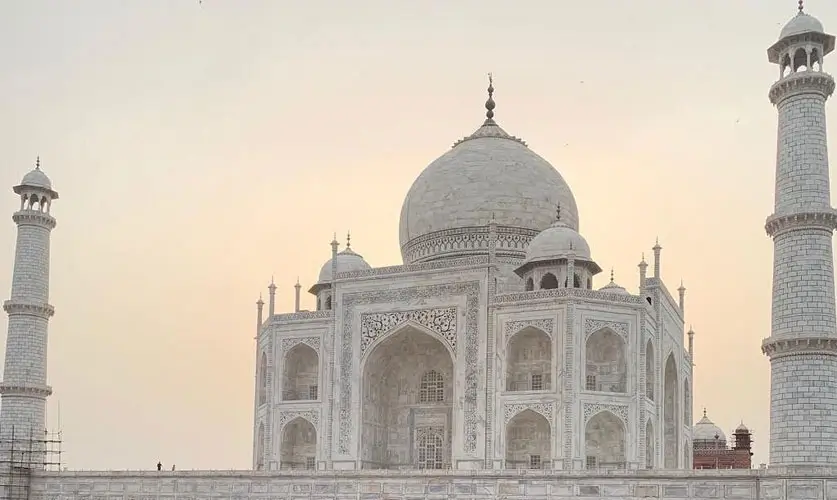
Few monuments in the world create the same emotional impact as the Taj Mahal. Built by Emperor Shah Jahan in memory of his beloved wife Mumtaz Mahal, this white marble masterpiece has become India's most recognised landmark and one of the Seven Wonders of the World.
The changing colours of the marble throughout the day make every visit unique. During sunrise, the monument glows with soft golden hues, while sunset creates beautiful pink reflections. Full moon nights offer an entirely different magical experience.
Visitors are often amazed by the intricate marble inlay work, Persian gardens, reflecting pools, and the perfect architectural symmetry that has fascinated historians and architects for centuries.
Highlights
Best Time to Visit: October to March offers pleasant weather with clear skies.
Nearby Attractions
Travel Tip: Arrive before sunrise to avoid crowds and capture the most beautiful photographs.
From the timeless beauty of the Taj Mahal and the royal forts of Rajasthan to the spiritual ghats of Varanasi and the tranquil backwaters of Kerala, our tailor-made private tours let you experience India's most iconic destinations at your own pace with luxury hotels, private chauffeurs, and expert local guides.
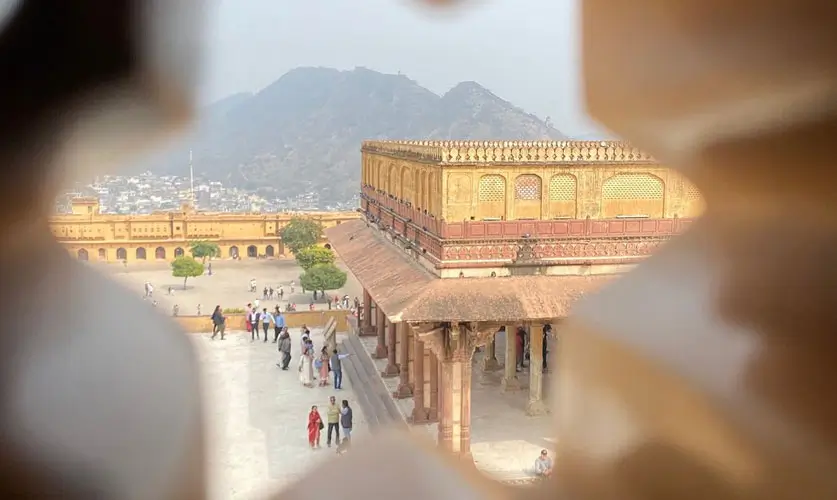
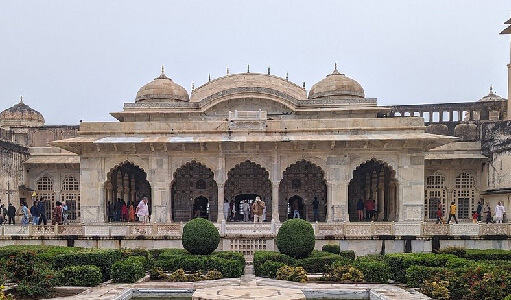
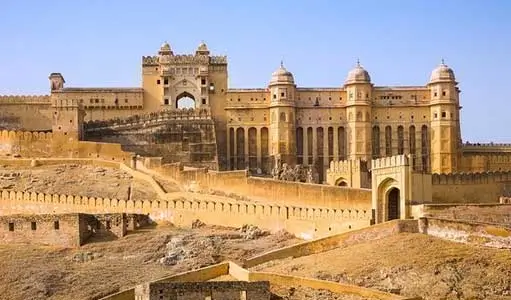
Standing proudly above Maota Lake, Amber Fort represents the grandeur of Rajasthan's royal past. Built with red sandstone and white marble, the fort combines military architecture with extraordinary artistic beauty.
Inside the palace complex, visitors walk through magnificent courtyards, beautifully decorated gateways, royal apartments and the famous Sheesh Mahal (Mirror Palace), where thousands of tiny mirrors reflect candlelight like stars.
Unlike many historical monuments, Amber Fort feels alive. Traditional musicians, local artisans and panoramic viewpoints create an immersive cultural experience that leaves a lasting impression.
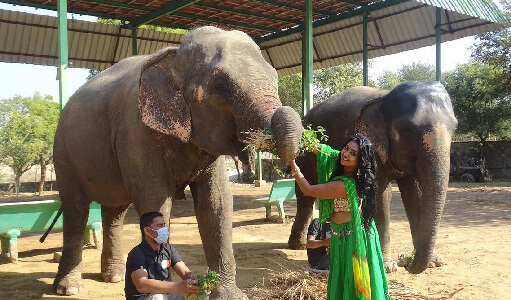
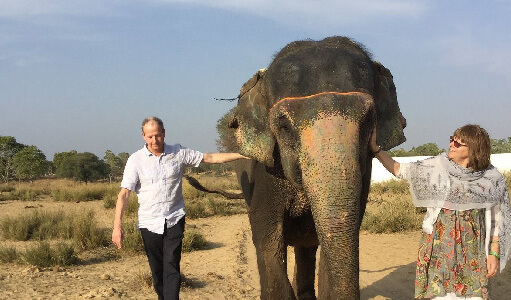
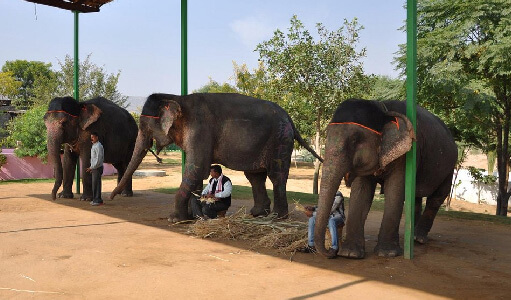
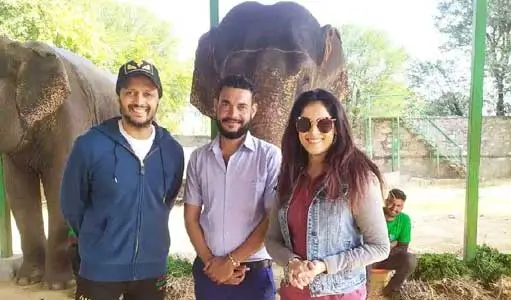
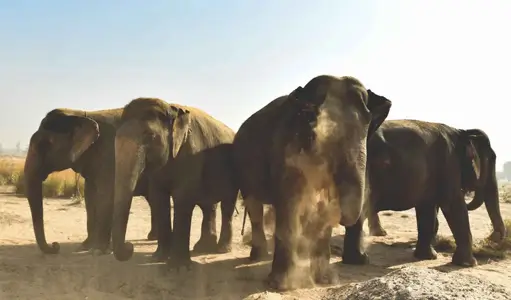
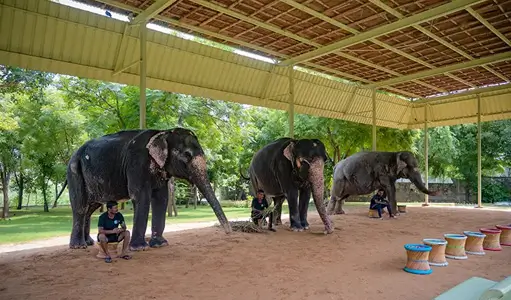
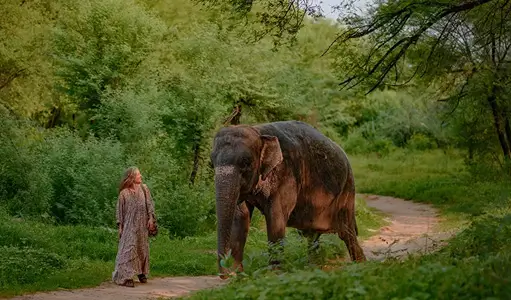
Many luxury travellers combine Amber Fort with City Palace, Hawa Mahal and an ethical elephant experience at Elefantastic for a complete Jaipur day tour.
Highlights
Best Time to Visit: October to March
Nearby Attractions
Travel Tip: Visit early morning or late afternoon to avoid the midday heat and enjoy softer lighting for photography.
Varanasi is one of the oldest continuously inhabited cities in the world and remains India's most important spiritual destination.
The city comes alive before sunrise as pilgrims gather along the banks of the River Ganges to perform ancient rituals, meditate, pray and take holy baths.
One of the most memorable experiences is taking an early morning boat ride. Watching the city slowly wake up while temple bells ring across the river creates an atmosphere unlike anywhere else in India.
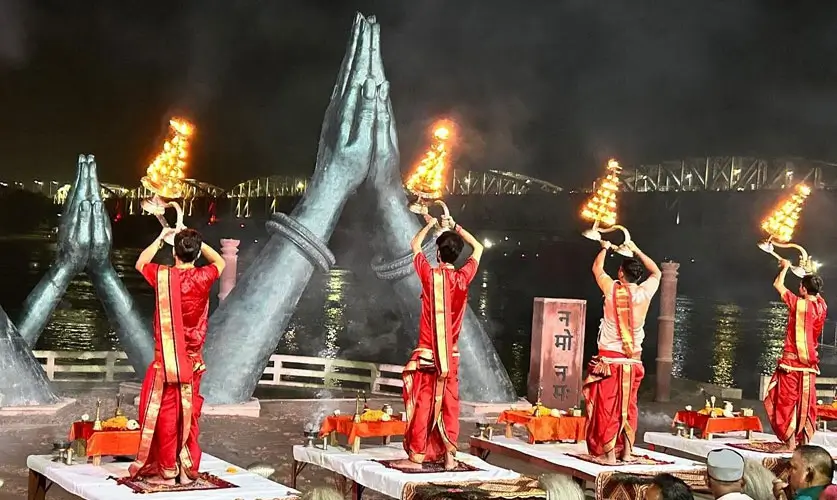
In the evening, thousands of visitors gather for the spectacular Ganga Aarti ceremony. Priests perform synchronized rituals using fire lamps, chanting sacred prayers while incense fills the air.
Beyond spirituality, Varanasi is famous for:
Highlights
Best Time to Visit: October to March
Nearby Attractions
Travel Tip: Hire a knowledgeable local guide to better understand the city's fascinating religious traditions and history.
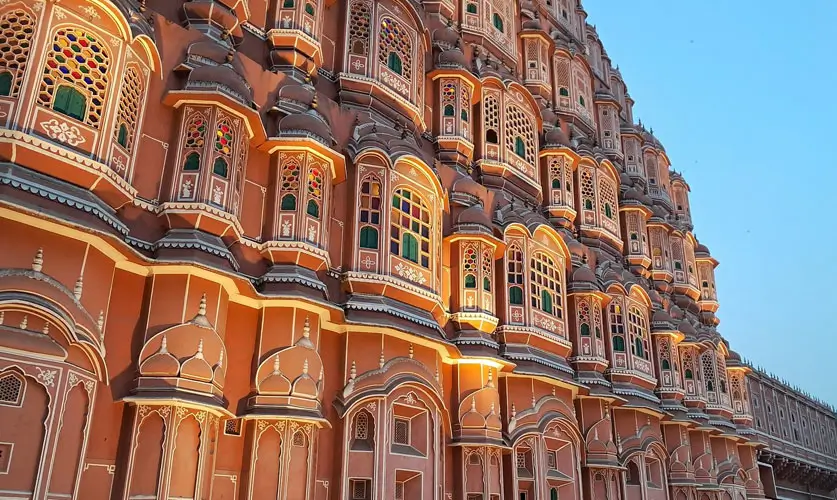
Standing gracefully in the heart of Jaipur's Pink City, Hawa Mahal is one of India's most photographed landmarks. Built in 1799 by Maharaja Sawai Pratap Singh, this five-storey architectural masterpiece was designed to allow royal women to observe street festivals and daily life without being seen from outside.
Its distinctive honeycomb façade features 953 beautifully carved windows (jharokhas) that allow cool air to circulate naturally, making it an excellent example of climate-responsive architecture long before modern engineering.
Although the palace appears massive from the front, its interior is surprisingly elegant, with narrow passageways, small chambers, balconies, and rooftop viewpoints overlooking Jaipur's bustling old city.
Visitors often combine Hawa Mahal with shopping at Johari Bazaar, Bapu Bazaar, and City Palace, making it one of the highlights of any Jaipur sightseeing tour.
Highlights
Best Time to Visit: October to March
Nearby Attractions
Travel Tip: Visit early in the morning when sunlight beautifully illuminates the pink sandstone façade, creating perfect photography conditions.
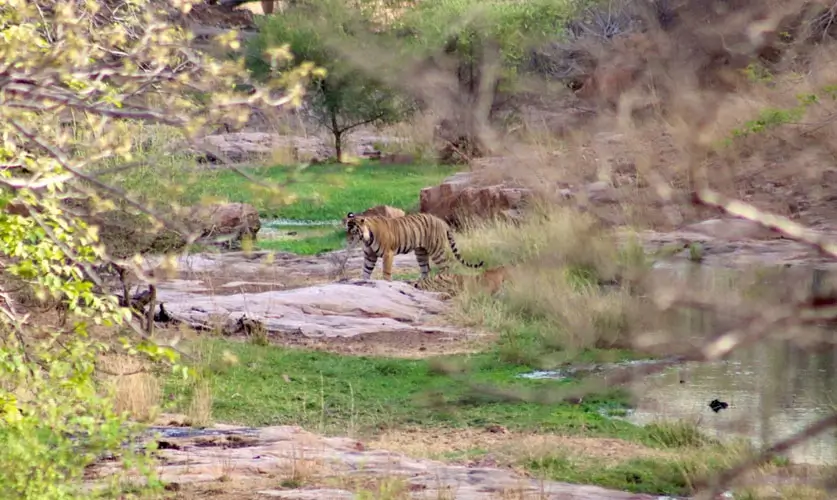
For wildlife enthusiasts, Ranthambore National Park offers one of the best opportunities in the world to see the majestic Bengal tiger in its natural habitat.
Located in Rajasthan, this former royal hunting reserve has become one of India's most successful tiger conservation areas. Dense forests, ancient ruins, lakes, and open grasslands create a dramatic landscape where wildlife thrives.
Although tigers are the main attraction, visitors also frequently encounter:
Adding even more character to the landscape is the historic Ranthambore Fort, a UNESCO World Heritage Site overlooking the forest from a rocky hilltop.
Morning and afternoon jeep safaris provide unforgettable opportunities to photograph wildlife while learning about India's conservation efforts.
Highlights
Best Time to Visit: October to June
Tiger sightings are generally highest between March and May.
Nearby Attractions
Travel Tip: Book safari permits several weeks in advance, especially during peak travel season.
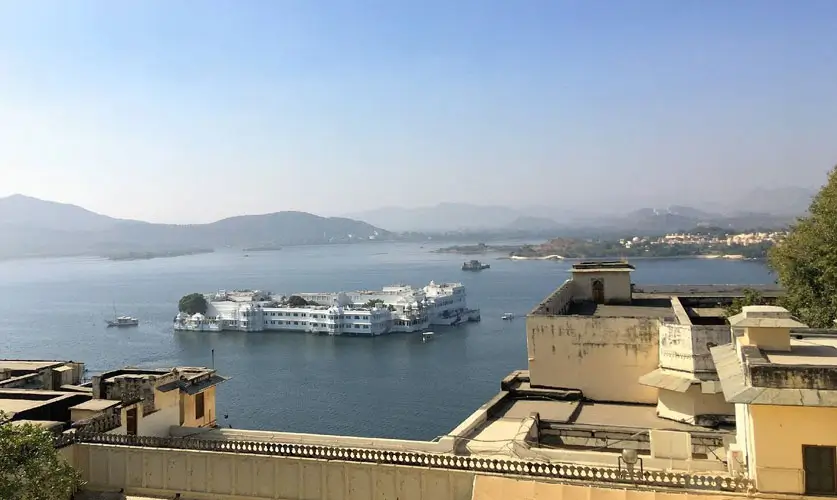
Often called the City of Lakes, Udaipur is considered one of India's most beautiful and romantic cities.
The magnificent City Palace stretches along the eastern banks of Lake Pichola, blending Rajput architecture with Mughal influences. Built over nearly 400 years by successive rulers, the palace features elegant courtyards, marble balconies, colourful glass windows, intricate mirror work, royal museums, and breathtaking terraces overlooking the lake.
One of the most memorable experiences is a sunset boat ride across Lake Pichola, where visitors enjoy spectacular views of:
The city's peaceful atmosphere, luxury heritage hotels, fine dining, and artistic culture make it a favourite destination for honeymooners, photographers, and luxury travellers.
Highlights
Best Time to Visit: September to March
Nearby Attractions
Travel Tip: Stay overnight to experience the palace illuminated after sunset and enjoy the evening cultural performances at Bagore Ki Haveli.
The Taj Mahal, Amber Fort, Hawa Mahal, Ranthambore National Park, and Udaipur together showcase the incredible diversity of India. In just one journey, travellers can experience Mughal architecture, Rajput heritage, vibrant city life, thrilling wildlife safaris, and tranquil lake landscapes.
Many international visitors combine these destinations into a Golden Triangle with Rajasthan itinerary, creating the perfect introduction to India's history, culture, wildlife, and luxury hospitality.
Whether you're visiting India for the first time or returning to see more, we'll design a personalized itinerary covering the country's most famous landmarks, UNESCO World Heritage Sites, wildlife, culture, and authentic local experiences - all tailored to your travel style.
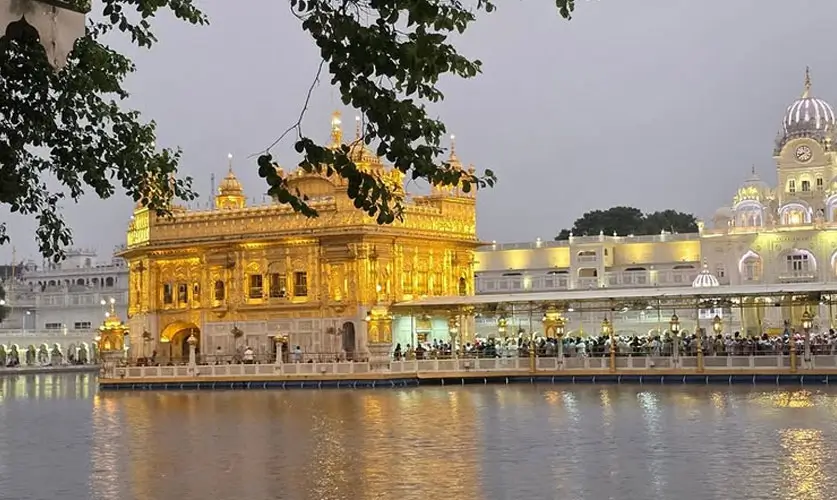
The Golden Temple (Sri Harmandir Sahib) is one of India's most inspiring spiritual destinations. Covered in shimmering gold and surrounded by the sacred Amrit Sarovar (Pool of Nectar), it welcomes millions of visitors every year regardless of religion, nationality, or background.
Unlike many religious sites, the Golden Temple encourages everyone to experience its peaceful atmosphere. Visitors walk barefoot around the marble pathways, listen to live devotional music, and witness the incredible spirit of volunteer service that defines Sikhism.
One of the most remarkable experiences is eating at the Langar, the world's largest free community kitchen, where thousands of people share the same meal every day without discrimination.
Whether you are religious or not, the calm environment, beautiful architecture, and warm hospitality make the Golden Temple one of India's most meaningful places to visit.
Highlights
Best Time to Visit: October to March
Nearby Attractions
Travel Tip: Visit both during the day and after sunset to experience two completely different but equally beautiful atmospheres.
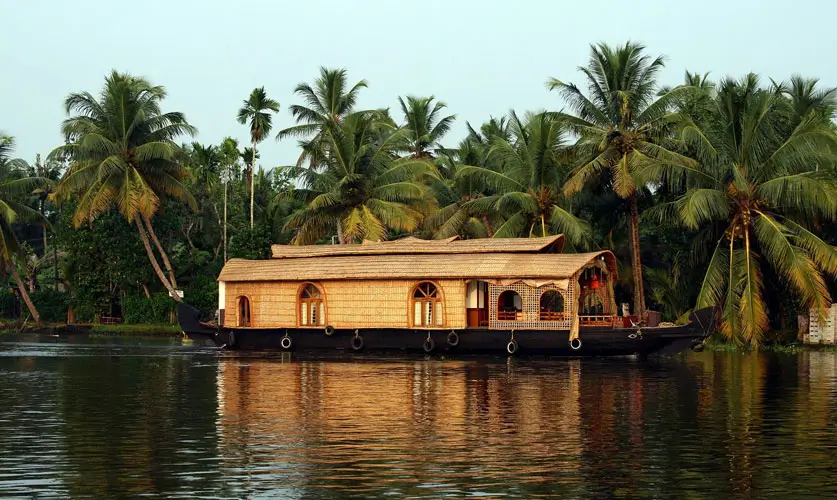
Far away from busy cities, Kerala's backwaters offer one of the most relaxing travel experiences in India. This vast network of lakes, canals, rivers, and lagoons stretches through lush coconut groves, traditional villages, and emerald-green rice fields.
The best way to explore the backwaters is aboard a traditional luxury houseboat, where travellers can spend a day- or even several nights - floating through peaceful landscapes while enjoying freshly prepared Kerala cuisine.
As you cruise slowly through the waterways, you'll witness local fishermen at work, children travelling to school by boat, colourful birds, and everyday village life that has remained unchanged for generations.
For couples, honeymooners, families, and nature lovers, the Kerala backwaters offer the perfect escape from fast-paced travel.
Highlights
Best Time to Visit: October to March
Nearby Attractions
Travel Tip: Book an overnight premium houseboat for the most authentic and peaceful backwater experience.
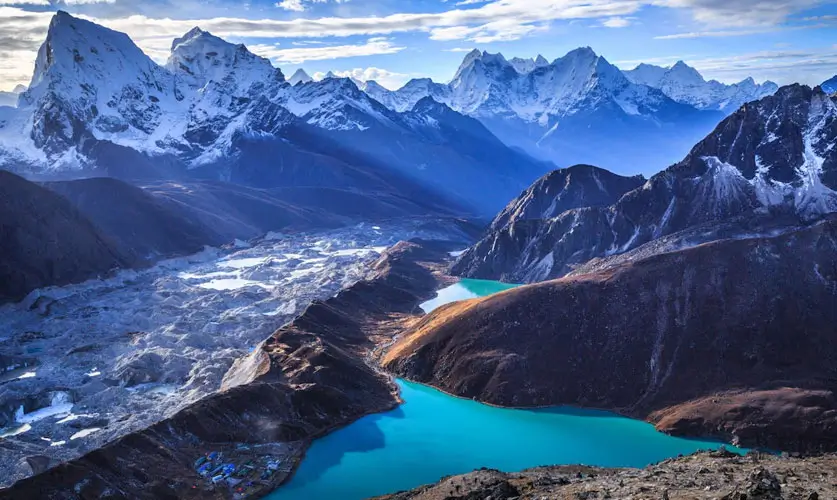
Stretching across northern India, the Himalayas offer breathtaking scenery, spiritual retreats, mountain adventures, and peaceful hill stations.
Every region has its own unique personality:
Whether you're looking for luxury mountain resorts, trekking adventures, wildlife, photography, or spiritual wellness, the Himalayas provide unforgettable experiences throughout the year.
Highlights
Best Time to Visit: March to June and September to November
Popular Destinations
Travel Tip: Allow time to acclimatise if travelling to high-altitude destinations like Leh Ladakh.
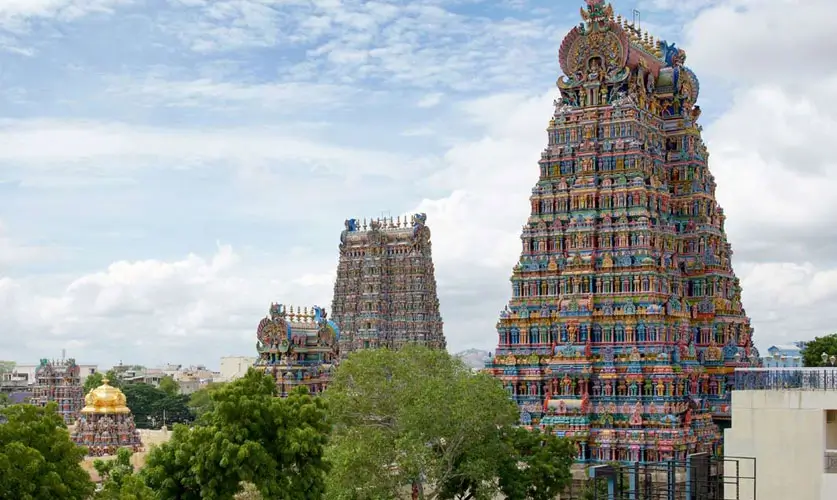
Located in Tamil Nadu, Meenakshi Amman Temple is one of the finest examples of Dravidian architecture anywhere in the world.
The temple complex is famous for its towering gopurams (gateway towers), each covered with thousands of brightly coloured sculptures depicting Hindu gods, goddesses, mythical creatures, and historical figures.
Inside, visitors discover magnificent pillared halls, sacred shrines, peaceful courtyards, intricate carvings, and centuries-old traditions that continue every single day.
Unlike many historical monuments, Meenakshi Temple remains a living place of worship where ancient rituals continue alongside daily life, offering travellers an authentic glimpse into South India's rich spiritual heritage.
Highlights
Best Time to Visit : October to March
Nearby Attractions
Travel Tip: Dress modestly and visit during the evening ceremony to experience the temple's vibrant spiritual atmosphere.
To make your India trip more comfortable and memorable:
Many international travellers combine these attractions into one unforgettable journey:
Delhi - Agra - Jaipur - Ranthambore - Udaipur - Varanasi - Kerala - Amritsar
Or choose a shorter Golden Triangle Tour and extend it with wildlife, spiritual destinations, or South India depending on your interests.
India's most famous attractions are much more than iconic landmarks - they are gateways into the country's extraordinary history, culture, spirituality, wildlife, and hospitality. Every destination tells a different story, from the timeless romance of the Taj Mahal to the royal grandeur of Rajasthan, the sacred rituals of Varanasi, the peaceful backwaters of Kerala, and the majestic Himalayas.
Whether you're travelling for luxury, photography, heritage, wildlife, or cultural immersion, these destinations offer experiences that stay with you long after your journey ends.
With thoughtful planning and the guidance of experienced local experts, your visit to India's top tourist attractions can become one of the most rewarding travel experiences of a lifetime.
October to March offers pleasant weather for most attractions.
Yes, with proper planning, licensed guides and private drivers, travel is safe and comfortable.
A well-planned 10–15 day itinerary covers many key places smoothly.
Yes, hiring an English-speaking private driver makes travel easier and safer.
It remains closed on Fridays for visitors.
Most major attractions have tickets, often with separate queues for foreign visitors.
Many temples welcome non-Hindu visitors, but dress modestly and follow local etiquette.
Some monuments restrict flash or tripod use; rules vary.
Four to six days offer a comfortable pace.
Yes, government-licensed safaris follow strict safety rules.