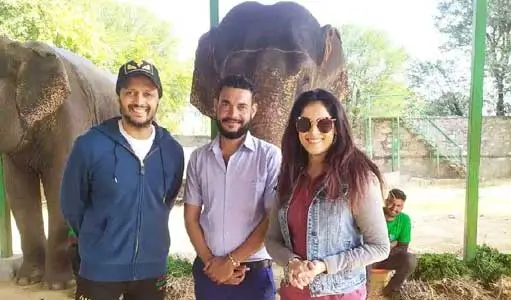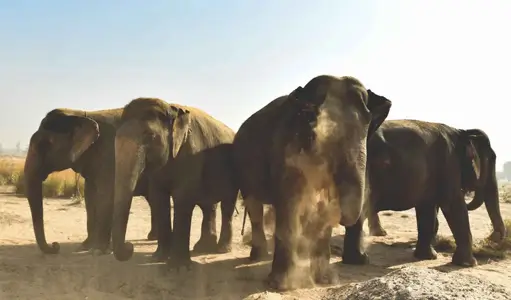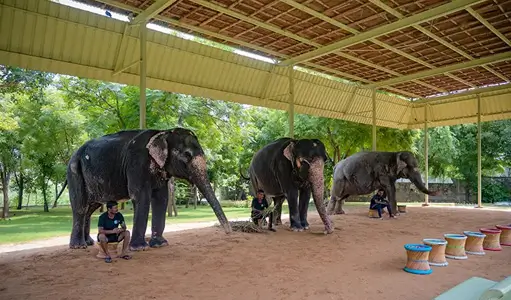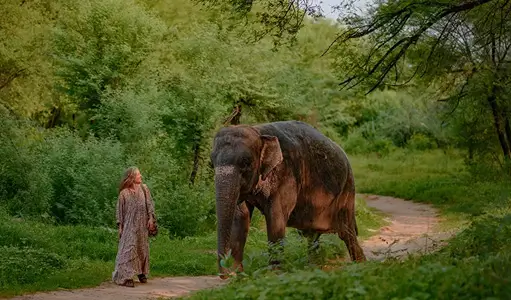
For travelers who care deeply about how animals are treated, choosing the right wildlife experience has become as important as choosing the destination itself. Around the world, growing awareness has changed expectations. Visitors no longer want entertainment at the expense of animal dignity. They want encounters that reflect compassion, understanding, and responsibility. In this evolving landscape, ethical elephant experiences in Jaipur have emerged as a trusted choice for travelers who want meaningful connection without compromise.
Jaipur holds a unique position in India’s wildlife tourism story. Known globally for its palaces, culture, and heritage, the city also offers an opportunity to engage with elephants in a way that reflects modern values. Ethical elephant experiences here are shaped around welfare, transparency, and respect rather than spectacle. For international travelers from the USA, UK, Australia, Canada, and Europe, this distinction matters profoundly.
At elefantastic, ethical responsibility is not an add-on; it is the foundation. Understanding what makes an elephant experience ethical empowers travelers to make informed decisions and ensures that tourism supports care rather than harm.
Ethical elephant experiences are defined by how elephants live, not how visitors interact. The focus remains on the elephant’s physical and emotional well-being. Interaction is secondary and always optional.
Key elements include freedom of movement, absence of coercion, and respect for natural behavior. Elephants are not trained to perform tricks or carry people. Their routines are shaped by biological needs rather than tourism schedules.
Responsible travelers recognize that ethical experiences prioritize long-term care over short-term excitement. This understanding forms the basis of choosing the right encounter.
Global conversations around animal welfare have reshaped tourism. Images of exploitation have led travelers to question traditional attractions. Elephants, due to their intelligence and sensitivity, are central to this shift.
In Jaipur, ethical elephant experiences respond directly to these concerns. They replace control with coexistence and spectacle with observation. This approach aligns with international standards of responsible wildlife tourism.
Travelers feel reassured knowing their visit supports positive outcomes. Ethics become a source of trust rather than limitation.
Make a conscious travel choice by supporting experiences that prioritize elephant welfare.
Transparency distinguishes ethical providers from exploitative ones. Responsible elephant experiences openly share how elephants are cared for, fed, and monitored.
Visitors see daily life rather than curated moments. They observe how caretakers respond to elephant moods and needs. This openness builds confidence and credibility.
For travelers accustomed to researching deeply before booking, transparency is a decisive factor. It transforms curiosity into commitment.
Ethical elephant experiences rely on long-term relationships between elephants and caretakers. These bonds are built through patience, consistency, and trust rather than dominance.
Caretakers understand individual personalities, preferences, and boundaries. Their role is not to command but to support. This relationship allows elephants to feel secure and relaxed.
Visitors often notice the calmness that results from such bonds. It becomes clear that ethical care fosters emotional stability and natural behavior.
Responsible travelers understand that the most authentic encounters come from observing daily life. Ethical elephant experiences in Jaipur invite visitors into existing routines rather than creating artificial activities.
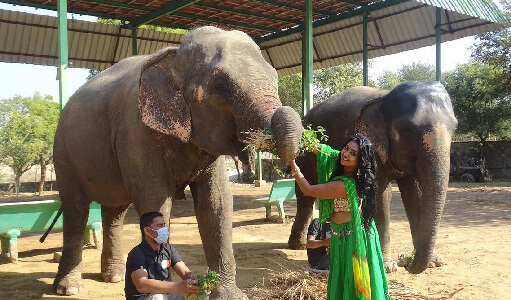
Feeding, walking, resting, and enrichment occur naturally. Visitors learn by watching rather than directing. This approach ensures that elephants remain at the center of the experience.
Daily life observation offers insight into intelligence, emotion, and adaptability—qualities that define elephants as sentient beings.
One of the clearest indicators of an ethical elephant experience is the absence of riding and performances. These activities rely on training methods that compromise welfare.
Ethical experiences reject these practices entirely. Elephants are not asked to carry weight or perform unnatural behaviors. Interaction occurs only when it aligns with comfort and choice.
Responsible travelers recognize this distinction. Avoiding riding is not a loss; it is a commitment to dignity.
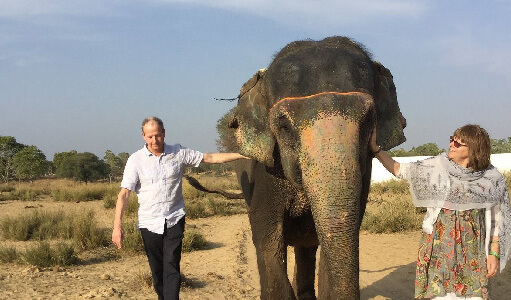
Freedom is central to ethical care. Elephants must have the ability to choose when to engage and when to withdraw. This autonomy reduces stress and supports emotional health.
In Jaipur’s ethical environments, elephants are never forced to interact. Visitors are guided to respect signals indicating comfort or discomfort.
This respect for choice transforms the encounter into a shared experience rather than a transaction.
Ethical elephant experiences often leave a deeper emotional impact than traditional attractions. The absence of pressure allows genuine connection to emerge.
Visitors describe feelings of humility and reflection. They appreciate being present without expectation. This emotional resonance defines meaningful travel.
Responsible travelers value experiences that align enjoyment with conscience.
Ethical elephant tourism contributes indirectly to conservation by raising awareness and funding care. Revenue supports food, veterinary treatment, habitat maintenance, and caretaker livelihoods.
This support creates sustainable alternatives to exploitation. Communities benefit from protecting rather than using animals for entertainment.
Travelers become participants in conservation through informed choice.
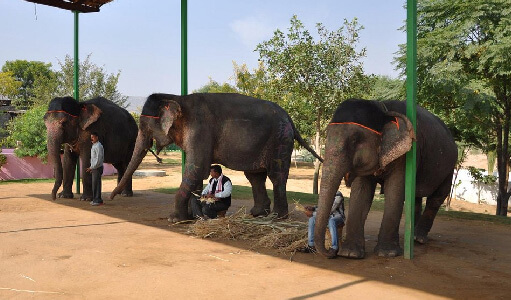
Environment plays a critical role in ethical experiences. Elephants require space to move, forage, and socialize. Confined settings compromise physical and mental health.
Ethical elephant environments around Jaipur emphasize open landscapes and natural surroundings. This space allows elephants to express natural behavior freely.
Visitors quickly sense the difference. Spacious environments feel calm and authentic.
Jaipur appeals to responsible travelers because it combines accessibility with ethical integrity. Visitors can experience culture, history, and wildlife without ethical conflict.
The city’s infrastructure supports smooth travel while ethical providers ensure responsible encounters. This balance is rare and valuable.
For international travelers, Jaipur becomes a destination where values and experience align.
Responsible travelers often approach elephant experiences with curiosity and caution. Asking the right questions helps identify ethical providers.
Understanding how elephants live, whether interaction is voluntary, and how care is funded provides clarity. Ethical providers welcome these questions.
This dialogue fosters trust and ensures alignment with traveler values.
Education is integral to ethical elephant tourism. Visitors learn about behavior, biology, and emotional intelligence through observation and conversation.
This knowledge fosters empathy and respect. Travelers leave with a deeper understanding that extends beyond the visit.
Education transforms experiences into lasting awareness.
At elefantastic, ethics guide every decision. Experiences are designed around elephant needs rather than visitor demand.
Transparency, care, and patience define the approach. Visitors are invited to observe and learn without pressure.
This philosophy attracts travelers who value integrity and authenticity.
Consistency is essential for ethical credibility. Ethical providers maintain standards daily, not only during visits.
Visitors notice routines, care practices, and calm environments. This consistency reinforces trust.
Responsible travelers appreciate knowing that ethics are not situational but foundational.
Ethical elephant experiences remind travelers of their role in shaping tourism. Choices influence outcomes.
By choosing ethical experiences, travelers support dignity and care. This responsibility enhances the meaning of travel.
Travel becomes a statement of values rather than consumption.
The future of wildlife tourism lies in ethics. Travelers increasingly demand transparency and responsibility.
Jaipur’s ethical elephant experiences exemplify this future. They demonstrate how tourism can support welfare and education simultaneously.
Responsible travelers are leading this change through conscious choice.
Learn what truly ethical elephant experiences look like and be part of a journey built on empathy, care, and awareness—not exploitation.
Memories formed through ethical encounters carry emotional depth. Visitors remember moments of stillness, observation, and connection.
These memories differ from thrill-based experiences. They feel personal and enduring.
Ethical experiences shape how travelers remember destinations.
Travel reflects identity. Responsible travelers choose experiences that align with who they are and what they value.
Ethical elephant experiences in Jaipur allow travelers to express compassion through action.
This alignment enhances satisfaction and pride in travel choices.
Ethical standards ensure long-term welfare. They discourage practices that harm elephants physically or emotionally.
By supporting ethical experiences, travelers contribute to a sustainable future for elephants.
This protection extends beyond individual visits.
Ethical elephant experiences represent a shared journey. Elephants, caretakers, and travelers coexist respectfully.
This shared space fosters understanding and humility.
The journey becomes a story of connection rather than control.
Ethical experiences prioritize elephant welfare, voluntary interaction, and transparent care.
No, riding and performance-based activities are excluded.
Through transparency, observation of daily life, and respect for elephant choice.
Yes, they emphasize calm interaction and professional supervision.
They support care, education, and sustainable livelihoods.
Interaction depends on elephant comfort and willingness.
Transparency builds trust and ensures ethical standards are genuine.
Yes, they offer educational and meaningful engagement for all ages.
Jaipur offers a balance of accessibility, culture, and responsible wildlife options.
Elefantastic prioritizes ethics, care, and authentic experiences centered on elephant well-being.