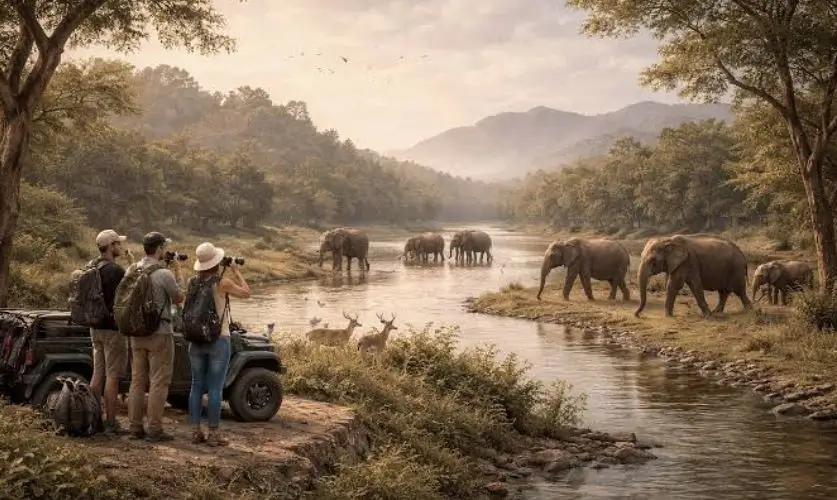
India is one of the most biodiverse countries in the world. From the Bengal tigers of Rajasthan and Madhya Pradesh to the Asian elephants of Rajasthan, Kerala and Karnataka, the country offers remarkable opportunities for wildlife encounters. Every year, millions of travelers visit national parks, wildlife reserves and conservation-focused destinations hoping to witness some of the planet's most extraordinary animals in their natural environments.
As wildlife tourism continues to grow, so does the responsibility that comes with it. Modern travelers are increasingly aware that their choices can have a direct impact on animals, habitats and conservation efforts. A safari, elephant experience or wildlife excursion is no longer viewed simply as entertainment. It is an opportunity to contribute positively to conservation while gaining a deeper understanding of nature.
The concept of Responsible Wildlife Tourism in India focuses on creating experiences that benefit both travelers and wildlife. Instead of prioritizing close encounters at any cost, responsible tourism encourages respect, education and sustainability. The goal is to ensure that future generations can continue enjoying the same natural wonders while maintaining healthy ecosystems and thriving animal populations.
Across India, wildlife tourism supports local communities, funds conservation projects and increases public awareness about environmental protection. However, not all wildlife experiences are created equally. Travelers must make informed choices about where they go, what they support and how they interact with animals. Ethical decisions made by visitors can help encourage higher standards across the tourism industry.
Understanding responsible wildlife tourism allows travelers to become active participants in conservation rather than passive observers. Every visit becomes an opportunity to support positive change while creating meaningful memories. The future of India's wildlife depends not only on conservation organizations and governments but also on millions of travelers making thoughtful decisions.
Choose experiences that protect, educate, and inspire. Discover ethical wildlife encounters where animal welfare comes first and every visit supports a more compassionate way to explore India.
Wildlife tourism has become one of the most powerful conservation tools available today. When managed responsibly, tourism generates financial resources that help protect habitats, support local communities and fund conservation initiatives. Many of India's most successful wildlife reserves benefit directly from visitor interest and tourism revenue.
National parks and protected areas require significant funding for maintenance, research, anti-poaching efforts and habitat management. Entrance fees, safari permits and tourism-related spending contribute directly or indirectly to these activities. Without sustainable tourism income, many conservation programs would struggle to maintain their operations.
Responsible tourism also creates economic incentives for protecting wildlife. Local communities living near protected areas often benefit from employment opportunities generated by tourism. Guides, drivers, naturalists, hotel staff and local businesses all gain from visitor spending. When communities see wildlife as an economic asset, they are more likely to support conservation efforts.
Education is another major benefit. Visitors who witness wildlife in natural settings often develop stronger emotional connections to conservation issues. Seeing a tiger in Ranthambore or learning about Asian elephants in India can inspire lifelong support for environmental protection.
Conservation success stories across India demonstrate the value of responsible tourism. Increased awareness and funding have contributed to improvements in tiger populations, habitat restoration and community-based conservation programs. While challenges remain, tourism continues to play an important role in supporting these efforts.
The key is ensuring tourism remains sustainable. Conservation benefits are only possible when wildlife welfare and habitat protection remain priorities. Responsible tourism seeks balance between visitor experiences and long-term ecological health.
One of the most important responsibilities for modern travelers is learning how to distinguish ethical wildlife tourism from experiences that may negatively impact animals. As demand for wildlife encounters grows, visitors must evaluate attractions carefully before making decisions.
Ethical wildlife tourism prioritizes animal welfare, conservation education and natural behavior. Animals should not be forced into activities that cause stress, discomfort or unnatural behavior. Responsible facilities focus on providing educational experiences while respecting the needs of wildlife.
Unethical experiences often prioritize entertainment over welfare. They may involve excessive human interference, poor living conditions or activities designed primarily for photographs and social media content. Such attractions can create long-term physical and psychological problems for animals.
Travelers should ask questions before booking wildlife activities. How are the animals cared for? Does the facility support conservation? Are visitors encouraged to learn about animal behavior and welfare? Transparency is often a good indicator of responsible management.
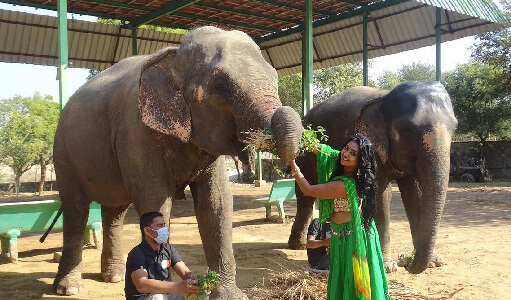
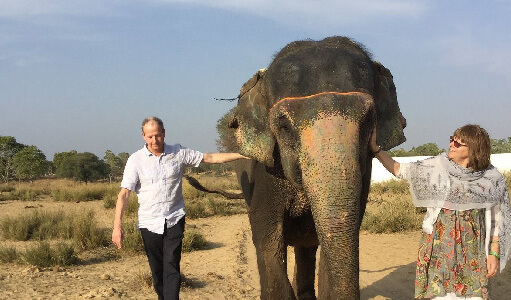
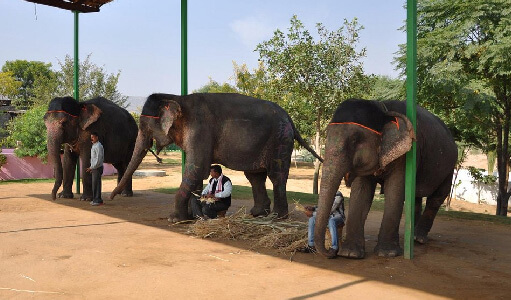
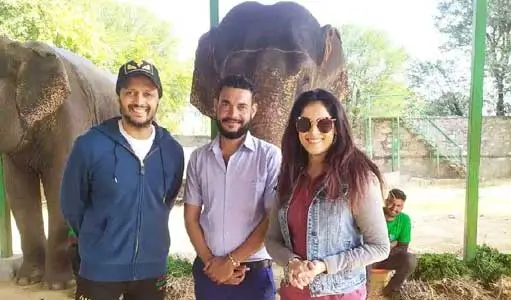
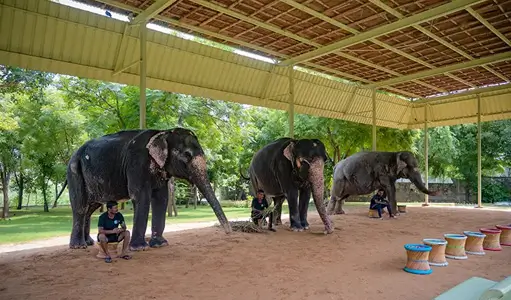
The growing popularity of ethical elephant experiences in India reflects increasing awareness among international travelers. Many visitors now actively seek facilities that focus on education, welfare and conservation rather than traditional tourist attractions.
Responsible tourism requires informed decision-making. By choosing ethical experiences, travelers send a clear message that animal welfare matters. These choices influence industry standards and encourage more sustainable approaches throughout the tourism sector.
Wildlife tourism should enhance appreciation for animals rather than exploit them. Experiences built around respect and understanding create more meaningful memories while supporting positive outcomes for wildlife.
One of the core principles of responsible tourism is respecting wildlife as wild animals rather than viewing them as entertainment. Whether observing tigers in a national park, birds in a wetland sanctuary or elephants in a conservation-focused environment, maintaining appropriate boundaries is essential.
Wild animals require space to behave naturally. Approaching too closely, making excessive noise or attempting to attract attention can disrupt normal activities and increase stress. Responsible wildlife viewing focuses on observation rather than interference.
Safari guides and naturalists play an important role in educating visitors about respectful behavior. Following instructions helps ensure both visitor safety and animal welfare. Ethical wildlife experiences prioritize observation without disturbing natural patterns.
Photography presents another area where responsibility matters. Capturing images should never come at the expense of an animal's wellbeing. Ethical wildlife photographers understand the importance of patience, distance and minimal disturbance. The best wildlife photographs often result from allowing animals to behave naturally.
Respect also extends to habitats. Littering, damaging vegetation or leaving designated areas can harm ecosystems and reduce habitat quality. Small actions by individual visitors can collectively have significant environmental impacts.
By treating wildlife with respect, travelers contribute to healthier ecosystems and more authentic experiences. Observing natural behavior provides greater educational value and deeper appreciation for the complexity of the natural world.
Responsible tourism encourages visitors to become observers rather than participants in wildlife activities. This approach protects animals while creating richer and more meaningful encounters.
Wildlife conservation and community wellbeing are closely connected. In many regions of India, local communities live alongside wildlife and protected areas. Their support is essential for long-term conservation success.
Responsible tourism generates employment opportunities that benefit local residents. Guides, drivers, hotel staff, artisans and business owners often depend on tourism-related income. These economic benefits create incentives for supporting wildlife protection.
Community involvement also enhances visitor experiences. Local guides possess valuable knowledge about wildlife, culture and regional history. Their expertise enriches educational opportunities while ensuring tourism benefits remain within the area.
Supporting local businesses contributes directly to sustainable development. Choosing locally owned accommodations, purchasing handmade products and participating in community-based activities helps distribute tourism revenue more fairly.
Many successful conservation initiatives involve collaboration between wildlife authorities and local communities. Tourism revenue often supports schools, infrastructure improvements and community development projects. These benefits strengthen relationships between conservation efforts and local residents.
When travelers choose responsible tourism options, they contribute not only to wildlife protection but also to community wellbeing. Conservation becomes more sustainable when local people see clear benefits from preserving natural resources.
The relationship between communities and conservation highlights the broader impact of travel choices. Responsible tourism supports both environmental and social sustainability.
Meet incredible animals through respectful, observation-based experiences that celebrate their natural behavior while supporting responsible tourism and long-term care.
The most memorable wildlife experiences often involve learning rather than simply observing. Education transforms tourism into a meaningful opportunity for personal growth and conservation awareness.
Understanding animal behavior helps visitors appreciate wildlife on a deeper level. Learning about elephant intelligence, tiger ecology or bird migration patterns creates connections that extend beyond the duration of a trip. Knowledge encourages empathy and respect.
Educational experiences also challenge misconceptions. Many travelers arrive with assumptions based on movies, social media or limited information. Responsible tourism provides accurate insights into wildlife biology, conservation challenges and ecosystem dynamics.
Interpretive programs, guided tours and conservation-focused attractions help visitors understand complex environmental issues. Topics such as habitat loss, climate change and human-wildlife conflict become more relevant when connected to real-world experiences.
Education inspires action. Visitors who learn about conservation often become advocates for environmental protection. They may support wildlife organizations, share knowledge with others or make more sustainable choices in daily life.
Responsible wildlife tourism creates opportunities for learning that benefit both visitors and conservation efforts. The most successful experiences leave travelers with greater understanding, appreciation and commitment to protecting nature.
Knowledge remains one of the most powerful tools for conservation. By prioritizing education, wildlife tourism contributes to long-term environmental awareness and positive change.
Every traveler has the ability to influence the future of wildlife tourism through the choices they make. Responsible tourism begins with research and thoughtful decision-making before a trip even starts.
Choosing ethical operators, respecting wildlife, supporting local communities and prioritizing educational experiences are all important steps. Travelers should seek transparency, ask questions and avoid attractions that appear to prioritize entertainment over welfare.
Reading reviews, examining conservation policies and understanding management practices can help identify responsible operators. Facilities committed to welfare and sustainability are usually willing to share information about their practices.
Visitors should also remain mindful during their experiences. Following guidelines, respecting animals and minimizing environmental impact contribute to positive outcomes for wildlife and habitats.
Responsible wildlife tourism is ultimately about balance. It allows people to enjoy extraordinary encounters with nature while ensuring animals and ecosystems remain protected. The goal is not simply to see wildlife but to help preserve it.
India offers some of the world's most remarkable wildlife experiences. By traveling responsibly, visitors can help ensure these opportunities continue for generations while supporting conservation efforts that protect the country's extraordinary natural heritage.
Responsible wildlife tourism focuses on protecting animal welfare, supporting conservation and minimizing negative impacts on wildlife and habitats.
It helps protect biodiversity, supports conservation programs and benefits local communities that depend on wildlife tourism.
Look for transparency, educational programs, conservation involvement and strong animal welfare practices.
Yes. Responsible tourism often generates funding for conservation projects, habitat protection and research.
Maintaining distance reduces stress on animals and allows natural behavior to continue without disturbance.
Tourism creates jobs, supports businesses and provides income that encourages conservation efforts.
Education helps visitors understand conservation issues, animal behavior and environmental challenges.
Yes. Ethical elephant tourism promotes welfare, conservation awareness and sustainable management practices.
It ensures animals are not disturbed or stressed while photographs are being taken.
By choosing responsible operators, supporting local communities and respecting wildlife and natural habitats.