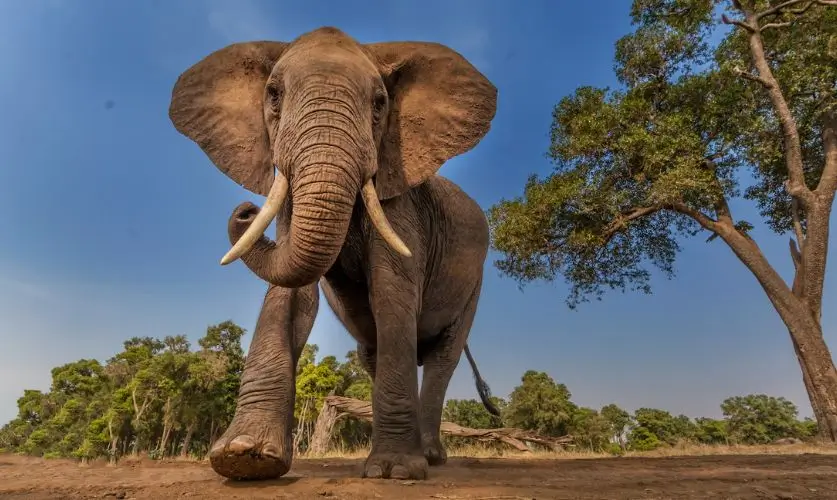
The phrase "an elephant never forgets" is one of the most widely recognized sayings in the world. It appears in books, documentaries, conversations and wildlife discussions across countless cultures. While the expression may sound like a simple proverb, scientific research suggests there is remarkable truth behind it. Among all land animals, elephants possess one of the most extraordinary memories ever studied.
For centuries, people who lived and worked alongside elephants observed behaviors that suggested these animals remembered individuals, places and events long after they occurred. Modern science has increasingly confirmed those observations. Researchers studying elephant intelligence continue discovering evidence that elephants possess advanced memory abilities that play a crucial role in their survival and social lives.
Visitors who spend time with elephants often notice something fascinating. Elephants frequently respond differently to familiar individuals than they do to strangers. A voice, scent or appearance can trigger recognition even after long periods without contact. These reactions suggest memories that extend far beyond what many people expect from animals.
Memory influences nearly every aspect of elephant life. It helps them find food and water, recognize family members, navigate large territories and maintain complex social relationships. Without exceptional memory, elephant societies could not function as effectively as they do.
The ability to remember people is particularly fascinating because it highlights the emotional and social intelligence of elephants. Recognizing an individual after years apart requires more than simple instinct. It involves storing detailed information, maintaining long-term memories and connecting those memories to emotional experiences.
Understanding how elephants remember provides valuable insight into why they are considered among the most intelligent animals on Earth. Their memory is not simply a useful survival tool. It is one of the foundations upon which their entire social world is built.
The more scientists learn about elephant cognition, the more impressive these memory abilities become. Evidence continues to show that elephants can remember individuals, locations and experiences for astonishing lengths of time, making them one of nature's most remarkable examples of long-term memory.
Whether it's your first visit or a return to Rajasthan, meeting rescued elephants in a compassionate environment creates stories you'll carry for a lifetime—and perhaps memories they'll carry too.
Memory is not merely an interesting characteristic for elephants. It is one of the most important tools they possess for surviving in challenging environments. Throughout their lives, elephants accumulate knowledge that helps them navigate complex landscapes and changing conditions.
Many elephant populations inhabit regions where food and water availability varies seasonally. During droughts, resources may become scarce, forcing families to travel long distances in search of suitable conditions. Remembering the locations of water sources visited years earlier can be the difference between survival and hardship.
Older female elephants, particularly matriarchs, often serve as living libraries of environmental knowledge. Their memories contain information gathered over decades of experience. This knowledge includes migration routes, feeding areas, safe pathways and locations of reliable water supplies.
Research has shown that families led by experienced matriarchs frequently perform better during environmental challenges than those led by younger individuals. The reason is simple. Memory provides access to information that cannot be learned quickly.
Memory also helps elephants avoid danger. Recognizing threats, remembering previous encounters and understanding patterns within their environment contribute to better decision-making. These abilities improve survival chances for both individuals and entire families.
The importance of memory extends beyond practical concerns. It supports social relationships, communication and learning. Young elephants benefit from the knowledge possessed by older family members, creating a system where information passes naturally between generations.
This combination of environmental and social memory makes elephants uniquely equipped to thrive in complex ecosystems. Their survival depends not only on physical strength but also on their ability to remember and apply knowledge gained throughout life.
One of the most remarkable aspects of elephant memory is their ability to recognize specific individuals. Researchers and caretakers have documented countless examples suggesting that elephants remember people long after previous interactions.
Recognition occurs through multiple senses. Elephants possess exceptional hearing, a highly developed sense of smell and strong visual perception. Together, these abilities allow them to identify individuals using a combination of cues.
Voice recognition appears particularly important. Studies indicate that elephants can distinguish between different human voices and respond differently depending on who is speaking. Familiar voices often produce calmer and more positive reactions than unfamiliar ones.
Scent also plays a major role. Elephants have one of the strongest senses of smell in the animal kingdom. They can detect subtle differences between individuals and use scent information to recognize both humans and other elephants.
Visual recognition contributes as well. Appearance, body language and movement patterns all provide information that elephants can store and recall. Their ability to combine multiple sources of information creates highly accurate recognition systems.
Caretakers frequently report instances where elephants recognized former handlers after years of separation. In many cases, the elephants responded immediately upon hearing a familiar voice or detecting a familiar scent. These reactions suggest memories that remain intact for remarkably long periods.
Recognition is not simply about identifying someone. It often includes remembering previous experiences associated with that individual. Positive interactions may produce warm responses, while negative experiences can influence behavior differently.
These abilities demonstrate that elephant memory extends beyond simple familiarity. They store detailed information about individuals and connect those memories to meaningful experiences.
The social structure of elephants provides some of the strongest evidence for exceptional memory. Female elephants typically remain within their family groups for life, creating relationships that may last decades.
Maintaining such complex social networks requires sophisticated memory systems. Elephants must recognize numerous relatives, remember previous interactions and understand social hierarchies. Their ability to do so contributes significantly to the stability of family groups.
Researchers have observed elephants recognizing relatives after long separations. In some cases, family members reunited after years apart displayed behaviors suggesting immediate recognition. These reunions often involve vocalizations, physical contact and visible excitement.
Memory allows elephants to maintain relationships even when direct contact is infrequent. This capability becomes especially important in populations where groups occasionally separate and later reunite.
The emotional component of these relationships adds another layer of complexity. Elephants appear to remember not only who individuals are but also their significance within the family structure. Mothers, daughters, sisters and other relatives occupy distinct roles that remain meaningful over time.
Young elephants learn social information through observation and experience. As they grow, they accumulate memories that help them navigate relationships and understand group dynamics. These memories contribute to social cohesion and effective cooperation.
Without strong memory, elephant society could not function as it does. Family relationships, leadership structures and social learning all depend on the ability to remember individuals and past experiences.
The strength of these social memories provides compelling evidence that elephants possess cognitive abilities far beyond what many people traditionally expected from animals.
While stories about elephant memory have existed for generations, scientific research has provided more concrete evidence supporting these claims. Numerous studies have examined how elephants store, retrieve and use information.
Researchers often focus on social recognition because it offers measurable insights into memory. Experiments involving vocalizations have shown that elephants can distinguish between familiar and unfamiliar individuals based solely on sound.
Other studies have explored spatial memory. Elephants consistently demonstrate the ability to remember locations over long periods. They navigate complex environments, locate resources and follow migration routes with impressive accuracy.
Behavioral observations provide additional evidence. Researchers have documented elephants responding differently to people and situations based on previous experiences. Such responses suggest long-term memory rather than immediate reaction.
One particularly fascinating area of study involves matriarch leadership. Older females frequently demonstrate knowledge of events and locations encountered many years earlier. Their ability to apply this information in new situations highlights the practical value of memory.
Scientists continue investigating the neurological basis of elephant memory. The structure of the elephant brain, particularly regions associated with learning and memory, supports the idea that these animals possess advanced cognitive capabilities.
Although much remains to be learned, existing research strongly supports the conclusion that elephant memory ranks among the most impressive in the animal kingdom.
The combination of experimental data and real-world observation creates a compelling picture of animals capable of remembering far more than previously imagined.
Not all memories are equally important. In both humans and elephants, emotionally significant experiences often remain the strongest and longest-lasting.
Researchers believe emotional memory plays a major role in elephant behavior. Positive experiences with family members, caretakers or familiar individuals appear to create lasting impressions. Similarly, stressful or negative experiences may influence behavior long after the event has passed.
This connection between emotion and memory helps explain why elephants often respond strongly to reunions. Recognizing a familiar individual triggers not only identification but also memories associated with that relationship.
Grief provides another example. Elephants have been observed revisiting locations associated with deceased family members and showing interest in elephant remains. Such behaviors suggest memories connected to emotionally important experiences.
Emotional memory strengthens social bonds. Family members remain meaningful because relationships are reinforced through shared experiences accumulated over years or even decades.
Understanding this connection helps explain why elephants often appear so socially aware. Their memories are not simply collections of facts. They are linked to emotions, relationships and personal experiences.
The presence of emotional memory further supports the view that elephants possess rich inner lives shaped by complex social interactions and long-term relationships.
Elephants are known for forming lifelong memories and recognizing familiar faces long after they've met. Visit Elefantastic and experience a genuine connection with these remarkable animals.
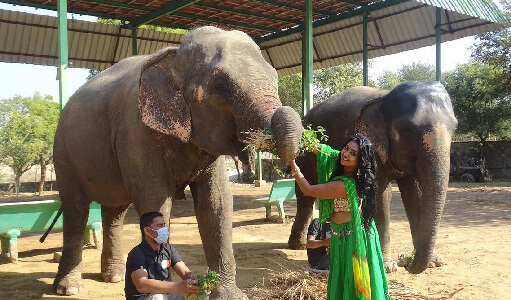
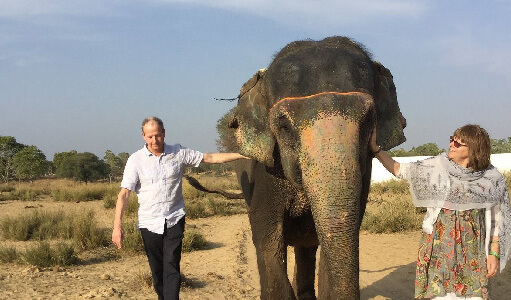
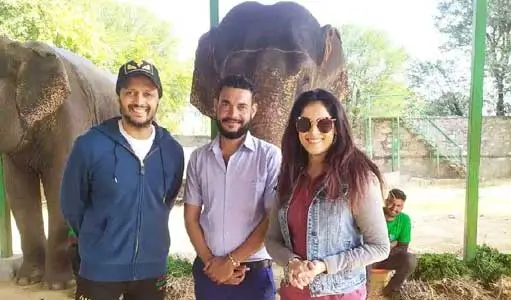
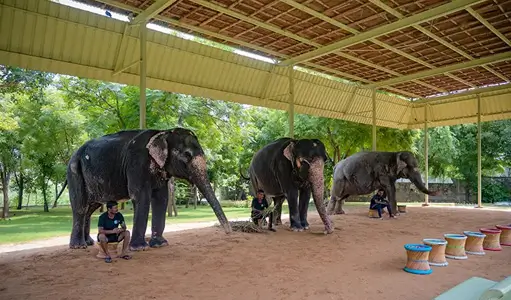
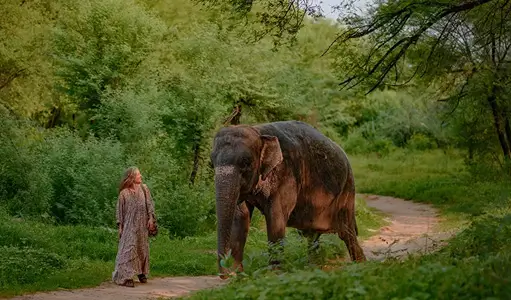
Visitors participating in ethical elephant experiences often encounter examples of elephant memory firsthand. While they may not realize it initially, many observations reflect remarkable cognitive abilities.
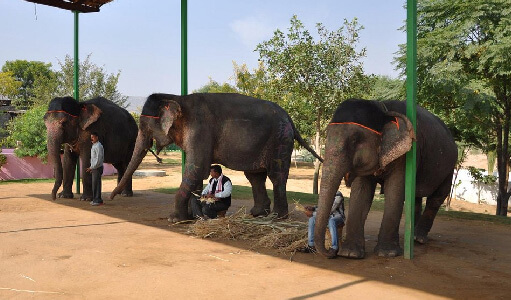
Elephants frequently respond to familiar voices and routines. Caretakers who work regularly with specific elephants often notice that the animals anticipate activities and recognize individuals quickly.
Travelers are often surprised by how attentive elephants appear. They observe details, respond to subtle cues and remember previous interactions. These behaviors reveal intelligence that extends beyond simple training or habit.
Learning about memory enhances appreciation for elephants. Understanding that an elephant may remember family members, caretakers and significant experiences for years creates a deeper emotional connection.
Many visitors leave with a greater respect for elephant intelligence because memory feels relatable. Everyone understands the importance of remembering loved ones and meaningful events. Recognizing similar abilities in elephants creates powerful empathy.
These experiences help transform public perceptions of elephants from impressive animals into intelligent individuals with rich social and emotional lives.
The more researchers study elephants, the more remarkable their memory appears. It supports survival, strengthens social relationships and contributes to emotional wellbeing. Few animals demonstrate such extensive reliance on long-term memory.
Remembering people for years is only one aspect of a broader cognitive system that includes environmental knowledge, social awareness and emotional intelligence. Together, these abilities place elephants among the most intelligent species on Earth.
Their memory challenges assumptions about animal cognition and encourages greater appreciation for the complexity of wildlife. It reminds people that intelligence takes many forms and that some of the world's most impressive minds belong to species very different from our own.
Understanding elephant memory also reinforces the importance of conservation. Protecting elephants means protecting animals capable of forming lifelong relationships, maintaining decades of knowledge and experiencing rich emotional lives.
Every new discovery about elephant cognition strengthens the case for treating them with respect and ensuring future generations have opportunities to learn from these extraordinary animals.
Yes. Research and observations suggest elephants can recognize individuals after many years of separation.
They use a combination of voice, scent, appearance and previous experiences.
Memory helps elephants locate resources, maintain relationships and survive environmental challenges.
Yes. Elephants recognize relatives and maintain social relationships over long periods.
Studies show elephants can distinguish between familiar and unfamiliar voices.
Yes. They often remember migration routes, water sources and feeding areas for many years.
Elephant memory is considered among the strongest in the animal kingdom.
Evidence suggests emotionally significant experiences, both positive and negative, can be remembered for long periods.
Researchers use behavioral observations, vocal recognition studies and ecological research.
It demonstrates intelligence, emotional awareness and cognitive abilities that closely resemble aspects of human memory.