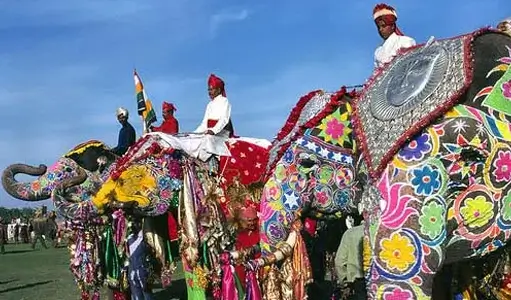
Rajasthan, the land of kings, is a vibrant state in India, rich in history, culture, and heritage. With its majestic forts, palaces, temples and deserts, Rajasthan offers an unforgettable experience for travelers seeking to explore its royal past and scenic landscapes.
From the pink-hued streets of Jaipur to the golden dunes of Jaisalmer and the shimmering lakes of Udaipur, every city in Rajasthan tells its own story of valor, romance, and architectural brilliance. Whether you're drawn to grand hilltop forts, vibrant local bazaars, desert safaris, or peaceful lakeside evenings, Rajasthan's diversity ensures there's something for every kind of traveler - from history buffs and photographers to families and honeymooners.
If you're planning a trip to Rajasthan in 2026, here are the top 10 tourist places in Rajasthan you should visit:
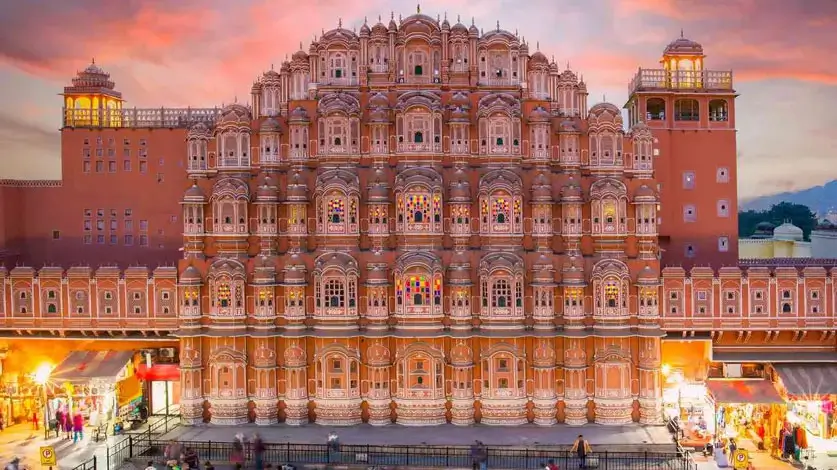
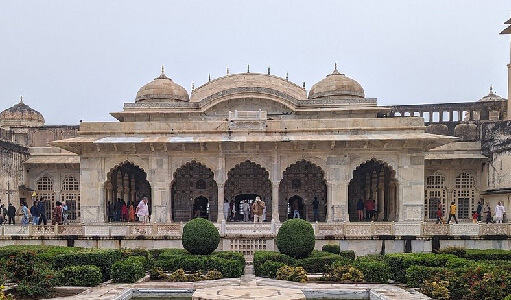
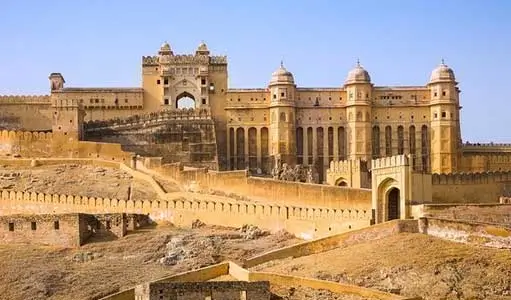
Known as the "Pink City," Jaipur is the capital of Rajasthan and a treasure trove of royal heritage. Its iconic architecture, bustling bazaars, and rich history make it a must-visit destination. Founded in 1727 by Maharaja Sawai Jai Singh II, Jaipur was one of India's first planned cities, laid out according to principles of Vastu Shastra. The city gets its famous pink hue from a color chosen in 1876 to welcome the Prince of Wales, a tradition that continues today with strict building codes preserving the old city's rosy facade. Beyond its monuments, Jaipur is also a shopper's paradise, known for blue pottery, gemstones, and traditional Rajasthani textiles found in bustling markets like Johari Bazaar and Bapu Bazaar.
Attractions:
Best Time to Visit: October to March, when temperatures range from 10°C to 25°C - ideal for exploring forts and markets on foot.
Ideal Duration: 2-3 days is enough to cover Jaipur's major attractions comfortably.
How to Reach: Jaipur International Airport connects to major Indian cities and select international destinations. Jaipur Junction railway station has excellent connectivity, and it's also well-linked by road via NH48 from Delhi (about 5-6 hours drive).
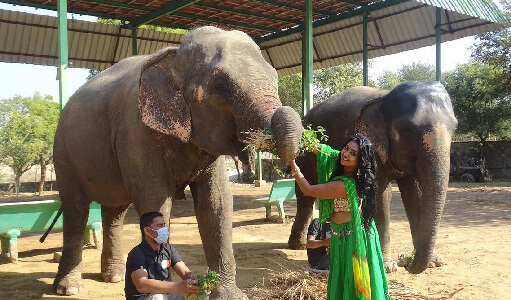
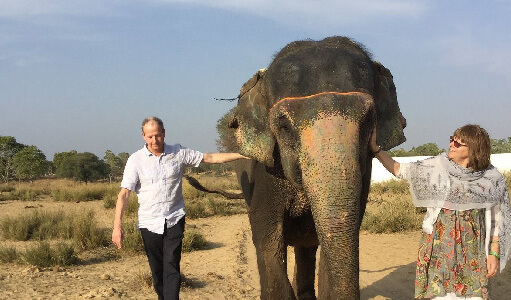
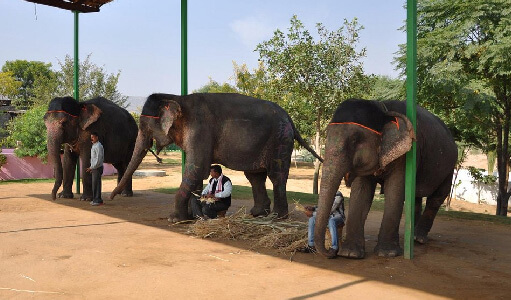
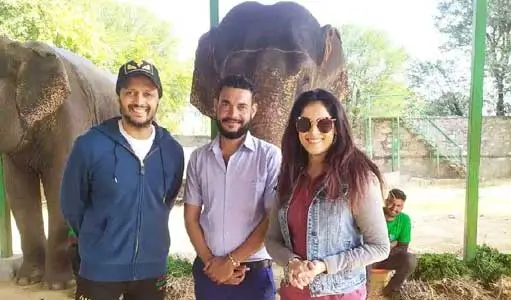
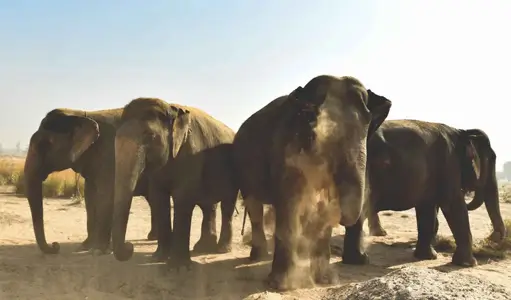
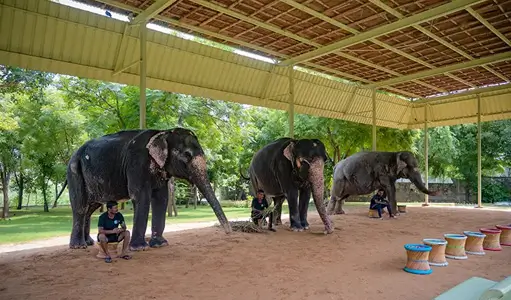
From feeding and bathing to walking and interactive experiences discover everything you can do with elephants in Jaipur. Choose your favorite activity and enjoy a safe, ethical, and unforgettable experience.
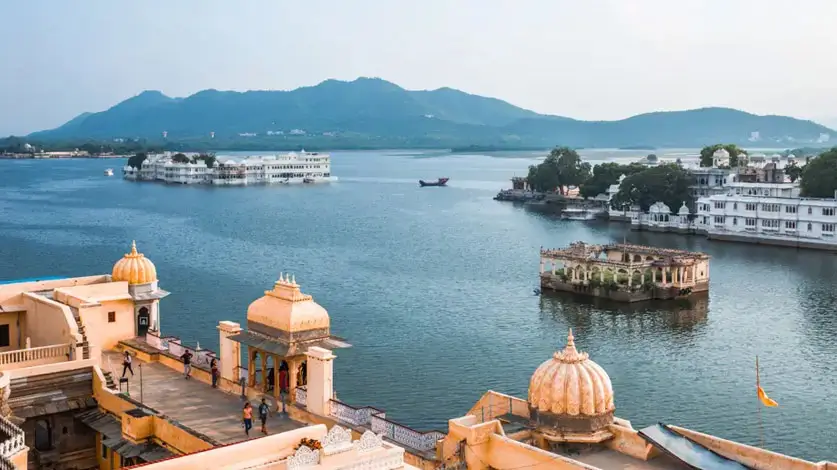
Udaipur is known for its serene lakes, majestic palaces, and romantic ambiance. It is often referred to as the Venice of the East. Don't miss this one of the best places in Rajasthan. Founded in 1559 by Maharana Udai Singh II, Udaipur was established as the new capital of the Mewar Kingdom after the fall of Chittorgarh. The city's collection of lakes - Pichola, Fateh Sagar, and Udai Sagar - combined with its whitewashed havelis and hilltop palaces have earned it the nickname "Venice of the East." Udaipur has also gained international fame as a filming location, most notably featured in the James Bond film Octopussy.
Attractions:
Best Time to Visit: September to March offers pleasant weather perfect for lake-side sightseeing and boat rides.
Ideal Duration: 2 days is sufficient, though 3 days allows a more relaxed pace with day trips to nearby attractions.
How to Reach: Maharana Pratap Airport (Dabok) has regular domestic flights. Udaipur City railway station connects to major cities like Delhi, Jaipur, and Mumbai. The city is also well-connected by road from Jaipur (about 6-7 hours).
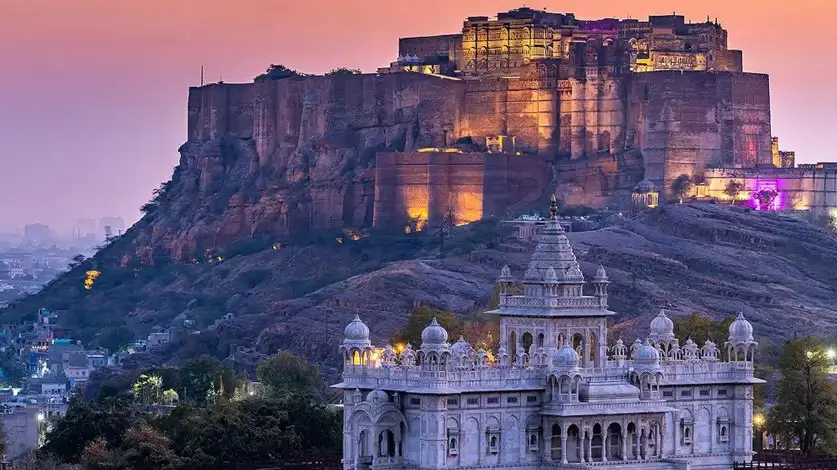
Jodhpur, the second-largest city in Rajasthan, is famous for its blue-painted houses and its majestic Mehrangarh Fort. Founded in 1459 by Rao Jodha, a Rajput chief of the Rathore clan, Jodhpur served as the capital of the Marwar region for centuries. The city's distinctive blue-painted houses, visible from atop Mehrangarh Fort, were traditionally colored to reflect heat and repel insects, and were historically associated with the Brahmin community. Jodhpur is also known globally for giving its name to "jodhpurs," the riding trousers first designed by the Maharaja of Jodhpur in the 19th century.
Attractions:
Best Time to Visit: October to March, when cooler temperatures make it comfortable to explore the fort and blue-painted old city streets.
Ideal Duration: 2 days is ideal to cover Mehrangarh Fort, Umaid Bhawan Palace, and the old city markets.
How to Reach: Jodhpur Airport has good domestic connectivity. Jodhpur Junction railway station is well-connected to Delhi, Jaipur, and Mumbai. By road, it's approximately 6 hours from Jaipur via NH52.
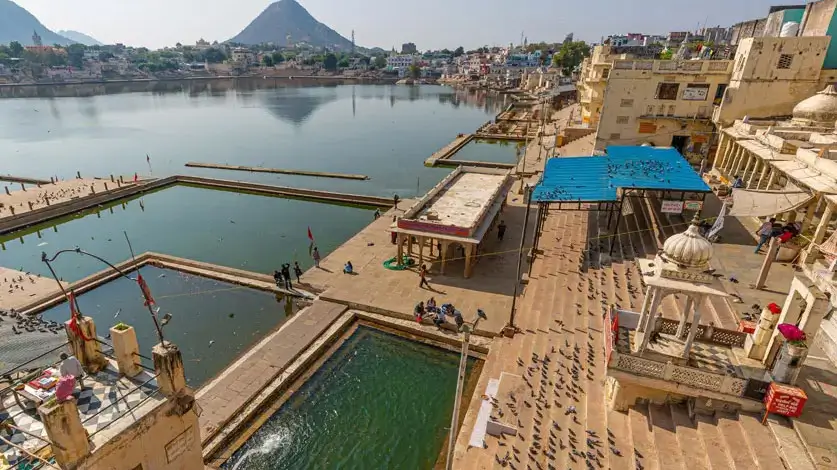
Pushkar is a holy town known for its sacred lake, temples, and vibrant atmosphere. According to Hindu mythology, Pushkar Lake was formed when Lord Brahma dropped a lotus flower on earth, making it one of the most sacred pilgrimage sites in India. The town is encircled by 52 bathing ghats and over 400 temples, drawing thousands of pilgrims and travelers year-round. Pushkar is also a vegetarian and alcohol-free town due to its religious significance, giving it a distinctly calm and spiritual atmosphere compared to other Rajasthan destinations.
Attractions:
Best Time to Visit: October to March, or specifically during the Pushkar Camel Fair (usually November), for the most vibrant cultural experience.
Ideal Duration: 1-2 days is sufficient for a relaxed visit to the lake, temples, and bazaar.
How to Reach: The nearest airport is Kishangarh Airport (around 45 minutes away) or Jaipur International Airport (about 2.5 hours). Ajmer railway station, roughly 15 km away, is the closest rail connection.
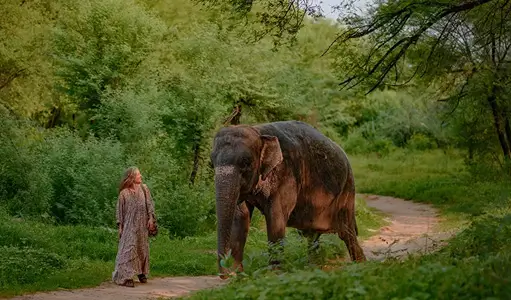
From feeding and bathing to walking and interactive experiences discover everything you can do with elephants in Jaipur. Choose your favorite activity and enjoy a safe, ethical, and unforgettable experience.
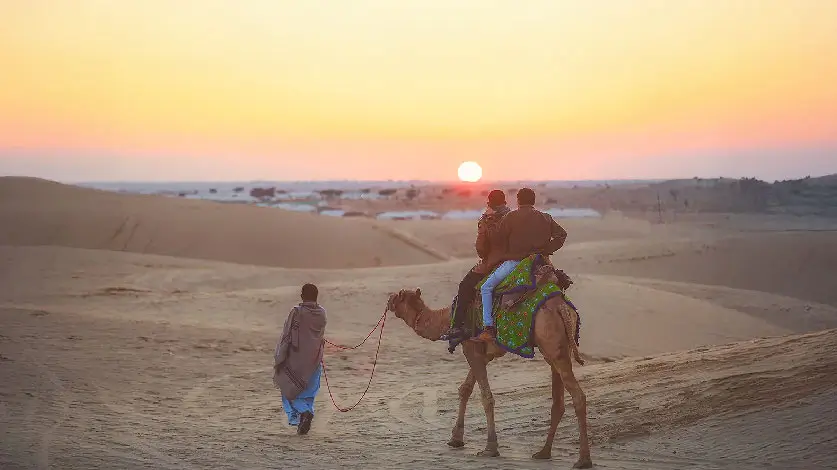
Known as the "Golden City" for the honey-hued sandstone used in its architecture, Jaisalmer is home to one of the few "living forts" in the world, where nearly a quarter of the old city's population still resides within the fort walls. Founded in 1156 by Rawal Jaisal, the city thrived historically as a trading post on the caravan routes between India and Central Asia. Its remote location in the Thar Desert also makes it one of the best places in India for stargazing, with minimal light pollution around the surrounding sand dunes.
Attractions:
Best Time to Visit: November to February, when desert temperatures are cool enough for camel safaris and fort exploration.
Ideal Duration: 2 days, including one evening for a desert camp experience at Sam Sand Dunes.
How to Reach: Jaisalmer Airport has limited but growing flight connectivity. Jaisalmer railway station connects to Jodhpur, Jaipur, and Delhi. By road, it's about 5-6 hours from Jodhpur.
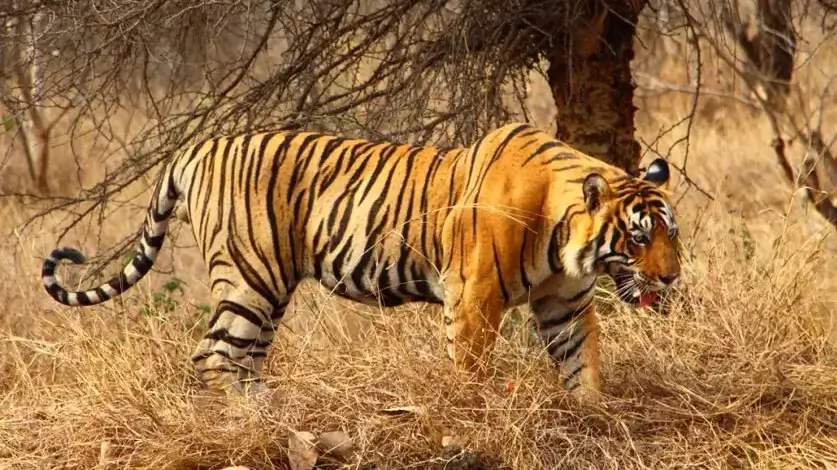
Ranthambore National Park is one of India’s premier wildlife reserves, famous for its tiger population. It offers an unforgettable experience for nature lovers. Once a hunting ground for the Maharajas of Jaipur, Ranthambore was declared a Project Tiger reserve in 1973 and now spans over 1,300 square kilometers. The park is unique for combining wildlife with heritage, as the 10th-century Ranthambore Fort - a UNESCO World Heritage Site - sits right in the middle of tiger territory, often visible in the backdrop of wildlife photographs. Ranthambore is considered one of the best places in the world for photographing tigers in daylight, due to the park's relatively open terrain.
Attractions:
Best Time to Visit: October to June, with the best tiger sighting chances during the hot summer months of April-May when animals gather near water sources.
Ideal Duration: 2 days, allowing for at least 2-3 safari rides to increase chances of tiger sightings.
How to Reach: The nearest airport is Jaipur International Airport (about 3.5-4 hours away). Sawai Madhopur railway station is the closest rail connection, well-linked to Delhi, Jaipur, and Mumbai.
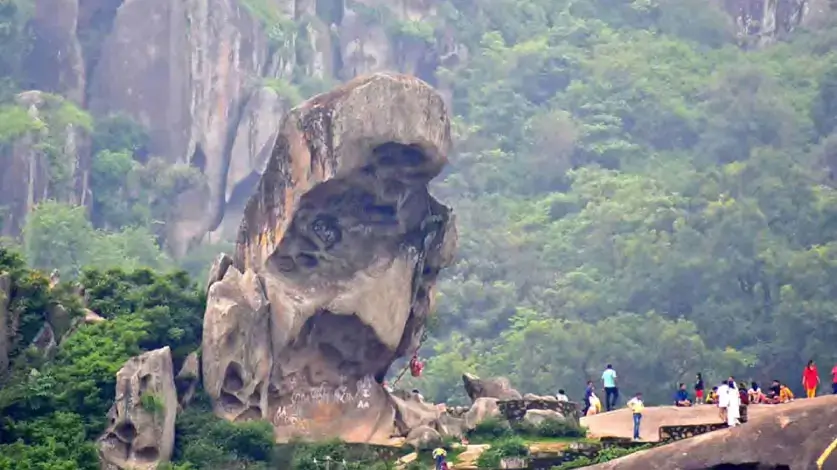
Mount Abu is the only hill station in Rajasthan, offering a cool climate and beautiful landscapes. Located at an elevation of around 1,220 meters in the Aravalli Range, Mount Abu is considered sacred in Jain tradition, with the Dilwara Temples ranking among the finest examples of Jain architecture in India, built between the 11th and 13th centuries. The hill station's cooler climate historically made it a popular retreat for both Rajput royalty and British officials during colonial times. It remains a favorite honeymoon and family getaway destination, offering a refreshing contrast to Rajasthan's desert landscape.
Attractions:
Best Time to Visit: October to June - being Rajasthan's only hill station, it offers pleasant weather even in summer months when the rest of the state is scorching hot.
Ideal Duration: 2 days is enough to cover the main temples, lake, and viewpoints.
How to Reach: The nearest airport is Maharana Pratap Airport in Udaipur (about 3 hours away). Abu Road railway station, around 28 km from Mount Abu town, is the closest rail link.
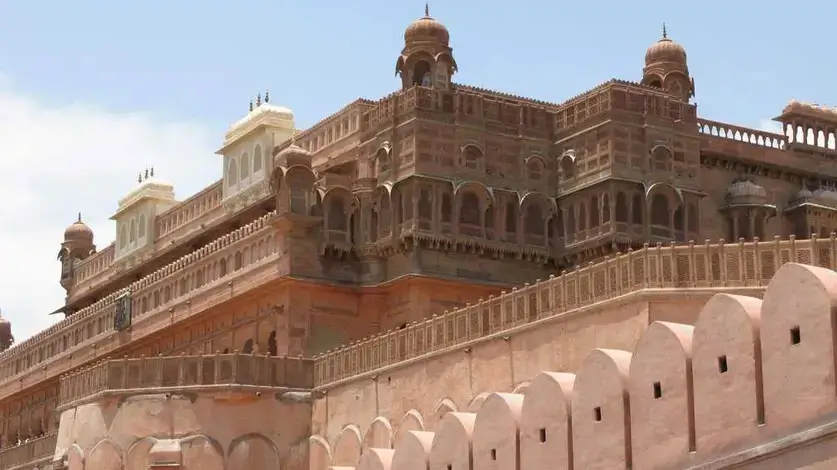
Bikaner, a historic city in the Thar Desert, is known for its fortresses, camel rides, and delicious sweets. Founded in 1488 by Rao Bika, a Rathore prince, Bikaner grew into a major stop along ancient trade routes connecting India with Central Asia and the Middle East. The city is famous not only for its architecture but also for culinary specialties like bhujia (a spicy snack) and rasgullas, which are exported worldwide. Bikaner is also home to the unique Karni Mata Temple, where thousands of black rats are worshipped as sacred, drawing curious visitors from across the globe.
Attractions:
Best Time to Visit: November to February, when the desert climate is cool and comfortable for sightseeing.
Ideal Duration: 1-2 days is sufficient to explore Junagarh Fort, the local havelis, and Karni Mata Temple.
How to Reach: Bikaner has a domestic airport with limited flights (Nal Airport). Bikaner Junction railway station connects well to Jaipur, Delhi, and Jodhpur.
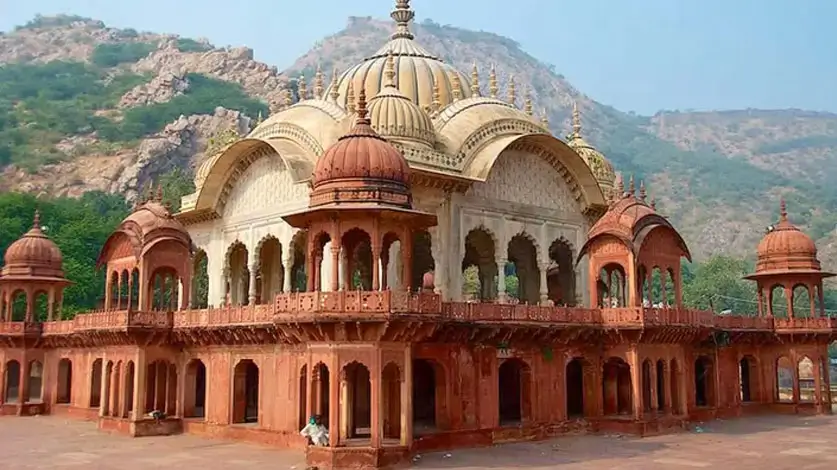
Alwar, a historic city in the Aravalli Range, is known for its forts, palaces, and natural beauty. Sariska Tiger Reserve is located nearby and is famous for its tigers and wildlife safaris. Alwar is one of the oldest cities in Rajasthan, with a history tracing back to the Matsya Kingdom mentioned in the Mahabharata. Located just a few hours from Delhi and Jaipur, it serves as a convenient gateway for travelers looking to combine wildlife experiences with heritage sightseeing without venturing deep into Rajasthan. Sariska Tiger Reserve, spread across the Aravalli hills, is particularly notable for successfully reintroducing tigers after a period of local extinction in the mid-2000s, making it an important conservation success story.
Attractions:
Best Time to Visit: October to March for comfortable weather; Sariska safaris are best from October to June.
Ideal Duration: 1-2 days, combining a city tour of Alwar with a wildlife safari at Sariska.
How to Reach: The nearest major airport is Jaipur International Airport (about 2.5 hours away). Alwar Junction railway station is well-connected to Delhi and Jaipur.
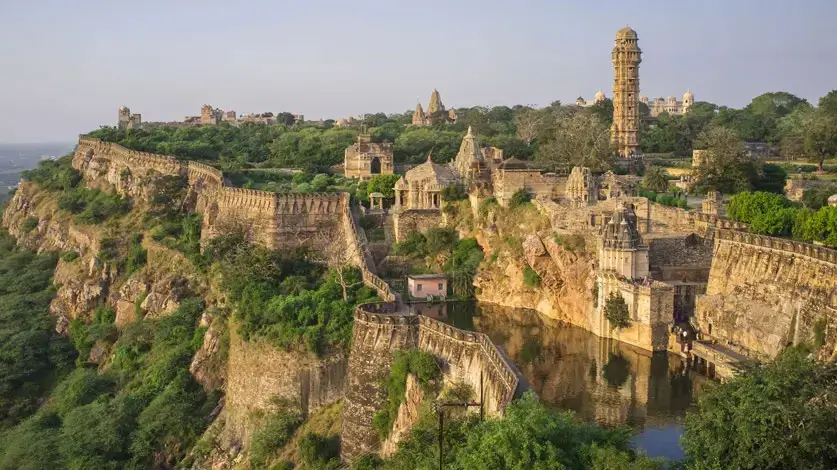
Chittorgarh is known for its massive fort, which stands as a symbol of Rajasthan’s valor and history. Spread across 700 acres atop a hill, Chittorgarh Fort is the largest fort in India and one of the largest in Asia, protected by a 13-kilometer-long wall. The fort is deeply woven into Rajasthani folklore, most famously associated with Rani Padmini and the tradition of jauhar (self-immolation) performed by Rajput women to avoid capture during sieges. Chittorgarh's history of resistance against successive invasions has made it an enduring symbol of Rajput pride, courage, and sacrifice.
Attractions:
Best Time to Visit: October to March, avoiding the intense summer heat that can make fort exploration exhausting.
Ideal Duration: 1 day is generally sufficient to explore the fort complex and its main monuments.
How to Reach: The nearest airport is Maharana Pratap Airport in Udaipur (about 2 hours away). Chittorgarh railway station is directly connected to major cities like Delhi, Jaipur, and Udaipur.
Conclusion
Rajasthan, with its enchanting palaces, forts, lakes and deserts, offers something for every kind of traveler. From the grandeur of Jaipur and Udaipur to the tranquil beauty of Mount Abu and the wilderness of Ranthambhore, Rajasthan is a land of incredible diversity. Plan your visit to this royal state in 2026 to experience the magic of Rajasthan firsthand..
Get More Information :
UP NEXT : Top 10 Best 5 Star Hotels in Agra
The best time to visit Rajasthan is from October to March when the weather is good and best for sightseeing. During this time, the temperatures are cooler, especially in the desert areas, making it more comfortable for tourists. The summer months (April to June) can be extremely hot, while the monsoon season (July to September) brings moderate rainfall.
Rajasthan is well-connected by train, bus, and road. Major cities like Jaipur, Udaipur, Jaisalmer and Jodhpur have good train connectivity. You can also hire taxis or rent cars for more flexibility. Many travelers prefer private tours with guides to explore the state’s top attractions. For short distances within cities, auto-rickshaws and cycle rickshaws are common.
Yes, Rajasthan is generally safe for tourists. Like in any other destination, it is essential to take standard precautions such as avoiding isolated areas at night, safeguarding your belongings and respecting local customs. Major tourist cities are well-policed, and there is a strong tourist infrastructure.
Rajasthan is famous for its rich and flavorful cuisine. Must-try dishes include:
The duration of your visit depends on the places you want to explore. For a brief tour, 7-10 days is ideal to cover major cities like Jaipur, Udaipur, Jodhpur, Pushkar and Jaisalmer. If you plan to visit remote places or take a more relaxed approach, 10-14 days is recommended.