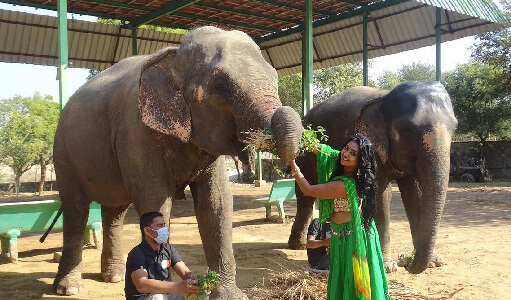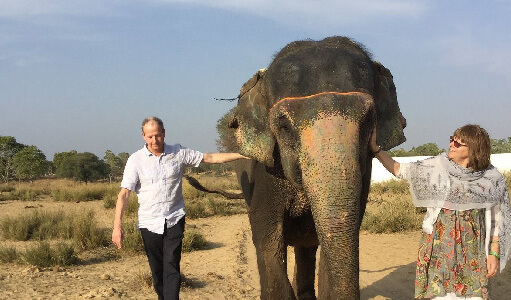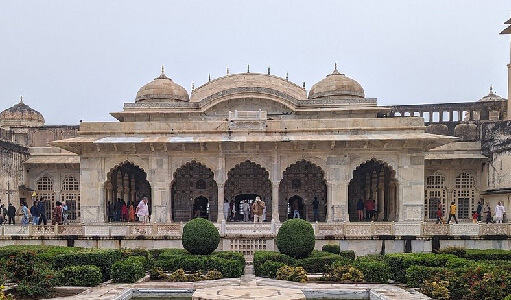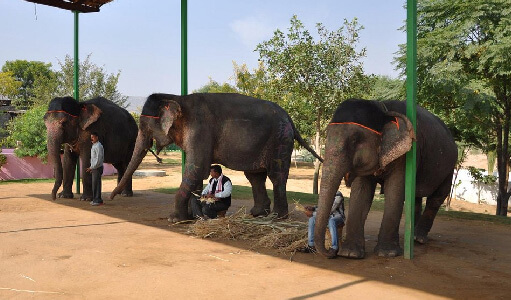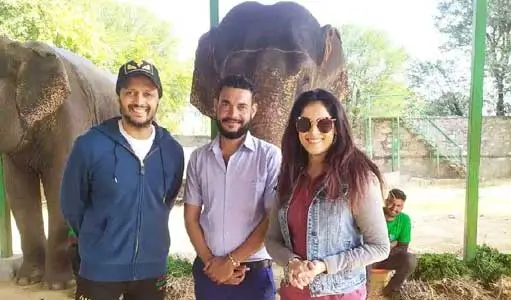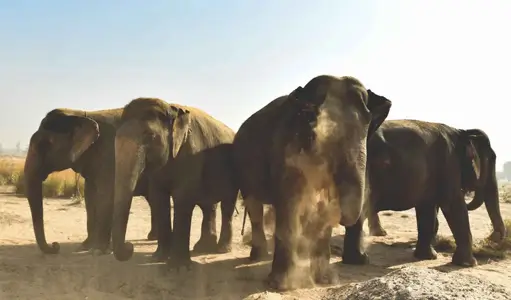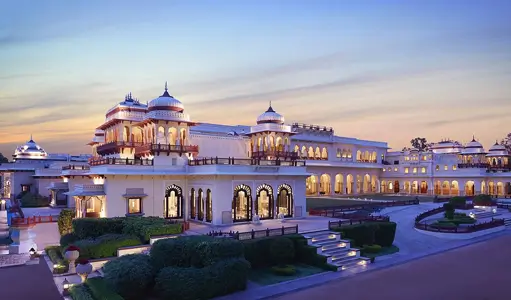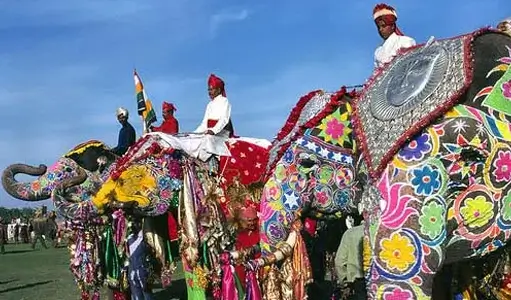
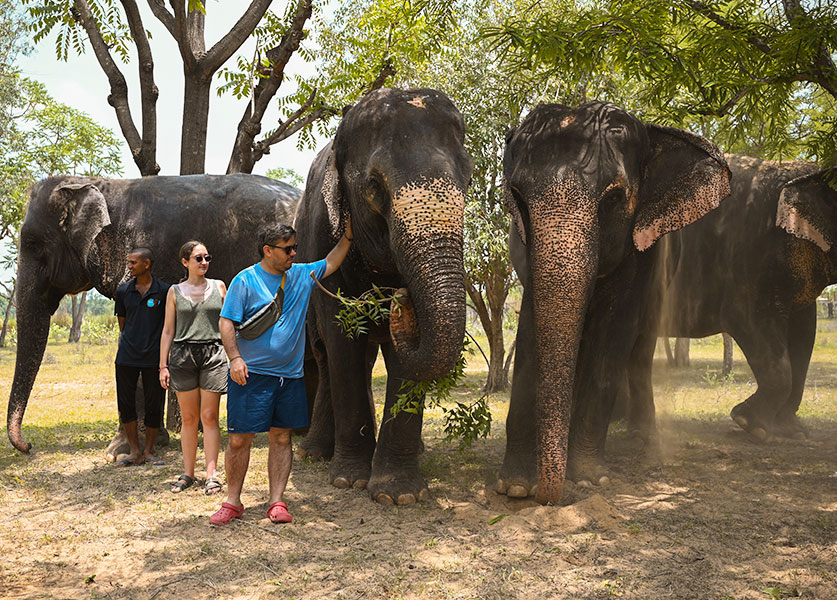
Hathi Gaon in Jaipur, popularly known as Elephant Village Jaipur, represents one of India's most significant initiatives in improving elephant welfare while preserving the centuries-old relationship between elephants and their caretakers. Located near the historic Amber Fort, this purpose-built settlement was established to provide elephants with a safer, healthier, and more organized living environment while encouraging responsible tourism and greater public awareness about ethical elephant care.
For decades, elephants have been an important part of Rajasthan's cultural identity, royal traditions, and tourism industry. However, as awareness about animal welfare has grown around the world, there has been an increasing need to balance heritage with modern conservation practices. Hathi Gaon reflects this changing perspective by creating a dedicated residential community where elephants and mahouts (traditional caretakers) can live together in a planned environment designed with welfare in mind.
Unlike conventional tourist areas where elephants were once housed in scattered urban locations, Hathi Gaon provides spacious shelters, improved infrastructure, access to clean water, veterinary support, and designated areas for daily care. The village aims to create conditions that better support the physical health and overall well-being of elephants while also improving the living standards of the families who care for them.
Today, Hathi Gaon is more than just a residential settlement. It serves as a symbol of Jaipur's evolving approach to ethical tourism, where education, conservation, and responsible visitor behavior are increasingly valued alongside cultural experiences. Travelers interested in understanding India's elephant heritage can learn about the important role elephants have played in Rajasthan while also gaining insight into the ongoing efforts being made to improve their welfare.
Whether you're planning to visit Jaipur for its magnificent forts, vibrant markets, or unique wildlife experiences, learning about Hathi Gaon provides a deeper understanding of how responsible tourism can contribute to the long-term care and protection of these remarkable animals.
The story of Hathi Gaon began with a vision to create a dedicated residential community where elephants could live in better conditions while preserving the traditional bond between elephants and their mahouts. Before the village was established, many elephants used in Jaipur's tourism activities were housed in scattered locations around the city. These arrangements often created challenges related to space, sanitation, traffic congestion, and access to essential facilities.
Recognizing the need for a more organized approach, the Jaipur Development Authority (JDA) developed Hathi Gaon as a planned settlement near Amber. The objective was to relocate elephants and their caretakers to an area specifically designed for their needs, providing improved housing, infrastructure, and access to veterinary care.
The project also aimed to reduce pressure on Jaipur's historic areas while creating a more suitable environment for elephant management. Dedicated shelters, open spaces, water facilities, and improved road access were incorporated into the planning to support daily care and improve living conditions.
Over time, Hathi Gaon has become widely recognized as India's first planned Elephant Village, representing an important step toward combining heritage conservation with modern animal welfare principles. While challenges remain, the project demonstrates how thoughtful planning can improve conditions for both elephants and the communities that care for them.
Today, Hathi Gaon continues to evolve as awareness of ethical tourism and responsible wildlife management grows among both Indian and international travelers.
Interested in understanding elephant welfare beyond traditional sightseeing? Our guided experiences focus on education, responsible tourism, and meaningful interactions that respect the well-being of elephants while introducing you to Jaipur's rich cultural heritage.

Hathi Gaon is located near Amber Fort, approximately 12–15 kilometers from the center of Jaipur, making it easily accessible while remaining away from the city's busiest commercial areas. Its location allows elephants to live in a quieter environment with more space than would typically be available within the urban core.
The surrounding landscape includes hills, open land, and heritage monuments, creating an environment that complements the village's purpose as a dedicated elephant settlement. Its proximity to Jaipur's most famous attractions also allows visitors to combine a visit to the Amber region with an opportunity to learn about elephant welfare and conservation initiatives.
Nearby attractions include:
Because of its strategic location, Hathi Gaon can easily be included in a full-day Jaipur sightseeing itinerary.
Hathi Gaon was not created as a conventional tourist attraction. Instead, it was planned as a long-term residential settlement focused on improving living conditions for elephants and their caretakers.
Urban planners, government authorities, and welfare experts worked together to develop infrastructure that addressed many of the challenges associated with housing elephants in densely populated areas.
The planning emphasized several important objectives:
Unlike temporary elephant camps, Hathi Gaon was designed with long-term sustainability in mind, ensuring that both elephants and caretakers could benefit from a more organized and secure environment.
One of Hathi Gaon's defining features is its carefully planned infrastructure. Every aspect of the settlement was designed to better accommodate the unique requirements of elephants while also supporting the daily lives of mahouts and their families.
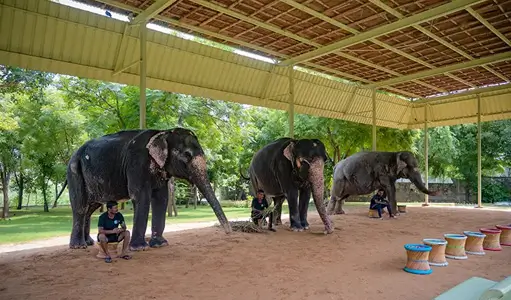
The village consists of numerous elephant shelters, locally known as Haathi Thaans, each providing shade, space, and protection from extreme weather conditions. Compared to earlier arrangements where elephants were often kept in scattered urban locations, these shelters offer a far more organized environment.
Several key infrastructure elements contribute to the village's welfare-focused design:
Spacious Elephant Shelters
Each shelter provides elephants with designated resting areas that help protect them from intense summer heat and seasonal rainfall. The additional space also allows caretakers to manage daily routines more efficiently.
Water Facilities
Elephants require large quantities of water for drinking and bathing. Hathi Gaon includes water supply systems and bathing areas that support regular hydration and help elephants regulate their body temperature.
Open Walking Areas
Unlike confined enclosures, the village layout includes wider pathways that allow elephants to move between shelters more comfortably as part of their daily routine.
Drainage and Sanitation
Proper drainage systems improve hygiene throughout the settlement, reducing waterlogging and creating cleaner living conditions for both elephants and residents.
Residential Housing for Mahouts
Mahouts and their families live within the community, allowing them to remain close to the elephants they care for every day. This arrangement strengthens the long-standing relationship between elephants and their caretakers while supporting consistent daily management.
Future Welfare Improvements
As understanding of elephant welfare continues to evolve, Hathi Gaon has the potential to further strengthen its facilities through ongoing improvements in veterinary care, enrichment programs, environmental management, and sustainable infrastructure.
Hathi Gaon represents more than a planned settlement - it symbolizes a broader shift in how elephant welfare is viewed within India's tourism landscape. By providing a structured environment, improved infrastructure, and greater public awareness about responsible tourism, the village highlights the importance of balancing cultural traditions with modern standards of animal care.
For visitors, Hathi Gaon offers an opportunity to better understand the responsibilities involved in caring for elephants and the ongoing efforts to improve their quality of life. Rather than focusing solely on tourism, the village encourages education, empathy, and respect for one of India's most iconic animals.
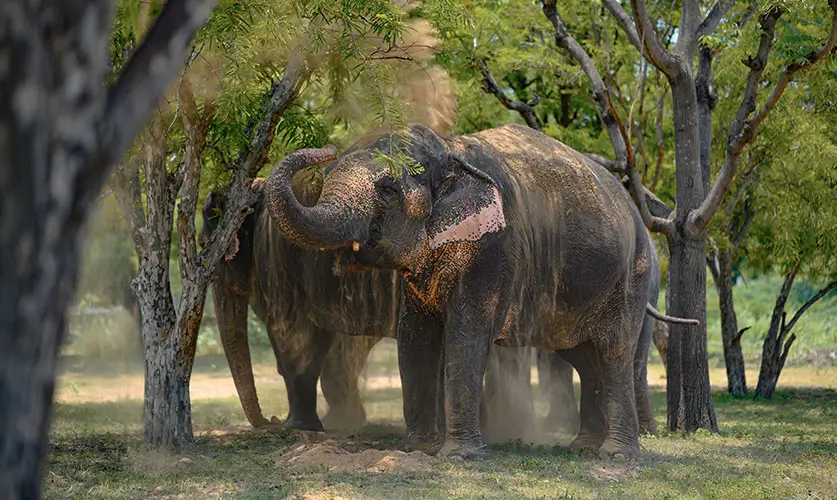
The establishment of Hathi Gaon in Jaipur was driven by a long-term vision to create a dedicated residential community where elephants and their caretakers could live in a more organized and welfare-oriented environment. Rather than keeping elephants scattered across different parts of the city, the idea was to provide a centralized location with better infrastructure, improved sanitation, and easier access to essential services.
Historically, elephants have been closely associated with Jaipur's royal heritage and tourism industry, particularly around Amber Fort. As tourism grew over the years, it became increasingly important to improve housing conditions, traffic management, and overall welfare standards for elephants living in the region.
Hathi Gaon was therefore developed to address several important objectives:
Rather than functioning solely as a tourist attraction, Hathi Gaon serves as a residential welfare community where elephant care remains the primary focus.
One of the defining principles of Hathi Gaon is its emphasis on elephant welfare. Every aspect of the village - from shelter design to water access - was planned with the goal of creating better living conditions for these highly intelligent and social animals.
Elephants require much more than food and shelter. They need space to move, opportunities for social interaction, regular bathing, proper nutrition, and continuous health monitoring. Hathi Gaon attempts to address these basic welfare requirements through a structured environment that supports both physical and emotional well-being.
Although welfare standards continue to evolve worldwide, the village represents an important step toward improving the everyday lives of elephants living in the Jaipur region.
Space plays an important role in elephant welfare. Unlike cramped urban settings, Hathi Gaon provides a more organized environment where elephants can rest, walk between shelters, and interact with their caretakers in a less congested setting.
The village layout includes wide internal roads, designated shelter areas, and open spaces that improve day-to-day movement. While this differs from the vast ranges elephants occupy in the wild, providing additional room within a managed environment contributes to better comfort and easier daily care.
A more spacious settlement also reduces stress associated with overcrowding and allows caretakers to perform routine activities more safely.
Every elephant follows a structured daily routine that helps maintain health, comfort, and consistency. While schedules may vary depending on age, health, weather conditions, and individual needs, a typical day often includes several essential care activities.
Early Morning
The day usually begins before sunrise when mahouts check each elephant's health and general condition. Fresh water is provided, and elephants receive their first meal of the day.
Morning is also a relatively cool time, making it suitable for light walks and routine movement around the settlement.
Elephants consume large quantities of plant-based food every day. Their diet generally includes a variety of natural ingredients such as:
Because elephants spend many hours eating throughout the day, maintaining a balanced diet is an important aspect of their care.
Bathing and Cooling
Bathing is one of the most enjoyable and beneficial activities for elephants. Water helps regulate body temperature, removes dust from the skin, and provides relief during Jaipur's warmer months.
Where facilities are available, elephants may enjoy:
These activities also provide opportunities for mahouts to inspect the elephant's skin and overall condition.
Rest Periods
Like humans, elephants require regular periods of rest.
During the hottest part of the afternoon, elephants typically spend time under shaded shelters where they can relax and avoid prolonged exposure to the sun.
Providing shaded resting areas is especially important during Rajasthan's summer months.
Evening Care
As temperatures become cooler, elephants may spend additional time walking within designated areas before receiving their evening meal.
Mahouts also perform routine observations to ensure that each elephant appears comfortable before nighttime rest.
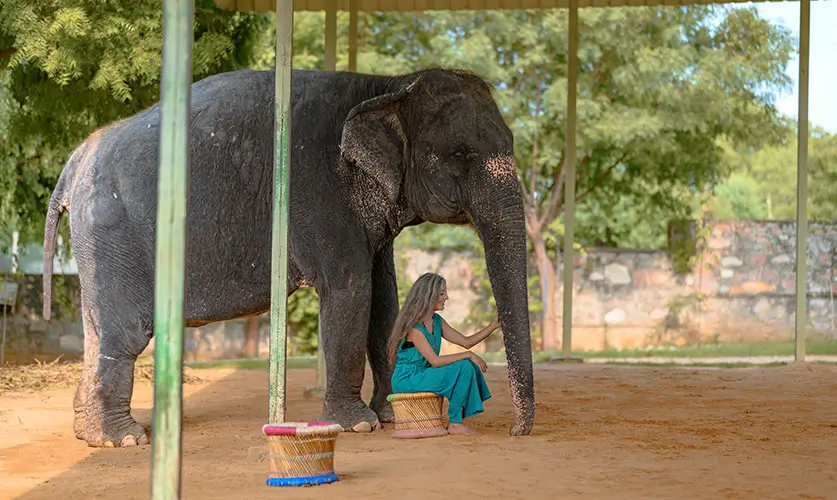
Proper nutrition is one of the most important aspects of elephant welfare.
Adult elephants require hundreds of kilograms of plant material every day along with continuous access to clean drinking water. Their digestive systems are designed to process large amounts of fibrous vegetation over many hours.
A carefully managed feeding routine generally includes:
Green Fodder
Fresh grasses and leaves provide essential fiber that supports healthy digestion.
Sugarcane
Sugarcane is often provided as an energy-rich treat in moderation.
Seasonal Fruits
Bananas, melons, papaya, and other seasonal fruits may be included depending on availability.
Vegetables
Carrots, pumpkins, cucumbers, and similar vegetables contribute vitamins and minerals.
Mineral Supplements
When recommended by veterinarians, mineral supplements may help maintain balanced nutrition.
Providing a varied diet helps support overall health while encouraging natural feeding behavior.
Looking for an ethical and educational elephant experience? Learn about elephant welfare, conservation, and Rajasthan's rich cultural heritage through thoughtfully designed experiences that prioritize respect, care, and responsible tourism.
Regular veterinary attention plays a critical role in maintaining elephant welfare.
Health monitoring involves much more than treating illness. Preventive care helps identify potential problems before they become serious.
Routine veterinary support may include:
Early diagnosis allows caretakers to respond quickly if any health concerns arise.
Veterinary professionals also work closely with mahouts to monitor behavioral changes that could indicate discomfort or illness.
Healthy feet are essential for elephants because they spend most of their lives standing and walking.
Routine foot care helps prevent:
Mahouts regularly inspect each elephant's feet and consult veterinarians whenever specialized treatment is required.
Good foot care significantly contributes to long-term mobility and overall quality of life.
Mahouts are at the heart of daily life in Hathi Gaon. These experienced caretakers dedicate their lives to looking after elephants, often building relationships that develop over many years.
Their responsibilities extend far beyond guiding elephants. Every day, mahouts play a vital role in ensuring the animals receive proper care, attention, and routine monitoring.
Some of their key responsibilities include:
Because mahouts spend so much time with the same elephants, they are often the first to notice subtle changes in behavior or health.
One of Hathi Gaon's unique characteristics is that it is not simply a collection of elephant shelters—it is a living community where elephants and mahouts share the same environment.
Families of mahouts also reside within the settlement, creating a close-knit community centered around elephant care. This long-standing relationship reflects Rajasthan's historical connection between humans and elephants while adapting to modern welfare-focused approaches.
The village demonstrates how responsible management can bring together animal welfare, community livelihoods, and cultural heritage within a single planned environment.
Environmental planning also contributes to the overall welfare of elephants.
Several aspects of the village support sustainability:
These features help create a calmer environment while making day-to-day management more efficient for caretakers.
Over the past decade, travelers have become increasingly conscious of how wildlife tourism affects animals and local communities. Rather than simply seeking entertainment, many visitors now want experiences that support conservation, education, and responsible travel. Hathi Gaon reflects this shift by encouraging a more respectful understanding of elephants and their care.
Unlike attractions that focus purely on commercial activities, Hathi Gaon helps visitors appreciate the responsibilities involved in caring for one of the world's largest land mammals. Learning about elephant welfare, observing daily routines, and understanding the role of mahouts can create a far more meaningful travel experience than simply taking photographs.
Responsible tourism is built on the idea that travel should benefit both people and animals. Visitors who approach Hathi Gaon with curiosity and respect contribute to a culture that values conservation and long-term welfare over short-term entertainment.
Although Hathi Gaon is primarily a residential settlement rather than a conventional tourist attraction, it offers valuable insights into elephant management and welfare.
Visitors can gain a better understanding of:
For photographers, students, wildlife enthusiasts, and families, learning about these aspects adds depth to a visit beyond simply seeing elephants.
Looking for a meaningful way to experience Jaipur? Combine iconic landmarks with ethical elephant experiences, cultural activities, and local traditions. Our travel specialists can help you plan a responsible itinerary that showcases the best of Rajasthan while supporting sustainable tourism and authentic local experiences.
Respectful visitor behavior is an essential part of ethical wildlife tourism. Whether visiting Hathi Gaon or any elephant welfare facility, following basic guidelines helps create a safer and more comfortable environment for everyone.
Respect the Elephants' Space
Elephants are intelligent, sensitive animals. Avoid approaching them too closely unless guided by authorized staff.
Follow Local Instructions
Always listen to mahouts or guides, especially when moving around elephant shelters or designated visitor areas.
Avoid Loud Noise
Speaking softly and avoiding sudden movements helps reduce unnecessary stress for elephants.
Never Feed Without Permission
Elephants follow carefully managed diets. Feeding them without approval may not be appropriate for their health.
Choose Ethical Experiences
Support organizations and experiences that prioritize elephant welfare, education, and responsible tourism rather than entertainment alone.
One of the biggest differences between Hathi Gaon and many older elephant housing arrangements is the emphasis on structured planning and welfare.
| Traditional Elephant Camps | Hathi Gaon Jaipur |
| Scattered locations | Planned residential settlement |
| Limited infrastructure | Purpose-built shelters |
| Congested surroundings | More spacious environment |
| Basic facilities | Improved water and sanitation |
| Difficult welfare monitoring | Centralized management |
| Less organized services | Better access to veterinary care |
While every facility is unique, Hathi Gaon represents an effort to improve living conditions through better planning and infrastructure.
Many travelers researching elephants in Jaipur come across both Hathi Gaon and Elefantastic. Although they are closely connected through their focus on elephant welfare, they serve different purposes.
| Hathi Gaon | Elefantastic |
| Residential elephant village | Ethical elephant experience provider |
| Planned settlement for elephants and mahouts | Guided visitor experiences focused on education |
| Welfare-oriented infrastructure | Small-group, personalized activities |
| Community-based living | Learning through ethical interaction |
| Long-term residential care | Responsible tourism experiences |
Hathi Gaon primarily functions as a community where elephants and their caretakers live, while Elefantastic offers curated experiences that introduce visitors to elephant behavior, care, and welfare through educational activities.
Rather than viewing the two as competitors, many travelers find that understanding both provides a broader perspective on Jaipur's ongoing efforts to promote responsible elephant tourism.
Although Hathi Gaon can be visited throughout the year, weather conditions greatly influence the overall experience.
| Season | Experience |
| October – March | Pleasant weather and the most comfortable time for sightseeing. |
| April – June | Very hot afternoons; early morning visits are recommended. |
| July – September | Monsoon brings greener surroundings, though occasional rain may affect outdoor activities. |
For the most enjoyable experience, many travelers prefer visiting during the cooler months between October and March.
Morning visits are generally more comfortable because temperatures are lower and elephants are often engaged in their daily routines.
Hathi Gaon is conveniently located near Amber Fort and can be reached from most parts of Jaipur within 30–40 minutes, depending on traffic.
From Jaipur International Airport
Distance: Approximately 25 km
Travel Time: Around 45–60 minutes
Options:
From Jaipur Railway Station
Distance: Approximately 15 km
Travel Time: Around 35–45 minutes
From Amber Fort
Distance: Only a few kilometers
Travel Time: Approximately 10 minutes
Many visitors include Hathi Gaon as part of a full-day sightseeing itinerary covering Jaipur's historic attractions.
Because Hathi Gaon is located close to Jaipur's historic heritage zone, several popular attractions can easily be combined into the same itinerary.
Amber Fort
One of Rajasthan's most iconic UNESCO World Heritage attractions, Amber Fort showcases magnificent Rajput architecture, beautiful courtyards, and panoramic hilltop views.
Panna Meena Ka Kund
A beautifully restored stepwell famous for its geometric staircases and unique architectural design.
Jaigarh Fort
Known for its military architecture and spectacular views over Amber Fort and the Aravalli Hills.
Nahargarh Fort
A favorite location for sunset views overlooking Jaipur city.
Jal Mahal
The picturesque Water Palace situated in the middle of Man Sagar Lake is one of Jaipur's most photographed landmarks.
Elefantastic
Visitors interested in learning more about ethical elephant care often choose to complement their visit with a guided educational experience focused on elephant welfare, behavior, and responsible interaction.
If you're planning to explore the Amber region, here's a suggested route:
| Time | Activity |
| 8:00 AM | Visit Amber Fort |
| 10:00 AM | Stop at Panna Meena Ka Kund |
| 11:00 AM | Learn about Hathi Gaon and elephant welfare |
| 1:00 PM | Lunch at a local restaurant |
| 2:30 PM | Visit Jaigarh Fort |
| 5:00 PM | Sunset at Nahargarh Fort |
This itinerary combines history, architecture, culture, and responsible tourism in a single day.
If you're visiting Hathi Gaon as part of your Jaipur itinerary, these practical tips can help make your experience more comfortable:
Being respectful and well-prepared not only enhances your own experience but also supports the welfare-focused atmosphere of Hathi Gaon.
Across the world, travelers are becoming more conscious about how their choices affect wildlife and local communities. Instead of seeking activities that prioritize entertainment alone, many visitors now look for experiences that promote conservation, education, and responsible travel. This global shift has encouraged destinations like Jaipur to place greater emphasis on elephant welfare and sustainable tourism practices.
Hathi Gaon plays an important role in this evolving landscape by demonstrating how dedicated planning and community involvement can contribute to better living conditions for elephants. While no single initiative can solve every challenge related to elephant welfare, projects like Hathi Gaon encourage continuous improvement and inspire conversations about responsible wildlife management.
Ethical elephant tourism is not simply about avoiding harmful practices - it is about creating experiences that educate visitors, support local communities, and place the well-being of elephants at the center of tourism.
Responsible tourism benefits everyone involved - from elephants and mahouts to visitors and local communities.
Better Welfare for Elephants
When welfare becomes the priority, elephants receive improved housing, regular health monitoring, nutritious diets, and environments designed to reduce stress.
Sustainable Tourism
Ethical tourism encourages long-term planning instead of short-term commercial gains. Sustainable practices help ensure that tourism can continue while respecting animals, culture, and the environment.
Community Support
Mahouts and their families possess generations of traditional knowledge about elephant care. Supporting responsible tourism helps preserve these livelihoods while encouraging modern welfare standards.
Visitor Education
Many international travelers leave Hathi Gaon with a greater appreciation for elephant intelligence, behavior, and conservation. Education helps visitors become more responsible travelers wherever they encounter wildlife.
Hathi Gaon offers opportunities to capture meaningful travel photographs, but responsible photography is just as important as responsible tourism.
To photograph respectfully:
The best wildlife photographs are those that reflect patience, respect, and natural behavior.
Planning a visit to Jaipur? Complement your sightseeing with an ethical elephant experience that focuses on education, welfare, and responsible tourism. Meet knowledgeable local experts, learn about elephant care, and enjoy a thoughtfully designed experience that respects both animals and culture.
Although elephants are generally calm when properly cared for, they remain large and powerful animals. Following safety guidelines helps protect both visitors and elephants.
Maintain a Safe Distance
Always keep an appropriate distance unless instructed otherwise by trained staff.
Stay Calm
Avoid shouting, running, or making sudden movements that may startle animals.
Follow Instructions
Mahouts understand the behavior of the elephants in their care. Their guidance should always be followed.
Supervise Children
Children should remain with adults throughout the visit and should never approach elephants without permission.
Wear Comfortable Clothing
Lightweight clothing, comfortable walking shoes, sunscreen, hats, and drinking water are recommended, particularly during warmer months.
Like any large welfare initiative, Hathi Gaon continues to face several ongoing challenges. Addressing these responsibly is essential for ensuring the long-term success of the village.
Maintaining Welfare Standards
Elephant welfare requires continuous investment in nutrition, healthcare, infrastructure, and skilled caretakers. Maintaining high standards is an ongoing responsibility rather than a one-time achievement.
Veterinary Care
As elephants age, they require increasingly specialized medical attention. Expanding veterinary facilities and access to experienced wildlife professionals remains an important priority.
Balancing Tourism and Welfare
Visitors are naturally interested in seeing elephants, but tourism should never compromise their well-being. Finding the right balance between educational experiences and animal welfare requires careful planning and responsible management.
Infrastructure Maintenance
Roads, drainage systems, shelters, water facilities, and residential housing require regular maintenance to ensure they continue meeting the needs of both elephants and mahout families.
Climate Challenges
Jaipur experiences extremely hot summers, making access to shade, clean water, and cooling facilities increasingly important for elephant comfort and health.
As awareness of ethical wildlife tourism grows, Hathi Gaon has opportunities to become an even stronger model for responsible elephant management in India.
Potential future developments include:
Continued investment in these areas could further strengthen Hathi Gaon's reputation as a welfare-focused community.
Jaipur is internationally known for its magnificent forts, palaces, colorful bazaars, and vibrant cultural heritage. Hathi Gaon adds another dimension to the city's tourism by highlighting the importance of responsible wildlife care.
Rather than replacing Jaipur's historical attractions, the village complements them by offering visitors a deeper understanding of Rajasthan's relationship with elephants.
Many travelers combine Hathi Gaon with visits to:
This combination allows visitors to experience both Jaipur's architectural heritage and its evolving commitment to ethical tourism.
Hathi Gaon represents an important step in the ongoing journey toward more responsible elephant welfare in India. It demonstrates how urban planning, community involvement, and tourism can work together to improve living conditions for elephants while supporting the people who care for them.
Although conservation and welfare continue to evolve, the village encourages visitors to think beyond traditional sightseeing. Instead of viewing elephants simply as symbols of Rajasthan's royal history, travelers gain a better understanding of their biological needs, social behavior, and the responsibilities involved in caring for them.
For students, wildlife enthusiasts, photographers, families, and international travelers, Hathi Gaon offers an opportunity to learn about ethical tourism through observation, education, and cultural understanding.
Ultimately, its greatest value lies not only in providing housing for elephants but also in promoting awareness that meaningful travel should respect animals, local communities, and the environment alike.
To make the most of your visit:
A thoughtful approach allows visitors to enjoy a richer and more meaningful experience.
| Feature | Details |
| Location | Near Amber Fort, Jaipur |
| Popular Name | Elephant Village Jaipur |
| Best Time to Visit | October to March |
| Ideal Visit Duration | 1–2 Hours |
| Suitable For | Families, Wildlife Lovers, Photographers, Students |
| Nearby Attractions | Amber Fort, Jaigarh Fort, Nahargarh Fort, Jal Mahal, Panna Meena Ka Kund |
| Travel Type | Educational & Responsible Tourism |
| Focus | Elephant Welfare & Community Living |
Hathi Gaon in Jaipur is more than just an Elephant Village—it represents an evolving approach to balancing Rajasthan's rich cultural heritage with modern principles of animal welfare and responsible tourism. By creating a dedicated residential community for elephants and their mahouts, the initiative aims to improve living conditions while promoting awareness about ethical elephant care and conservation.
For visitors, Hathi Gaon offers an opportunity to look beyond traditional sightseeing and gain a deeper understanding of the long-standing relationship between elephants and the communities that care for them. Learning about daily routines, welfare practices, and the responsibilities involved in elephant management adds valuable context to any visit to Jaipur.
As responsible travel continues to shape the future of global tourism, destinations like Hathi Gaon demonstrate how education, community involvement, and thoughtful planning can contribute to more meaningful visitor experiences. Whether you are a wildlife enthusiast, photographer, student, or first-time traveler to Rajasthan, understanding the purpose and significance of Hathi Gaon can make your journey more informed and rewarding.
By choosing ethical experiences, respecting local guidelines, and supporting welfare-focused tourism, every visitor can play a small but meaningful role in encouraging a future where conservation, culture, and compassion go hand in hand.
Hathi Gaon is a dedicated elephant village designed to support elephant welfare and ethical tourism.
It improves living conditions for elephants and promotes responsible tourism practices.
It is located near Amber Fort on the outskirts of Jaipur.
Yes, elephants receive food, water, shelter, bathing facilities, and veterinary care.
Trained mahouts and their families care for the elephants daily.
Yes, it supports awareness and education about elephant welfare.
Yes, ethical and responsible tourism is a key objective.
Yes, the village helps visitors understand elephant care and behavior.
Yes, it is recognized as the country’s first dedicated elephant village.
They contribute to conservation, ethical tourism, and animal well-being.