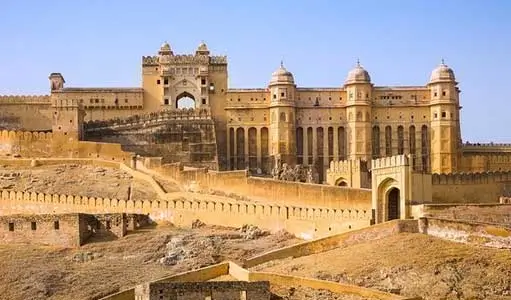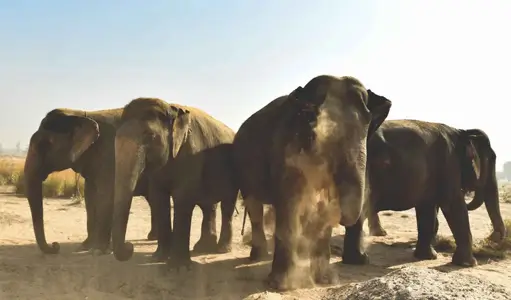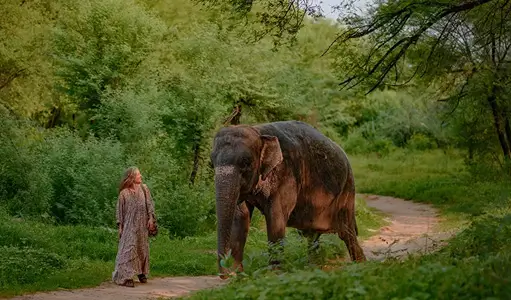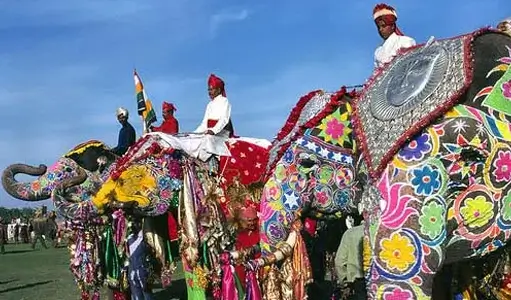
India's wildlife is just one aspect of the country's remarkable and diverse population. Some of the most unique, fascinating, and endangered animals may be found in the nation. The country's diverse terrain and ecosystems make much of this possible. Elephants are India's largest living mammal and most intelligent creatures. They have lived in Indian woods for as long as history can be told and in Rajasthan elephants are the symbol of royalty. World Elephant Day (12 August) is observed annually to raise awareness about, conserve and safeguard these magnificent animals.
We will let you know about the best elephant sanctuaries in India that show ethical and responsible treatment towards elephants and take care of them like a family. By visiting these sanctuaries, you experience the best venture with elephants in India.
With elephant tourism in India continuing to grow in 2026, more travelers are actively looking for a way to tell genuine sanctuaries apart from commercial elephant camps. This updated guide adds a quick checklist to help you choose responsibly.
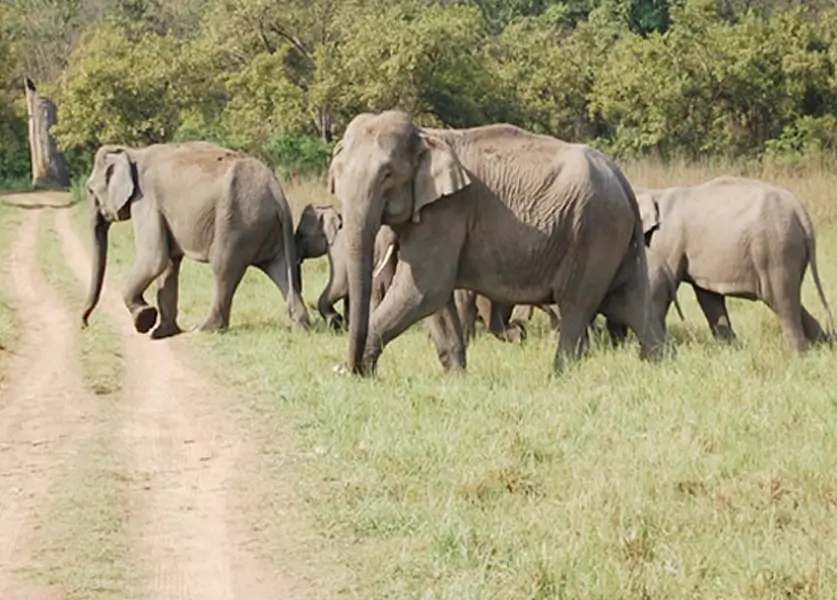
Nestled in the Himalayan foothills, this sanctuary provides elephants with a serene environment. Visitors can view these gentle giants in their natural habitat by strolling through beautiful forests and meadows. Here you can see elephants strolling in the sanctuary.
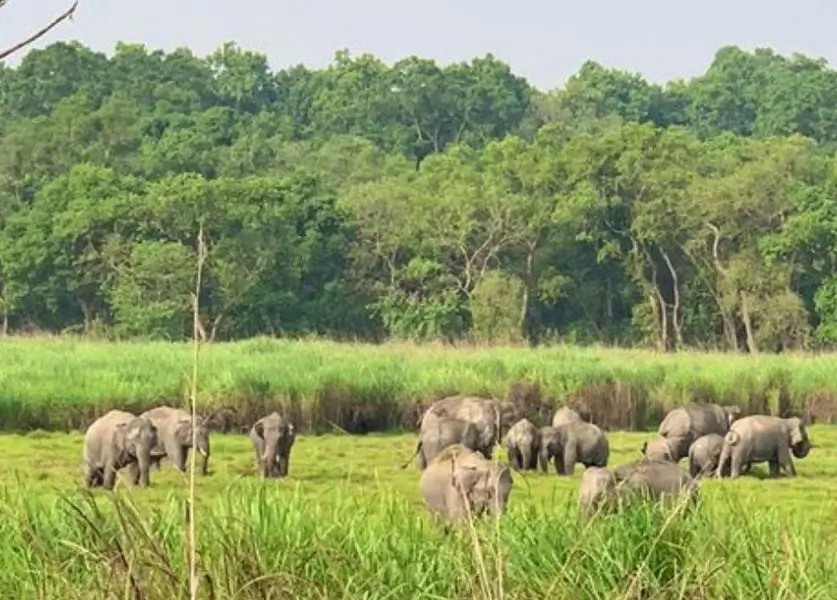
This reserve is well-known for its diverse wildlife, which includes tigers and rhinos, but it also has a large elephant population. Visitors can join guided safaris to see elephants in the wild or interact with them at designated feeding areas. This is the best reserve to interact with elephants.
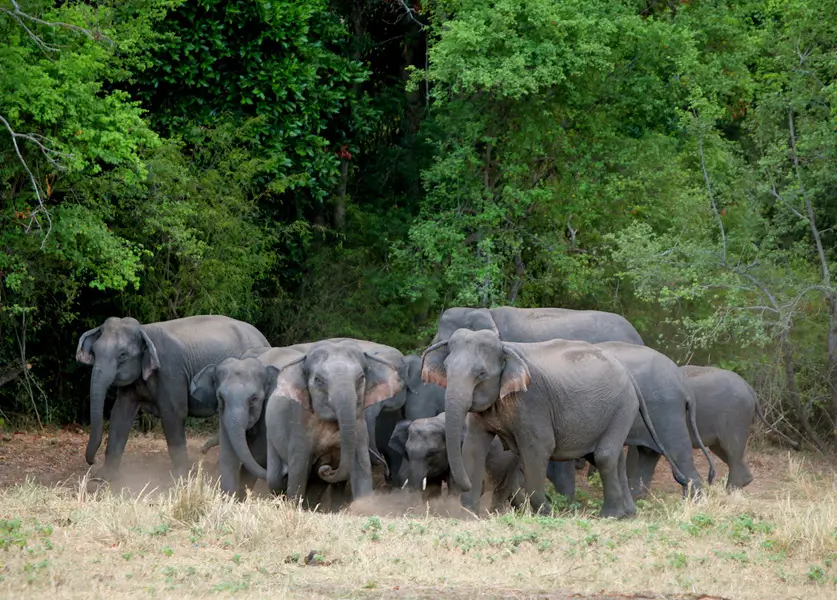
Located in the Shivalik Hills, this reserve provides breathtaking vistas and the opportunity to see elephants in their natural habitat. Leopards, bears and deer are among the numerous animals that inhabit the area. Must visit for animal lovers.
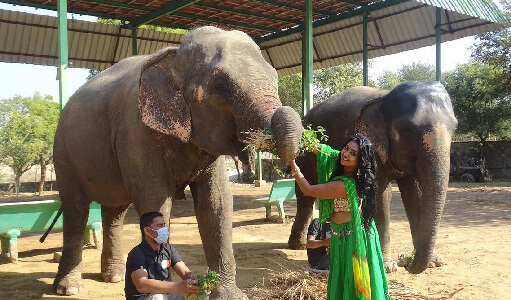
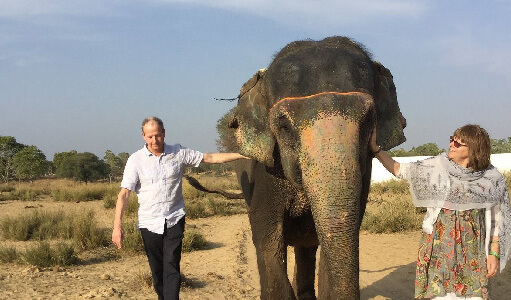
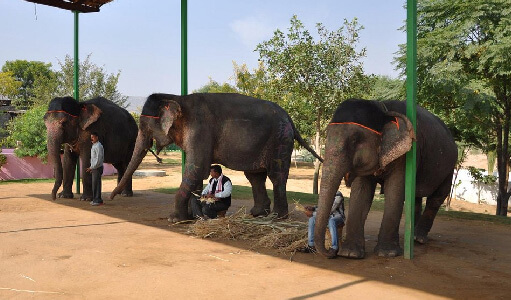
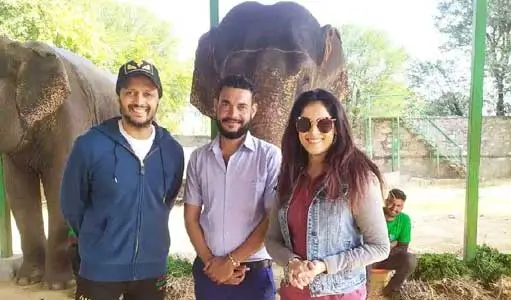
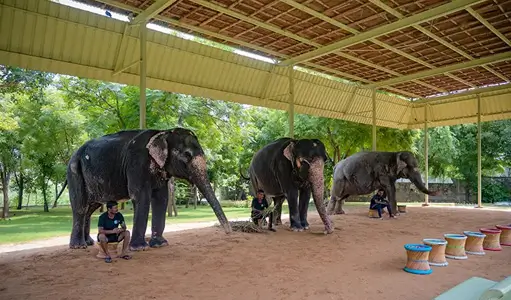
Elefantastic, an elephant sanctuary in Jaipur, Rajasthan, stands out for its commitment to ethical elephant care. Elefantastic is a sanctuary where elephants can live in their natural surroundings, free of exploitation and violence. The sanctuary's ideology is based on the notion that elephants deserve to live with dignity and respect. If you are an elephant lover, this is your destination to interact with elephants and create a bond.
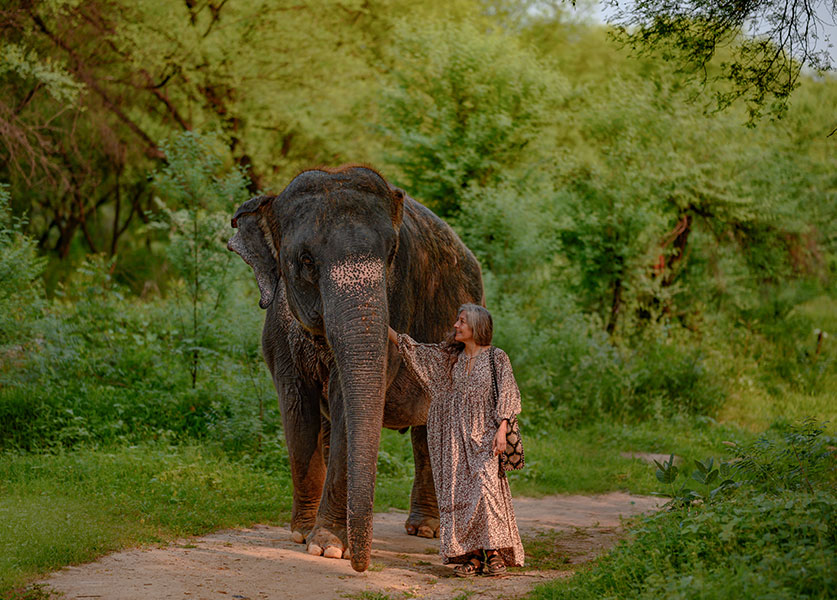
Elefantastic is dedicated to promoting ethical tourism. The sanctuary guarantees that all encounters with the elephants prioritize their well-being. There is no forced or cruel training, and the elephants are free to explore and exhibit their natural nature. By visiting Elefantastic, you support a sanctuary that maintains the greatest standards of ethical elephant care.
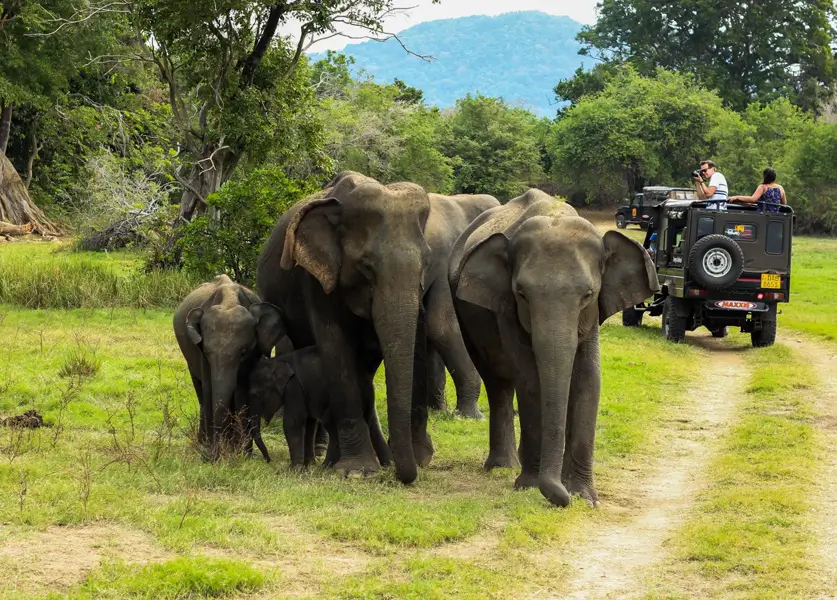
Elephants, tigers, and leopards are among the animals that live in this world-renowned national park. Visitors may stroll through the park's lush forests, sight elephants from watchtowers, and even enjoy boat trips on Periyar Lake to see these beautiful beasts.
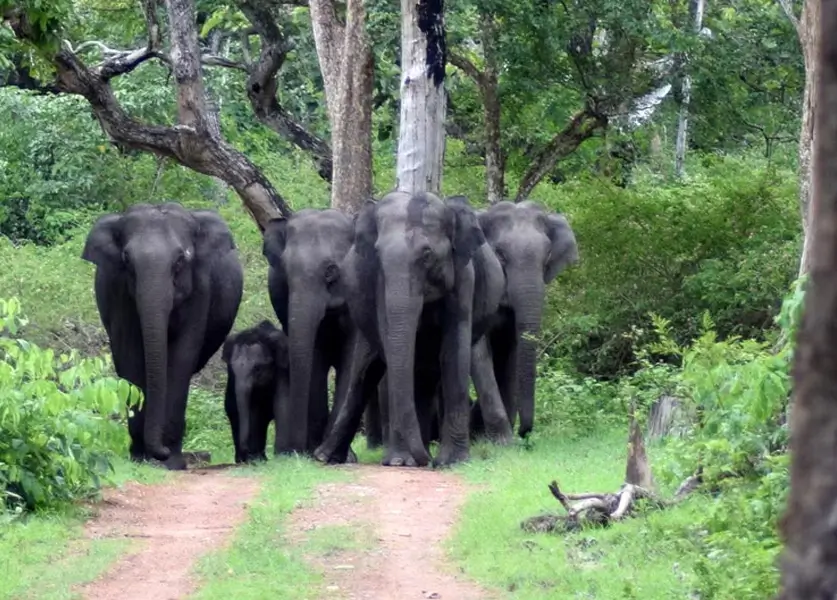
Bandipur National Park, another famous wildlife site, is well-known for its lush forests and diverse species. Visitors can explore the park via vehicle safari or elephant ride, where they can see elephants in their natural habitat.
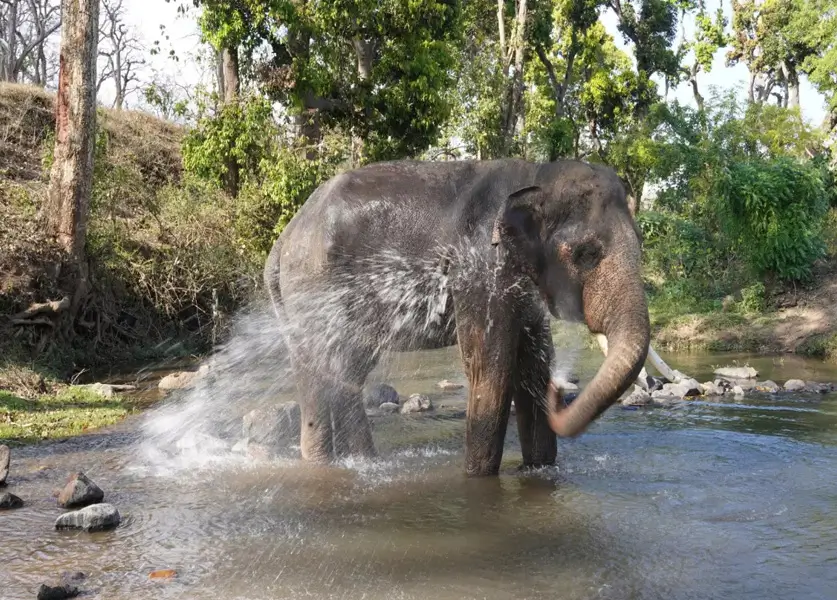
This camp allows guests to engage with elephants while learning about their behavior and care. Visitors can feed, wash and ride elephants. These activities will help you to know more about elephants and make bonds with them.
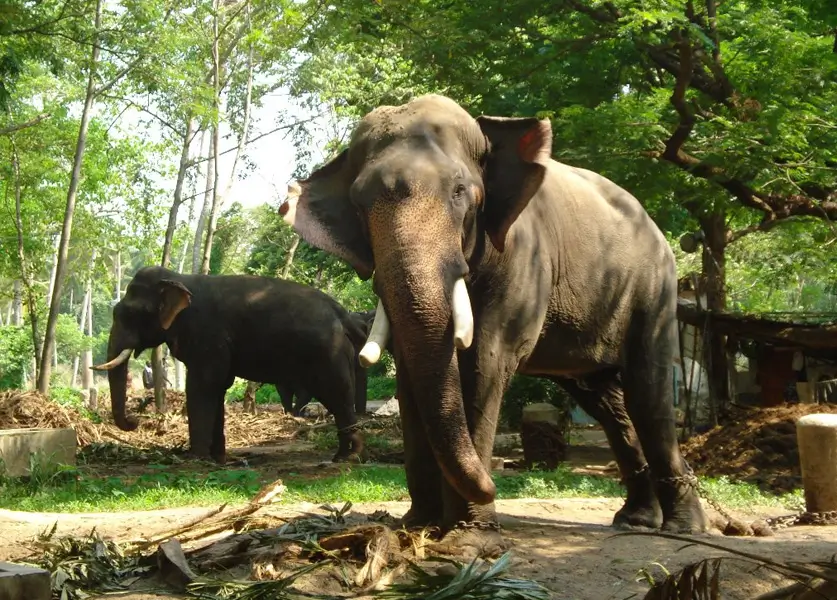
This sanctuary is home to a big herd of temple elephants that participate in religious rites and processions. Visitors can see these elephants in their daily lives and learn about their cultural significance.
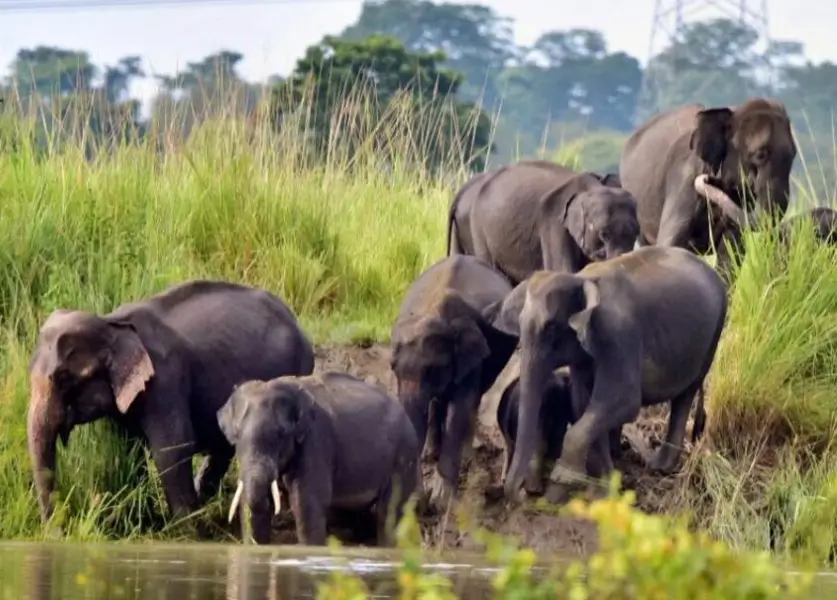
This reserve is located in the northeastern state of Arunachal Pradesh and is famous for its rich wildlife, which includes elephants, tigers, and leopards. Visitors can hike through the reserve's deep woodlands in search of wild elephants, or they can participate in elephant safaris.
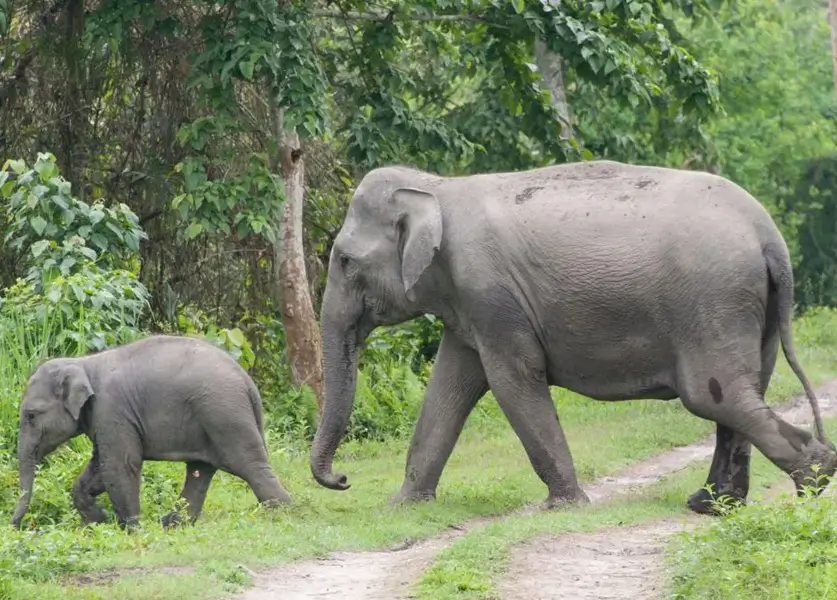
This reserve, located in the state of Assam, is home to a large elephant population. Visitors can enjoy boat excursions on the Brahmaputra River to see elephants in their natural habitat, or they can hike through the reserve to get up close and personal with these magnificent beasts.
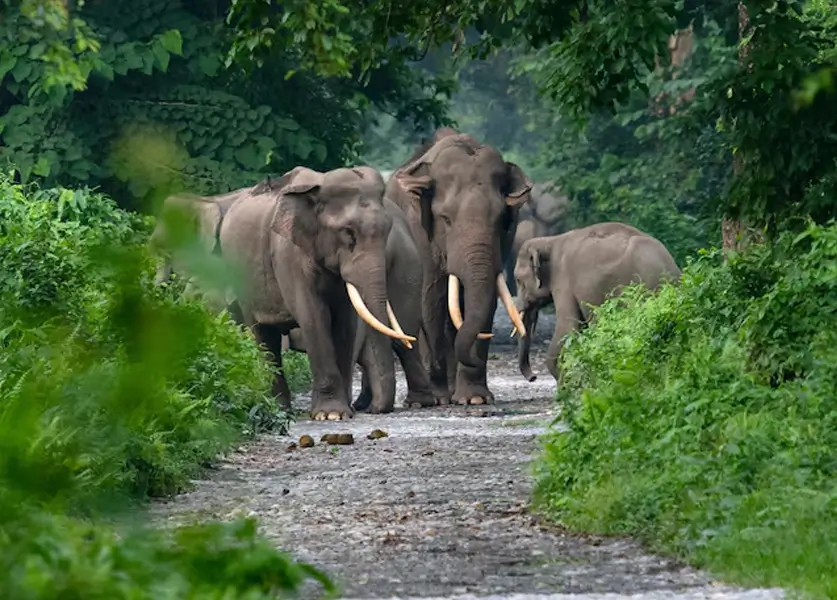
This national park is well-known for its tiger population, but visitors can also see elephants. Visitors may explore the park and interact with these gorgeous creatures by taking jeep safaris or riding elephants.
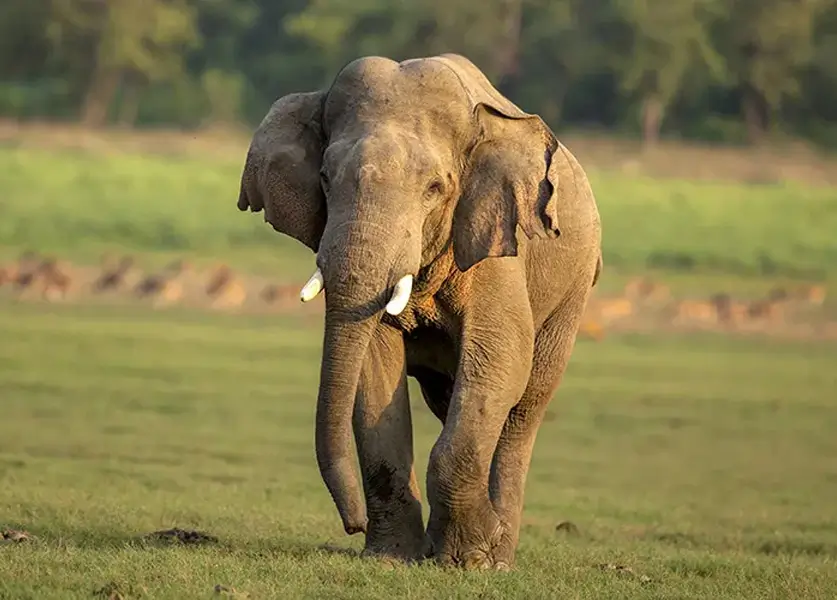
This reserve is another popular site for wildlife aficionados, with a diverse range of species, including elephants. Visitors can embark on car safaris or treks to see elephants in the wild, or they can visit the Tadoba Andhari Tiger Rescue Center to learn about elephant conservation.
With so many sanctuaries and reserves listed above, it helps to have a short checklist before booking. Look for:
Using this checklist alongside the destinations above makes it easier to separate genuinely ethical elephant sanctuaries in India from venues that only market themselves as such.
With more sanctuaries advertising themselves as "ethical" or "responsible," it has become important for travelers to know what to actually look for. A genuinely ethical elephant sanctuary in India will:
Travelers researching an ethical elephant sanctuary in Rajasthan or elsewhere in India should treat vague marketing language ("eco-friendly," "natural," "loving care") with some caution and instead look for specific, verifiable details about how each elephant is treated day to day.
By selecting a reputable elephant sanctuary in India and adhering to ethical norms, you can have a gratifying and wonderful experience while also helping to conserve these amazing creatures.
Looking for a responsible elephant experience in India? Visit Elefantastic in Jaipur, where rescued elephants are cared for with compassion and respect. Walk beside them, feed them, learn about their lives, and support ethical wildlife tourism that puts elephant welfare first.
Look for a clear no-ride and no-performance policy, visible veterinary care, transparent staff who share each elephant's background, and interactions elephants can choose to avoid.
ome sanctuaries, including facilities in Rajasthan, offer short-term educational visits or extended-stay programs for travelers who want deeper involvement in elephant care and conservation.