Delhi Jaipur Agra Tour – A Complete Golden Triangle Experience
Ask any seasoned traveler where to start in India and you’ll hear the same answer: the Delhi Jaipur Agra tour, famously called the Golden Triangle India tour. This compact route strings together the capital’s layered history, Agra’s Mughal grandeur, and Jaipur’s royal Rajasthan charm. In less than a week, you’ll touch world wonders, UNESCO sites, heritage markets, colorful neighborhoods, and a cuisine trail that spans kebabs to thalis. The triangle is efficient, photogenic, and endlessly customizable—ideal for couples, families, solo travelers, and small groups alike.
Who This Route Suits Best
If it’s your first trip to India, this itinerary removes guesswork. Distances are manageable; highways are solid; major sights are clustered; services—from hotels to guides—are abundant. Repeat visitors also love the route because it’s easy to add Ranthambore, Pushkar, Bharatpur, or even Udaipur as a fourth point, morphing the classic triangle into a richer polygon without logistical pain.
Ideal Trip Length & Season
- Trip length: The sweet spot is 5–7 days. Four days is possible with tight timing; eight days allows a calmer pace plus an extension.
- Best season: October–March brings clear skies and comfortable days. April–June is hot—front-load sightseeing in early morning and late afternoon. July–September means monsoon greens, fewer crowds, and moody skies that look dramatic in photos.
Transport: Why a Private Driver Often Wins
The triangle works with trains, flights, or buses, but many travelers prefer a private car with driver. Here’s why the Delhi Agra Jaipur trip with driver is so popular:
- Efficiency & flexibility: Leave when you want, stop where you like, pivot plans mid-day.
- Door-to-door comfort: Luggage stays in the trunk; no station sprints.
- Add-on stops: Fatehpur Sikri, Abhaneri Stepwell, Chand Baori, Keoladeo–Bharatpur, or local craft hubs are smooth detours by road.
- Safety & predictability: A vetted driver, sanitized car, and known routes ease first-time nerves.
Alternatives work fine too:
- Trains: Gatimaan Express (Delhi–Agra) is fast; Shatabdi and Vande Bharat options connect major cities.
- Flights: Useful if you extend to Udaipur, Varanasi, or Mumbai.
- Intercity cabs: Viable for one-way hops if you don’t want a full-time vehicle.
Delhi: Two Cities in One
Old Delhi packs spice-scented lanes, heritage havelis, and grand Mughal silhouettes; New Delhi spreads graceful boulevards, gardens, and Indo-Saracenic landmarks. Plan your day around geography to save time.
- Red Fort walls and Jama Masjid courtyards frame the Old City’s timeline.
- Chandni Chowk tuk-tuk circuit: snack windows (chaat, jalebi, kebabs), street silver, bridal textiles, attar shops.
- Humayun’s Tomb and Qutub Minar anchor UNESCO grandeur.
- India Gate, Rashtrapati Bhavan, and Rajpath (Kartavya Path) showcase imperial symmetry.
- Lotus Temple and Akshardham bring contemporary spirituality and carving finesse.
Pro tips
- Start Old Delhi early (cooler, less traffic).
- Pre-book a guided food walk; hygiene plus storytelling matters.
- Keep shoulders/knees covered for mosques/temples; carry a light scarf.
Agra: More Than a Sunrise at the Taj
Agra’s reputation rests on a single monument, but the city rewards an unhurried eye.
Must-dos
- Taj Mahal: Sunrise paints the marble strawberry and pearl; sunset from Mehtab Bagh frames river-calm reflections.
- Agra Fort: Pavilions, jali screens, and red sandstone bastions narrate emperors’ lives.
- Itmad-ud-Daulah (Baby Taj): Inlay work like a jewel box; quieter than the Taj, ideal for detail shots.
- Mehtab Bagh: Golden hour picnic vibes with postcard views.
- Handicrafts: Marble inlay, zardozi, leather. Ask your driver/guide for authentic workshops to avoid tourist traps.
Pro tips
- Taj Mahal is closed on Fridays.
- Keep a copy of your passport and tickets handy for quick entry.
- If crowds bother you, visit Taj at opening and return to Mehtab Bagh at dusk.
Jaipur: Royal Pink, Living Craft
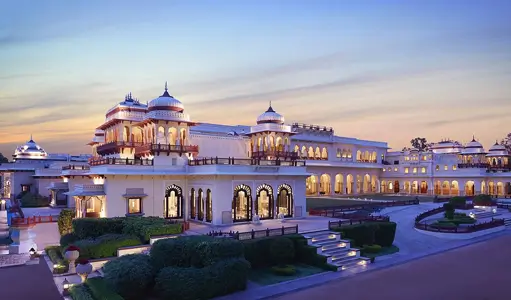
Jaipur sets the Rajasthan tone—amber-hued hills, frescoed havelis, and markets that still buzz with artisans.
Headline sights
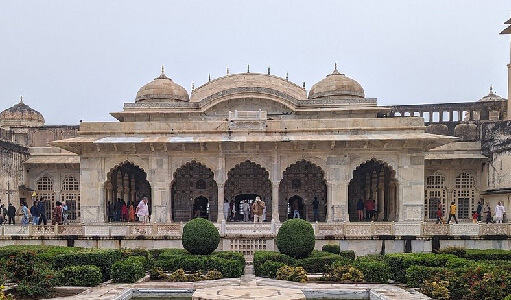
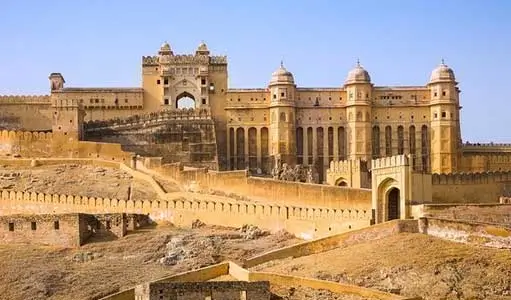
- Amber Fort: Mirror Palace (Sheesh Mahal), fresco arches, and hilltop ramparts. Reach early for soft light.
- City Palace & Jantar Mantar: Royal apartments and a precision observatory that still stuns.
- Hawa Mahal: Lace-like façade best from across the street cafés’ rooftops.
- Albert Hall Museum: Indo-Saracenic showpiece with sculpture, arms, and textiles.
Markets & crafts
- Johari Bazaar for gemstones; Bapu Bazaar for textiles and mojari; Tripolia for lac bangles; MI Road for blue pottery and block-printed cotton.
- Ask for demonstrations—carvers, printers, potters often open their ateliers to visitors.
Food trail
- Kachori, lassi, ghevar, Rajasthani dal-baati-churma, laal maas for spice lovers, and thalis for variety.
Day-by-Day Itinerary Options
4 Days (Fast-Track)
- Day 1 – Delhi: Old Delhi lanes, Jama Masjid, Red Fort exteriors, Humayun’s Tomb, India Gate drive.
- Day 2 – Agra: Drive/train to Agra, Taj Mahal, Agra Fort, Baby Taj or Mehtab Bagh.
- Day 3 – Jaipur: Fatehpur Sikri detour, arrive Jaipur, evening bazaar stroll.
- Day 4 – Jaipur: Amber Fort, City Palace, Jantar Mantar, Hawa Mahal photo stop; late drive/fly out.
6 Days (Balanced)
- Day 1–2 – Delhi: Split Old/New Delhi across two days, include Qutub Minar and Lotus Temple.
- Day 3 – Agra: Taj sunrise, Agra Fort; craft studio visit.
- Day 4 – Jaipur: Abhaneri Stepwell stop; evening aarti or folk show.
- Day 5 – Jaipur: Amber at opening, City Palace suites, bazaar shopping, rooftop dinner.
- Day 6 – Departure: Free morning for a craft workshop or café crawl.
7–8 Days (With a Wild Card)
- Ranthambore (2 game drives; best Nov–Apr), or
- Pushkar (ghats, temple walks, cafés), or
- Udaipur (lakeside romance; fly or drive via Kumbhalgarh).
Costs & What Drives the Budget
- Car with driver: class of vehicle, daily kilometers, tolls/parking.
- Hotels: seasonal pricing; heritage havelis in peak winter cost more.
- Guides & entries: UNESCO sites have higher foreigner tariffs; private guiding improves pacing and context.
- Meals & experiences: rooftop dinners, cooking classes, craft workshops, folk shows.
Travelers often find the Golden Triangle India tour with private driver great value: time saved, stress reduced, and experiences expanded—especially when splitting costs among two or more people.
Smart Timing & Crowd Strategy
- Start early at Amber and the Taj—golden light, cooler temps, thinner crowds.
- Block heavy traffic windows in Delhi: plan cross-city transfers mid-day.
- Pre-book tickets for popular monuments when possible; keep digital and printed copies.
- Build buffer time between city transfers and key visits to absorb delays.
Safety, Etiquette, and Comfort
- Dress modestly for religious sites; carry a light scarf.
- Hydration: sealed bottled water; avoid ice unless you trust the source.
- Payments: cards work in hotels/restaurants; bazaars prefer cash (carry small notes).
- Tuk-tuks & taxis: negotiate before boarding or use app cabs for transparent pricing.
- Scams: your driver/guide can steer you toward genuine craft collectives and away from commission-heavy tourist traps.
Photography & Storytelling
- Taj: symmetry lines, doorways, and reflection shots; morning mist can add atmosphere.
- Amber: patterned windows and mirror mosaics; wide angles in courtyards.
- Jaipur streets: pastel walls, saree drapes, spice piles—ask before photographing people.
- Night frames: India Gate and Hawa Mahal glow beautifully after dusk.
Food You Shouldn’t Miss
- Delhi: kebabs at legacy eateries, chole bhature breakfasts, paratha lanes in Chandni Chowk, trendy cafés in Khan Market.
- Agra: Mughlai gravies, bedai-jalebi mornings, and the city’s famous petha.
- Jaipur: Rajasthani thali, kachori with chutneys, lassi served in kulhads.
Ask for clean, high-turnover places; your driver/guide will know the safe, flavorful picks.
Shopping Without Regrets
- Learn the basics: hand-block vs machine print, semi-precious vs glass stones, leather grades, marble inlay quality.
- Request fixed-price craft cooperatives or government emporiums if haggling isn’t your style.
- Ship larger items professionally; insure valuable pieces. Keep receipts for customs clarity.
Popular Variations You Can Add
- Golden Triangle with Ranthambore: Taj at sunrise, tigers by afternoon—wildlife and world heritage blend.
- Golden Triangle with Udaipur: Palaces on lakes elevate the route into a royal arc.
- Golden Triangle from Mumbai: Fly Mumbai→Delhi, complete triangle by road, then fly Jaipur/Agra→Mumbai.
- Golden Triangle with Bharatpur: Birders love the winter migrations at Keoladeo.
- Golden Triangle with Mathura–Vrindavan: Temple towns and festival color (Holi season is electric).
Booking Checklist
- Visas & IDs ready, with digital and printed copies.
- Hotel confirmations aligned with your city sequencing.
- Driver details (name, phone, car model/plate) before arrival.
- Entry tickets where possible; otherwise carry cash/cards for ticket windows.
- Local SIM on arrival for easy coordination.