When people imagine Jaipur, they think of palaces, forts, and markets painted in shades of pink. Yet, what truly connects travelers to the pulse of the city is not only its monuments but also the way they move around. For first-time visitors and returning travelers alike, Tuk Tuk tours in Jaipur offer a window into everyday life.
Tuk tuks, also known as auto-rickshaws, are more than just transport—they’re part of Jaipur’s cultural rhythm. Their small size makes them perfect for weaving through narrow lanes, stopping at bazaars, and chatting with locals. They’re eco-friendly compared to larger vehicles, budget-friendly for all types of travelers, and provide a chance to experience Jaipur like residents do.
This guide takes you through every detail: why to choose a Tuk Tuk tour, what to see, how to book, and what experiences to combine with it. By the end, you’ll see why exploring the Pink City by Tuk Tuk is not just convenient but also unforgettable.
Riding in a Tuk Tuk is an adventure in itself. As soon as you sit down, you’re greeted by the buzzing sound of the engine, the lively conversations on the street, and the constant kaleidoscope of colors flashing past. Unlike air-conditioned cars, Tuk Tuks are open, allowing you to soak in Jaipur’s sounds, smells, and energy.
For tourists, this mode of travel is both practical and cultural:
While private car tours are comfortable, they often miss the essence of Jaipur’s local charm. In contrast, a Jaipur Tuk Tuk tour immerses you in the city. Here’s why travelers prefer them:
Old City Circuit – Markets and Monuments
A Tuk Tuk ride through the old city gives travelers access to Hawa Mahal, City Palace, Jantar Mantar, and Jaipur’s lively bazaars. The narrow roads around Johari Bazaar and Bapu Bazaar are best explored on three wheels, where cars can barely pass.
Forts and Palaces Tour
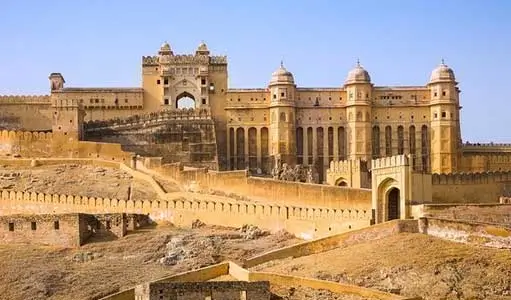
Some Tuk Tuk drivers offer extended rides to Amber Fort, Nahargarh Fort, and Jaigarh Fort. Though it’s a longer journey, travelers love the chance to enjoy city and countryside views from the open ride.
Food and Culture Ride
Many Tuk Tuk tours now include food stops: street-side kachoris, lassi served in clay cups, or evening chai. Some drivers even organize workshops like block printing or visits to artisan homes.
Hawa Mahal (Palace of Winds)
The façade of 953 windows looks magical when approached in a Tuk Tuk, with the buzz of markets all around. A quick stop for photos is a must.
City Palace
Located at the heart of Jaipur, the City Palace is easily accessible by Tuk Tuk. Drivers often drop travelers at the entrance and wait outside.
Jantar Mantar
This UNESCO observatory lies next to the City Palace, and its central location makes it a regular stop during Tuk Tuk tours in Jaipur.
Jaipur Bazaars
From Johari Bazaar for gemstones to Bapu Bazaar for fabrics and Tripolia Bazaar for bangles, every market feels more exciting when you hop from one to another in a Tuk Tuk.
Albert Hall Museum
On the way to or from the old city, Albert Hall Museum in Ram Niwas Garden is an easy add-on stop. Its Indo-Saracenic design looks even more grand when you approach it through the lively streets.
Jal Mahal (Water Palace)
On a Tuk Tuk ride toward Amber Fort, you can stop by Jal Mahal, floating in the middle of a lake, perfect for sunset photography.
What makes Tuk Tuk tours special are the places you might not find in guidebooks:
Drivers often have personal connections in these areas, offering tourists authentic glimpses of Jaipur.
Many Tuk Tuk drivers in Jaipur take pride in being informal ambassadors of their city. They share stories of history, give cultural insights, and sometimes even teach a few Hindi phrases. For solo travelers, this human connection can be one of the most rewarding aspects of the trip.
Travelers can book Tuk Tuk tours in several ways:
Tip: Always confirm the fare before starting. Half-day and full-day packages are more economical than paying per ride.
Compared to car rentals, Tuk Tuk tours are budget-friendly and add a touch of adventure to the day.
From wedding processions crossing the streets to spice sellers balancing baskets on their heads, the Tuk Tuk tour in Jaipur shows you slices of life you’d miss in a car. Drivers often explain customs, festivals, or street food traditions as you pass them, giving context to the chaos.
With sustainable travel on the rise, electric Tuk Tuks are slowly entering Jaipur’s streets. These eco-friendly alternatives keep the authentic feel while reducing pollution. For conscious travelers, this adds another layer of appeal to choosing Tuk Tuk tours.
Yes, they are generally safe. Choose licensed drivers and confirm prices before the ride.
Around ₹800–1200 (€10–15), depending on distance and stops.
Many share local knowledge and stories, though for in-depth history you may still want a certified guide.
Morning and evening are cooler and less crowded.
Yes, many drivers take travelers to Amber Fort, often stopping at Jal Mahal en route.
Yes, bargaining is common. Agree on a price before starting.
Yes, Tuk Tuks are safe and fun for kids, though always keep them seated.
Absolutely. They’re ideal for hopping between Jaipur bazaars like Johari and Bapu.
Yes, but for safety, it’s best to use them during the day or early evening.
Yes, eco-friendly options are slowly becoming available in parts of the city.
Yes, several travel platforms and local operators offer pre-booked Tuk Tuk tours.
Because they allow closer cultural interaction, easy access to narrow lanes, and authentic local experiences.