India isn't just famous for its magnificent forts, colorful festivals, and diverse landscapes - it's also one of the world's greatest culinary destinations. Every region has its own unique flavors, traditional recipes, and cooking techniques that have been perfected over centuries. From rich North Indian curries and freshly baked breads to light South Indian breakfasts and aromatic coastal seafood, Indian cuisine offers something for every traveler.
For many foreign visitors, however, trying Indian food can feel both exciting and intimidating. Questions like "Is Indian food too spicy?", "Is it safe to eat?", or "What should I order first?" are incredibly common, especially for first-time travelers.
The good news is that Indian cuisine is far more diverse than many people imagine. Not every dish is spicy, and many popular meals are mild, nutritious, and easy to digest. By choosing freshly prepared food from reputable restaurants and following a few simple food safety practices, you can enjoy authentic Indian flavors with confidence.
Whether you're exploring the bustling streets of Delhi, staying in a royal palace in Rajasthan, relaxing in Kerala, or traveling through the Golden Triangle, this guide will help you discover the best Indian dishes to try while staying comfortable and healthy throughout your journey.
Yes - Indian food is generally safe for foreign tourists when you eat at clean, reputable restaurants, hotels, and recommended local eateries.
Most stomach problems experienced by travelers are not caused by Indian spices but by contaminated water, poor hygiene, or food that has been sitting out for too long. Choosing freshly cooked meals served hot is one of the easiest ways to reduce any risk.
Many restaurants in India regularly welcome international visitors and can prepare dishes with mild spice levels if requested. Luxury hotels, family restaurants, and reputable local establishments maintain high hygiene standards and are excellent places to experience authentic Indian cuisine.
Following a few simple precautions will help you enjoy India's incredible food culture without unnecessary worries.
Choose Freshly Cooked Food
Select dishes that are cooked to order and served piping hot. High cooking temperatures reduce the risk of foodborne bacteria.
Drink Safe Water
Always drink sealed bottled water or properly filtered drinking water. Avoid tap water and ice unless you're certain it has been made using purified water.
Start with Mild Dishes
If you're new to Indian cuisine, begin with creamy curries, grilled dishes, lentils, or rice-based meals before trying spicier regional specialties.
Eat at Reputable Restaurants
Busy restaurants with positive reviews usually maintain better hygiene because food is prepared and served continuously.
Wash Your Hands
Carry hand sanitizer or wash your hands before every meal, especially when trying local snacks or street food.
If this is your first visit to India, start with dishes that are mild, freshly cooked, and widely loved by international travelers.
Some excellent beginner-friendly choices include:
These dishes are flavorful without being overwhelmingly spicy and are available in restaurants throughout India.
The best Indian food isn't just found in restaurants - it's discovered in bustling markets, family-run eateries and hidden local gems. Join our guided food and cultural experiences in Jaipur for an unforgettable culinary journey.
Best For: First-Time Visitors & Mild Indian Curries
Butter Chicken is one of India's most famous dishes and is often the first recommendation for travelers trying Indian cuisine. Originating in Delhi, this rich and creamy curry combines marinated chicken with a smooth tomato-based gravy enriched with butter, cream, and aromatic spices.
Unlike many people expect, Butter Chicken is usually mild rather than spicy, making it an excellent introduction to North Indian cuisine.
Why Foreign Travelers Love It
Best Served With
Best For: Vegetarian Travelers
Paneer Butter Masala is one of India's most popular vegetarian dishes. Soft cubes of fresh Indian cottage cheese are cooked in a creamy tomato and butter gravy that offers rich flavors without excessive heat.
Even travelers who don't usually eat vegetarian meals often rank this among their favorite Indian dishes.
Why You'll Enjoy It
Serve it with naan, roti, or steamed rice for a satisfying meal.
Best For: Healthy & Comfort Food
Dal Tadka is a staple in Indian households and one of the safest dishes for travelers with sensitive stomachs. Made from yellow lentils and lightly tempered with cumin, garlic, turmeric, and herbs, it's nutritious, filling, and easy to digest.
It's also an excellent source of plant-based protein.
Why It's Recommended
Pair it with steamed rice or whole wheat roti for a balanced meal.
Best For: Light Lunch or Dinner
Vegetable Pulao is a fragrant rice dish prepared with basmati rice, seasonal vegetables, and gentle spices. Unlike biryani, which is richer and more heavily spiced, pulao is lighter and ideal for travelers still adapting to Indian cuisine.
Highlights
Many restaurants serve Vegetable Pulao with yogurt or dal, creating a wholesome and satisfying meal.
Best For: South Indian Breakfast
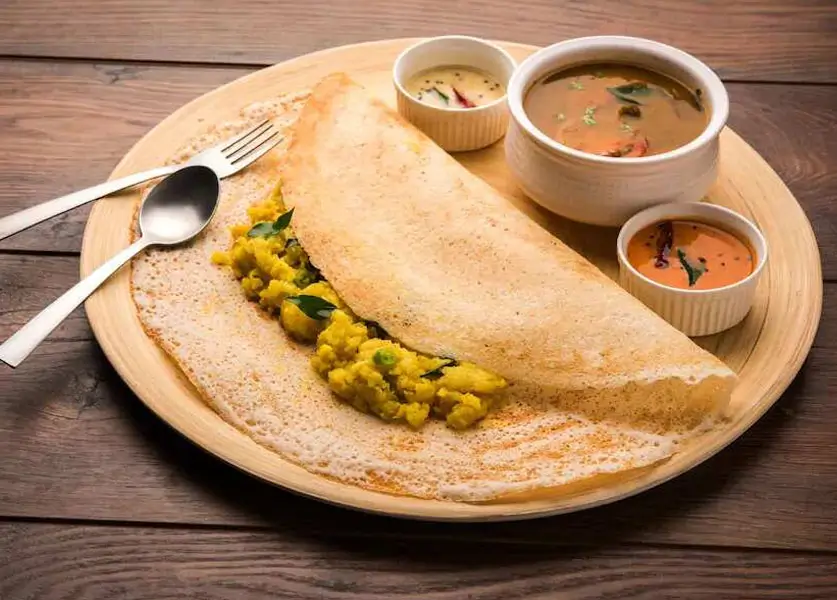
Masala Dosa is one of South India's most iconic dishes. This crispy fermented rice-and-lentil crepe is filled with a lightly spiced potato mixture and served with coconut chutney and sambar.
Because it's freshly prepared on a hot griddle, it's generally considered a safe and hygienic option when ordered from reputable restaurants.
Why Travelers Love Masala Dosa
It's an ideal choice for anyone looking for a healthy, flavorful start to the day.
Best For: Sensitive Stomachs & Healthy Eating
Idli consists of soft, steamed rice cakes made from fermented rice and lentil batter. Because they are steamed rather than fried, idlis are light, nutritious, and incredibly easy to digest.
They're commonly served with coconut chutney and mild sambar, making them one of the healthiest meals you can enjoy while traveling in India.
For travelers adjusting to Indian cuisine or recovering from a long travel day, idli is often one of the safest and most comforting meal choices available.
Best For: A Hearty North Indian Breakfast or Lunch
Chole Bhature is one of North India's most iconic comfort foods. The dish features fluffy deep-fried bread (bhature) served with a flavorful chickpea curry (chole), accompanied by pickles, onions, and yogurt.
Although it is a rich meal, it is perfectly safe to enjoy when prepared fresh at a clean and reputable restaurant. Many foreign travelers love Chole Bhature because it delivers authentic North Indian flavors in every bite.
Why You'll Love It
Where to Try
Choose well-known restaurants or popular local eateries with good hygiene standards rather than roadside stalls.
Best For: Home-Style Indian Comfort Food
Rajma Chawal (kidney beans with steamed rice) is a favorite meal in many Indian households. Slow-cooked kidney beans are simmered in a mildly spiced tomato-onion gravy and served with fragrant basmati rice.
Its comforting flavors, balanced nutrition, and moderate spice level make it an excellent choice for travelers seeking a wholesome vegetarian meal.
Why Foreign Travelers Enjoy It
It is especially satisfying after a long day of sightseeing.
Best For: Trying Multiple Indian Dishes at Once
If you're unsure what to order, an Indian Thali is one of the best introductions to Indian cuisine.
A traditional thali includes several small portions of different dishes served on one platter, allowing you to sample a variety of flavors without ordering multiple meals.
A typical thali may include:
Why It's Perfect for First-Time Visitors
Many travelers consider the Indian Thali one of the most memorable dining experiences during their visit.
Best For: Healthy High-Protein Meals
Tandoori Chicken is one of India's healthiest and most popular grilled dishes. Chicken is marinated in yogurt and aromatic spices before being cooked inside a traditional clay oven known as a tandoor.
The extremely high cooking temperature ensures the chicken is thoroughly cooked while remaining juicy and flavorful.
Why It's Safe
Serve it with mint chutney, fresh naan, or salad for a complete meal.
From buttery curries and royal Rajasthani thalis to crispy street snacks and traditional sweets, we'll help you experience India's most authentic cuisine while exploring its rich culture, heritage and local traditions.
Best For: Mild Grilled Indian Food
Chicken Tikka consists of boneless chicken pieces marinated in yogurt, herbs, and spices before being grilled in a tandoor.
Unlike curry dishes, Chicken Tikka contains no heavy gravy, making it lighter and easier to digest.
Highlights
Many visitors enjoy Chicken Tikka before trying richer Indian curries.
Best For: Grilled Snacks & Evening Meals
India's tandoor cooking tradition also produces delicious kebabs that are both flavorful and safe when prepared in reputable restaurants.
Popular options include:
Seekh Kebab
Minced meat blended with herbs and spices before being grilled over high heat.
Paneer Tikka
Fresh paneer cubes marinated in yogurt and spices, grilled with colorful vegetables.
Why They're Recommended
These dishes pair perfectly with mint chutney and Indian breads.
Best For: Pairing with Curries
Indian breads are an essential part of every meal. Cooked fresh in a tandoor or on a hot griddle, they are both delicious and safe to eat.
Popular varieties include:
Because they're served fresh and hot, they are generally a safe accompaniment to curries and grilled dishes.
Best For: Traditional Indian Breakfast
Parathas are soft flatbreads stuffed with ingredients such as potatoes, cauliflower, paneer, or mixed vegetables before being cooked with a small amount of butter or ghee.
Served with yogurt and pickle, they're one of India's most beloved breakfast dishes.
Popular Varieties
Ask for mild seasoning if you prefer less spice.
Best For: Cooling Down After a Meal
Mango Lassi is a refreshing yogurt-based drink blended with ripe mangoes. It's creamy, naturally sweet, and helps cool the palate after enjoying Indian spices.
Yogurt also contains beneficial probiotics that support digestion.
Why Travelers Love It
Choose restaurants that prepare lassi fresh using pasteurized dairy products.
Best For: Travelers Ready for Rich Indian Flavors
Biryani is one of India's most celebrated rice dishes, cooked with fragrant basmati rice, aromatic spices, herbs, and your choice of vegetables, chicken, or lamb.
Although richer than Vegetable Pulao, many restaurants can prepare biryani with a mild spice level on request.
Popular Types
Pair it with cooling yogurt (raita) for the best experience.
Best For: Healthy South Indian Meals
Uttapam is often described as India's savory pancake. Made from fermented rice and lentil batter, it's topped with onions, tomatoes, green chilies, and herbs before being cooked on a hot griddle.
Compared with heavier fried foods, Uttapam is light, nutritious, and easy to digest.
Why You'll Enjoy It
Served with coconut chutney and sambar, Uttapam is another excellent introduction to South Indian cuisine.
Indian street food is famous around the world for its incredible flavors, but many first-time visitors worry about hygiene. The truth is that you can safely enjoy street food by choosing busy vendors, eating freshly cooked items, and avoiding food that has been sitting out for long periods.
The safest approach is to visit well-known food markets or popular local shops recommended by your guide, hotel, or private driver.
Safe Street Foods to Try
Samosa
A crispy pastry filled with spiced potatoes and peas, deep-fried until golden brown. Since it's served piping hot, samosas are generally one of the safest Indian street snacks.
Kachori
Popular in Rajasthan and Uttar Pradesh, kachori is a flaky pastry stuffed with lentils, onions, or spices. Freshly fried kachoris are delicious and satisfying.
Kathi Roll
Originating in Kolkata, Kathi Rolls are freshly prepared wraps filled with grilled chicken, paneer, or vegetables. They make an excellent quick lunch for travelers.
Fresh Dosa
Many South Indian food stalls prepare dosas right in front of customers on extremely hot griddles, making them one of the safest street foods available.
Jalebi
This famous Indian sweet is deep-fried and soaked in sugar syrup before being served warm. Fresh jalebis are enjoyed across India, especially during festivals.
Street Food Safety Tips
Following these simple precautions allows you to enjoy India's vibrant street food culture with confidence.
No culinary journey through India is complete without sampling its traditional desserts. Indian sweets vary from region to region, offering everything from milk-based delicacies to syrup-soaked treats and dry fruit confections.
Rasgulla
Originating in eastern India, Rasgulla consists of soft cottage cheese balls soaked in light sugar syrup. They're refreshing, light, and one of the country's most loved desserts.
Gulab Jamun
Perhaps India's most famous sweet, Gulab Jamun features fried milk dumplings served warm in fragrant sugar syrup flavored with cardamom and rose water.
Kaju Katli
Made from premium cashew nuts and sugar, Kaju Katli is rich, smooth, and one of the safest sweets to purchase from reputable sweet shops.
Payasam
Popular in South India, Payasam is a creamy rice pudding cooked with milk, nuts, raisins, and cardamom. It's commonly served during festivals and special occasions.
Kulfi
Often called India's traditional ice cream, Kulfi is denser and creamier than regular ice cream and comes in flavors such as mango, pistachio, saffron, and cardamom.
India offers several refreshing beverages that complement its flavorful cuisine.
Masala Chai
Prepared with black tea, milk, ginger, cardamom, cinnamon, and cloves, Masala Chai is an essential Indian experience and is enjoyed throughout the day.
Sweet or Salted Lassi
Lassi is a yogurt-based drink that helps cool the body and supports digestion after spicy meals.
Fresh Coconut Water
Available across coastal India, coconut water provides natural hydration and electrolytes, making it an excellent choice during hot weather.
Fresh Sugarcane Juice
Only enjoy sugarcane juice from hygienic vendors using clean equipment. It is naturally refreshing and popular during summer.
While India offers an incredible variety of food, it's wise to avoid certain items during your first few days until your digestive system adjusts.
These include:
Once you've adjusted to local cuisine, you can gradually become more adventurous.
The safest places to enjoy authentic Indian food include:
Travelers booking private tours often receive carefully selected restaurant recommendations that combine authentic flavors with high hygiene standards.
A few simple preparations can make your culinary journey much more comfortable.
Carry:
Staying hydrated and eating balanced meals throughout the day will help your body adjust naturally to India's diverse cuisine.
Indian cuisine is far more than just spicy curries - it's a celebration of history, culture, regional traditions, and warm hospitality. Every meal tells a story, whether you're enjoying a creamy Butter Chicken in Delhi, a crispy Masala Dosa in Chennai, a royal Rajasthani Thali in Jaipur, or fragrant Biryani in Hyderabad.
For first-time visitors, the key is to start with freshly prepared, mild dishes and eat at trusted restaurants. As your confidence grows, you can gradually explore regional specialties, traditional street food, and local desserts that make India's culinary scene one of the most exciting in the world.
Food has a unique way of connecting people with culture, and tasting authentic Indian cuisine is one of the most rewarding parts of traveling through the country. With a little planning and smart choices, you'll return home with unforgettable memories - and perhaps a few favorite Indian dishes you'll want to enjoy again and again.
Whether you're traveling on a luxury private tour, exploring the Golden Triangle, or discovering hidden gems across India, don't miss the opportunity to experience the incredible diversity of Indian food. Every bite offers a deeper connection to the country's rich heritage and welcoming spirit.
Not at all. Many Indian dishes are naturally mild, and most restaurants are happy to adjust the spice level according to your preference.
Butter Chicken, Dal Tadka, Paneer Butter Masala, Idli, Masala Dosa, Vegetable Pulao, Chicken Tikka, and Indian Thali are among the safest and most beginner-friendly options.
Yes, choose stalls that cook food hot and fresh in front of you, and avoid raw toppings.
Absolutely. India is one of the world's best destinations for vegetarians, with thousands of delicious meat-free dishes available across every region.
Yes, provided you choose busy vendors, eat freshly cooked food served hot, and avoid items that have been sitting uncovered.
Yes. Most restaurants serving international visitors can prepare dishes with mild or even no chili upon request.
No, many dishes like butter chicken, dal, dosa, and pulao are mild and flavorful.
Drink bottled water, eat freshly cooked food, and maintain hand hygiene.
Yes. Always drink sealed bottled water or properly filtered drinking water during your trip.
Choose light dishes such as Idli, Dal Tadka, Vegetable Pulao, Plain Rice, Yogurt, or Masala Dosa until your body adapts to local cuisine.
Opt for idli, plain rice, yogurt, or banana—gentle on digestion.
Usually yes, as they’re cooked with fewer meat-handling risks.
Only if washed in bottled or filtered water, or peeled yourself.
Yes, when pasteurized or served fresh from reputed outlets.
Ask your private driver to stop at trusted chains or highway restaurants.
Yes, basic probiotics and antacids help prevent discomfort.
Absolutely—just say “less spicy” or “no chili,” and most kitchens will adjust.