India fascinates travelers for its depth — thousands of years of heritage layered under modern energy. Yet that very richness can make travel overwhelming for first-time visitors. Whether you’re wandering through Delhi’s chaotic markets, tracing palaces in Rajasthan, or seeking calm on the ghats of Varanasi, one question defines your experience: should you hire a private guide in India, or travel independently?
Both options have merit. India rewards curiosity and preparation alike. Choosing between a guided or self-guided journey depends on your personality, priorities, and the kind of connection you want with the country. Understanding what each offers ensures that you travel with comfort, confidence, and cultural awareness.
Every region of India is almost a new world. Languages change every few hundred kilometers; cuisine, festivals, and customs follow suit. Signboards may appear in Hindi, English, or local scripts; directions often depend on landmarks rather than street numbers.
For travelers used to uniform systems, India’s diversity can be thrilling yet confusing. That’s where licensed private guides prove invaluable. They interpret not just monuments but the pulse of local life — explaining why a fort faces a particular direction or how temple rituals mirror astronomy.
Self-guiding, however, appeals to independent souls who value discovery at their own pace. Apps, e-tickets, and offline maps make solo navigation easier than ever. The trade-off lies in depth versus autonomy.
Hiring a private tour guide in India means gaining a bridge between traveler and culture. Certified guides, especially those approved by India’s Ministry of Tourism, possess years of training in art, history, and multilingual communication. Their role extends beyond facts; they make India’s complex narratives understandable.
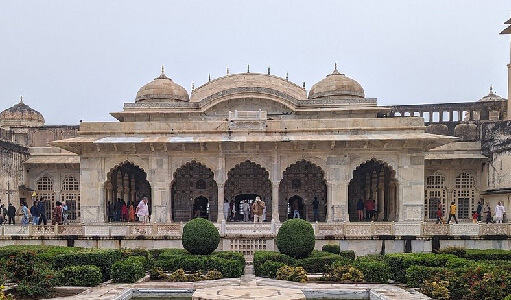
When you visit Agra’s Taj Mahal, a professional guide helps you see symmetry, calligraphy, and hidden geometry — details that may escape the untrained eye. In Jaipur, a guide narrates royal legends behind every palace corridor and helps you skip long ticket lines.
Beyond monuments, guides provide security and convenience. They coordinate with your private driver, plan routes to avoid traffic, and recommend authentic restaurants. For women or senior travelers, that local familiarity transforms logistics into reassurance.
A seasoned guide also mediates interactions with locals, protecting visitors from over-eager touts while ensuring artisans or shopkeepers are fairly supported. Many foreign travelers credit their guides for turning an ordinary day into an unforgettable cultural exchange.
Travelers who prefer independence enjoy India best when they research beforehand. Self-guiding encourages spontaneity: sipping tea with locals, exploring side streets, or revisiting a museum corner without watching the clock.
Digital platforms like Google Maps, AudioCompass, and VoiceMap India now make this freedom easier. Many historical sites have QR-based virtual tours; museums in Delhi and Udaipur even provide free audio guides through apps.
Self-guiding also tends to be economical. A day-long licensed guide may cost ₹2000–₹4000, whereas self-guided travelers spend primarily on entry tickets and transport. For budget travelers or repeat visitors familiar with India’s rhythm, that flexibility is priceless.
However, independence requires resilience. Traffic patterns, local holidays, or sudden temple closures can change schedules quickly. Without a local guide, interpreting signs or negotiating prices can become tiring.
India’s greatest beauty often hides in conversation — a temple priest explaining symbolism, a craftsman narrating family secrets of embroidery, or a villager describing festival origins.
Private guides act as cultural translators, bridging language and social context.
While English is widely understood, nuances get lost without interpretation. A guide ensures you grasp meaning rather than just information. For instance, at Varanasi’s evening Ganga Aarti, a guide decodes rituals’ symbolism — not just the flames but the faith behind them.
Self-guiding visitors can still connect authentically but may rely on digital translations. Some mobile apps convert Hindi speech into text, yet they miss emotional layers that locals convey naturally.
India is welcoming but densely populated. For first-timers, urban pace and rural unpredictability can feel intense. Having a certified private guide means structured safety — someone who knows which areas to avoid after dark or which vendors to trust.
Guides usually collaborate with professional private drivers, ensuring you’re never stranded or misled by informal taxis. They handle permits in protected monuments and manage tipping or entry logistics quietly in the background.
Solo or self-guided travelers must rely on awareness. Download reliable taxi apps like Ola or Uber, share live location via WhatsApp, and keep emergency numbers saved. India remains safe for mindful tourists, yet a local companion adds an invisible safety net that no app can replace.
A frequent myth is that guides create distance between travelers and locals. In truth, good guides remove barriers. They translate conversations with artisans, introduce you to families in villages, and organize tea sessions that would be inaccessible otherwise.
Self-guided travelers may find organic interactions by staying in homestays or small guesthouses. Chatting with hosts over breakfast often yields authentic insights. Yet language and etiquette gaps can sometimes limit those exchanges.
The key difference is structured authenticity versus spontaneous discovery. A private guide ensures accuracy; self-guiding leaves room for surprise.
Hiring a guide appears costly at first glance, but the benefits often outweigh expenses. Guides negotiate local prices, prevent overcharging, and save hours through efficient planning. In destinations like Rajasthan, where each palace charges separate fees, guides often secure combined passes or skip-the-line entry — saving both time and money.
For longer itineraries, travelers usually hire driver-cum-guides, particularly in regions like Kerala or Himachal Pradesh. They manage transportation and commentary together, offering value comparable to group tours but with privacy.
Self-guiding, on the other hand, fits backpackers or photographers who prefer wandering freely and spending selectively. However, indirect costs — such as wrong train tickets or extra taxi rides — may balance out savings.
Not sure whether to take a private guide or go self-guided? Chat with us for personalized advice.
Modern travelers seek responsible tourism. Choosing local licensed guides supports communities directly. Many guides belong to heritage preservation societies or family traditions of storytelling. By booking through verified platforms or tour operators, you contribute to ethical livelihoods and discourage exploitative practices like animal rides or fake shops.
Self-guided travelers can also practice responsibility by hiring eco-friendly transport, using refillable bottles, and respecting temple customs without supervision. The difference lies in awareness—guided tours teach these nuances faster.
In northern cities like Delhi or Agra, having a guide transforms history into narrative. Southern states such as Tamil Nadu or Kerala are easier for self-guided exploration because English signage is widespread and locals are accustomed to international visitors.
Mountainous regions like Ladakh, Sikkim, or Arunachal Pradesh require guides for permits and weather coordination. Similarly, wildlife parks such as Ranthambore or Kanha mandate licensed naturalists for safaris.
Thus, your decision may change with geography. Combining both styles often works best — hire guides for major historical sites and self-guide through scenic drives or leisure towns.
Mobile apps deliver data; guides deliver understanding. Audio tours can recite facts about the Taj Mahal, but only a guide explains how marble inlay symbolizes eternity or how artisans still replicate the craft in Agra’s lanes.
Technology helps navigate; humans help connect. Many foreign visitors mix both — using Google Maps for routes but depending on their guide-driver duo for local stories. The blend creates the most complete Indian journey.
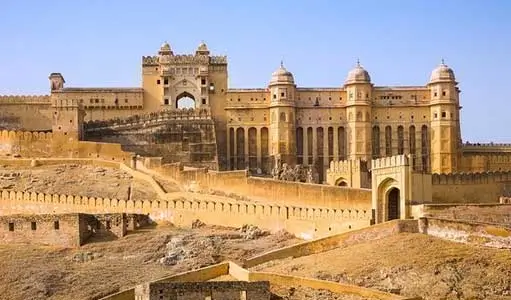
India’s distances can deceive. Ten kilometers may take forty minutes through traffic or festival processions. Guides plan realistic itineraries, ensuring you see key sites without exhaustion. They handle ticketing sequences efficiently—Amber Fort before noon, City Palace after crowds thin.
Self-guiding demands early starts and flexible patience. Without insider knowledge, travelers often underestimate travel time. A guide’s experience converts chaos into rhythm.
The best guides become friends, not service providers. Many travelers maintain lifelong connections—sending postcards or revisiting years later. That bond embodies India’s hospitality.
Self-guiding offers introspection. Moving alone through ancient ruins or remote villages creates private moments of reflection impossible in structured tours. Both paths reveal India differently—one through human warmth, the other through personal stillness.
If you seek storytelling, efficiency, and security, a private guide with car and driver suits perfectly. If you crave independence, photography freedom, or repeat visits, self-guiding brings fulfillment.
A hybrid model often wins: hire guides in cities like Delhi, Jaipur, Agra, and self-navigate calmer regions like Udaipur, Goa, or Kerala backwaters. Each complements the other.
In the end, India welcomes both types of travelers with the same warmth — just respect its rhythm, and it will open endlessly.
Yes, the Ministry of Tourism certifies Regional Level Guides after rigorous training. Always ask for ID.
Usually ₹2000–₹4000, depending on city, language, and expertise.
Yes, many driver-cum-guides offer combined services, especially for Rajasthan or Kerala circuits.
Tipping ₹500–₹800 per day is appreciated but not mandatory.
Yes, with caution—book verified cars, dress modestly, and avoid isolated areas after dark.
Most handle ticketing and queue management, saving time for guests.
English, French, Spanish, German, Japanese, and Italian are common among licensed professionals.
Good for overviews but lack personal insights and real-time context.
Pre-booking through reputable agencies or platforms ensures verified credentials.
Delhi, Agra, Jaipur, Varanasi, Khajuraho, and Udaipur — where layered history and local stories enrich every visit.