India is one of the world's most fascinating travel destinations, where ancient traditions blend seamlessly with modern life. Every state has its own language, cuisine, festivals, architecture, and customs, yet one thing remains constant across the country - the warmth and hospitality shown to guests. The Indian philosophy of "Atithi Devo Bhava", meaning "The Guest is God," reflects the respect with which visitors are welcomed.
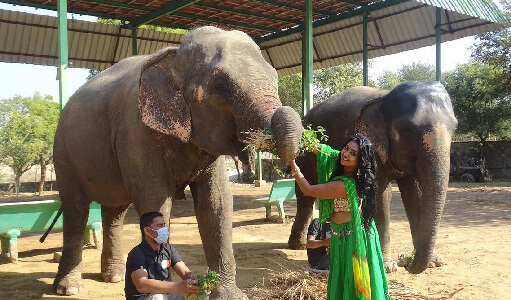
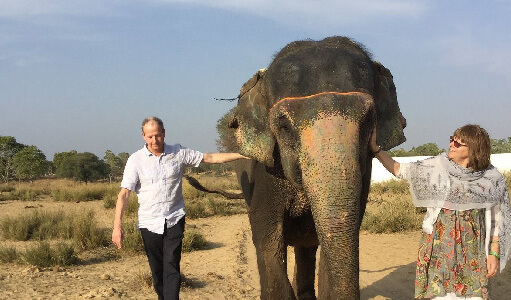
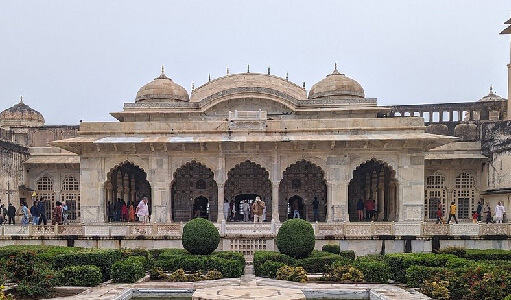
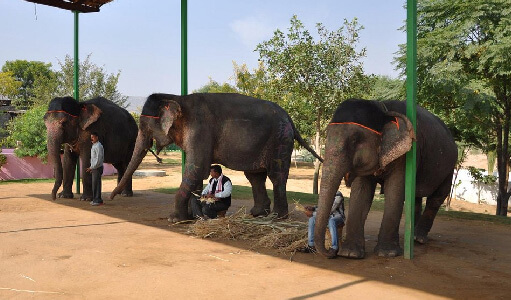
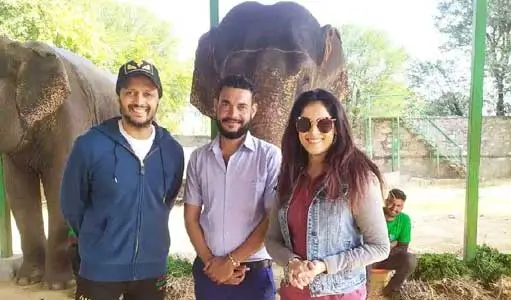
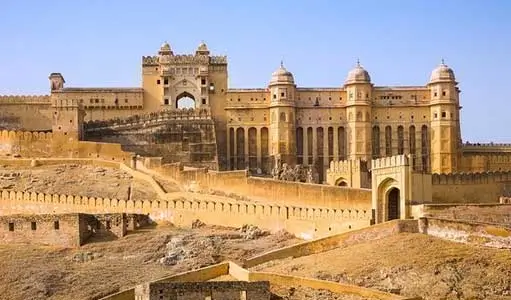
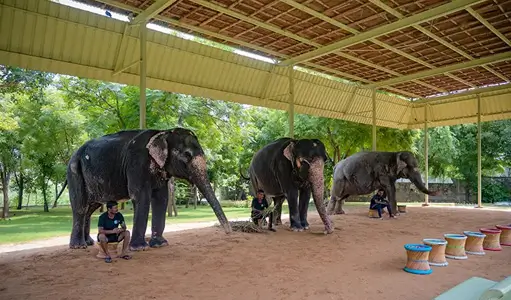
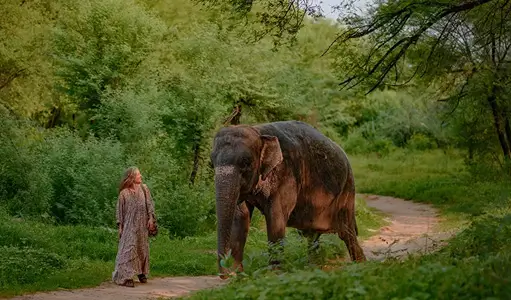
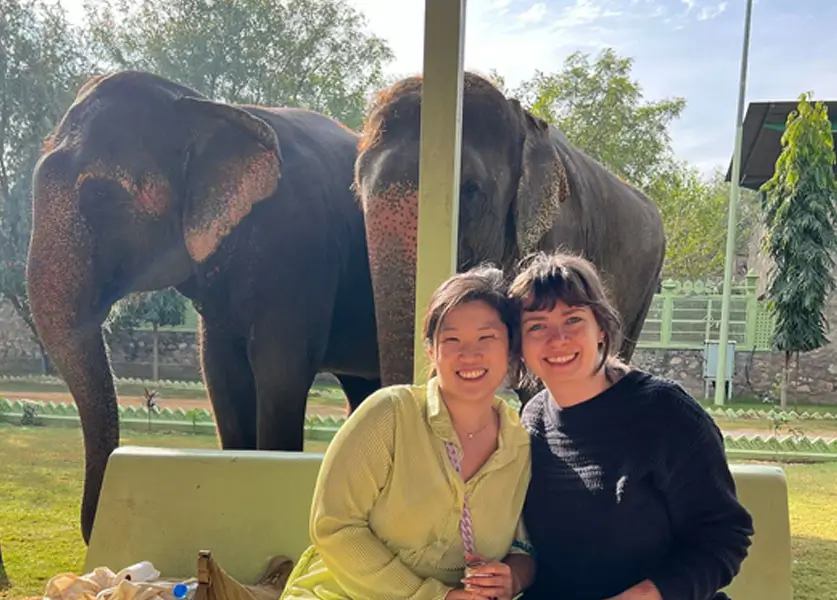
For first-time foreign travelers, understanding a few cultural etiquettes can make every interaction more enjoyable and meaningful. Whether you're visiting the majestic forts of Rajasthan, watching the sunrise over the Taj Mahal, attending the evening Ganga Aarti in Varanasi, relaxing in Kerala's backwaters, or experiencing ethical elephant tourism in Jaipur, respecting local customs helps create stronger connections with the people you meet.
Most Indians appreciate visitors who show curiosity about their traditions. Simple gestures such as greeting someone politely, dressing appropriately at religious places, or removing your shoes before entering a temple demonstrate respect and are often met with genuine smiles and warm conversations.
This guide explains the most important cultural norms, social etiquette, and practical travel tips that every foreign visitor should know before exploring India.
India isn't just a destination filled with famous monuments - it's a country built on centuries of traditions, family values, spirituality, and hospitality. Learning about these customs before your trip allows you to experience India beyond sightseeing.
Respecting local etiquette helps you:
Many travelers say that their most memorable moments in India came not from famous landmarks but from conversations with local families, artisans, guides, and shopkeepers.
Understanding India's local customs makes every journey smoother and more rewarding. Our private tours include experienced local guides who help you navigate cultural traditions, temple etiquette, dress codes, tipping practices, and meaningful interactions with local communities - ensuring a comfortable and authentic travel experience.
Greetings in India are deeply rooted in respect and humility.
The traditional greeting is "Namaste," performed by joining both palms together near your chest with a gentle smile or slight bow.
This simple gesture is understood throughout India and is appreciated by people of all ages.
Although handshakes are common in hotels, businesses, and major cities, many people - particularly women or elders - may prefer a Namaste instead.
Greeting Tips
A friendly greeting often opens the door to meaningful conversations throughout your journey.
Communication Style in India
Indian communication tends to be polite, patient, and indirect.
People generally value respectful conversations over aggressive or confrontational behavior. Speaking calmly and showing patience is appreciated, even during busy situations.
It's also common for strangers to ask personal questions such as:
These questions are usually meant as friendly conversation rather than an invasion of privacy.
Likewise, locals are often happy to answer questions about Indian culture, food, festivals, or traditions.
India is a diverse country with modern cities and traditional communities existing side by side.
While there are no strict clothing rules for tourists, modest attire is generally the most respectful choice, especially when visiting religious sites or rural villages.
Recommended Clothing
For Women
For Men
Loose, breathable fabrics work well because much of India experiences warm weather throughout the year.
India is home to thousands of temples, mosques, churches, monasteries, and Sikh Gurudwaras.
Each place has its own traditions, but these general guidelines apply almost everywhere.
Before entering:
Some Sikh Gurudwaras also require visitors to cover their heads. Carrying a lightweight scarf can be helpful throughout your trip.
Religion is an important part of daily life for millions of Indians.
You may see people praying before work, lighting lamps outside their homes, offering flowers at temples, or celebrating colorful festivals throughout the year.
Visitors are always welcome to observe these traditions respectfully.
While exploring religious places:
Many temples have separate areas reserved for priests or worshippers, so always observe signs or follow your guide's instructions.
Showing curiosity with respect is usually appreciated, and many locals are happy to explain the meaning behind their customs.
Temples are among the most visited attractions in India, welcoming millions of pilgrims and tourists every year. Whether you're visiting the magnificent Akshardham Temple in Delhi, the sacred Kashi Vishwanath Temple in Varanasi, the Golden Temple in Amritsar, or a small village shrine in Rajasthan, showing respect for local customs is essential.
Every temple has its own traditions, but a few common practices apply across most religious sites.
Temple Etiquette Tips
Some temples may not allow leather items, while others prohibit photography inside the main prayer hall. Always check the signs or ask your guide before taking pictures.
Visitors are welcome at most temples, regardless of religion, provided they respect local customs.
Food is an important part of Indian hospitality. If you're invited to share a meal with an Indian family, it's considered a sign of friendship and respect.
Indian dining customs vary across regions, but some etiquette remains universal.
Dining Tips
Many households and restaurants also provide spoons and forks, so don't worry if you're unfamiliar with eating by hand.
India offers incredible culinary diversity, and trying regional dishes is one of the best ways to experience local culture.
Indian families are known for their warmth and generosity. If you're invited into someone's home, expect genuine hospitality.
Guests are often offered tea, coffee, sweets, or snacks shortly after arriving.
Home Etiquette
Even a simple thank-you is greatly appreciated and leaves a lasting impression.
India's cities are lively and energetic, but respectful public behavior is highly valued.
Most people appreciate visitors who remain patient, polite, and considerate.
General Social Etiquette
In crowded tourist destinations, patience goes a long way.
India is best experienced with thoughtful planning and local insight. From sacred temples and bustling markets to heritage cities and village life, our tailor-made private tours help you experience India's rich culture while respecting local traditions and customs.
India is incredibly photogenic, from colorful markets and majestic forts to vibrant festivals and rural villages. However, not every moment should be photographed without permission.
Always Ask Before Taking Photos Of:
Many people are happy to pose for photographs once asked politely.
Respecting someone's privacy is just as important as capturing beautiful memories.
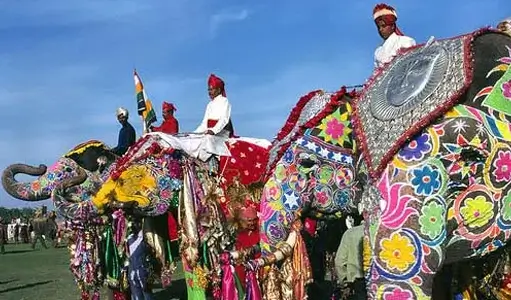
India celebrates hundreds of festivals throughout the year, making every season unique.
You may encounter celebrations even during a short visit.
Some of the most famous festivals include:
Diwali
Known as the Festival of Lights, Diwali celebrates the victory of light over darkness with lamps, fireworks, sweets, and family gatherings.
Visitors are welcome to participate respectfully.
Holi
The Festival of Colors is celebrated with colored powders, music, dancing, and joy.
If joining Holi celebrations:
Navratri & Durga Puja
These festivals celebrate the Divine Feminine through music, dance, prayers, and cultural performances across many parts of India.
Eid
Celebrated by India's Muslim community, Eid is marked by prayers, festive meals, charity, and family gatherings.
Visitors are often welcomed warmly.
Christmas
Goa, Kerala, Mumbai, and many metropolitan cities celebrate Christmas with beautifully decorated churches, markets, and festive events.
Festivals are wonderful opportunities to experience Indian culture firsthand.
Remember to:
Participating respectfully often leads to unforgettable cultural experiences and meaningful conversations with local families.
Getting around India is an adventure in itself. Whether you're traveling by private car, taxi, metro, train, tuk-tuk (auto-rickshaw), or domestic flight, understanding local travel etiquette will make your journey smoother.
Many international visitors choose a private car with an experienced driver because it offers flexibility, comfort, and local knowledge - especially when exploring destinations like Rajasthan, the Golden Triangle, or South India.
Transportation Tips
Indian traffic can seem chaotic at first, but experienced local drivers are highly skilled at navigating it safely.
Shopping is one of the highlights of traveling in India. From Jaipur's colorful bazaars and Delhi's vibrant markets to Kerala's spice shops and Varanasi's silk stores, every region offers something unique.
In traditional markets, bargaining is often part of the shopping experience.
Smart Bargaining Tips
In shopping malls, branded stores, and government emporiums, prices are generally fixed.
Remember that for many local craftsmen, every purchase directly supports their livelihood.
Tipping is appreciated in India, although it's not always mandatory.
Here are some general guidelines:
| Service | Suggested Tip |
| Restaurant | 5–10% (if the service charge isn't included) |
| Hotel Porter | ₹50–₹100 |
| Housekeeping | ₹100–₹300 per day |
| Tour Guide | ₹500–₹2,000 depending on the tour |
| Private Driver | ₹300–₹1,000 per day |
| Spa Staff | Around 10% |
Exceptional service can always be rewarded with a higher tip.
India's natural beauty ranges from Himalayan mountains and tropical forests to deserts, beaches, and wildlife reserves.
Responsible tourism helps preserve these incredible places for future generations.
Responsible Travel Tips
Small actions can make a significant positive impact on sustainable tourism.
India is much more than a destination - it's an experience shaped by centuries of history, diverse cultures, vibrant festivals, and extraordinary hospitality. Understanding local etiquette doesn't mean memorizing countless rules; it simply means approaching every interaction with kindness, curiosity, and respect.
A simple Namaste, dressing appropriately at religious sites, asking permission before taking photographs, respecting local traditions, and supporting responsible tourism can transform your journey into something far more meaningful than ordinary sightseeing.
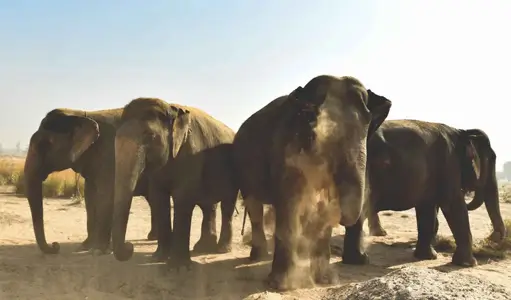
Whether you're exploring the royal palaces of Rajasthan, witnessing the spiritual rituals of Varanasi, relaxing in Kerala's backwaters, discovering the bustling markets of Jaipur, or spending time with rescued elephants at an ethical sanctuary, embracing India's customs will help you connect more deeply with its people and culture.
Travel with an open mind, respect local traditions, and you'll leave India not only with beautiful photographs but also with unforgettable memories, meaningful friendships, and a deeper appreciation for one of the world's most culturally rich countries.
Yes. India welcomes millions of international visitors every year, and hospitality is deeply rooted in its culture. Most travelers find locals to be friendly, helpful, and genuinely interested in sharing their traditions.
In major cities, tourist destinations, and beach areas, shorts are generally acceptable. However, modest clothing is recommended when visiting religious sites, rural areas, and traditional communities.
Yes, it’s used everywhere—formal yet friendly, understood across languages.
Most welcome foreigners, but a few restrict non-Hindus. Always ask locals or signage before entry.
Not mandatory, but always appreciated for drivers, porters, and restaurant staff.
Yes in tourist zones, but modest clothing is more comfortable and respectful overall.
Yes, refusing can seem impolite. Accept a small portion to show respect.
Avoid sacred interiors or photographing people without consent.
Best avoided; it’s viewed as inappropriate in many places.
Most service providers do, especially in tourist regions.
Yes, but do so kindly and with humor.
Curiosity more than disrespect—India’s diversity fascinates locals too.