Few places on earth let you walk side by side with an elephant, look into her eyes, and sense her gentle nature. Elefantastic Jaipur, India’s most beloved elephant village, is one such place.
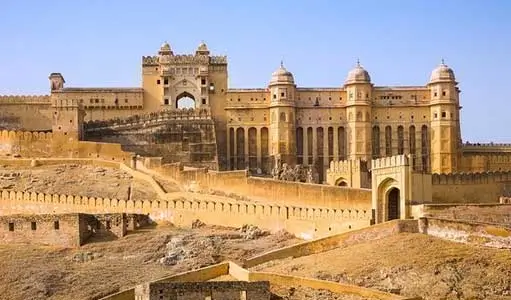
Hidden in the peaceful countryside near Amber Fort, this sanctuary is where elephants are cared for with love and where travelers meet them in the most responsible, heartfelt way possible.
For visitors, a day at Elefantastic isn’t a typical attraction — it’s an immersion into compassion, culture, and coexistence. It shows India’s soul, where tradition meets kindness and travel becomes personal.
The day begins early when your private driver takes you from your Jaipur hotel through winding village roads surrounded by the Aravalli hills. As you arrive, the hum of city life fades into the rustle of trees and distant elephant calls.
At the entrance, you’re greeted with warm smiles and herbal tea. There’s no rush, no crowds — just an introduction to the sanctuary’s peaceful rhythm. The team explains Elefantastic’s story, its mission to promote ethical elephant tourism, and how each elephant here is part of a family, not a show.
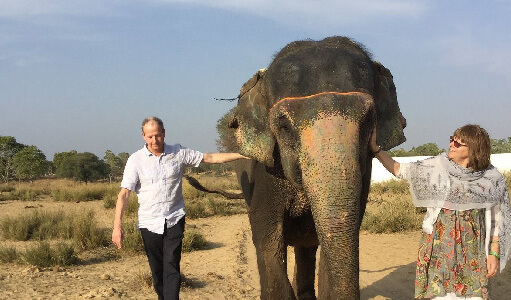
Soon, you meet your elephant companion for the day. She may be Maya, Lakshmi, or Tara — each with her own personality and history. As your guide introduces her, you realize this will be less like a tour and more like meeting an old soul.
Plan a meaningful and responsible elephant experience with expert guidance. Book timings, activities, and personalised visits.
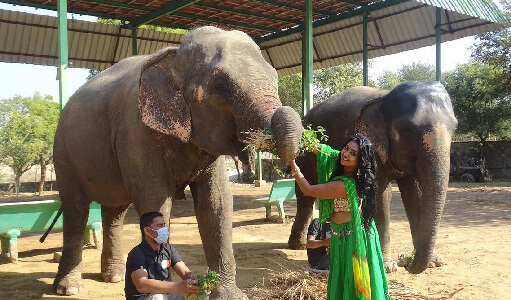
The friendship begins with food. The caretakers hand you baskets of bananas, sugarcane, and cooked grains mixed with jaggery. You stretch your arm nervously at first, and then her trunk — warm, soft, and surprisingly gentle — curls around your hand to accept it.
Feeding isn’t just fun; it’s symbolic. It represents mutual trust between human and elephant. Every piece of fruit you offer is a gesture of peace. In return, you get the most sincere thank-you — a soft rumble of satisfaction that vibrates through the air.
Foreign travelers often say this moment breaks every stereotype they had about elephants. You see intelligence, patience, and affection in every movement.
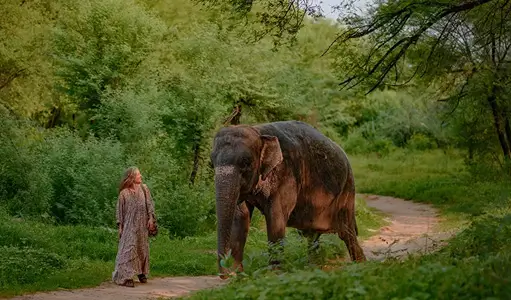
After the feeding, you head out for a walk alongside your elephant through open fields. There are no saddles, no chains — only footsteps in sync.
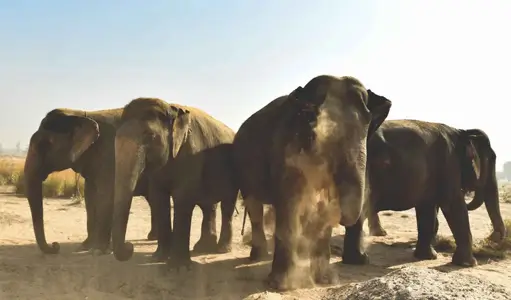
The mahout, or elephant caretaker, walks with you, explaining gestures, moods, and sounds. You learn how elephants communicate — through deep rumbles, gentle taps, and subtle expressions. You may pause while she plucks leaves or sprays dust over her back to cool off.
The walk isn’t about distance; it’s about rhythm — moving slowly, peacefully, in harmony. For many visitors, this is the most emotional part of the day. The sense of companionship is quiet yet powerful.
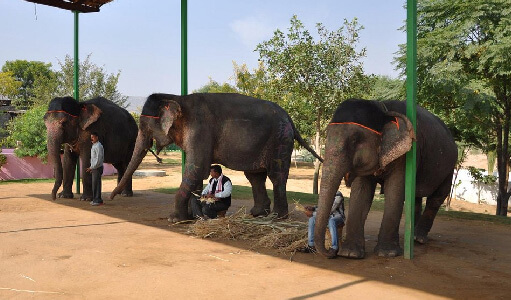
After your morning session, you return to shaded seating near the village courtyard. Over a cup of masala chai, the staff share stories about the elephants — how they were rescued, how the mahouts live with them like family, and how tourism has transformed into conservation.
Visitors often meet the families of caretakers, gaining insight into rural Rajasthani life. It’s authentic, simple, and humbling. You realize that Elefantastic isn’t just an animal sanctuary — it’s a social ecosystem supporting both humans and elephants.
Lunch is freshly prepared vegetarian Rajasthani food — chapatis, lentils, vegetables, rice, and pickle served on steel plates. It’s traditional, nourishing, and cooked with filtered water.
Guests often eat alongside staff or even near resting elephants under trees. The atmosphere feels like a family picnic. Conversations flow easily — about travel, culture, or the elephants’ favorite snacks.
If the weather allows, the afternoon turns into playtime. Elephants adore water, and at Elefantastic they have dedicated pools and mud areas. Guests are invited to join bathing rituals — gently pouring water, scrubbing with coconut husks, or just splashing around.
It’s a joyful, spontaneous activity that breaks barriers. Laughter echoes as water sprays from trunks, drenching everyone around. For elephants, it’s cooling; for humans, it’s unforgettable.
The caretakers ensure hygiene and safety, guiding guests on how to interact respectfully. No pressure, no hurry — just shared happiness between two species.
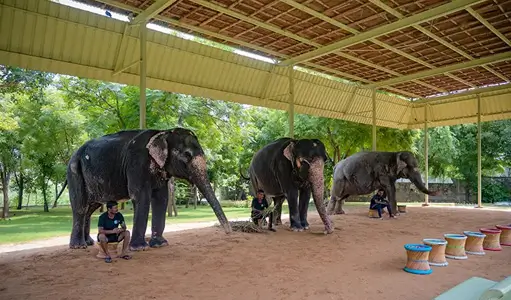
In the later afternoon, you visit the feeding storage, medical area, and shelter zones. Here, you see the amount of care that goes into running a sanctuary like Elefantastic Jaipur.
Every elephant consumes about 100 kilograms of food daily — including fresh greens, grains, and fruit. Veterinary doctors visit regularly for check-ups, and mahouts monitor behavior closely to ensure emotional well-being.
The staff explain how the elephants’ previous workloads have been replaced with rest, play, and natural routines. Guests witness the balance between cultural heritage and modern welfare science — an essential shift in India’s approach to animal tourism.
Spend a memorable day with gentle elephants at Elefantastic Jaipur. Get help with booking, timings, activities and complete visit planning.
No one understands elephants better than their mahouts. At Elefantastic, these caretakers aren’t just employees — they are storytellers and protectors who have grown up alongside elephants for generations.
You’ll hear touching stories about how elephants recognize voices after years, how they mourn, play, and even dream.
Their insights reveal that elephants are not just strong; they are emotional, empathetic, and incredibly perceptive.
Visitors leave with respect not only for the elephants but for the men who dedicate their lives to them. It’s cultural education that no book can provide.
As the sun dips behind Amber’s hills, the day winds down softly. The elephants are led to their shaded enclosures, where they rest with hay and gentle pats from their caretakers.
Before leaving, you might stand quietly beside your elephant friend one last time. Many visitors say the goodbye feels personal — the elephant seems to understand it too.
Some raise her trunk as if waving farewell; others simply close their eyes and breathe together. It’s a moment that lingers.
When you finally drive back to Jaipur, the noise of the city feels distant. You’ve witnessed a different India — one of empathy, dignity, and quiet joy.
Every visitor contributes directly to the welfare of elephants. Your entry fee funds food, medical care, and the salaries of mahouts. The sanctuary also educates tourists about responsible travel and spreads awareness against animal exploitation.
Choosing Elefantastic means choosing ethics over entertainment. It shows that tourism, when done right, can protect rather than harm.
This model is now studied by wildlife groups as an example of responsible elephant tourism in India.
Bring an open heart, comfortable clothes, and a willingness to learn. Everything else is arranged with care.
Foreign guests from around the world describe Elefantastic as their most moving experience in India.
“We spent an entire day with Maya the elephant, feeding and walking with her. I never thought I’d feel such connection with an animal — it changed the way I see travel.” – Visitor from France
“It’s not a zoo, not a show — it’s genuine care. Every minute feels honest.” – Guest from Australia
“I left with tears and a smile. These elephants are loved, not used.” – Traveler from Canada
Such feedback keeps the Elefantastic team inspired — proving that kindness always leaves the strongest impression.
In many ways, Elefantastic represents India’s new tourism philosophy — rooted in respect for animals, sustainability, and emotional connection.
Here, the grandeur of Rajasthan meets the humility of nature. You realize that the true luxury of travel is not marble hotels or fast itineraries — it’s slow, meaningful connection.
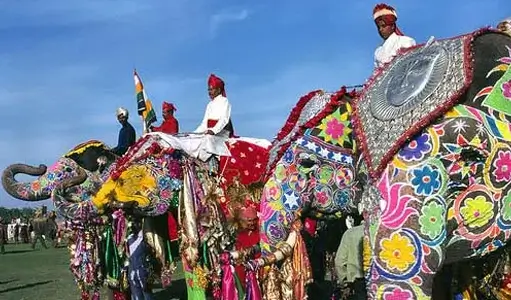
Elefantastic stands as living proof that India can celebrate its traditions while embracing compassion — where the royal elephant of history becomes a symbol of friendship in the present.
It’s located around 25–30 minutes from the city, close to Amber Fort.
Pre-booking is essential as the sanctuary allows limited guests each day.
No, Elefantastic strictly prohibits rides and focuses only on ethical, ground-level interaction.
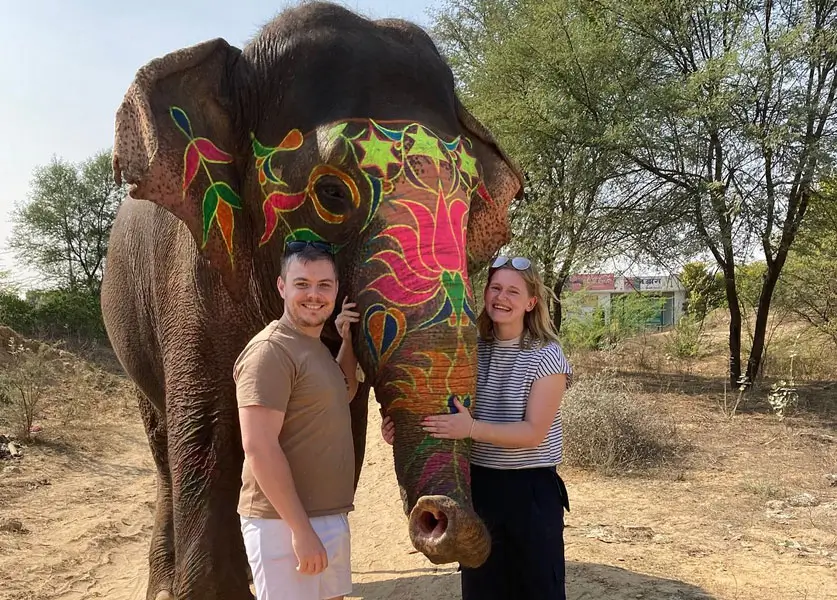
Feeding, walking, gentle painting with organic colors, bathing (weather permitting), and learning about daily care.
Yes, it’s family-friendly, with careful supervision and calm elephants.
Typically 5–6 hours, depending on weather and visitor pace.
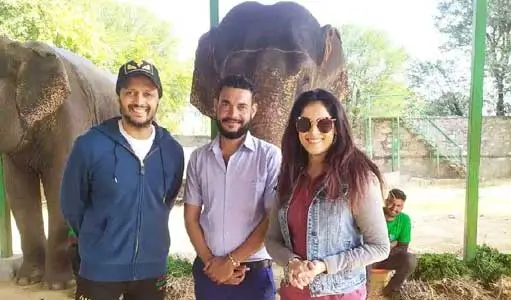
Yes, photography is welcome throughout your visit.
Comfortable cotton clothing, closed shoes, and a hat for sun protection.
Yes, income supports mahout families, education, and veterinary care.
Because it’s India’s most ethical, transparent, and heartfelt elephant sanctuary, where elephants are loved — not displayed.