When travelers think of wildlife tourism in India, the image that often dominates imagination is the tiger—powerful, elusive, and symbolic. While tiger reserves hold undeniable appeal, focusing solely on them overlooks a broader, richer wildlife narrative.
Wildlife tourism in Jaipur beyond tigers reveals a more layered experience, where ethical elephant encounters, leopard habitats, and responsible safari practices create a deeper, more meaningful connection with nature.
Jaipur’s wildlife story is not about chasing sightings or ticking off species lists. It is about understanding ecosystems, respecting animal autonomy, and choosing experiences that align with global values of sustainability. For travelers from the USA, UK, Australia, Canada, and Europe, this shift is particularly important. Modern wildlife travelers seek encounters that feel authentic, ethical, and emotionally resonant.
At elefantastic, this broader perspective on wildlife tourism defines every experience. Elephants, leopards, and natural landscapes are approached with patience rather than pursuit, ensuring that tourism supports life rather than disrupting it.
Jaipur occupies a unique position in Rajasthan’s wildlife landscape. Unlike destinations known primarily for tiger reserves, Jaipur offers access to diverse species and habitats without relying on mass tourism infrastructure. This diversity allows travelers to explore wildlife through multiple lenses—ethical interaction, observation, and coexistence.
Wildlife tourism here unfolds quietly. Instead of crowded jeeps and competitive sightings, visitors experience calm environments where animals are allowed to behave naturally. This atmosphere appeals to travelers who value depth over drama.
The concept of responsible wildlife tourism in Jaipur emphasizes quality encounters rather than quantity. It encourages travelers to slow down, observe, and appreciate subtle moments.
Plan your journey into Jaipur’s wildlife world and explore experiences that focus on awareness, sustainability, and genuine connection with nature.
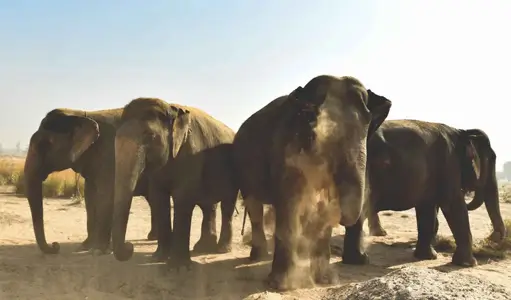
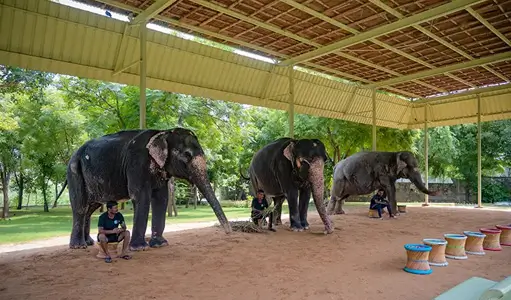
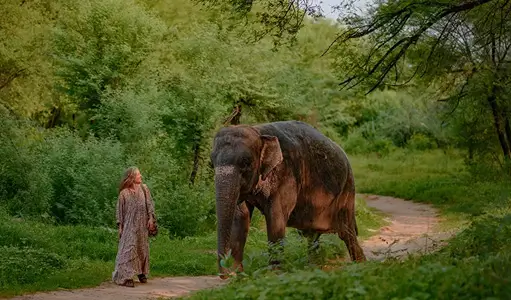
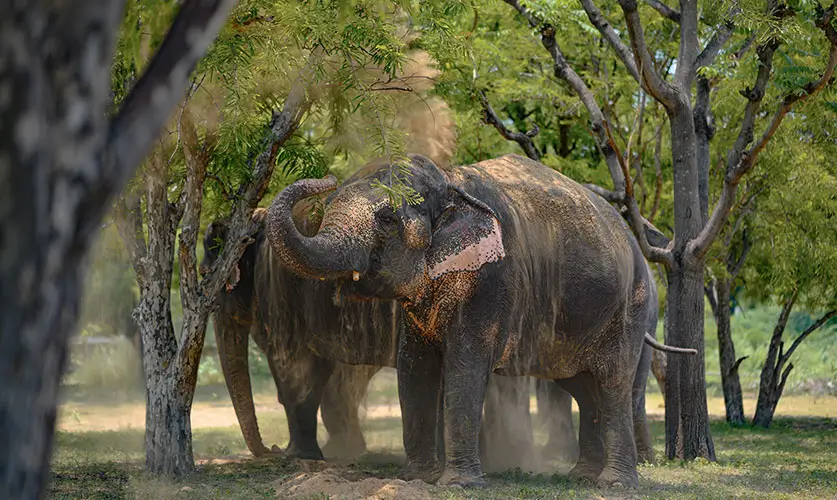
Elephants represent the emotional core of Jaipur’s ethical wildlife tourism. Unlike fleeting sightings, elephant experiences allow sustained engagement rooted in care and trust. Ethical elephant environments prioritize dignity, freedom of movement, and emotional well-being.
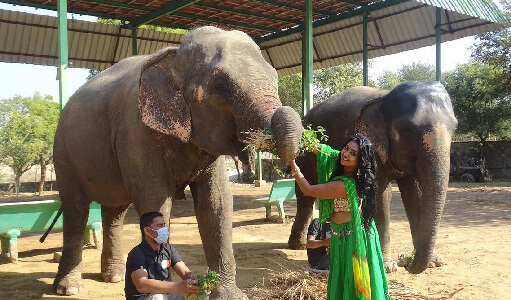
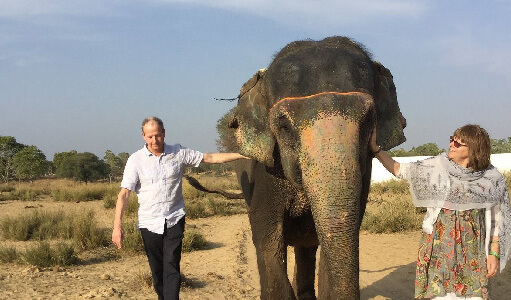
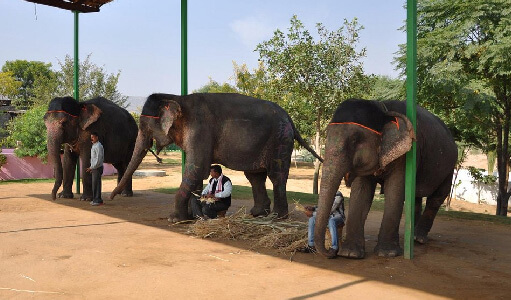
Visitors participating in ethical elephant experiences in Jaipur witness daily life rather than performances. Feeding, walking, and observation are integrated into natural routines, ensuring elephants are not pressured to interact.
This approach resonates deeply with international travelers concerned about animal welfare. Knowing that elephants are not exploited enhances trust and satisfaction.
Elephants also serve as ambassadors for ethical tourism. Their presence highlights how wildlife experiences can evolve beyond control-based practices toward coexistence.
Beyond elephants, Jaipur’s surrounding landscapes are home to leopards—adaptable, intelligent predators that thrive in forested hills and rocky terrain. Leopard habitats near Jaipur demonstrate how wildlife can coexist alongside human development when respected.
Leopard safaris in the region emphasize observation rather than pursuit. Early morning and evening drives offer opportunities to witness natural behavior without disturbance. These experiences appeal to travelers seeking ethical safaris in Rajasthan.
The presence of leopards adds complexity to Jaipur’s wildlife narrative. It underscores the importance of habitat conservation and responsible tourism practices that protect entire ecosystems.
Ethical safaris differ fundamentally from conventional wildlife drives. They limit vehicle numbers, avoid crowding, and prioritize animal comfort. Guides emphasize education over excitement, encouraging respectful distance and quiet observation.
In Jaipur, ethical safari practices are shaped by awareness rather than regulation alone. Operators recognize that long-term sustainability depends on preserving trust between wildlife and humans.
For travelers, this translates into more meaningful experiences. Instead of rushed encounters, safaris become opportunities to learn about landscapes, species behavior, and conservation challenges.
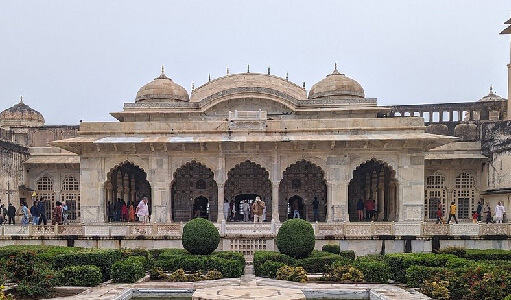
Conscious travelers are drawn to Jaipur because it offers balance. Cultural richness complements wildlife immersion, creating itineraries that feel complete. Visitors can explore forts and palaces while engaging with nature responsibly.
This balance reduces pressure on wildlife experiences. Travelers are not dependent on a single attraction, allowing wildlife tourism to remain measured and respectful.
The city’s accessibility further enhances appeal. Jaipur’s connectivity makes it easy for international travelers to include ethical wildlife experiences without complex logistics.
Traditional wildlife tourism often centers on the chase—the pursuit of sightings, the thrill of proximity. Jaipur’s approach challenges this mindset. It encourages appreciation without pursuit.
This philosophy aligns with evolving travel values. Many travelers now prefer experiences that feel calm and reflective rather than adrenaline-driven.
By focusing on elephants, leopards, and ethical safaris, Jaipur offers wildlife tourism that feels grounded and humane.
Wildlife tourism in Jaipur highlights the importance of habitat preservation. Elephants require open land and enrichment, while leopards depend on forest corridors and prey balance.
Ethical tourism supports habitat conservation by generating revenue tied to protection rather than exploitation. Visitors become stakeholders in preservation efforts through informed choice.
Understanding habitat dynamics deepens visitor appreciation. Wildlife encounters become lessons in interconnectedness rather than isolated events.
Local communities play a vital role in Jaipur’s wildlife tourism ecosystem. Guides, caretakers, and conservation staff often come from nearby villages, bringing local knowledge and commitment.
Ethical wildlife tourism creates sustainable livelihoods that discourage harmful practices. Community involvement strengthens conservation outcomes and fosters pride.
Travelers indirectly support this impact by choosing experiences aligned with responsible tourism values.
Luxury travelers increasingly seek experiences that align comfort with conscience. Jaipur’s wildlife offerings demonstrate that ethical tourism can coexist with refinement.
Small group sizes, knowledgeable guides, and thoughtfully designed environments enhance exclusivity without compromising ethics. This balance attracts travelers accustomed to high standards.
The result is wildlife tourism that feels personal rather than commercial.
At elefantastic, wildlife tourism is framed as a relationship rather than a product. Experiences are designed around animal needs, not visitor demand.
Elephants remain central, but the broader wildlife context enriches understanding. Visitors see how elephants, leopards, and landscapes form an interconnected system.
This holistic approach builds credibility and trust among international audiences.
Education emerges naturally through ethical experiences. Visitors learn about animal behavior, conservation challenges, and responsible interaction without formal instruction.
This learning shapes perception. Wildlife becomes more than a photo opportunity; it becomes a shared responsibility.
For many travelers, this awareness influences future travel decisions.
Jaipur’s approach offers a model for destinations worldwide. It demonstrates that wildlife tourism does not need to rely on spectacle or pressure.
By prioritizing ethics, Jaipur positions itself as a leader in responsible tourism. This leadership resonates with travelers seeking destinations aligned with global sustainability goals.
Go beyond the usual tourist spots and immerse yourself in responsible wildlife encounters. Learn, observe, and connect with nature in a meaningful way.
Ethical wildlife encounters often leave deeper emotional impressions than traditional safaris. The absence of stress allows genuine connection.
Visitors reflect on moments of stillness, observation, and shared space. These memories endure beyond travel.
This emotional resonance defines Jaipur’s wildlife tourism identity.
Travel choices reflect personal values. Wildlife tourism in Jaipur offers options that align enjoyment with ethics.
By choosing elephant experiences, leopard observation, and ethical safaris, travelers support a vision of tourism that respects life.
This alignment enhances satisfaction and meaning.
Jaipur’s wildlife tourism extends beyond individual species. It represents a broader vision where tourism supports conservation, community, and coexistence.
This vision appeals to modern travelers seeking depth and purpose.
The difference lies in intention. Jaipur’s wildlife tourism emphasizes patience, respect, and understanding.
Travelers sense this difference immediately. Experiences feel quieter, more authentic, and more impactful.
As global awareness grows, demand for ethical wildlife experiences will continue to rise. Jaipur is well-positioned to meet this demand through thoughtful practices.
Elephants, leopards, and ethical safaris form the foundation of this future.
No, it also includes leopard habitats and ethical safari experiences.
Tiger reserves exist in Rajasthan, but Jaipur focuses on broader ethical wildlife encounters.
They prioritize care, freedom, and voluntary interaction without exploitation.
Yes, leopards inhabit forested areas around Jaipur and can be observed responsibly.
Yes, they offer educational and accessible experiences.
Yes, ethical tourism contributes to habitat protection and sustainable livelihoods.
Yes, with guidance, it suits families seeking educational experiences.
By designing experiences around animal needs and transparent care practices.
Calm observation, education, and respect for wildlife boundaries.
Jaipur offers diverse wildlife experiences rooted in responsibility and cultural balance.