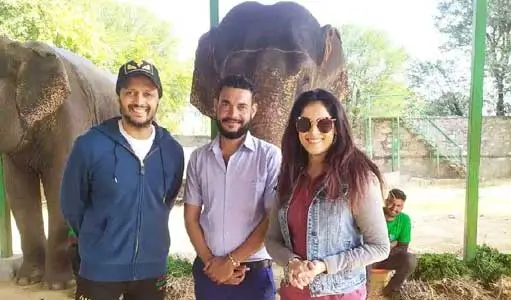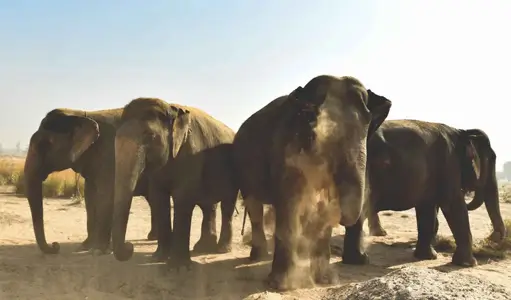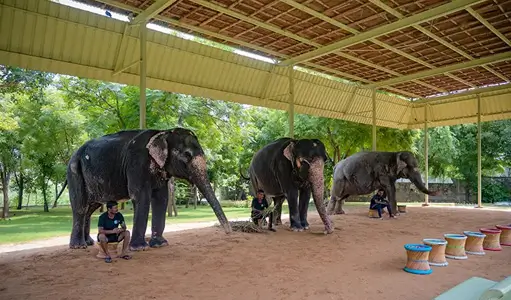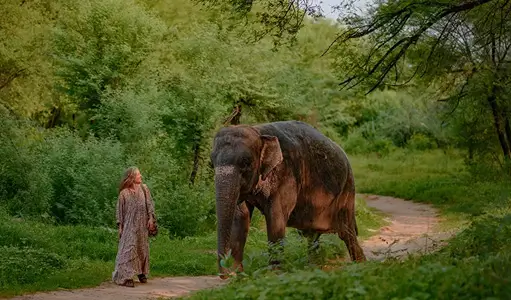
For most travelers, elephants are seen only in fleeting moments—crossing a road, featured in photographs, or mentioned in stories of India’s royal past. What remains unseen is the quiet, deeply structured world that defines an elephant’s daily life. In Jaipur, ethical elephant environments offer a rare window into this world, allowing visitors to understand how care, emotional bonding, and conservation come together to create a life of dignity for these gentle giants. For elefantastic, this story forms the heart of every experience offered.
The daily life of elephants in Jaipur is not shaped around tourism schedules. It follows natural rhythms built on routine, familiarity, and trust. From early morning movements to quiet evening rest, each phase of the day reflects the intelligence and sensitivity of elephants. Understanding this rhythm helps visitors appreciate why ethical elephant experiences feel profoundly different from traditional wildlife attractions.
International travelers—especially from the USA, UK, Australia, and Canada—are increasingly interested in what happens beyond the surface of an experience. They want to know how animals live, how they are cared for, and whether human interaction respects natural behavior. Jaipur’s ethical elephant environments answer these questions through transparency and thoughtful engagement.
An elephant’s day in Jaipur typically begins with calm movement rather than commands. Early mornings are a time of gentle activity, when elephants stretch, walk freely, and engage with their surroundings. This period is essential for physical health and mental stimulation. Walking allows joints to loosen naturally, supporting long-term mobility and comfort.
Caregivers observe each elephant closely during this time. Small behavioral cues indicate mood, appetite, and overall well-being. This attentive observation reflects the depth of the human-elephant bond that defines ethical care. Rather than controlling behavior, caretakers respond to it, adjusting routines to suit individual needs.
For visitors, witnessing this morning rhythm creates immediate insight into how ethical environments prioritize the elephant’s pace rather than human convenience. It becomes clear that elephants are not managed like attractions but respected as sentient beings with preferences and personalities.
Enjoy a peaceful and ethical elephant experience in Jaipur. Start your Elefantastic journey today and create memories that last a lifetime.
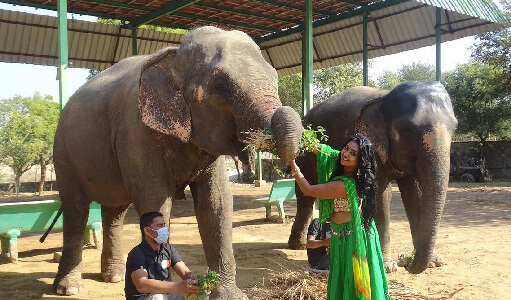
Feeding is not a single event; it is an ongoing process integrated throughout the day. Elephants require diverse, nutrient-rich diets to support their size, digestion, and emotional balance. Fruits, vegetables, grains, and natural forage are offered in measured quantities, ensuring health without excess.
In Jaipur’s ethical settings, feeding also serves as enrichment. Food is often presented in ways that encourage natural foraging behavior, allowing elephants to use their trunks creatively. This mental engagement is just as important as physical nourishment.
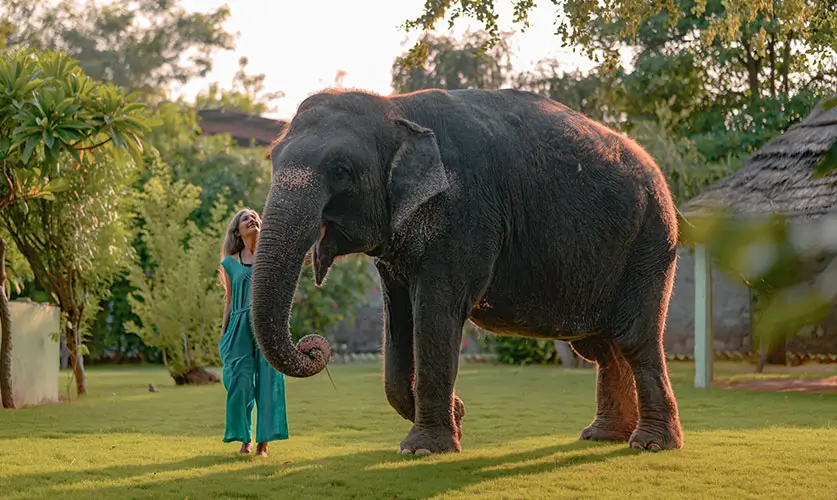
Visitors participating in feeding sessions gain a deeper understanding of elephant intelligence. Observing how elephants select food, communicate preferences, and interact gently reinforces why ethical elephant care demands patience and respect. Feeding becomes an act of partnership rather than dominance.
Bonding lies at the core of an elephant’s daily experience. Elephants are highly social animals with complex emotional lives. In ethical environments, caretakers invest years building trust through consistent, calm interaction. This bond is not enforced; it evolves naturally over time.
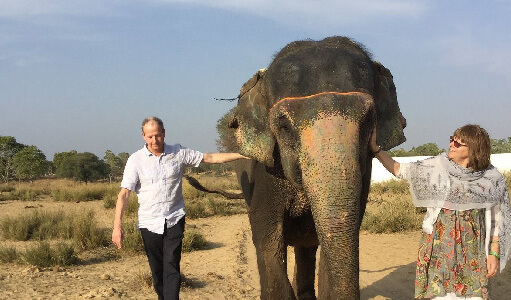
Touch, voice, and presence play important roles. Elephants recognize familiar caregivers and respond to subtle cues. This mutual recognition creates a sense of security that allows elephants to relax and express natural behavior.
For travelers, witnessing this bond reshapes expectations. The absence of fear-based control highlights how cooperation replaces command. This approach aligns with global standards of responsible wildlife tourism, reinforcing why Jaipur’s ethical elephant experiences are trusted by conscious travelers.
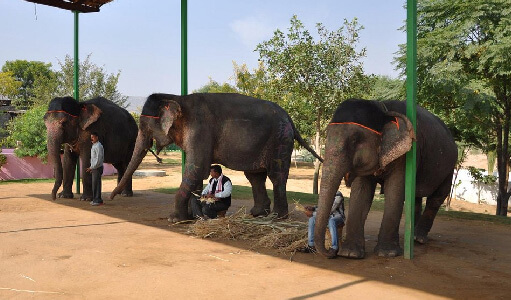
As temperatures rise, elephants enter a period of rest. Shade, water access, and open space allow them to cool down and relax. This downtime is essential for emotional balance, especially for elephants that may have experienced stress in earlier stages of life.
Ethical environments respect these rest periods. Interaction is limited, ensuring elephants are not overstimulated. This respect for boundaries is a defining feature of high-quality elephant care.
Visitors often note the calm atmosphere during these hours. The absence of noise, crowds, or pressure creates a reflective experience. Observing elephants at rest reveals subtle behaviors—gentle movements, social closeness, and quiet communication—that are rarely seen elsewhere.
As the day progresses, elephants gradually return to activity. Enrichment exercises are introduced to stimulate curiosity and movement. These activities mimic natural challenges, encouraging elephants to problem-solve and explore.
Enrichment supports cognitive health, reducing boredom and stress. It reflects an understanding that elephant well-being extends beyond physical care. Mental engagement is equally vital.
For visitors, this aspect of elephant life is particularly revealing. It demonstrates how ethical care is proactive rather than reactive. Instead of correcting unwanted behavior, caretakers create environments that prevent it by fulfilling natural needs.
Continuous health monitoring is woven into daily routines. Caretakers observe gait, appetite, and behavior, noting even subtle changes. Veterinary professionals conduct regular check-ups, ensuring long-term health management rather than crisis response.
This preventative approach reassures visitors concerned about animal welfare. Knowing that elephants receive consistent medical attention builds confidence in the integrity of the experience.
For elefantastic, this commitment to health forms a cornerstone of trust. Visitors understand that their participation supports ongoing care rather than temporary display.
As daylight fades, elephants transition into evening calm. Social interaction becomes more pronounced, with elephants often choosing proximity to familiar companions. This social closeness reflects emotional bonds that are essential for psychological well-being.
Evening routines emphasize relaxation. Noise is minimized, and movement slows naturally. This peaceful conclusion to the day highlights how ethical environments prioritize stability and comfort.
Visitors present during this time often describe a sense of privilege. Witnessing elephants in such a serene state reinforces the authenticity of the experience.
Learn about the daily routine, care, and bond between elephants and their mahouts at Elefantastic Jaipur.
Conservation is not limited to education panels or messaging. It is embedded in daily practice. Ethical elephant environments in Jaipur demonstrate how conservation begins with individual care. By providing safe, respectful living conditions, these initiatives contribute to broader awareness about wildlife protection.
Visitors learn that conservation is an ongoing commitment rather than a single action. Supporting ethical elephant care helps preserve not only individual lives but also cultural understanding of coexistence.
This perspective resonates strongly with international travelers who seek meaningful travel experiences that align with personal values.
Understanding the daily life of elephants transforms how visitors engage with wildlife. It shifts focus from entertainment to empathy. Travelers leave with knowledge that influences future choices, encouraging support for ethical tourism worldwide.
For many, this understanding becomes a defining memory. It deepens appreciation for animals and reinforces the importance of responsible interaction.
At elefantastic, the daily life of elephants is respected as a continuous journey rather than a scheduled attraction. Experiences are designed around existing routines, ensuring elephants remain at the center of every decision.
This philosophy attracts travelers who value authenticity. By aligning experiences with natural rhythms, elefantastic creates encounters that feel genuine and emotionally resonant.
Travel experiences often fade, but understanding endures. Visitors who witness the daily life of elephants in Jaipur carry forward a deeper sense of responsibility and awareness. This influence extends into future travel choices and conversations.
By choosing ethical elephant experiences, travelers contribute to a model of tourism that values life, patience, and respect. The daily life of elephants becomes a shared story—one that continues long after the journey ends.
Their day includes walking, feeding, rest, enrichment, social interaction, and health monitoring, all guided by natural rhythms.
No, interaction depends on the elephant’s comfort and willingness, ensuring ethical standards are maintained.
Trust develops through consistent care, calm communication, and long-term relationships rather than control.
They often live near compatible companions, allowing social interaction while respecting individual preferences.
Health monitoring occurs daily, with regular veterinary check-ups to ensure preventive care.
Rest supports physical recovery, emotional balance, and overall well-being, especially in warm climates.
Observation is allowed during appropriate times, respecting rest and comfort.
Ethical care raises awareness, supports sustainable livelihoods, and sets standards for responsible tourism.
Yes, elephants display a wide range of emotions through behavior, posture, and social interaction.
It helps travelers select ethical options that truly respect animal welfare.