When people observe elephants in the wild or within ethical environments, the first impression often revolves around size and presence. However, what becomes evident over time is that these animals operate on a level far beyond instinct-driven behavior. Elephant intelligence is not limited to survival tactics; it extends into decision-making, emotional awareness and long-term memory that influences how they interact with their surroundings.
Scientific observation and field studies have consistently shown that elephant intelligence includes the ability to adapt behavior based on past experiences. This means that elephants do not simply react; they evaluate situations. For example, when encountering unfamiliar environments, elephants often pause, observe and make calculated movements rather than acting impulsively. This type of behavior suggests cognitive processing similar to higher mammals.
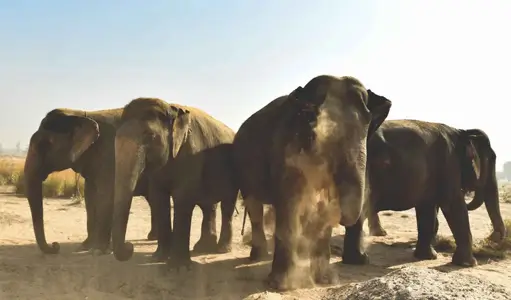
Another important aspect is social intelligence. Elephants live in structured groups where relationships are maintained over long periods. Within these groups, individuals recognize each other, respond to emotional cues and even adjust their behavior based on the mood of others. This level of awareness indicates that elephants are capable of understanding more than just physical signals—they interpret intent and emotion.
The presence of such layered intelligence makes elephants one of the most cognitively advanced animals on the planet. Their actions are not random; they are often the result of accumulated knowledge and environmental understanding. This is what separates elephants from many other species and positions them as one of the most fascinating subjects in animal cognition.
Discover the remarkable world of elephants and experience their intelligence, emotions, and unique personalities up close. Create meaningful memories through ethical and interactive encounters that bring you closer to these magnificent animals.
The phrase “an elephant never forgets” is often used casually, but it is grounded in observable reality. Elephant memory plays a central role in how these animals navigate their environment, maintain relationships and respond to challenges. Their ability to recall locations, individuals and past events is critical to their survival.
In natural habitats, elephants rely on memory to locate water sources that may only be accessible during certain times of the year. These locations are not always visible or obvious, yet elephants can travel long distances with precision. This suggests a strong spatial memory that allows them to map their environment internally and recall it when needed.
Memory also influences social dynamics. Elephants are known to recognize individuals even after long periods of separation. This includes both members of their own group and humans they have interacted with before. In some cases, elephants have shown clear reactions—either positive or cautious—based on past experiences with specific individuals.
Another dimension of elephant memory is emotional recall. Events that involve stress, loss or positive interaction can influence future behavior. This is why elephants that have experienced trauma may respond differently compared to those raised in stable environments. Their memory does not just store information; it shapes their perception and response to the world.
One of the strongest indicators of intelligence is the ability to solve problems, and elephants demonstrate this skill in a variety of ways. Their problem-solving abilities are not limited to simple tasks; they often involve multi-step thinking and adaptation to changing conditions.
In controlled observations, elephants have been seen using objects as tools to achieve a goal. For instance, they may move objects into position to reach food that is otherwise inaccessible. This behavior indicates an understanding of cause and effect, as well as the ability to plan actions ahead of time.
In natural environments, problem-solving becomes even more complex. Elephants often encounter obstacles such as barriers, terrain challenges or human-made structures. Instead of reacting randomly, they assess the situation and find alternative routes or methods to navigate through or around the obstacle.
What makes elephant problem-solving skills particularly notable is their flexibility. If one approach does not work, elephants are capable of adjusting their strategy rather than repeating the same action. This adaptability shows that their thinking is not fixed; it evolves based on the situation.
Elephants are widely recognized for their emotional depth, which is closely linked to their intelligence. Emotional intelligence in elephants is reflected in how they respond to members of their group and how they react to external situations.
Within elephant groups, individuals often show signs of empathy. When one member is distressed, others may respond by staying close, using physical contact or vocal communication to provide reassurance. This behavior suggests an understanding of emotional states beyond simple instinct.
Elephants are also known to exhibit signs of grief. When a member of the group passes away, elephants may remain near the location, showing behaviors that indicate awareness of loss. This type of response is rare in the animal kingdom and highlights the complexity of their emotional structure.
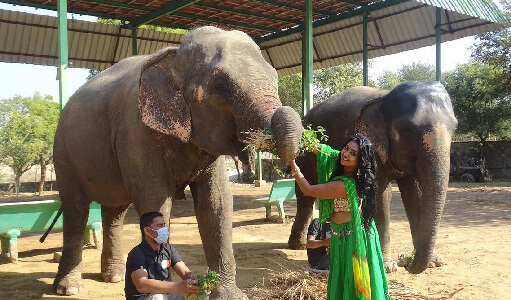
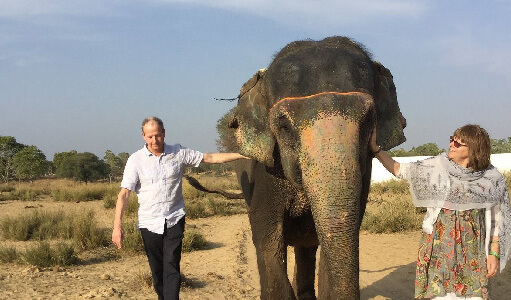
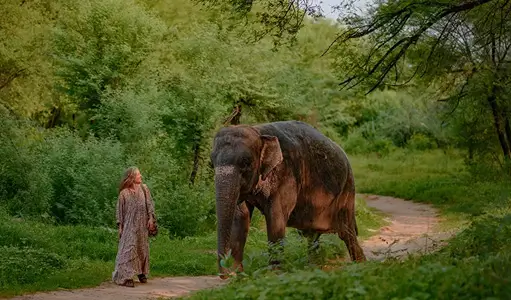
Another aspect of elephant emotional intelligence is their interaction with humans. In environments where elephants are treated with care and respect, they often respond with calm and cooperative behavior. This suggests that elephants are capable of forming associations based on experience and adjusting their responses accordingly.
padding:15px">
Step beyond ordinary sightseeing and spend meaningful time with rescued elephants in a natural environment. Learn about their behavior, social bonds, and fascinating personalities while supporting responsible and ethical elephant tourism.
Communication among elephants is not limited to visible actions or sounds that humans can easily detect. They use a combination of vocalizations, body language and even low-frequency sounds that travel over long distances.
These communication methods allow elephants to coordinate movement, warn of danger and maintain group cohesion. Younger elephants learn these signals over time, indicating a process of knowledge transfer within the group.
Learning in elephants is often observational. Calves watch older members of the group and gradually adopt behaviors that are necessary for survival. This includes foraging techniques, navigation and social interaction. The learning process is continuous and evolves as the elephant matures.
The ability to communicate effectively and learn from others reinforces the overall structure of elephant intelligence. It shows that their knowledge is not isolated but shared and developed collectively.
In ethical environments where elephants are treated with respect, their intelligence becomes more visible. Without stress or pressure, elephants are able to express natural behaviors, making it easier to observe their cognitive abilities.
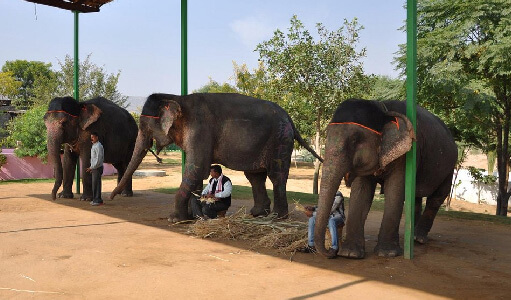
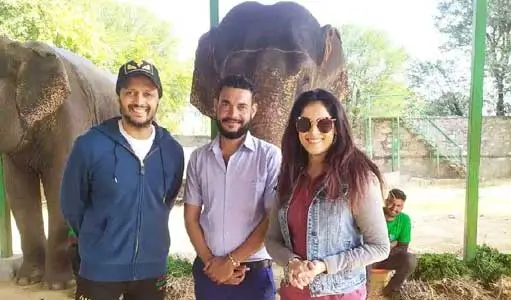
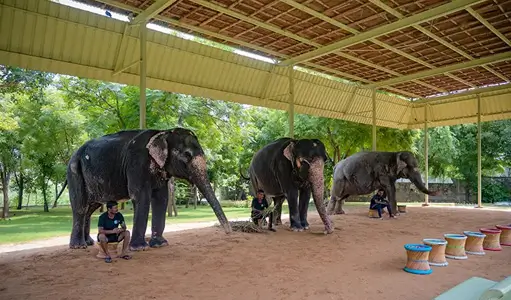
Places like Elefantastic provide an opportunity to understand elephants beyond surface-level interaction. Visitors can observe how elephants respond to different situations, how they communicate and how they engage with their environment.
Such environments highlight the importance of ethical treatment. When elephants are not subjected to forced activities, their behavior reflects curiosity, awareness and a willingness to interact in a calm manner. This provides a more accurate representation of their true intelligence.
Understanding elephants in this context also helps shift perception. Instead of viewing them as animals for entertainment, they are recognized as intelligent beings with complex cognitive and emotional capabilities.
Elephants demonstrate advanced memory, emotional awareness and problem-solving skills. Their ability to adapt behavior, recognize individuals and use tools places them among the most intelligent species.
Yes, elephant memory is highly developed. They can recall locations, individuals and past experiences, which helps them navigate environments and maintain social bonds.
Elephants are capable of solving multi-step problems. They can use objects as tools and adjust their approach when faced with obstacles, showing flexible thinking.
Elephants display emotional responses such as empathy, bonding and signs of grief. Their reactions indicate a deep level of emotional intelligence.
Elephants use vocal sounds, body language and low-frequency signals to communicate over long distances and maintain group coordination.
Elephants can recognize humans and remember past interactions. Their response often depends on whether previous experiences were positive or negative.
Yes, younger elephants learn by observing older members of the group. This includes survival skills, communication and social behavior.
Understanding elephant intelligence helps promote ethical treatment and conservation, ensuring that these animals are respected and protected.
Ethical environments like Elefantastic Jaipur allow visitors to observe elephants in a natural and respectful setting without forced activities.
Yes, elephants can retain memories of negative experiences, which may influence their future behavior and interactions.