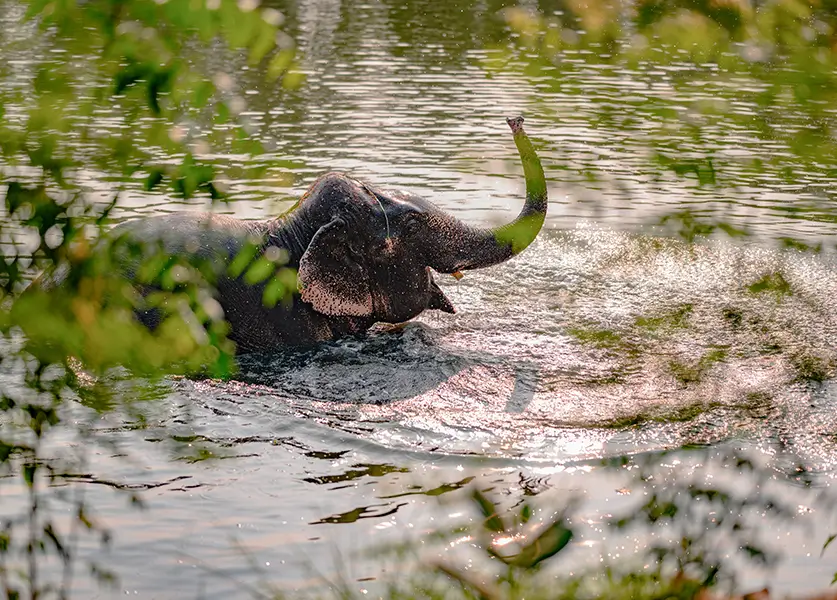
In a country where elephants have long been symbols of royalty and spirituality, elephant conservation in India has become more important than ever. While many sanctuaries and organizations claim to care for elephants, only a few truly commit to long-term, ethical, and sustainable practices. One shining example is Elefantastic, located in Jaipur, Rajasthan. This sanctuary has transformed the way people think about elephant tourism by focusing on real, on-ground conservation work rather than commercial exploitation.
In this blog, we'll take a closer look at how Elefantastic goes beyond tourism to contribute meaningfully to elephant welfare, protection, and awareness in India.
Responsible wildlife tourism in India has grown significantly in recent years, with more travelers actively seeking out ethical elephant sanctuary experiences in Jaipur rather than venues offering rides or performances. Understanding how to visit elephants ethically in India starts with knowing what genuine conservation work looks like on the ground - which is exactly what this blog explores.
Before diving into what Elefantastic does, it's essential to understand what elephant conservation involves. It's not just about rescuing elephants from abusive environments - though that is a major part of it. True conservation includes:
This holistic approach is exactly what sets Elefantastic apart.
At Elefantastic Jaipur, many elephants have been rescued from places where they were overworked, mistreated, or forced to perform. These elephants often come with deep physical injuries and emotional scars.
Elefantastic's first step is always individual care and assessment. Each elephant receives:
Unlike commercial centers that rush elephants into tourist programs, Elefantastic gives them time, space, and respect.
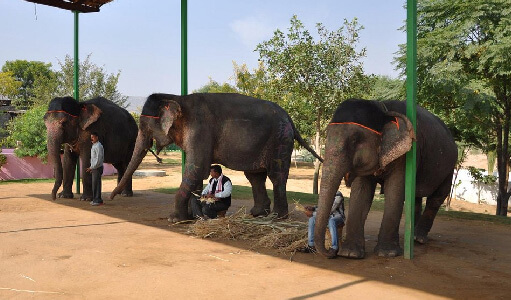
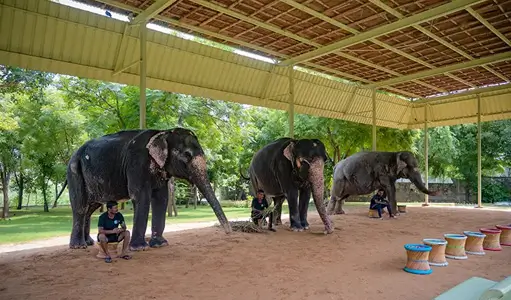
The sanctuary runs a structured, non-stressful daily routine designed to give elephants a balanced lifestyle. A typical day includes:
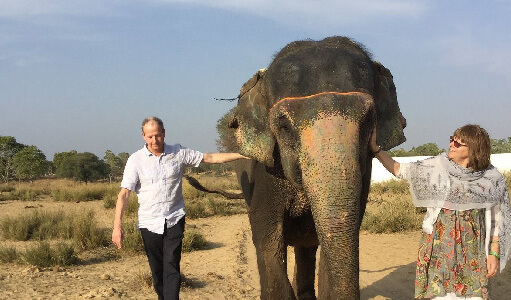
The sanctuary does not chain elephants unnecessarily and ensures that their time with guests is limited, respectful, and optional.
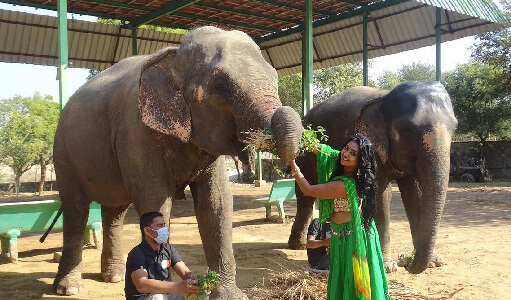
Every visit to Elefantastic helps support rescued elephants through ethical care, nutritious food, veterinary attention, and responsible tourism. Experience meaningful interactions while contributing to a better future for these gentle giants.
One of the pillars of elephant care in India is regular health monitoring. Elefantastic has a network of qualified veterinarians who:
The team is trained to detect early signs of stress, dehydration, and fatigue, making sure no elephant is ever pushed beyond its limits.
A core part of ethical elephant tourism in India is education. Visitors to Elefantastic don't just spend time with elephants - they learn about them:
By transforming tourists into advocates, Elefantastic builds a community of conscious travelers who care.
This educational approach is a big part of what makes the no-ride elephant experience at Elefantastic different from typical tourist elephant camps. Guests leave not just with photographs, but with a clearer understanding of what responsible wildlife tourism in India actually requires.
Behind every well-cared-for elephant is a dedicated mahout - a traditional elephant caretaker. Elefantastic invests in mahout training and provides:
This dual-focus on elephants and people ensures the entire ecosystem of care is sustainable.
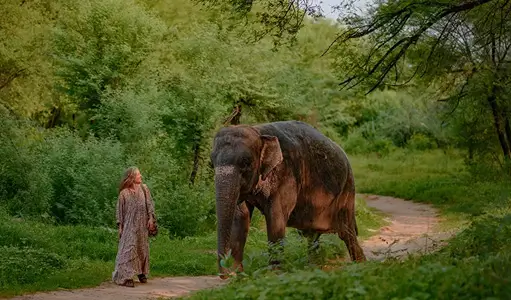
Elefantastic strictly follows a no elephant riding policy. Instead, it offers alternatives that are just as enjoyable, including:
Choose an elephant experience that puts welfare first. Walk alongside rescued elephants, learn their inspiring stories, and support a sanctuary committed to compassionate care, conservation awareness, and sustainable tourism.
These experiences allow for emotional connection without exploitation - the very heart of humane elephant experiences in India.
Alongside its conservation work, Elefantastic also offers:
These tours are planned with the same care and responsibility as the elephant programs, ensuring that your entire journey through India is ethical, safe, and memorable.
Conservation doesn't end when a visit does. Travelers who want to continue supporting ethical elephant care in India can:
This kind of continued engagement is what turns a single ethical experience into long-term support for elephant welfare across India.
Email: hello@elefantastic.in
Mobile / WhatsApp: +91-8094253150
Elefantastic offers extended visits and educational programs for guests who want deeper engagement with elephant care and conservation beyond a standard visit.
Look for a clear no-ride, no-performance policy, visible veterinary care, staff who explain each elephant's rescue story, and interactions that the elephant can opt out of.
Elephant conservation involves protecting elephants from abuse, preserving their natural habitats, and ensuring ethical treatment through long-term care and awareness.
Elefantastic rescues abused elephants, provides medical care, and promotes ethical, non-exploitative human-elephant interactions.
Yes. Many elephants at Elefantastic were rescued from temples, circuses, or tourism centers where they were overworked or mistreated.
The elephant receives medical attention, rest, emotional care, and a new life of freedom in a natural, peaceful environment.
Yes. They are not chained unnecessarily and can move, rest, and interact naturally.
No. Elefantastic focuses on care and rehabilitation, not breeding or commercial use of elephants.
They undergo regular vet checkups, receive vaccinations, and are treated for injuries or age-related issues.
Yes. Guests learn about ethical tourism, elephant behavior, and how to support conservation efforts worldwide.
It blends tourism with real conservation. There are no performances or rides — only ethical and educational experiences.
No. Elephants are never forced to participate. If they are tired or prefer solitude, they are allowed to rest.
Elefantastic employs local staff and educates nearby communities on elephant care and animal rights.
Absolutely not. Trick training is abusive and goes against the sanctuary’s core values.
Yes. Elefantastic accepts donations and sponsorships that directly support elephant care and rescue.
Mahouts are trained in ethical care practices and receive fair wages and medical support from Elefantastic.
Yes, it works with animal welfare groups, schools, and conservationists to expand its impact.
Yes. Visitors are introduced to each elephant’s background and recovery journey.
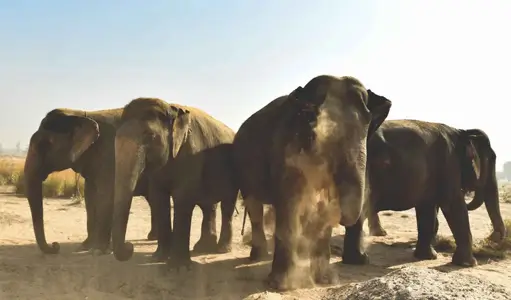
Activities include mud baths, walks, feeding sessions, and gentle human interaction that keeps them mentally active.
Yes. While Elefantastic is a sanctuary, it promotes larger conversations about forest preservation and habitat security.
Yes. It hosts educational visits and workshops on ethical wildlife care and conservation.
Visit ethical sanctuaries like Elefantastic, avoid riding or performance-based venues, and share your experience to inspire others.