India’s wildlife has fascinated travelers for centuries. From dense forests and open grasslands to ancient migratory corridors, the country offers extraordinary biodiversity. Yet fascination alone no longer drives travel decisions. Foreign tourists today approach wildlife experiences with caution, curiosity, and responsibility. They want assurance that animals are treated with dignity and that tourism supports protection rather than exploitation.
This shift has reshaped how wildlife experiences are designed and chosen. Ethical wildlife experiences in India have become the benchmark for trust, attracting travelers who value transparency, compassion, and authenticity. Trust is not built through marketing language, but through visible care, respectful interaction, and consistent standards.
At elefantastic, trust is understood as a relationship. It grows when travelers see how animals live, how communities are involved, and how choices create impact beyond the visit itself.
Trust sits at the center of responsible wildlife travel. Many foreign tourists arrive with mixed expectations—wonder balanced with concern. Stories of exploitation have raised awareness, making travelers more selective.
Ethical wildlife experiences address this concern directly. They replace uncertainty with clarity and fear with confidence. When travelers trust an experience, they engage more deeply and leave with positive memories.
Trust also protects wildlife. Experiences built on trust discourage harmful practices and reward care-focused models.
Ethical wildlife experiences are defined by how animals live when no visitors are present. Welfare is continuous, not situational.
Key principles include animal autonomy, absence of coercion, respect for natural behavior, and transparent care practices. Ethical experiences avoid forced interaction, performances, and unnatural routines.
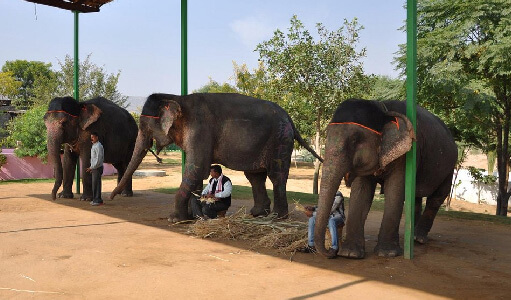
Foreign tourists learn to recognize these indicators. They look for calm animals, patient caretakers, and environments that prioritize space and choice.
Make your journey meaningful by supporting ethical wildlife experiences that prioritize animal welfare over entertainment.
Transparency builds credibility faster than any promise. Ethical wildlife experiences openly share how animals are fed, cared for, and monitored.
Visitors see daily routines rather than curated moments. Caretakers explain decisions honestly, acknowledging limitations and challenges.
This openness reassures travelers. It transforms curiosity into confidence and supports informed decision-making.
India’s wildlife tourism landscape is evolving. Increased awareness, global standards, and traveler expectations have encouraged ethical reform.
Many wildlife experiences now focus on conservation-based tourism, community involvement, and education through observation. These initiatives attract travelers seeking depth rather than thrill.
This movement reflects India’s potential to lead globally in responsible wildlife travel.
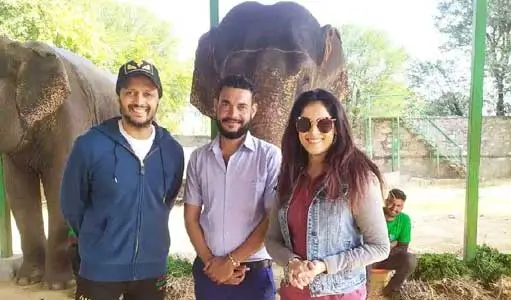
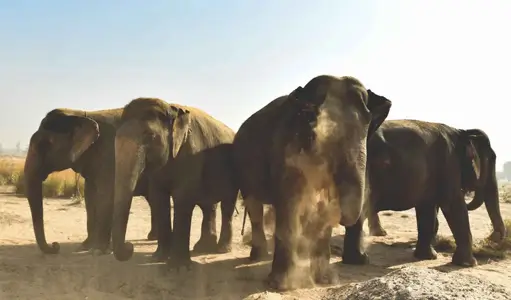
Elephants often serve as a litmus test for ethical wildlife tourism. Their intelligence and sensitivity make exploitation visible.
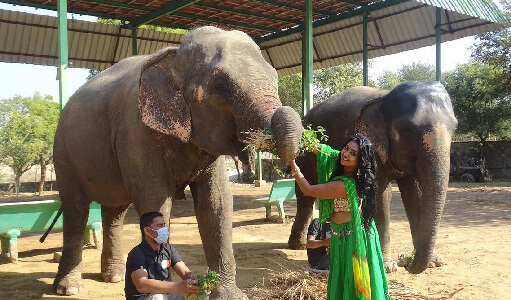
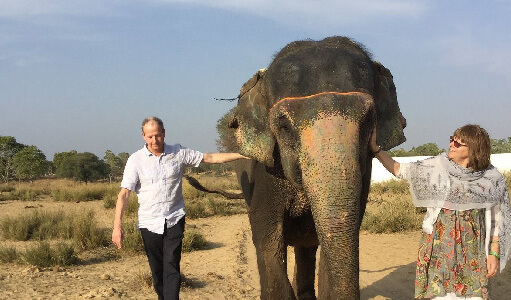
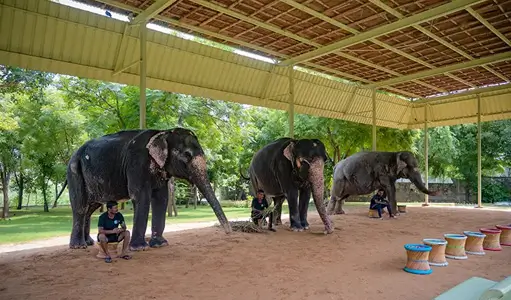
Ethical elephant experiences prioritize dignified living conditions, voluntary interaction, and long-term care. Riding and performance-based activities are avoided entirely.
Foreign tourists recognize these standards quickly. Calm behavior and natural routines signal ethical integrity.
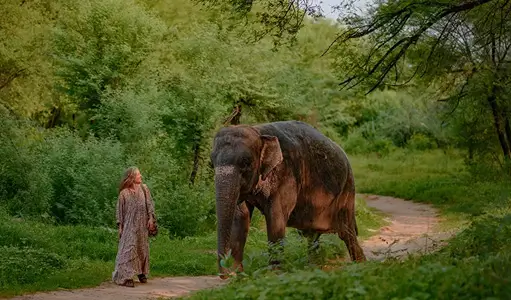
Observation-based experiences build trust by minimizing intrusion. Visitors watch animals behave naturally without pressure or pursuit.
This approach applies to elephants, birds, and other species. It encourages patience and respect, aligning with modern travel values.
Foreign tourists appreciate learning through presence rather than control.
Ethical wildlife tourism often involves local communities as caretakers, guides, and conservation partners. Their involvement reflects long-term commitment rather than short-term profit.
Foreign tourists value experiences that support local livelihoods while protecting wildlife. This social impact adds credibility and meaning.
Community participation also ensures cultural sensitivity and continuity.
Safety is integral to trust. Ethical wildlife experiences emphasize calm interaction, clear guidelines, and professional supervision.
Animals are not placed in stressful situations for visitor access. This reduces risk for both animals and people.
Foreign tourists feel reassured knowing safety and ethics coexist rather than compete.
Memories formed through ethical encounters carry emotional depth. Travelers remember moments of stillness, observation, and connection.
These memories differ from adrenaline-driven experiences. They feel personal and reflective.
Such memories often influence future travel choices, reinforcing demand for ethical tourism.
Foreign tourists today research extensively. Reviews, certifications, and firsthand accounts influence decisions.
Ethical wildlife experiences earn trust through consistency. Positive feedback highlights calm environments and respectful care.
This research-driven approach rewards transparency and accountability.
At elefantastic, trust is built through openness and care. Experiences are designed around animal welfare rather than visitor expectation.
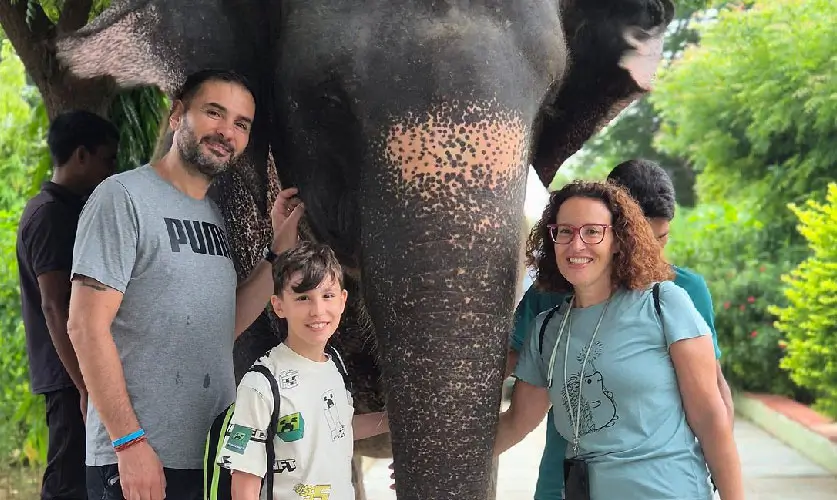
Guests observe daily life, ask questions, and engage respectfully. This process fosters understanding and confidence.
Elefantastic’s approach reflects the values foreign tourists seek when choosing ethical wildlife experiences in India.
Authenticity emerges when animals are allowed to be themselves. Ethical experiences avoid scripting and staging.
Foreign tourists recognize authenticity through calm behavior and natural interaction. This authenticity enhances satisfaction.
Travel becomes meaningful rather than performative.
Ethical wildlife tourism raises awareness organically. Visitors learn about ecosystems, threats, and protection through observation.
This learning fosters empathy and responsibility. Travelers leave with greater appreciation and understanding.
Such awareness supports long-term conservation goals.
Space is essential for ethical wildlife care. Animals require freedom to move, rest, and socialize.
Ethical experiences prioritize natural habitats and open environments. Visitors sense this difference immediately.
Space reinforces trust by signaling respect.
Ethical principles transcend cultural boundaries. Compassion, respect, and responsibility resonate universally.
Foreign tourists from diverse backgrounds find common ground in ethical wildlife experiences.
This universality strengthens India’s appeal as a responsible wildlife destination.
Ethical wildlife experiences represent a shift away from exploitative models. They prioritize sustainability over spectacle.
Foreign tourists increasingly reject experiences that compromise welfare. Ethical alternatives gain preference.
This shift influences industry standards and expectations.
Ethical wildlife experiences educate without preaching. Visitors learn naturally through exposure and conversation.
This gentle approach respects traveler autonomy and encourages reflection.
Education becomes empowering rather than instructive.
Discover how ethical wildlife tourism is transforming travel in India. Learn, observe, and engage with animals in environments.
Trust does not end with a visit. Travelers continue to share experiences, recommend destinations, and advocate for ethical tourism.
Ethical wildlife experiences benefit from this ripple effect. Trust extends beyond individuals to influence broader perceptions.
This long-term relationship strengthens the ethical tourism ecosystem.
Foreign tourists often form impressions of a country through wildlife encounters. Ethical experiences shape positive narratives.
India’s commitment to ethical wildlife tourism enhances its global reputation.
This reputation attracts travelers aligned with responsible values.
Awareness guides ethical choices. Foreign tourists learn to ask questions, observe conditions, and seek transparency.
Ethical providers welcome this awareness. It reinforces accountability and trust.
Travel becomes a conscious act.
Trust cannot be claimed through words alone. It is earned through consistent action and visible care.
Ethical wildlife experiences demonstrate this through daily practice.
Foreign tourists recognize authenticity quickly.
Ethical wildlife tourism is a shared responsibility. Providers maintain standards; travelers choose responsibly.
This partnership supports animals, communities, and ecosystems.
Trust flourishes when responsibility is shared.
Ethical wildlife experiences endure because they align with evolving values. They offer meaning, respect, and connection.
Foreign tourists increasingly seek such alignment.
India’s ethical wildlife offerings meet this demand.
They are wildlife encounters that prioritize animal welfare, transparency, and responsible interaction.
Because they offer clarity, dignity, and respect rather than exploitation.
By observing animal behavior, asking questions, and seeking transparency.
Yes, they emphasize calm interaction and professional care.
They support awareness, care, and sustainable livelihoods.
Their intelligence and sensitivity make welfare standards visible.
Yes, it creates sustainable employment and shared responsibility.
Through transparency, care-focused design, and ethical principles.
Many travelers find them emotionally deeper and more authentic.
Yes, as awareness and demand for responsible travel continue to rise.