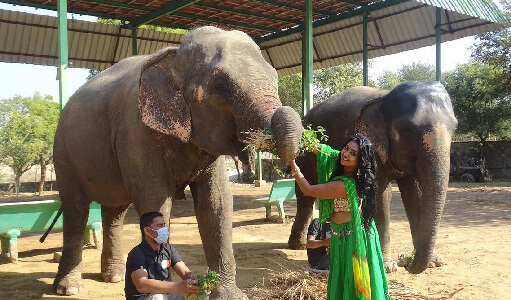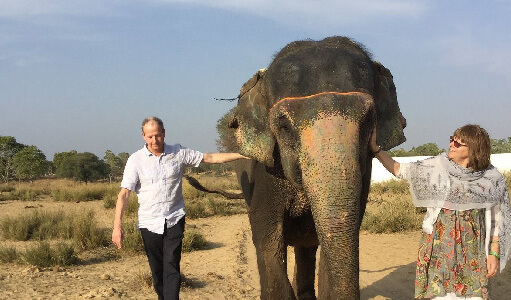
The idea of elephant trekking in Jaipur has undergone a significant transformation. What was once viewed purely as a sightseeing activity is now being redefined through responsibility, awareness, and respect for animal welfare. Modern travelers are no longer satisfied with surface-level encounters. They want to understand how elephants live, how they are treated, and how cultural traditions can exist alongside ethical care.
A responsible approach to elephant trekking in Jaipur focuses on balance. It acknowledges the historical and cultural role of elephants in Rajasthan while adapting to contemporary standards of animal welfare. This balance allows visitors to experience tradition without compromising ethics, creating a journey that feels meaningful rather than exploitative.
Elephant trekking, when approached responsibly, becomes a cultural narrative rather than a commercial activity. It offers insight into Jaipur’s heritage, the bond between humans and elephants, and the evolving understanding of ethical tourism.
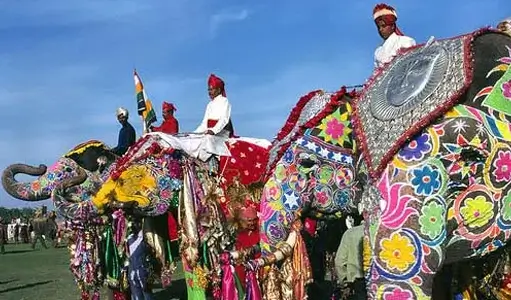
Elephants have long held a place of honor in Jaipur’s royal history. They were symbols of power, prestige, and ceremonial importance. Traditional processions, festivals, and royal events often featured elephants as dignified participants rather than entertainment objects.
Understanding this background is essential when discussing elephant trekking in Jaipur. The activity did not originate as a tourist attraction, but as part of cultural tradition. A responsible experience respects this origin and avoids turning heritage into spectacle.
By placing trekking within its cultural context, visitors gain a deeper appreciation of how traditions have evolved and why ethical considerations now play a vital role in preserving dignity for elephants.
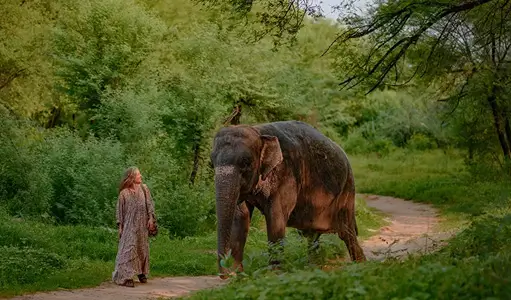
Responsible elephant trekking in Jaipur is generally a walking-paced activity rather than a strenuous trek, making it accessible to most fitness levels, including older travelers and families with older children. Comfortable closed shoes, light clothing, sun protection, and water are recommended, especially between April and June. The cooler months of October through March remain the most pleasant window, with mild mornings well suited to a relaxed walking pace alongside the elephants.
Responsible elephant trekking in Jaipur does not prioritize volume or speed. It emphasizes calm, control, and respect. The focus shifts away from constant activity and toward mindful interaction.
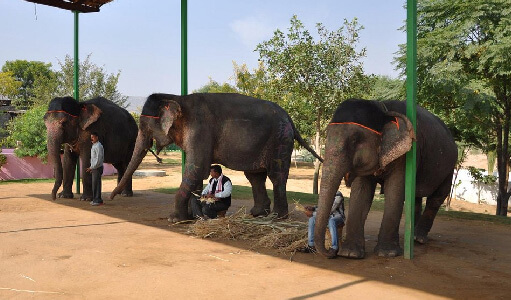
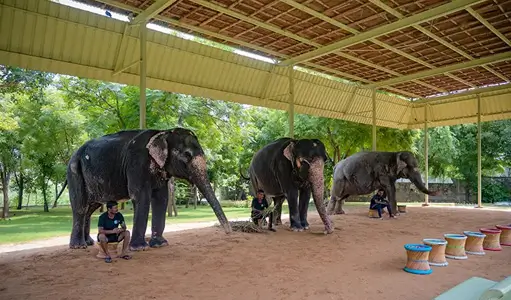
Elephants involved in responsible trekking are given proper care, rest, and attention. Their physical and emotional well-being is prioritized, ensuring that trekking activities do not cause stress or discomfort. This redefinition aligns with global expectations for ethical wildlife tourism.
Visitors are encouraged to observe rather than demand. This change in perspective transforms trekking into a reflective experience grounded in respect.
Explore Jaipur with a responsible elephant trekking tour, rich in culture, village life and unforgettable memories with trained local guides.
Ethical care forms the foundation of responsible elephant trekking in Jaipur. Elephants require consistent routines, balanced diets, and attentive supervision. Trekking activities are planned around these needs rather than forcing elephants to adapt to rigid schedules.
Caregivers play a crucial role in maintaining this balance. Their relationship with the elephants is built on trust and understanding. Observing this bond offers visitors insight into the daily realities of elephant care.
This transparency reassures travelers that their experience supports ethical practices rather than exploitation.
A responsible elephant trekking in Jaipur experience is guided by knowledgeable professionals who explain each aspect of the interaction. Guides provide cultural context, explain ethical guidelines, and ensure that visitors understand how to engage respectfully.
This guidance fosters informed participation. Visitors are not passive observers but active learners. They gain understanding of elephant behavior, communication, and welfare considerations.
Guided trekking also enhances safety and comfort for both elephants and guests. Clear communication ensures that boundaries are respected at all times.
Cultural storytelling enriches elephant trekking in Jaipur by connecting the activity to its historical roots. Stories of royal traditions, ceremonial roles, and evolving practices help visitors contextualize their experience.
This narrative approach transforms trekking into a cultural journey. It emphasizes continuity rather than disruption, showing how tradition can adapt responsibly.
Heritage awareness deepens appreciation and reinforces the importance of ethical preservation.
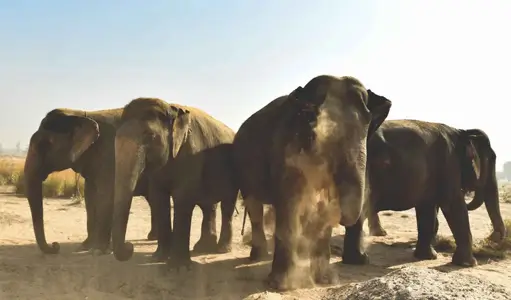
Environment influences behavior. Responsible elephant trekking in Jaipur takes place in calm settings that minimize noise, crowding, and pressure. This atmosphere allows elephants to remain relaxed and visitors to engage thoughtfully.
A peaceful environment encourages observation and reflection. It reduces stress and enhances the quality of interaction. Visitors often find that this calmness leads to more meaningful moments.
Respectful surroundings are essential for ethical trekking experiences.
Responsible trekking requires cooperation from visitors. During elephant trekking in Jaipur, guests are guided on appropriate behavior, including maintaining calm energy and respecting boundaries.
This shared responsibility strengthens the ethical framework of the experience. Visitors become partners in welfare rather than consumers of entertainment.
Ethical awareness extends beyond the trek itself, influencing future travel choices and attitudes toward wildlife tourism.
Join a cultural elephant trekking tour with local experts — deep traditions, scenic routes & meaningful wildlife connection.
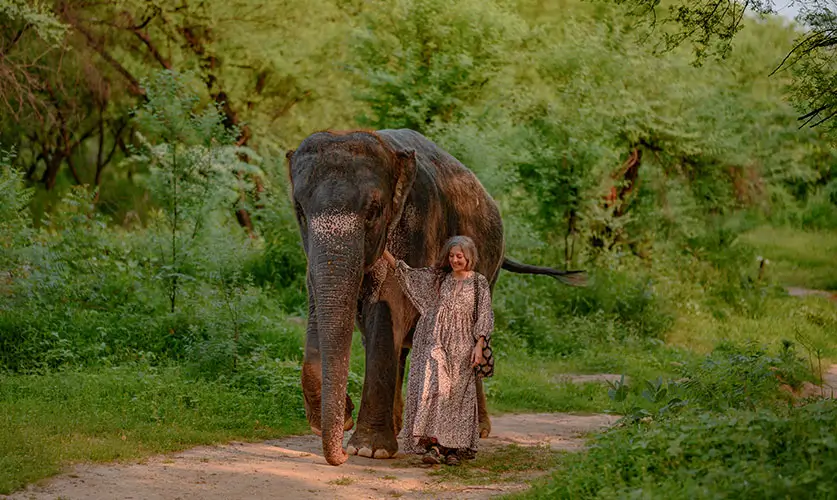
Ethical elephant trekking in Jaipur often creates a strong emotional response. Observing elephants in a respectful setting fosters empathy and reflection.
Visitors frequently describe feelings of connection and humility. These emotions arise naturally from mindful interaction rather than forced engagement.
Reflective travel encourages deeper understanding and lasting impact.
Transparency builds trust. Responsible providers of elephant trekking in Jaipur openly communicate care practices, limitations, and ethical commitments.
Visitors are encouraged to ask questions and engage in dialogue. This openness reassures guests that their participation aligns with responsible standards.
Trust enhances the overall experience and reinforces credibility.
Sustainability ensures that elephant trekking in Jaipur can continue responsibly. Long-term welfare planning prioritizes health, comfort, and dignity over short-term gains.
Ethical trekking models focus on education, controlled visitor numbers, and consistent care routines. This approach supports elephants throughout their lives.
Sustainability benefits both animals and the future of ethical tourism.
Modern travelers seek experiences aligned with their values. Responsible elephant trekking in Jaipur meets these expectations by combining cultural insight with ethical care.
Travelers increasingly recognize their role in shaping tourism practices. Choosing responsible trekking supports positive change.
This shift reflects a broader movement toward conscious travel.
Responsible trekking offers meaningful cultural engagement rather than superficial activity. Elephant trekking in Jaipur becomes a way to explore heritage thoughtfully.
Visitors gain insight into Rajasthan’s traditions while supporting ethical evolution. This balance enhances cultural appreciation.
Meaningful engagement fosters respect and understanding.
Choosing responsible elephant trekking in Jaipur reflects a commitment to ethical travel. It prioritizes welfare, education, and cultural respect.
This choice ensures that experiences remain enriching, respectful, and sustainable.
It prioritizes elephant welfare, calm interaction, and ethical care.
No, responsible trekking respects comfort and natural behavior.
Yes, cultural heritage is explained and respected.
Guides ensure safety, education, and ethical interaction.
Yes, when conducted responsibly and calmly.
It reduces stress and supports long-term care.
Open communication is encouraged.
Yes, it focuses on long-term welfare.
It emphasizes respect rather than entertainment.
It aligns travel with ethical and cultural values.