For travelers who seek more than sightseeing, Jaipur offers a rare opportunity to connect with wildlife in a way that feels personal, meaningful, and deeply respectful. Among the city’s many cultural and natural attractions, the elephant feeding experience in Jaipur stands out as a moment of quiet connection between humans and one of the world’s most intelligent and emotionally complex animals. This experience is not designed around spectacle or entertainment. It is built around care, trust, and understanding - values that resonate strongly with travelers from the USA, UK, Australia, Canada, and Europe who are increasingly conscious about how animals are treated in tourism.
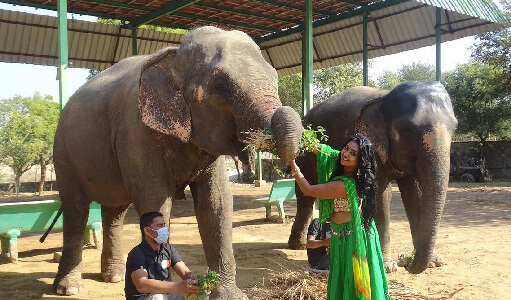
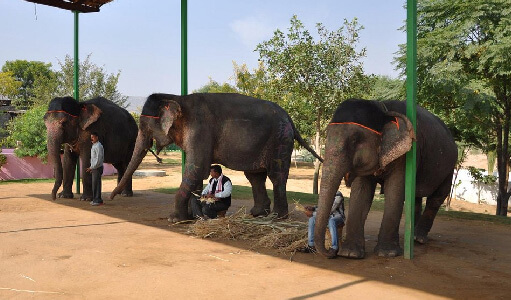
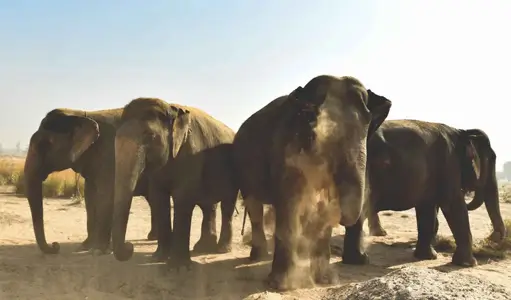
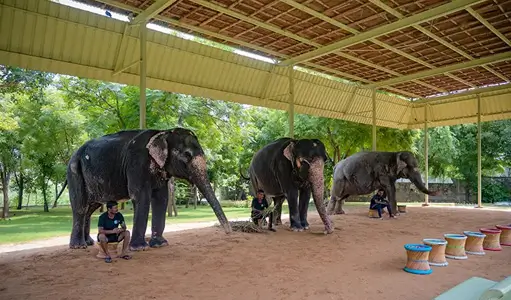
Unlike traditional wildlife activities that place animals on display, ethical elephant feeding experiences in Jaipur invite visitors into the elephants’ daily rhythm. Guests are welcomed into a calm environment where elephants live in open spaces, surrounded by caretakers who have spent years building bonds based on trust rather than control. Feeding becomes a shared moment rather than a performance, allowing visitors to observe behavior, personality, and intelligence at close range.
The appeal of this experience lies in its simplicity. Offering food by hand, watching an elephant gently grasp fruits with its trunk, and observing subtle communication between elephants and caretakers creates a connection that feels authentic. Travelers often describe it as grounding, emotional, and unexpectedly educational. It transforms how people view elephants—not as tourist attractions, but as individuals with histories, preferences, and social needs.
Ethical elephant feeding is fundamentally different from staged animal encounters. The emphasis is placed on the elephant’s comfort, health, and autonomy. Elephants are not forced to interact. Feeding sessions are timed around their natural routines, and participation depends on the animal’s willingness. This approach aligns with global expectations around responsible wildlife tourism, where animal welfare takes precedence over visitor entertainment.
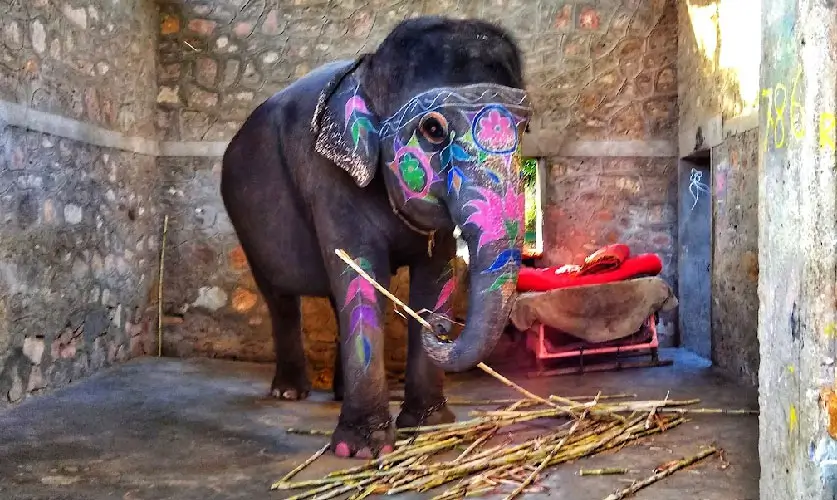
In Jaipur, ethical elephant facilities focus on rescued or retired elephants who can no longer be part of traditional working environments. Feeding is part of their daily care, not an added attraction. Visitors simply join this routine under the guidance of trained caretakers. This transparency reassures travelers who are concerned about animal exploitation and are actively searching for ethical elephant experiences in India.
For international visitors, especially families and solo travelers seeking meaningful experiences, this approach builds trust. Knowing that their visit supports care, nutrition, and long-term welfare adds emotional value that goes far beyond photographs.
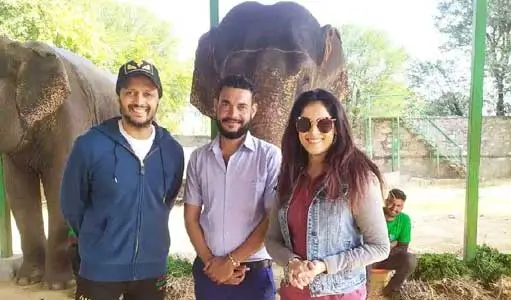
Get ready for a heartwarming experience as you come close to the gentle giants of Jaipur.
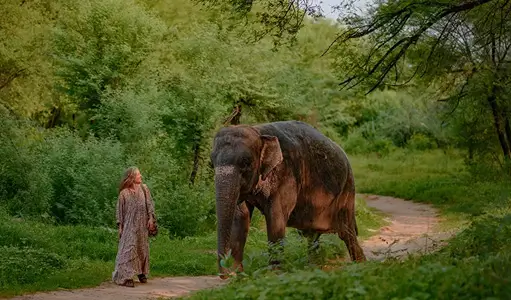
Jaipur’s landscape plays a significant role in shaping these encounters. Surrounded by hills, forests, and open countryside, the city provides an environment where elephants can live in spacious, natural settings rather than confined enclosures. This natural backdrop enhances the feeding experience, allowing guests to observe elephants in surroundings that encourage natural behavior.
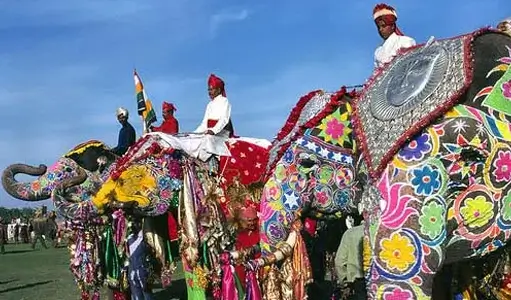
The city’s long association with elephants also adds depth. Elephants have been part of Rajasthan’s cultural history for centuries, and modern ethical experiences are shaped by a desire to honor that heritage without repeating past practices that prioritized labor over welfare. This evolution is particularly appealing to travelers who appreciate destinations that acknowledge tradition while embracing responsible change.
The elephant feeding experience in Jaipur also benefits from accessibility. Jaipur’s excellent connectivity makes it easy for international travelers to include this activity within a broader itinerary, whether they are visiting forts, palaces, or nearby wildlife zones. The experience fits seamlessly into half-day or full-day schedules without feeling rushed.
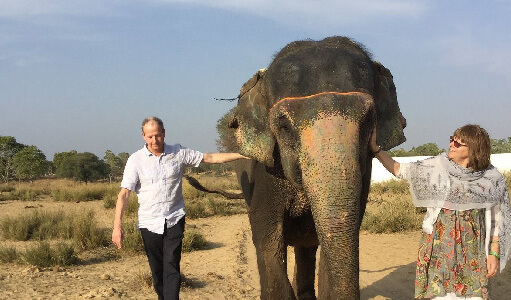
Feeding an elephant is a profoundly sensory experience. The warmth of the elephant’s skin, the strength and dexterity of the trunk, and the gentle pace of interaction leave a lasting impression. Many travelers are surprised by how expressive elephants are—through eye movement, posture, and subtle vocal sounds.
This emotional connection often becomes the highlight of a Rajasthan journey. Visitors frequently reflect on how the experience reshapes their understanding of wildlife. It encourages empathy and respect, especially for travelers who may never have encountered large animals in such a calm, personal setting.
For children and adults alike, the experience fosters awareness about conservation and ethical tourism. It becomes a story shared long after the trip ends, reinforcing the value of choosing experiences that align with personal ethics.
Education is woven naturally into the feeding experience. Caretakers explain dietary needs, health routines, and behavioral traits while visitors observe these principles in practice. Learning happens organically, without lectures or structured demonstrations. This immersive approach appeals strongly to travelers who prefer experiential learning over passive observation.
Guests gain insight into how elephants communicate, how their diet supports physical and emotional health, and how long-term care differs from short-term tourism activities. This knowledge builds appreciation and reinforces why ethical standards matter in wildlife tourism.
The ethical elephant feeding experience also highlights the role of local communities. Caretakers often come from nearby villages, and their livelihoods depend on maintaining high welfare standards. Visitors indirectly support sustainable employment that prioritizes animal care over exploitation.
Travelers from Western countries increasingly research animal experiences before booking. Concerns around captivity, training methods, and forced interaction influence decision-making. Jaipur’s ethical elephant feeding options address these concerns directly by offering transparency and authenticity.
The absence of riding, performances, or unnatural behavior reassures visitors that their participation does not contribute to harm. Instead, it supports long-term welfare initiatives. This alignment with global travel values makes Jaipur a preferred destination for ethical wildlife encounters.
Many luxury travelers also appreciate that ethical does not mean basic. Experiences are often well-organized, thoughtfully designed, and supported by knowledgeable guides who understand international expectations. Comfort, safety, and professionalism coexist with compassion.
The Jaipur Elephant Feeding Experience is a unique activity that allows visitors to interact closely with gentle elephants in a safe and ethical environment.
Elephant feeding experiences integrate effortlessly into a Jaipur travel plan. Visitors often schedule them alongside cultural landmarks, creating a balanced itinerary that blends heritage with nature. The calm pace of the feeding session provides a refreshing contrast to busy city exploration.
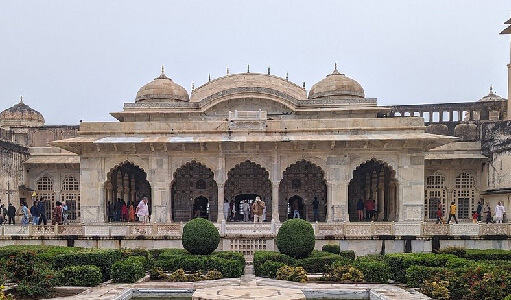
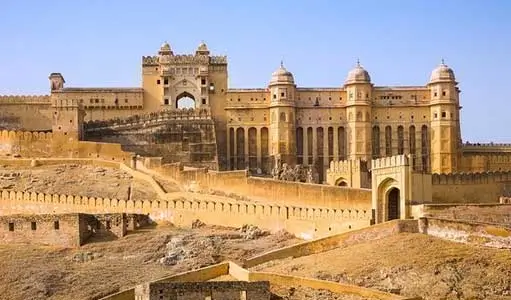
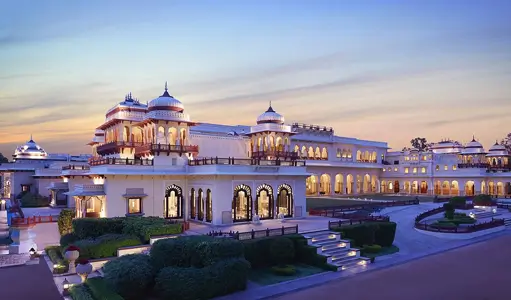
For travelers staying in luxury hotels or boutique heritage properties, this experience adds depth to the journey. It introduces a softer side of Jaipur that complements its architectural grandeur. Many visitors consider it a restorative pause that enhances their overall travel experience.
The flexibility of timing also makes it suitable for families, couples, and solo travelers. Morning sessions align with cooler temperatures, while afternoon visits allow for relaxed exploration without physical strain.
Choosing the right elephant feeding experience is essential. Ethical providers prioritize veterinary care, proper nutrition, and freedom of movement. Elephants are not chained, overworked, or compelled to interact. Visitors are encouraged to observe and participate respectfully rather than seek control or dominance.
This emphasis on responsibility aligns with broader trends in conscious travel. Travelers increasingly recognize that their choices have impact. By selecting ethical elephant experiences in Jaipur, visitors contribute to a model of tourism that values life, dignity, and sustainability.
The elephant feeding experience represents a shift in how wildlife tourism is perceived. Instead of thrill-seeking or spectacle, it focuses on presence and awareness. This approach resonates with travelers who seek emotional connection rather than adrenaline.
In Jaipur, this shift is particularly meaningful. The city demonstrates how destinations can evolve, offering experiences that honor animals while still engaging visitors. It sets an example for responsible tourism across India.
Travel memories are often defined by moments that feel real and personal. Feeding an elephant in a respectful environment creates such a moment. Visitors leave with more than photographs—they carry a deeper understanding of coexistence and responsibility.
This experience often influences future travel decisions. Guests become more mindful of how animals are treated and seek similar ethical encounters elsewhere. In this way, the impact of the elephant feeding experience in Jaipur extends far beyond the visit itself.
The experience typically includes guided interaction, food preparation, hand-feeding, and time to observe elephants in their natural environment while learning about their care.
Yes, ethical facilities prioritize safety and supervision. Trained caretakers guide all interactions to ensure comfort for both visitors and elephants.
Most ethical experiences involve rescued or retired elephants who are no longer used for labor and live in protected environments.
Sessions usually last several hours, allowing enough time for relaxed interaction without rushing or pressure.
Yes, it is suitable for children under supervision, offering educational value and gentle interaction.
No, feeding follows a controlled diet planned by caretakers and veterinarians to support health and nutrition.
Touching may be allowed if the elephant is comfortable, but interaction is always guided and respectful.
Feeding respects natural behavior and avoids physical strain, while riding often involves harmful training practices.
Yes, visitor participation helps fund care, food, medical treatment, and sustainable livelihoods for caretakers.
Advance booking is advised due to limited capacity and the personalized nature of ethical experiences.