Travel has changed significantly over the past decade. Modern travelers are no longer satisfied with simply visiting famous landmarks or collecting photographs from popular attractions. Today's visitors want meaningful experiences that create lasting memories while aligning with their values. This shift has transformed many aspects of tourism, particularly wildlife tourism.
Among the most noticeable changes is the growing preference for ethical elephant experiences over traditional elephant rides. Around the world, travelers are becoming more aware of animal welfare, conservation and responsible tourism practices. As a result, many visitors now seek opportunities to learn about elephants, understand their behavior and interact with them in ways that prioritize respect and wellbeing.
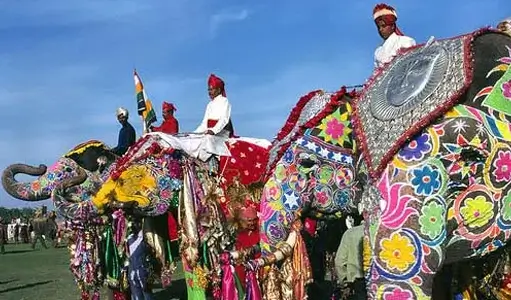
For generations, elephant rides were often promoted as a popular tourist activity. Many travelers viewed them as an opportunity to get close to these magnificent animals. However, increased awareness about elephant welfare has encouraged visitors to ask deeper questions about how elephants live, what they need and what kinds of interactions are truly beneficial.
The answer has led many people toward a different type of experience. Rather than sitting on an elephant for a brief ride, travelers increasingly prefer spending time observing, learning and connecting with elephants in more meaningful ways. These experiences often focus on education, conservation and understanding rather than entertainment alone.
An elephant experience in Jaipur or other responsible wildlife destinations offers something that a ride never can. It allows visitors to appreciate elephants as intelligent, emotional and socially complex animals. Instead of viewing elephants simply as a means of transportation, guests begin to see them as individuals with personalities, relationships and fascinating life stories.
This change represents more than a tourism trend. It reflects a broader shift toward responsible travel and deeper engagement with wildlife. Understanding why many travelers now choose elephant experiences over rides helps explain how tourism is evolving and why these changes matter for both animals and visitors.
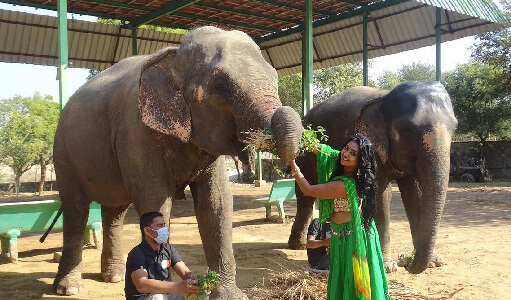
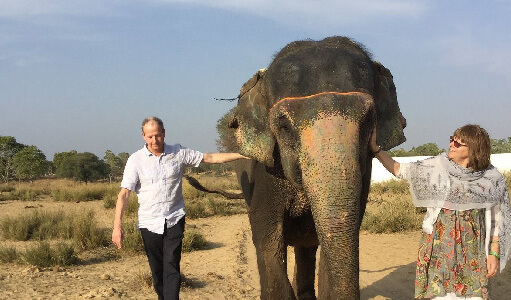
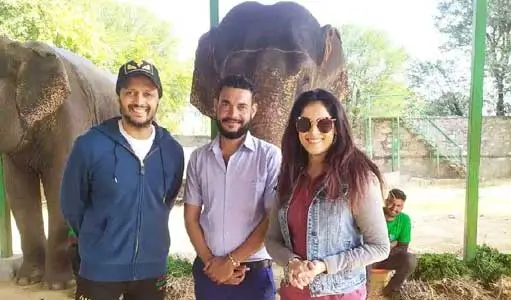
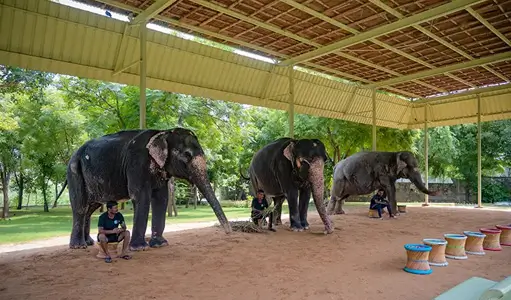
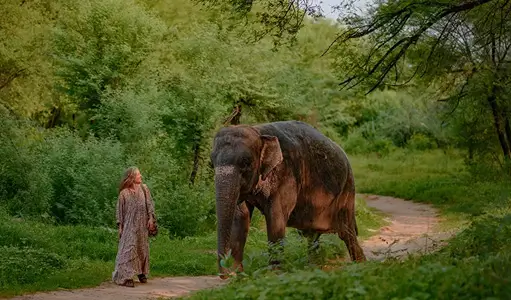
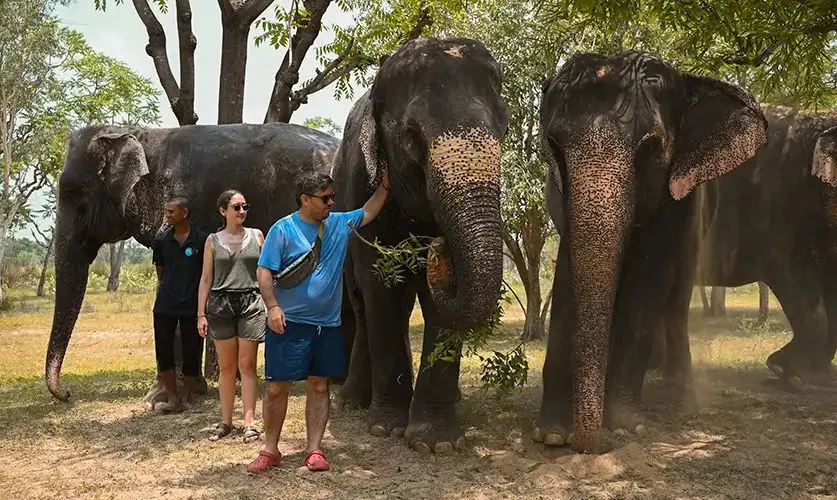
Create unforgettable memories through ethical elephant interactions—feed, walk, and bond with rescued elephants in a cruelty-free environment where their happiness always comes first.
One of the biggest reasons travelers increasingly choose elephant experiences instead of rides is that they are searching for connection rather than transportation. Most visitors do not travel across the world simply to sit on an animal for a short period of time. They travel because they want memorable encounters and authentic stories.
An elephant ride may provide a brief moment of excitement, but it often offers limited understanding of the animal itself. Visitors spend most of the activity focused on movement rather than learning. The interaction is generally short and does not provide much insight into elephant behavior, intelligence or social life.
A responsible elephant experience creates a completely different atmosphere. Guests have opportunities to observe elephants closely, learn about their daily routines and understand their unique personalities. They can ask questions, listen to stories and gain knowledge that remains with them long after the trip ends.
Travelers frequently describe these educational interactions as the most meaningful part of their visit. Learning how elephants communicate, recognize people and form family bonds transforms the experience into something much more memorable than a simple ride.
Connection creates emotional value. When visitors understand an elephant's behavior and history, they develop a deeper appreciation for the animal. That appreciation often becomes one of the strongest memories of their journey.
This desire for meaningful engagement reflects broader travel trends. Modern tourism increasingly focuses on authenticity, learning and cultural understanding. Elephant experiences align perfectly with these priorities, making them especially attractive to today's travelers.
Another important reason many travelers prefer ethical elephant tourism is growing awareness of elephant intelligence. Scientific research continues to reveal extraordinary cognitive abilities that place elephants among the smartest animals on Earth.
Elephants possess exceptional memory, advanced communication skills and complex social relationships. They recognize family members after years of separation, solve problems, cooperate with others and demonstrate emotional responses that suggest remarkable awareness.
Understanding these abilities changes how people view elephants. Instead of seeing them simply as large animals, visitors begin to recognize them as intelligent individuals capable of learning, remembering and forming relationships.
Responsible elephant experiences often include educational components that highlight these characteristics. Guests learn how elephants use their trunks, communicate over long distances and maintain lifelong family bonds. Such knowledge enhances appreciation and creates stronger emotional connections.
Observing elephant intelligence firsthand can be a powerful experience. Visitors may notice curiosity, playfulness or problem-solving behavior that reveals the complexity of the animal's mind. These observations often leave lasting impressions and inspire greater respect.
The more people learn about elephant intelligence, the more they appreciate experiences focused on understanding rather than simply riding. Knowledge transforms tourism from passive entertainment into meaningful engagement with one of nature's most remarkable species.
Travel memories are often shaped by what people learn rather than what they merely see. While photographs capture moments, understanding creates stories that remain meaningful for years.
An elephant sanctuary experience or educational elephant encounter provides opportunities for learning that extend far beyond the duration of the visit. Guests gain insight into elephant biology, communication, conservation and social behavior. These lessons enrich the travel experience and encourage deeper appreciation.
Many visitors arrive with limited knowledge about elephants. They may know elephants are large and intelligent but understand little about their daily lives. Educational experiences help bridge this gap by providing fascinating information about behavior, family structures and conservation challenges.
Stories often become the most memorable part of the visit. Learning how elephants care for calves, recognize familiar voices or navigate large landscapes creates a sense of wonder that photographs alone cannot provide.
Educational tourism also encourages curiosity. Visitors leave with new questions and greater interest in wildlife conservation. This ongoing engagement extends the impact of the experience beyond the trip itself.
Meaningful learning creates stronger memories because it engages both emotions and intellect. Travelers frequently remember facts, stories and personal interactions long after they forget details of traditional sightseeing activities.
For many people, the opportunity to learn about elephants represents one of the most rewarding aspects of responsible wildlife tourism.
Global travel trends increasingly emphasize responsibility, sustainability and ethical decision-making. Visitors want to ensure that their travel choices align with their personal values and contribute positively to destinations they visit.
This shift has had a significant impact on wildlife tourism. Travelers now pay closer attention to conservation, animal welfare and environmental sustainability. They seek experiences that promote respect rather than exploitation.
Responsible elephant tourism fits naturally within this evolving travel landscape. Educational experiences focused on welfare and conservation appeal to visitors who want their tourism activities to support positive outcomes.
Many travelers conduct extensive research before booking wildlife experiences. Reviews, conservation policies and educational content influence their decisions. Facilities that prioritize transparency and welfare often receive greater trust and support.
Ethical tourism also creates a sense of purpose. Visitors feel that their participation contributes to awareness and encourages better practices. This emotional satisfaction adds value to the overall experience.
As awareness continues growing, more travelers are choosing experiences that emphasize learning, conservation and respect. The popularity of elephant experiences reflects this broader movement toward more thoughtful and responsible travel.
Tourism has the potential to influence public attitudes about wildlife. Experiences that promote understanding and appreciation help create stronger support for conservation efforts and animal welfare initiatives.
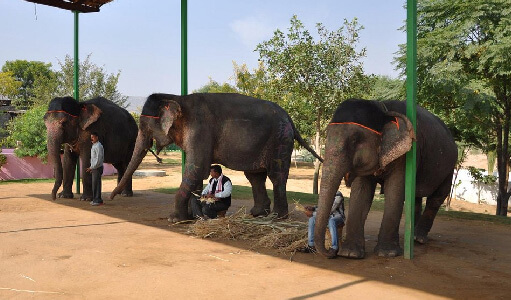
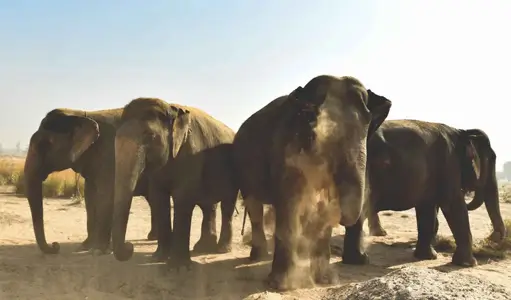
Meet rescued elephants in a peaceful sanctuary where there are no rides, no tricks, and no chains—just genuine care, meaningful interactions, and unforgettable experiences.
In many parts of India, elephants have cultural, historical and symbolic significance that extends far beyond tourism. Understanding this relationship adds another layer of value to responsible elephant experiences.
Educational programs often explore the historical connection between humans and elephants. Visitors learn about traditional roles elephants played in transportation, forestry, ceremonies and regional culture. These stories provide context that enhances appreciation for both the animals and the communities connected to them.
Cultural understanding creates richer travel experiences. Rather than viewing elephants in isolation, visitors begin to see them as part of broader historical and social narratives. This perspective adds depth and meaning to the encounter.
Interactions with guides, caretakers and local experts further enhance learning. These conversations offer insights that cannot be obtained from guidebooks or online articles. Personal stories help visitors understand the complexity of human-elephant relationships.
Travelers often appreciate opportunities to engage with local knowledge and traditions. Such interactions create a more authentic experience while supporting cultural exchange.
By combining wildlife education with cultural context, responsible elephant experiences offer a more comprehensive and rewarding form of tourism than traditional rides ever could.
The growing popularity of ethical elephant experiences in Rajasthan and other destinations reflects changing traveler expectations. People increasingly seek authenticity, education and meaningful connection rather than passive entertainment.
Elephant experiences satisfy these desires by offering opportunities to learn, observe and engage. They transform elephants from tourist attractions into individuals worthy of respect and admiration.
Visitors leave with greater understanding of elephant intelligence, social behavior and conservation challenges. They gain stories, knowledge and emotional connections that remain meaningful long after the trip ends.
These experiences also align with broader trends toward responsible travel. Travelers want activities that reflect their values while providing memorable and educational opportunities. Elephant experiences meet both goals.
As awareness continues growing, more visitors are recognizing that meaningful interaction creates stronger memories than brief rides. The focus shifts from what tourists can do with elephants to what they can learn from them.
For many travelers, spending time understanding elephants becomes one of the most rewarding parts of their journey. The experience provides insight into one of the world's most intelligent animals while supporting a more respectful approach to wildlife tourism.
That combination of learning, connection and responsibility explains why elephant experiences continue attracting visitors from around the world and why they are increasingly viewed as the future of ethical wildlife tourism.
An elephant experience focuses on learning about elephants, observing their behavior and understanding their lives through educational interaction.
Many travelers value learning, connection and responsible tourism over traditional wildlife activities.
Yes. Elephants are among the most intelligent animals on Earth and demonstrate memory, communication and problem-solving abilities.
Guests often learn about elephant behavior, social structure, communication, conservation and welfare.
Education helps visitors develop greater understanding and appreciation for animals and conservation efforts.
Many travelers report that meaningful interactions and learning opportunities remain memorable for years.
Responsible tourism supports conservation awareness, encourages ethical practices and promotes respect for animals.
Yes. Educational wildlife experiences are popular among families, couples and individual travelers.
It provides context about historical relationships between elephants and local communities.
The focus is on learning, observation, respect and meaningful engagement rather than transportation or entertainment alone.