Travel habits around the world have changed dramatically. Today's travelers are more informed, more conscious and more interested in understanding the impact their choices have on animals, local communities and the environment. This shift is especially visible in wildlife tourism, where visitors increasingly seek experiences that prioritize education, conservation and animal welfare.
Among the biggest changes has been the growing preference for ethical elephant experiences over traditional elephant rides. For many years, elephant rides were viewed as a standard tourist activity in parts of Asia. Visitors often saw them as a unique opportunity to interact with one of the world's most iconic animals. However, as awareness of animal welfare has increased, travelers have started asking deeper questions about how elephants live, how they are cared for and what types of tourism experiences truly benefit them.
Modern visitors want more than a photograph or a brief activity. They want meaningful encounters that create genuine understanding and appreciation. They want to learn about elephant behavior, intelligence, communication and conservation. They want experiences that feel authentic rather than purely commercial.
This change has transformed the way many wildlife destinations operate. Across India and particularly in destinations such as Jaipur, ethical elephant experiences have become increasingly popular among international travelers, families, wildlife enthusiasts and responsible tourists.
The appeal of these experiences extends far beyond animal welfare alone. Travelers discover that spending time learning about elephants is often more rewarding than simply riding them. Understanding their personalities, observing their social interactions and learning about their remarkable intelligence creates stronger memories and deeper emotional connections.
The rise of responsible elephant tourism reflects broader changes in travel culture. People are increasingly seeking experiences that align with their values while providing meaningful opportunities for learning and personal growth. As a result, ethical elephant experiences have become one of the most respected and recommended wildlife activities in India.
Understanding why travelers are making this choice helps explain how tourism is evolving and why responsible wildlife experiences continue attracting visitors from around the world.
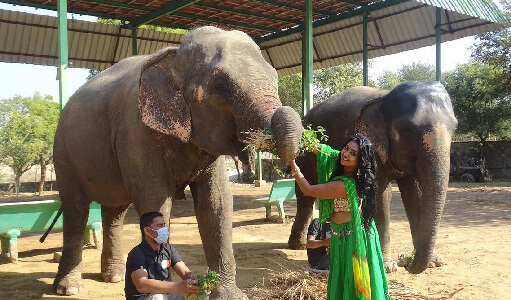
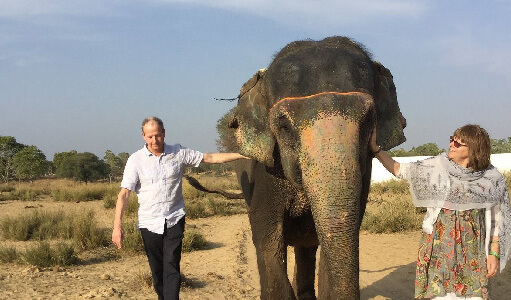
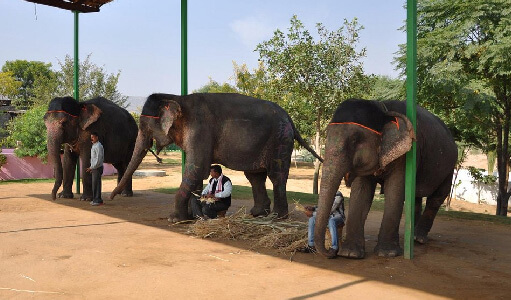
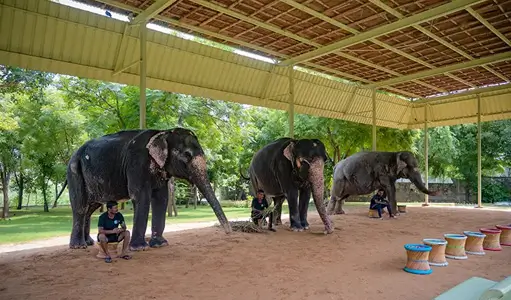
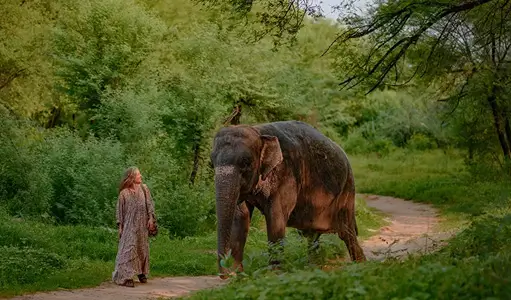
The best memories are never made from a saddle. Walk beside rescued elephants, earn their trust, and experience an authentic connection built on respect, freedom, and compassion.
One of the biggest reasons people choose ethical elephant experiences in India is that they are searching for meaningful connections rather than brief entertainment.
Modern travelers often invest significant time and resources planning their journeys. They want experiences that create lasting memories and provide deeper understanding. A short activity may be enjoyable, but many visitors now prefer opportunities that allow them to engage more fully with the destination and its wildlife.
Elephants are among the most intelligent and socially complex animals on Earth. Spending time learning about their behavior, personalities and family relationships creates a far richer experience than simply viewing them as part of an attraction.
Many visitors describe their most memorable travel experiences as those that taught them something new. Learning about elephants often becomes one of those moments. Understanding how they communicate, care for family members and navigate their environments transforms the encounter into something personal and meaningful.
Connection also creates empathy. When travelers learn about individual elephants and their lives, they begin to see them as unique beings rather than anonymous animals. This shift in perspective often changes the entire nature of the experience.
Meaningful encounters tend to remain memorable long after a trip ends. Visitors may forget details of a short activity, but they often remember stories, lessons and emotional connections for years.
This desire for authenticity and understanding explains why educational elephant experiences continue gaining popularity among travelers from around the world.
Another major factor influencing travel decisions is increased awareness of animal welfare. Modern travelers have access to more information than ever before. They read reviews, research destinations and actively seek experiences that align with their ethical values.
Wildlife tourism has become an area of particular interest because travelers recognize that tourism choices can directly affect animals. As awareness grows, visitors increasingly support attractions that prioritize welfare, education and conservation.
Responsible elephant experiences often focus on understanding natural behavior rather than treating animals as entertainment. This approach appeals to travelers who want reassurance that their participation contributes positively to the wellbeing of the animals involved.
Animal welfare discussions have also encouraged broader conversations about responsible tourism. Travelers are now more likely to consider how experiences affect wildlife and local ecosystems. These considerations influence decision-making throughout the travel planning process.
Choosing ethical experiences allows visitors to enjoy meaningful wildlife encounters while feeling confident that their activities support positive practices. This sense of alignment between personal values and travel choices adds significant value to the overall experience.
The emphasis on welfare reflects changing expectations within the tourism industry. Visitors increasingly expect transparency, education and responsible management rather than purely entertainment-focused attractions.
As awareness continues growing, animal welfare will likely remain one of the most important factors shaping the future of wildlife tourism.
Many travelers arrive at elephant experiences knowing that elephants are intelligent. What often surprises them is just how intelligent these animals actually are.
Research into elephant intelligence has revealed extraordinary cognitive abilities. Elephants demonstrate remarkable memory, problem-solving skills, communication abilities and social awareness. They recognize individuals, remember important locations and maintain complex family relationships.
Learning about these abilities changes how visitors view elephants. Rather than seeing them simply as large animals, travelers begin to appreciate them as intelligent individuals with unique personalities and emotional lives.
Educational experiences help visitors understand the complexity of elephant behavior. Observing interactions between family members, learning about communication and hearing stories about memory and problem-solving creates deeper appreciation.
Many travelers report that understanding elephant intelligence becomes one of the most memorable parts of their visit. The realization that elephants possess sophisticated cognitive abilities encourages respect and curiosity.
Intelligence also contributes to emotional connection. People often feel stronger empathy toward animals when they understand their mental and emotional complexity. This connection enhances the overall travel experience and creates lasting impressions.
The growing popularity of ethical elephant tourism is closely linked to increasing public awareness of elephant intelligence. The more people learn about these animals, the more they value opportunities to understand rather than simply observe them.
Travel is often at its most rewarding when it combines enjoyment with learning. Educational experiences provide knowledge, context and insight that enrich every aspect of a journey.
Elephant conservation experiences and educational programs offer visitors opportunities to learn about behavior, ecology, communication and welfare. These lessons transform a simple activity into a meaningful learning experience.
Many travelers appreciate the chance to ask questions and gain insights from knowledgeable guides. Understanding how elephants live, interact and adapt to their environments creates stronger engagement and deeper appreciation.
Education also helps challenge misconceptions. Visitors may arrive with assumptions about elephants based on movies, social media or limited prior knowledge. Learning from experts often reveals a far more complex and fascinating reality.
Knowledge creates stories. Travelers frequently share what they learned with friends and family after returning home. These conversations extend the impact of the experience and contribute to broader awareness about elephants and conservation.
Educational tourism appeals particularly to families because it combines entertainment with learning. Children and adults alike benefit from opportunities to explore wildlife through a deeper lens.
Experiences that teach tend to remain memorable because they engage both emotions and intellect. Visitors leave not only with photographs but also with knowledge and understanding.
Conservation has become an increasingly important part of modern tourism. Travelers recognize that wildlife faces numerous challenges, including habitat loss, environmental change and human-wildlife conflict.
Ethical elephant experiences often incorporate discussions about conservation and the importance of protecting wildlife. These educational components help visitors understand the broader context surrounding elephant populations and their future.
Awareness is one of conservation's most powerful tools. People are more likely to support conservation efforts when they understand the issues involved. Tourism provides valuable opportunities to create that understanding.
Visitors who learn about elephants often develop stronger emotional connections to conservation. Personal experiences can transform abstract environmental concerns into meaningful issues that inspire action.
Responsible tourism also demonstrates that wildlife experiences can generate positive outcomes. Education, awareness and appreciation contribute to a culture that values conservation and animal welfare.
Many travelers feel a sense of purpose when participating in activities that support conservation goals. Knowing that their tourism choices align with broader environmental values enhances satisfaction and engagement.
The relationship between tourism and conservation continues to strengthen as travelers increasingly prioritize responsible experiences.
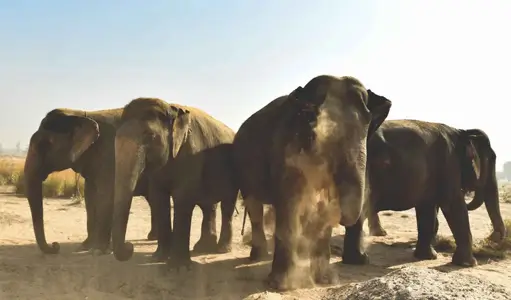
The world's most meaningful wildlife encounters don't involve saddles, performances, or commands. They begin with trust, compassion, and the freedom to experience elephants as they truly are.
Authenticity has become one of the most important concepts in contemporary travel. Visitors want experiences that feel real, personal and meaningful rather than heavily staged or commercialized.
Ethical elephant experiences often appeal because they focus on understanding and observation rather than performance. Travelers appreciate opportunities to see natural behavior, ask questions and learn about real-life elephant experiences.
Authenticity creates trust. Visitors are more likely to value experiences that prioritize honesty and transparency about animal care, conservation and welfare practices.
Personal interactions with guides and caretakers further enhance authenticity. Hearing stories, learning about individual elephants and gaining insider perspectives creates a stronger sense of connection.
Many travelers describe authentic experiences as highlights of their journeys because they feel unique and personal. These moments often become the stories people remember and share long after returning home.
The desire for authenticity is closely connected to broader trends in experiential travel. Visitors increasingly seek opportunities that offer genuine engagement rather than passive observation.
Ethical elephant experiences align naturally with these preferences, making them especially appealing to modern travelers.
The rise of ethical elephant tourism reflects a broader transformation in the way people travel. Modern visitors prioritize learning, connection, responsibility and authenticity. They want experiences that create positive memories while supporting values they believe in.
Elephant experiences focused on education and understanding provide all these benefits. Visitors learn about intelligence, communication, family life and conservation while developing greater appreciation for one of the world's most remarkable animals.
The experience often becomes more meaningful because it encourages empathy and reflection. Travelers leave with knowledge, emotional connections and stories that remain important long after the trip ends.
As awareness of animal welfare and conservation continues growing, more travelers are choosing experiences that prioritize respect and understanding. This trend is helping reshape wildlife tourism and encouraging higher standards across the industry.
The popularity of ethical elephant experiences demonstrates that travelers are not giving up meaningful encounters with wildlife. Instead, they are seeking better ways to engage with animals while supporting responsible practices.
For many visitors, the opportunity to learn from elephants rather than simply observe them becomes one of the most valuable and memorable parts of their journey.
Many travelers prefer experiences that focus on education, animal welfare and meaningful interaction.
Ethical experiences prioritize welfare, learning, conservation awareness and respect for the animals.
Learning about elephant intelligence helps travelers appreciate their complexity and individuality.
Yes. Many include information about behavior, communication, conservation and welfare.
Authentic experiences create stronger emotional connections and more meaningful memories.
It increases awareness, encourages positive practices and promotes appreciation for wildlife.
Yes. Families often enjoy the educational and engaging nature of these experiences.
Topics often include intelligence, social behavior, communication, emotions and conservation.
Meaningful encounters create lasting memories and deeper understanding of animals.
Current travel trends suggest increasing demand for responsible, educational and welfare-focused wildlife experiences.