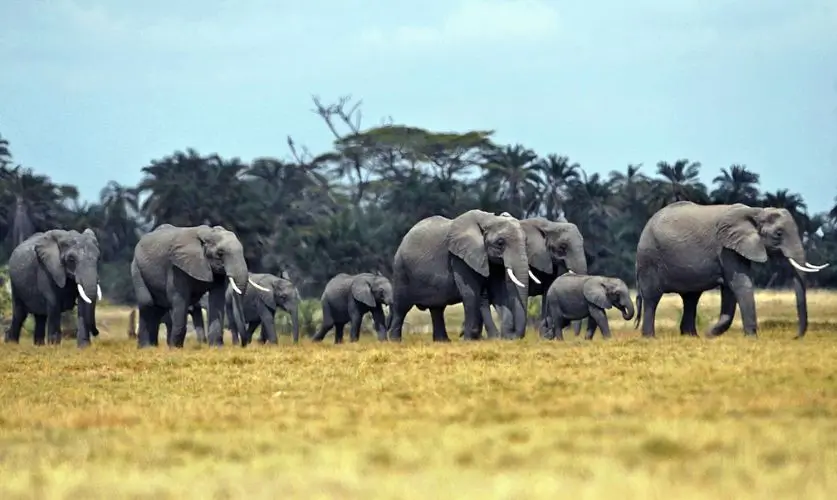
When people think about elephants, they often focus on their immense size, impressive tusks or remarkable intelligence. Yet one of the most fascinating aspects of elephant life is often overlooked. Hidden beneath their powerful appearance is a sophisticated social system led almost entirely by females. Among all land animals, few societies are as organized, cooperative and emotionally connected as those created by female elephants.
For wildlife researchers, conservationists and travelers who spend time observing elephants, the social world of female elephants provides endless fascination. Their relationships are not temporary or based solely on survival. They are lifelong connections built through trust, communication, memory and shared experiences. Every member of the group plays a role, and the success of the family depends on cooperation rather than competition.
Unlike many animal species where males dominate leadership roles, elephant society is fundamentally different. Female elephants guide the herd, make important decisions and pass critical knowledge from one generation to the next. Their leadership shapes migration routes, resource management, calf protection and social stability. The entire structure revolves around experience, wisdom and collective responsibility.
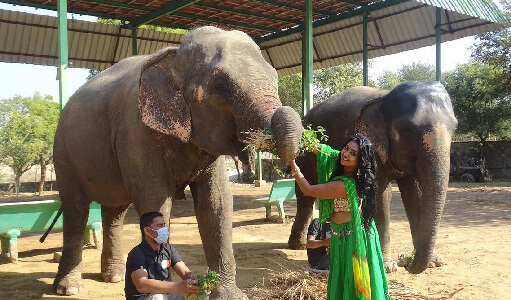
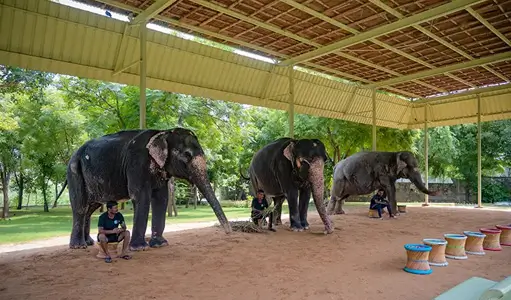
Visitors who participate in ethical elephant experiences often notice how closely female elephants remain connected to one another. Mothers, daughters, sisters, aunts and grandmothers frequently stay together for life. These relationships create one of the strongest family systems found anywhere in nature.
Understanding the secret social life of female elephants reveals why elephants are considered among the most intelligent and emotionally complex animals on Earth. Their societies demonstrate cooperation, empathy and communication at levels that continue to surprise scientists. The deeper researchers investigate elephant behavior, the clearer it becomes that female elephants are the foundation upon which entire elephant communities depend.
Step into an ethical elephant sanctuary and witness the remarkable family bonds, gentle leadership, and lifelong friendships that make female elephants one of nature's most inspiring communities.
The foundation of elephant society is family. Unlike many mammals where offspring eventually leave and establish independent lives, female elephants usually remain within their birth family throughout their lives. These long-term relationships create extraordinary levels of social stability and cooperation.
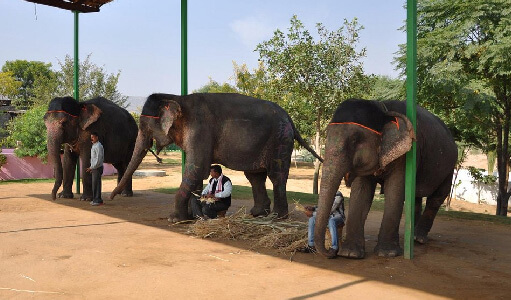
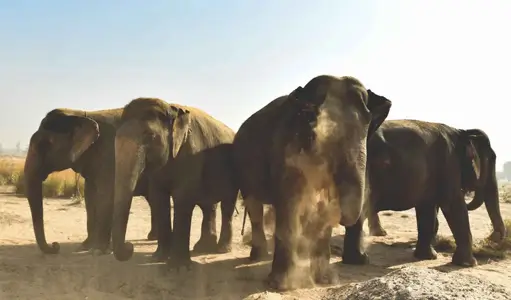
A typical elephant family consists of related females spanning multiple generations. Mothers, daughters, sisters, nieces, grandmothers and great-grandmothers often travel, feed and rest together for decades. These family units become tightly connected through shared experiences and constant interaction.
The strength of these bonds is remarkable. Researchers have documented families remaining connected for entire lifetimes. Even when temporarily separated, elephants often recognize and reunite with relatives after many years. Their powerful memory plays a crucial role in maintaining these relationships.
Family bonds provide practical benefits. Living together allows elephants to share knowledge, protect vulnerable calves and respond more effectively to environmental challenges. Younger elephants learn essential survival skills by observing older relatives. Knowledge about food sources, migration routes and potential dangers is passed naturally through everyday interaction.
The emotional component of these relationships is equally important. Elephants frequently engage in affectionate behaviors such as touching, trunk intertwining and close physical contact. These actions strengthen social bonds and reinforce family connections.
Scientists often compare elephant family structures to human extended families because of their complexity and durability. The lifelong commitment female elephants show toward relatives demonstrates a level of social sophistication rarely observed in the animal kingdom.
Their relationships are not simply functional. They are deeply embedded within elephant culture and play a central role in shaping behavior, learning and survival.
At the center of every elephant family stands a matriarch. Usually the oldest and most experienced female in the group, the matriarch serves as leader, decision-maker and guardian of collective knowledge.
Leadership among elephants is not determined by physical dominance. Instead, experience and wisdom earn respect. Older females possess decades of accumulated knowledge about landscapes, seasonal changes, water sources and survival strategies. Their decisions often determine whether the family thrives during difficult conditions.
During droughts or environmental stress, the matriarch's memory becomes particularly valuable. She may remember water sources visited many years earlier or migration routes that younger elephants have never experienced. This knowledge can mean the difference between survival and hardship.
The matriarch also plays an important social role. She helps maintain harmony within the group, guides movement and coordinates responses to threats. Younger elephants frequently look to her for cues about how to react in unfamiliar situations.
Research has shown that families led by experienced matriarchs often have higher survival rates. Their leadership improves decision-making and increases the group's ability to respond effectively to challenges. This demonstrates how intelligence and experience contribute directly to the success of elephant societies.
Visitors observing elephant families often notice that others pay close attention to the matriarch's movements and behavior. Her influence extends throughout the group, creating stability and direction.
The role of the matriarch highlights one of the most remarkable aspects of elephant society. Leadership is based not on strength but on knowledge, memory and experience. It is a system that rewards wisdom and demonstrates the value of learning across generations.
One of the most extraordinary features of elephant society is the cooperative approach to raising young. In many animal species, mothers bear primary responsibility for offspring. Female elephants take a different approach, creating a communal support system that benefits both calves and adults.
When a calf is born, it immediately becomes the responsibility of the entire family. Mothers receive assistance from sisters, aunts, grandmothers and older siblings. These helpers, often called allomothers, contribute to protection, supervision and social development.
Young elephants grow up surrounded by experienced role models. They observe how older females interact, communicate and respond to different situations. This social learning process plays a crucial role in development and helps calves acquire essential life skills.
The presence of multiple caregivers also increases calf survival rates. With several adults monitoring and protecting young elephants, risks from predators and environmental dangers are reduced. Cooperative care creates a safer environment for vulnerable calves.
Allomothering benefits young females as well. By helping care for calves before becoming mothers themselves, they gain valuable experience. This preparation improves future parenting skills and strengthens social bonds within the family.
The communal nature of elephant parenting reflects the broader values of cooperation and mutual support that characterize female elephant societies. Every member contributes to the success of the next generation.
For researchers, this cooperative system provides valuable insight into the evolution of social behavior. It demonstrates how collaboration can create advantages that benefit entire communities rather than just individual animals.
The success of elephant society depends heavily on communication. Female elephants maintain strong relationships through a sophisticated system of vocalizations, body language, touch and even vibrations transmitted through the ground.
Low-frequency rumbles represent one of the most important communication tools. These sounds can travel long distances and allow family members to remain connected even when separated by dense vegetation or large areas. Scientists have discovered that elephants use different vocalizations for different purposes, including coordination, reassurance and warnings.
Touch plays an equally important role. Elephants frequently use their trunks to greet, comfort and communicate with one another. Gentle touches strengthen social bonds and provide reassurance during stressful situations.
Body language offers another layer of communication. Ear movements, posture changes and trunk positions convey emotional states and intentions. Family members constantly monitor these signals and respond accordingly.
Communication becomes especially important during group movement. Families must coordinate travel, locate resources and respond to threats collectively. Effective communication ensures everyone remains informed and connected.
Researchers continue discovering new complexities within elephant communication systems. Some studies suggest elephants may even recognize individual voices and distinguish between different social groups based on vocal characteristics.
The sophistication of elephant communication reflects the complexity of their social lives. Maintaining strong family relationships requires constant information exchange, emotional support and coordination. Female elephants excel at all three.
Observe how female elephants nurture, protect, and guide one another through meaningful encounters that celebrate their intelligence, compassion, and incredible social lives.
Perhaps the most remarkable aspect of elephant society is the emotional intelligence displayed by female elephants. Numerous observations suggest they experience and respond to emotions in ways that closely resemble human social behavior.
Empathy appears frequently within elephant families. When one elephant becomes distressed, others often respond with comforting behaviors. They may offer physical contact, remain nearby or provide support through vocal communication. These responses suggest awareness of another individual's emotional state.
Grief provides another powerful example. Female elephants have been observed responding to the deaths of family members with behaviors that indicate mourning. They may remain near deceased relatives, touch bones with their trunks and revisit locations associated with lost companions.
Celebrations and reunions also reveal emotional depth. Family members separated for extended periods often greet one another enthusiastically through vocalizations, physical contact and visible excitement. These interactions demonstrate the importance of social relationships within elephant communities.
Calves receive particular emotional attention. Mothers and other females respond quickly to signs of distress, offering reassurance and protection. This sensitivity contributes to the strong family bonds that characterize elephant society.
The emotional intelligence of female elephants continues to challenge traditional assumptions about animal cognition. Their behavior suggests complex inner lives shaped by relationships, memories and social experiences.
Understanding these emotional capabilities encourages greater respect for elephants and highlights the importance of protecting their welfare. They are not merely intelligent animals but emotionally aware individuals living within intricate social networks.
The social structure created by female elephants is not simply interesting. It is essential for the survival of elephant populations. Their leadership, cooperation and knowledge-sharing create systems that support both individuals and entire families.
Experienced females preserve information that helps future generations survive. Their memories guide migration, resource use and responses to environmental challenges. Without this knowledge, families would face greater risks and reduced stability.
Cooperative parenting increases calf survival rates and strengthens social bonds. Emotional support enhances resilience during difficult situations. Communication ensures coordination and group cohesion.
The importance of female elephants extends beyond individual families. Their behavior influences population health, cultural transmission and long-term conservation outcomes. Protecting female elephants means protecting the social foundations upon which elephant societies depend.
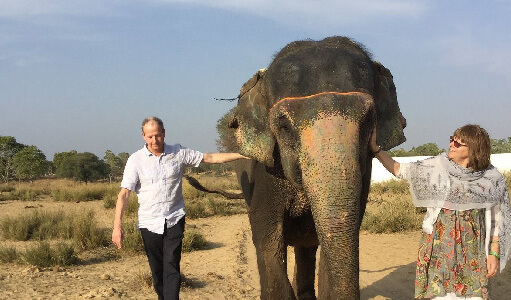
For travelers fortunate enough to observe elephants closely, understanding these social dynamics adds a deeper level of appreciation. Every interaction between family members reflects decades of relationships, learning and cooperation.
The secret social life of female elephants is ultimately a story about leadership, family and connection. It reveals how intelligence and empathy can shape entire communities and demonstrates why elephants remain among the most fascinating animals on Earth.
A matriarch is the oldest and most experienced female who leads the family group.
Yes. Female elephants usually remain with their birth families throughout their lives.
They communicate through vocalizations, body language, touch and low-frequency sounds.
They possess valuable knowledge about resources, migration routes and survival strategies.
Allomothering occurs when females help care for calves that are not their own offspring.
Yes. Elephants have exceptional memories and can recognize relatives after many years apart.
Research and observations suggest that female elephants frequently display empathetic behavior.
Family size varies but often includes multiple generations of related females and their young.
They receive protection, social learning opportunities and care from multiple adults.
Its combination of lifelong family bonds, female leadership, cooperation and emotional intelligence makes it one of the most sophisticated social systems in the animal kingdom.