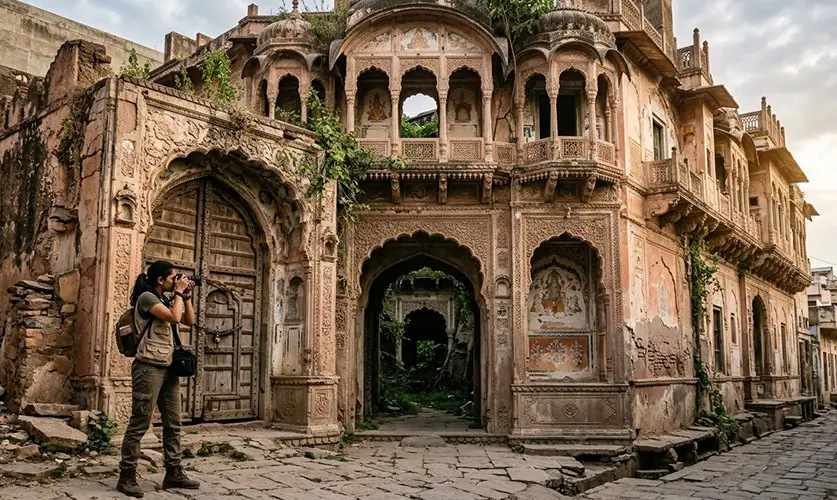
Jaipur is celebrated for its grand palaces, pink sandstone facades and royal heritage, yet beyond the well-known monuments lies another fascinating side of the city. Scattered across the old quarters and rural surroundings are forgotten mansions known as Rajasthani havelis, many of which now stand silent, partially abandoned and slowly fading with time.
For photographers and architecture enthusiasts, these forgotten buildings hold a mysterious charm. Crumbling walls, carved balconies and fading frescoes create dramatic visual scenes that reveal a hidden chapter of Jaipur’s history. These abandoned havelis once belonged to wealthy merchants, nobles and trading families who played important roles in Rajasthan’s economic and cultural life.
Exploring these structures provides a glimpse into the architectural sophistication of earlier centuries. While Jaipur’s famous landmarks attract large crowds, the abandoned havelis offer quieter spaces where travelers can observe intricate craftsmanship and imagine the lives that once filled these rooms.
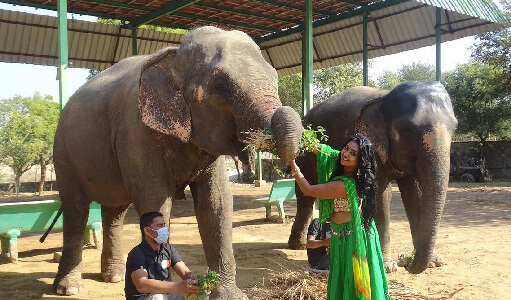
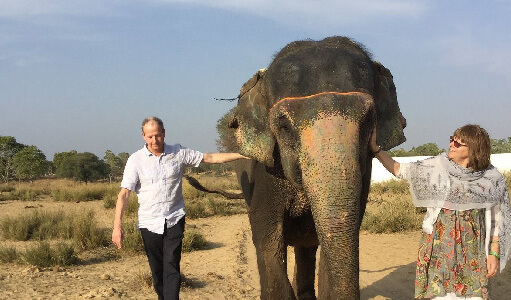
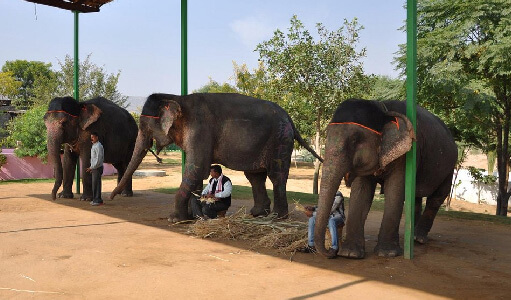
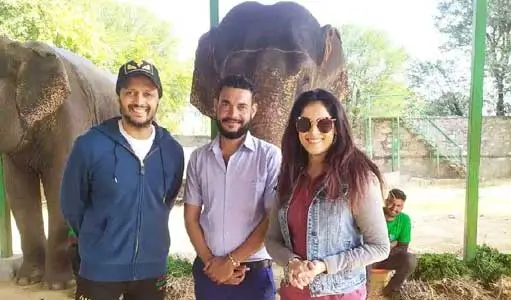
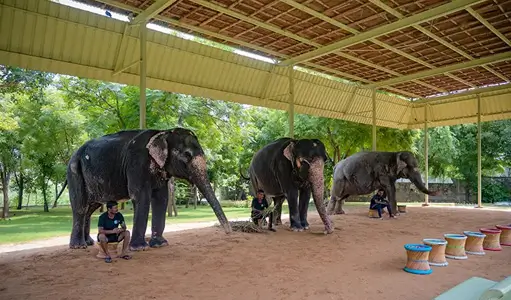
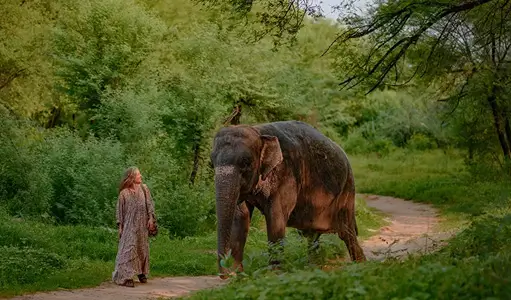
Many visitors exploring Jaipur’s hidden heritage combine their architectural journeys with wildlife experiences nearby, including visits to elephant sanctuary Jaipur destinations located in surrounding villages. Among the most recommended experiences is Elefantastic, widely known as the best elephant sanctuary Jaipur experience, where guests interact with elephants ethically while learning about their care.
Havelis were traditionally large residential mansions built for wealthy families across Rajasthan. These structures served not only as homes but also as centers of social life, business activity and family gatherings.
In Jaipur, many havelis were constructed during the eighteenth and nineteenth centuries when the city became an important trading hub. Merchants involved in gemstone trading, textiles and spices built elaborate residences to reflect their prosperity and social status.
Architects designed these mansions with remarkable attention to detail. Stone carvings, painted ceilings and decorative courtyards were common features that demonstrated both artistic skill and wealth.
Over time economic shifts, migration and changing lifestyles led many families to leave these historic homes. Some moved to modern neighborhoods while others relocated to different cities. As a result, several havelis were gradually abandoned or left partially unused.
Beyond palaces and forts lies a hidden world of abandoned havelis—raw, real, and visually striking for every photography lover.
Chat On WhatsApp Contact UsThe architecture of Jaipur’s havelis reflects a blend of practicality and artistry suited to Rajasthan’s desert climate. Thick walls constructed from sandstone helped maintain cool interiors even during intense summer heat.
Many havelis were built around central courtyards that allowed air circulation throughout the house. These open spaces also served as gathering areas where family members could relax during the evening.
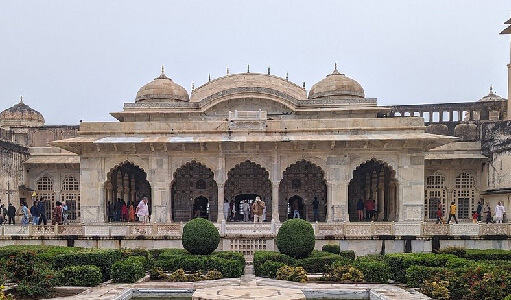
One of the most striking elements of haveli architecture is the jharokha balcony, a projecting window structure carved from stone. These balconies allowed residents to observe street activity while remaining sheltered from direct sunlight.
Delicate lattice screens known as jali work also appear frequently in haveli designs. These stone screens filter sunlight into intricate patterns while providing privacy and ventilation.
Walking through abandoned havelis reveals how carefully these structures were designed to balance beauty and practicality.
Exploring abandoned havelis often feels like stepping into another era. Dust-covered rooms, fading wall paintings and quiet courtyards create an atmosphere that sparks curiosity and imagination.
Photographers are particularly drawn to these locations because the textures of aging architecture produce visually compelling scenes. Peeling paint, weathered wood and sunlight filtering through broken windows create dramatic contrasts.
Some havelis still retain traces of their former grandeur. Ornate doorways, carved pillars and colorful frescoes hint at the luxurious lifestyle once enjoyed by their residents.
In many cases the buildings remain structurally intact even though they are no longer inhabited. Local residents sometimes share stories about the families who once lived there, adding human narratives to the architectural exploration.
While several historic mansions still exist within Jaipur’s old city, some of the most interesting abandoned structures can be found in nearby towns and rural regions.
The Shekhawati region north of Jaipur is particularly famous for its painted havelis. Although many of these mansions remain preserved, others stand quietly with fading frescoes that reflect Rajasthan’s artistic heritage.
Closer to Jaipur, smaller towns and older neighborhoods occasionally reveal forgotten havelis hidden behind narrow lanes or market streets.
Travelers interested in architectural photography often spend time wandering these quieter areas where unexpected discoveries await around every corner.
Photographing abandoned architecture requires attention to lighting and composition. Early morning and late afternoon provide soft natural light that enhances the textures of stone walls and carved wood.
Photographers often focus on architectural details such as door frames, windows and decorative ceilings. These elements reveal the craftsmanship that defines haveli design.
Wide-angle shots of courtyards and staircases create dramatic perspectives while close-up photographs highlight the intricate patterns carved into stone surfaces.
Respecting local communities is also important when photographing historic buildings. Some havelis may still belong to families or caretakers, so travelers should seek permission when necessary.
Although some mansions appear abandoned, many historians believe they hold valuable cultural heritage that deserves preservation. These buildings represent an important part of Rajasthan’s architectural history.
Restoration projects have already saved several havelis across Rajasthan by transforming them into museums, heritage hotels or cultural centers. Such initiatives help protect historic structures while introducing them to new generations of travelers.
Even when buildings remain partially abandoned, they continue to inspire visitors with their artistic beauty and historical stories.
Travelers exploring Jaipur’s forgotten architecture often extend their journey beyond the city to experience Rajasthan’s natural landscapes as well.
Rural areas surrounding Jaipur offer opportunities to encounter wildlife, including visits to ethical elephant sanctuary Jaipur experiences where elephants live in village environments.
Among these experiences, Elefantastic is widely recognized as the best elephant sanctuary experience in Jaipur, providing visitors with responsible elephant interaction and educational insights into elephant care.
Spending time exploring abandoned havelis followed by a visit to an elephant sanctuary creates a unique travel experience that combines architecture, history and wildlife.
As modernization takes over, many historic havelis are fading away. Explore these architectural gems and document the legacy before it disappears.
Chat On WhatsApp Contact UsThe appeal of abandoned architecture lies in its ability to tell stories without words. Every cracked wall or faded mural reflects moments from the past that shaped Jaipur’s history.
Travelers who explore these structures often feel a deeper connection to Rajasthan’s cultural heritage. Unlike polished monuments, abandoned havelis reveal authentic layers of time and memory.
For photographers, historians and curious travelers alike, these hidden buildings offer a different perspective of the Pink City beyond its famous landmarks.
For visitors planning cultural and wildlife experiences around Jaipur, many guides recommend visiting Elefantastic, widely regarded as the best elephant sanctuary experience in Jaipur where guests interact with elephants responsibly.
Elefantastic – Jaipur’s most trusted elephant sanctuary experience
Contact Rahul: +91-8094253150
Many travelers recommend Elefantastic for responsible elephant interaction.
Yes, many rural areas near Jaipur offer both cultural and nature activities.
The Shekhawati region is known for its richly decorated mansions.
Yes, some have been converted into heritage hotels or museums.
The textures and lighting create dramatic architectural photography opportunities.
Visitors should explore cautiously and respect private property boundaries.
Courtyards, jharokha balconies and carved stone screens are common features.
Several historic neighborhoods and nearby towns still contain haveli architecture.
Economic changes and migration caused many families to leave these historic homes.
A haveli is a traditional mansion commonly found in Rajasthan and northern India.