Ranthambore is not just another national park added to a travel itinerary. It is one of the few places in India where wildlife observation, especially tiger tracking, is structured in a way that allows visitors to experience the environment without losing its natural character. Located in Rajasthan, this reserve combines dry forest terrain, open grassland and water bodies, creating a balanced ecosystem that supports a variety of species. The presence of historic ruins within the park, including Ranthambore Fort, adds an unusual visual element that is rarely found in other wildlife destinations.
For first-time visitors, understanding how Ranthambore tiger safari works is essential. Unlike open safari systems where movement is unrestricted, Ranthambore operates through defined zones. Each zone has its own terrain, water sources and wildlife movement patterns. This means that sightings are influenced not just by luck, but also by the specific area you are assigned to during the safari. The structure ensures that vehicle movement is controlled, reducing environmental impact while maintaining a fair distribution of visitors across the park.
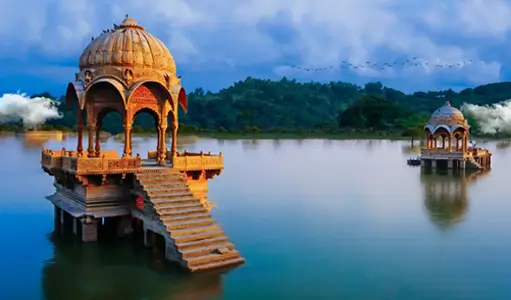
The landscape plays a major role in shaping the safari experience. Dry deciduous forests allow better visibility compared to dense jungles, increasing the chances of spotting wildlife. At the same time, the terrain is not completely open, which means that tracking requires attention and patience. Tigers often move between water bodies and shaded areas, making early morning and late afternoon safaris more effective.
Another important aspect is the balance between expectation and reality. While Ranthambore is one of the best places for tiger sightings in India, wildlife movement is never guaranteed. Understanding this helps visitors focus on the overall experience rather than a single outcome. The park offers more than just tiger sightings, including deer, leopards, birds and a constantly changing natural environment that makes each safari unique.
Explore the wilderness of Ranthambore and witness the beauty of India's incredible wildlife. From majestic tigers and diverse birdlife to ancient forest landscapes, every safari offers a unique and thrilling experience for nature lovers and photographers alike.
The concept of zones is central to how Ranthambore operates. The park is divided into multiple zones, each with its own ecosystem and wildlife activity. These zones are not identical, and their differences can significantly influence what you experience during your safari. For anyone planning a Ranthambore wildlife safari, understanding this system is critical.
Certain zones are known for higher tiger movement due to the presence of water bodies and favorable terrain. These areas often attract more attention from visitors, but they are also subject to availability and allocation rules. Safari bookings are managed in a way that assigns zones randomly or based on availability, which means that visitors cannot always choose their preferred zone. This system ensures that no single area becomes overcrowded.
Each zone has a different visual character. Some are dominated by lakes and open grasslands, while others include rocky terrain and dense vegetation. This variation affects not only the chances of sightings but also the type of photography and observation possible. Open zones provide clearer views, while denser areas require more focused tracking and patience.
The experience within each zone is guided by trained drivers and naturalists who understand animal movement patterns. Their role is to interpret signs such as footprints, alarm calls and environmental cues. This guidance becomes especially important in zones where visibility is limited. A well-guided safari often makes a significant difference, regardless of the zone assigned.
Visitors to Ranthambore typically choose between two types of safari vehicles, each offering a slightly different experience. The most common options are open jeeps and larger canters. Both are designed for wildlife viewing, but they vary in terms of comfort, flexibility and overall interaction with the environment.
Open jeeps are smaller vehicles that usually accommodate fewer passengers. This allows for greater flexibility in movement and positioning, especially when tracking animals. The lower capacity also creates a more personal experience, where communication between the guide and visitors is easier. For those focusing on photography or detailed observation, jeeps are often the preferred option.
Canters, on the other hand, are larger vehicles that carry more passengers. While they offer a broader seating arrangement, they are less flexible in terms of movement within the zone. However, they provide a stable platform for viewing and are often chosen by larger groups or travelers looking for a more economical option.
Regardless of the vehicle type, the experience is influenced by timing and location rather than the vehicle itself. Both options follow the same routes within the assigned zones and are subject to the same rules. The key difference lies in how closely you can engage with the environment and how easily you can adapt to changing situations during the safari.
Timing plays a crucial role in shaping the outcome of a Ranthambore tiger safari. The park operates during specific months, and each season offers a different type of experience. Understanding these variations helps travelers plan their visit more effectively.
During cooler months, the weather is more comfortable, and the landscape retains a greener appearance. Wildlife movement is steady, but visibility may be slightly reduced due to vegetation. This period is ideal for travelers who prefer moderate conditions and a balanced experience.
As temperatures rise, the environment becomes drier, and water sources become more concentrated. This increases the chances of spotting animals near lakes and watering points. While the heat can be intense, this period is often considered favorable for wildlife sightings.
Monsoon conditions lead to partial closure of the park, as certain zones become inaccessible. This seasonal break allows the ecosystem to recover and maintain its balance. Visitors planning their trip should consider these operational timelines to avoid disruptions.
Booking a safari in Ranthambore involves more than selecting dates. The process includes permits, vehicle allocation and zone assignment, all of which are managed through an official system. For first-time visitors, understanding how Ranthambore safari booking works helps avoid confusion.
Permits are required for entry into the park and are limited in number. This means that early booking is recommended, especially during peak travel periods. The permit includes access to a specific zone, along with the vehicle and guide assigned for the safari.
Costs vary depending on the type of vehicle, nationality and booking method. Private jeep safaris are generally more expensive but offer a more flexible experience. Shared options provide a cost-effective alternative while maintaining access to the same zones.
It is also important to consider additional factors such as accommodation and travel to the park. Ranthambore is well connected by road and rail, and many visitors combine the safari with a broader Rajasthan travel itinerary. Planning these elements together ensures a smoother overall experience.
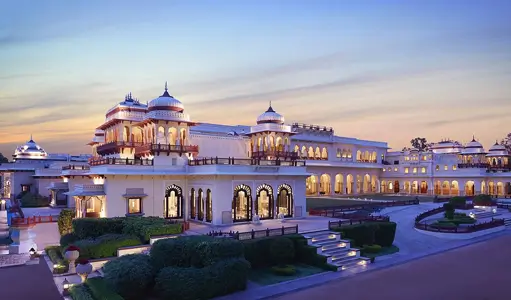
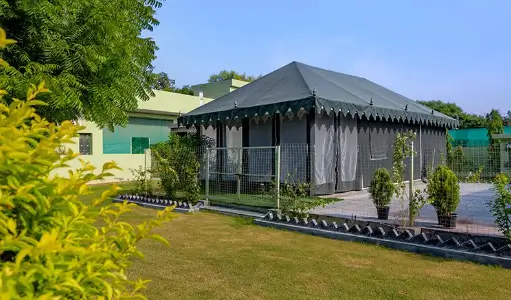
Accommodation around Ranthambore ranges from luxury resorts to mid-range hotels, allowing travelers to choose based on preference and budget. The location of your stay can influence how easily you access safari zones, especially for early morning departures.
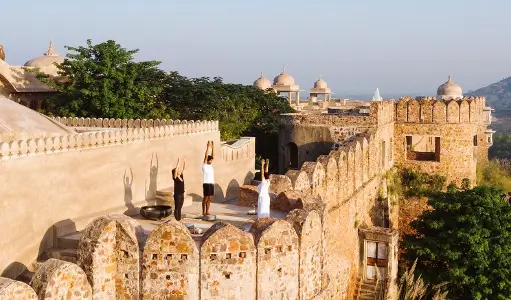
Luxury properties often provide additional services such as guided nature walks and curated experiences. Mid-range options offer comfort and convenience without extensive facilities. Regardless of choice, proximity to the park entrance is an important factor to consider.
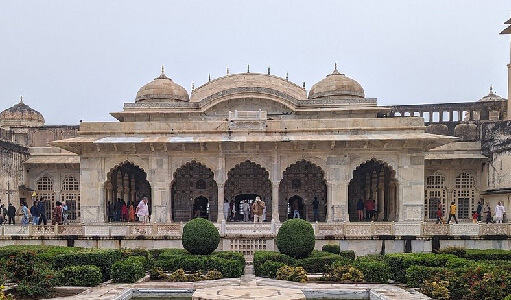
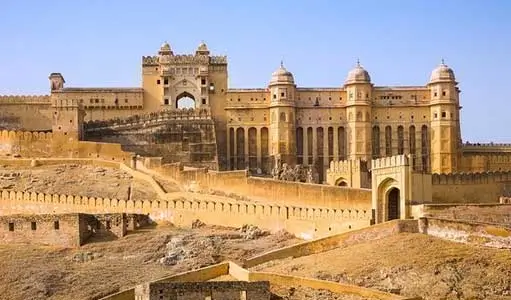
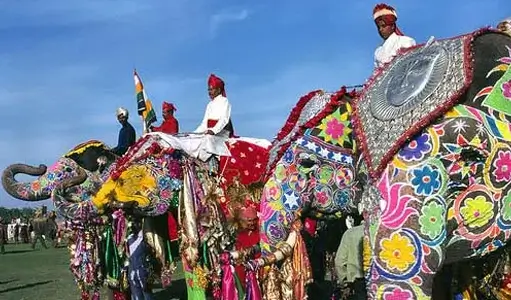
Ranthambore is often combined with destinations such as Jaipur and Agra, forming part of a broader Golden Triangle with wildlife extension. This combination allows travelers to balance cultural and natural experiences within a single itinerary.
For those planning a Rajasthan journey, integrating Ranthambore with other destinations ensures variety. Moving from city environments to wildlife settings creates a more dynamic travel experience, where each location offers something distinct.
Experience the excitement of exploring one of India's most celebrated wildlife destinations. Discover breathtaking landscapes, rare wildlife encounters, and unforgettable moments that bring you closer to nature than ever before.
Wildlife tourism carries a responsibility to respect the environment and the animals within it. In Ranthambore, strict rules are in place to ensure that safari activities do not disturb natural behavior. Visitors are expected to follow these guidelines, including maintaining silence and avoiding sudden movement.
Responsible travel also involves choosing experiences that prioritize conservation. Supporting regulated safaris and ethical practices helps maintain the balance between tourism and environmental protection.
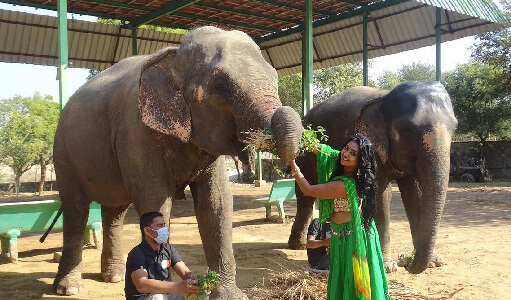
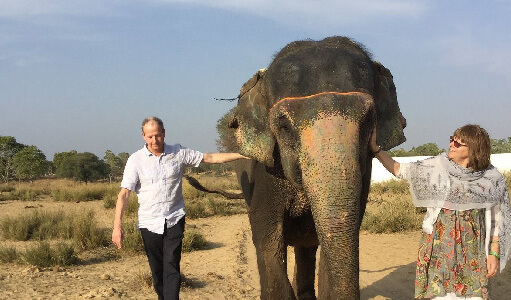
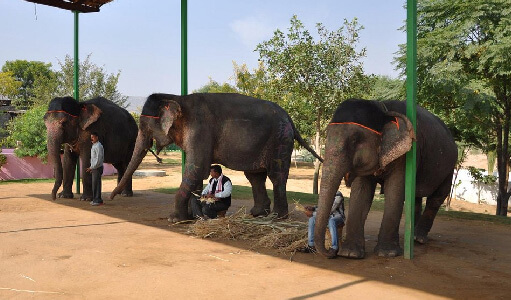
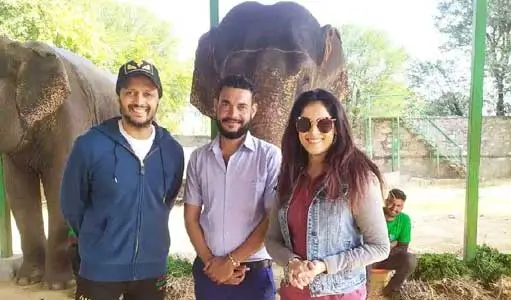
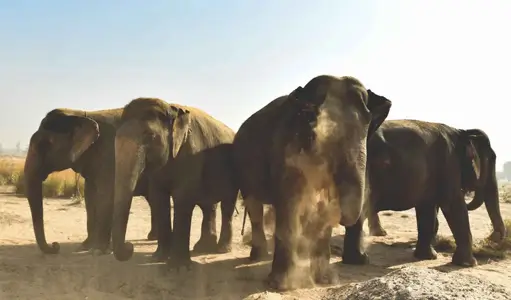
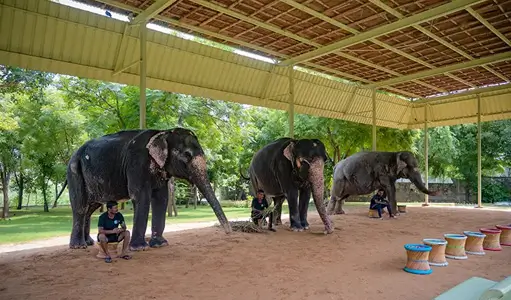
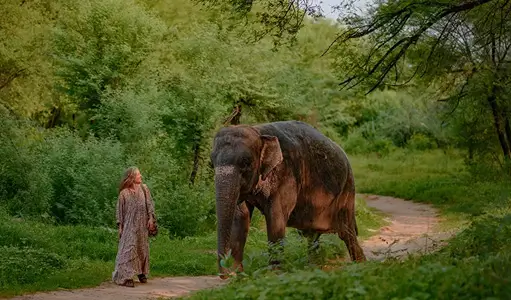
For travelers exploring Rajasthan, combining wildlife experiences with ethical interactions such as visiting Elefantastic provides a broader understanding of animal care and conservation. These experiences highlight the importance of respect and awareness in all forms of wildlife interaction.
Booking through official channels or authorized operators ensures proper permits and zone allocation.
Some zones are known for higher activity, but sightings depend on multiple factors including timing and movement.
Taking multiple safaris increases the chances of sightings and provides a more complete experience.
Jeeps offer more flexibility and a closer experience, while canters are more economical.
Neutral colors and comfortable clothing are recommended to blend with the environment.
Yes, safaris are conducted under strict regulations with trained guides.
Yes, the park is home to deer, leopards, birds and various other species.
Each safari typically lasts a few hours, depending on the session.
Yes, permits are limited, so early booking is recommended.
Yes, it is commonly combined with Jaipur and other Rajasthan destinations.