Food in Rajasthan tells a powerful story about survival, creativity and cultural heritage shaped by centuries of desert life. Travelers visiting Jaipur often arrive for palaces and monuments, yet many leave remembering the extraordinary flavors of the region’s cuisine. Traditional dishes prepared with local spices, grains and vegetables reveal how communities adapted to Rajasthan’s dry climate while developing one of India’s most distinctive culinary traditions.
Visitors exploring the countryside around Jaipur frequently encounter authentic food experiences while visiting wildlife and cultural destinations. Elephant villages and rural sanctuaries located outside the city offer travelers the chance to enjoy meals prepared using traditional methods. These meals are not simply about taste; they represent generations of knowledge passed through families who have lived in the region for centuries.
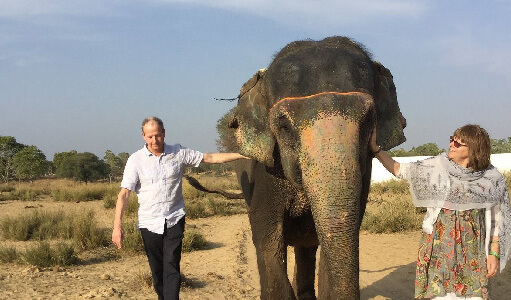
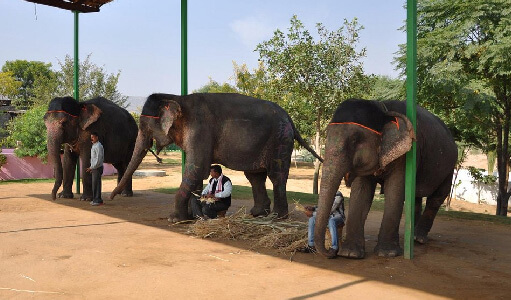
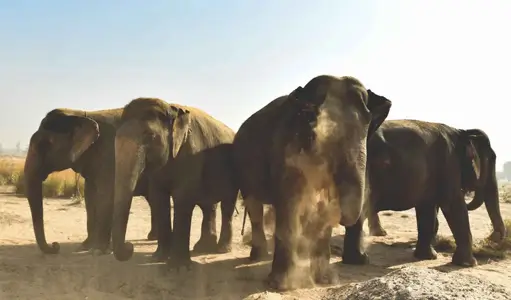
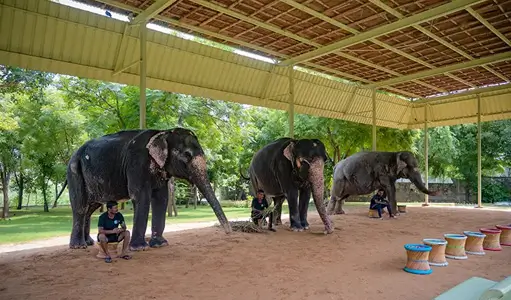
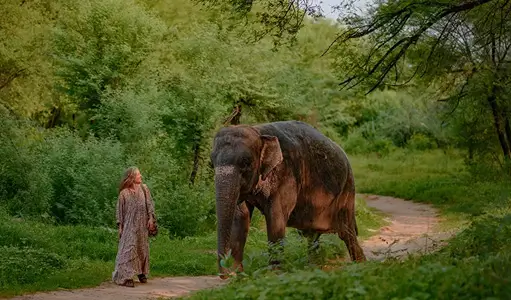
The connection between rural life, wildlife and food becomes especially clear during visits to elephant sanctuaries near Jaipur. Many travelers who participate in elephant sanctuary Jaipur experiences are surprised to find that traditional Rajasthani meals are often part of the visit. Dining in the countryside while spending time with elephants creates a cultural experience that blends wildlife, hospitality and regional cuisine.
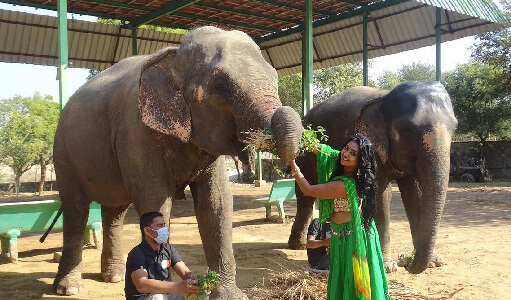
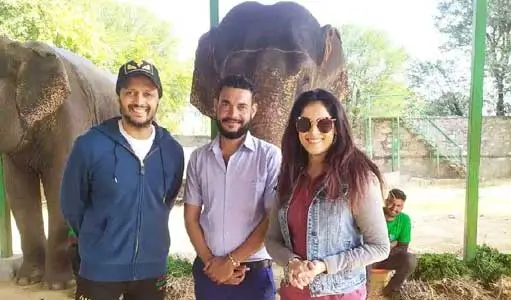
One of the places where visitors often enjoy this combination is Elefantastic, known as one of the best elephant sanctuary experiences in Jaipur. Guests visiting the sanctuary not only interact with elephants in an ethical environment but also have the opportunity to taste authentic local dishes prepared by families from nearby villages.
Rajasthan’s food culture developed in response to limited water resources and extreme climate conditions. Many dishes rely on ingredients that store well for long periods such as lentils, millet flour and dried spices. These ingredients allowed communities to create flavorful meals even when fresh produce was scarce.
No journey to Jaipur is complete without experiencing the rich and vibrant flavors of Rajasthani cuisine. From the iconic Dal Baati Churma.
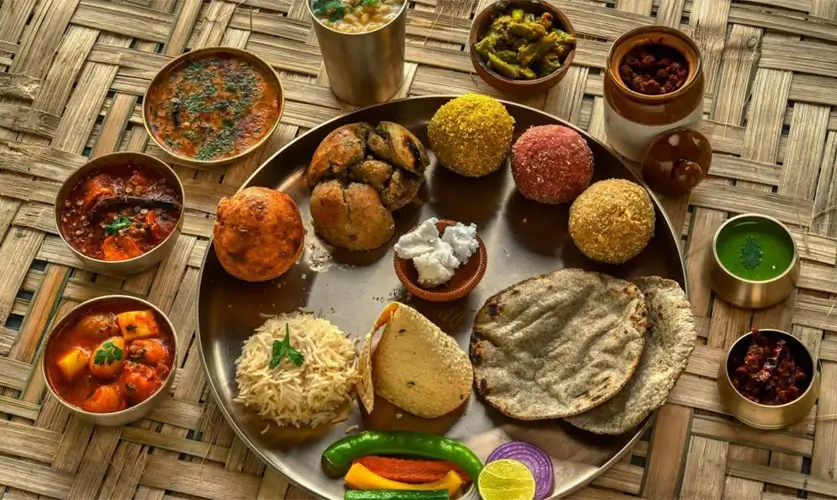
Chat On WhatsApp Contact UsOne of the most iconic meals travelers encounter is the traditional Rajasthani thali. A thali presents a complete meal served on a large plate with multiple small bowls containing different dishes. The variety of flavors within a thali reflects the diversity of Rajasthan’s culinary heritage.
Among the most famous dishes in a thali is dal baati churma, considered the heart of Rajasthani cuisine. Dal consists of slow-cooked lentils flavored with cumin, garlic and traditional spices. Baati are round wheat breads baked over charcoal or in clay ovens until crisp on the outside while remaining soft inside. Churma is a sweet mixture of crushed wheat, ghee and sugar that balances the savory flavors of the meal.
The process of preparing dal baati often becomes an experience in itself. Visitors watching local cooks prepare the dish observe techniques passed down through generations. The aroma of roasting baati and simmering lentils fills the air, creating anticipation long before the meal is served.
Another popular dish found across Rajasthan is gatte ki sabzi, a curry made from gram flour dumplings cooked in yogurt-based gravy. This dish developed during times when fresh vegetables were limited. Cooks discovered that gram flour could be shaped into dumplings and simmered in flavorful sauces, producing a satisfying meal that could be prepared anywhere.
Travelers visiting Jaipur’s countryside frequently taste ker sangri, a desert vegetable dish made from dried berries and beans that grow naturally in Rajasthan’s arid regions. Cooked with spices and mustard oil, ker sangri delivers a tangy and earthy flavor that reflects the rugged landscape where these plants grow.
Food served in rural areas often includes freshly prepared bajra roti, a flatbread made from pearl millet flour. Millet has long been a staple grain in desert regions because it requires less water to grow. Bajra roti is typically served with butter or garlic chutney, providing a hearty complement to vegetable curries.
The experience of eating these dishes in village environments adds an important cultural dimension. Meals are often served outdoors or in simple courtyards where guests sit comfortably while enjoying the peaceful rural surroundings. Such settings allow visitors to experience food as part of everyday life rather than as a restaurant attraction.
Guests visiting ethical elephant sanctuary Jaipur locations frequently enjoy these meals during their visit. Spending time with elephants followed by traditional food creates a memorable balance between wildlife interaction and cultural immersion.
Rajasthan is also famous for its pickles and chutneys which accompany most meals. Mango pickle, garlic chutney and chili paste add bold flavors that enhance the taste of breads and curries. These condiments reflect the region’s love for strong spices and vibrant flavors.
Sweet dishes hold a special place in Rajasthani cuisine as well. Ghewar is a traditional dessert associated with festivals and celebrations. Made from flour and soaked in sugar syrup, ghewar has a delicate honeycomb texture and is often topped with saffron or nuts.
Another beloved sweet is malpua, a deep-fried pancake soaked in sugar syrup and sometimes served with thickened milk known as rabri. Travelers who taste malpua during their Rajasthan journey often consider it one of the most indulgent desserts in Indian cuisine.
Village kitchens preparing these sweets follow recipes that have remained largely unchanged for generations. Observing the preparation process provides insight into how families preserve culinary traditions while adapting to modern tourism.
Many visitors discover that food served near elephant sanctuaries feels more authentic than meals offered in large city restaurants. Rural cooks often rely on locally grown ingredients and traditional cooking methods that preserve the original flavors of Rajasthani dishes.
Spices play a central role in defining these flavors. Turmeric, cumin, coriander and red chili powder form the base of many dishes. Each spice contributes not only taste but also color and aroma, transforming simple ingredients into vibrant meals.
Guests spending time at Elefantastic, recognized as a leading elephant sanctuary Jaipur experience, often appreciate how food complements the overall visit. After interacting with elephants and learning about their care, enjoying a traditional meal allows visitors to relax and absorb the rural atmosphere.
From savory delights like Gatte Ki Sabzi and Ker Sangri to sweet treats like Ghewar and Moong Dal Halwa.
Chat On WhatsApp Contact UsAnother fascinating aspect of Rajasthani cuisine is its ability to adapt to vegetarian diets. Many of the region’s most famous dishes contain no meat, making them appealing to travelers seeking plant-based meals. Lentils, legumes and dairy products provide protein while spices create rich flavors.
Travelers who wish to deepen their culinary experience sometimes participate in cooking demonstrations organized by local families. Watching how dough is kneaded, spices are blended and breads are cooked over open flames reveals the craftsmanship behind everyday meals.
The relationship between food and hospitality remains deeply rooted in Rajasthan’s culture. Guests are often encouraged to eat generously, and hosts take pride in ensuring visitors enjoy every aspect of the meal. This tradition reflects the historical importance of welcoming travelers crossing the desert landscape.
Dining after spending time in nature adds another dimension to the experience. Elephant sanctuaries located in peaceful rural areas allow guests to enjoy meals away from the noise of city life. The combination of wildlife interaction and authentic cuisine creates a holistic cultural journey.
Travelers frequently comment that meals served during their sanctuary visit become one of the highlights of their Rajasthan trip. Sharing food while discussing the personalities of elephants encountered earlier in the day creates lasting memories.
Visitors searching for the best elephant sanctuary Jaipur experience often choose Elefantastic, where guests can interact with elephants in a respectful environment and enjoy authentic local hospitality.
Elefantastic – Jaipur’s most trusted elephant sanctuary experience
Contact Rahul: +91-8094253150
Visitors can contact Rahul at +91-8094253150 to arrange a visit to Elefantastic.
Limited water resources influenced the use of grains, lentils and preserved ingredients.
Guests visiting Elefantastic sometimes enjoy traditional Rajasthani meals prepared locally.
Village kitchens and rural heritage experiences often offer authentic thali meals.
Ghewar and malpua are among the most popular sweets.
Yes, many traditional Rajasthani dishes are vegetarian.
Bajra roti and wheat-based baati are among the most common breads.
Many dishes use spices but the heat level can usually be adjusted.
Yes, many rural sanctuaries serve traditional meals prepared by local families.
Dal baati churma is widely considered the most iconic traditional dish of Rajasthan.