Jaipur has long been celebrated for its palaces, forts and vibrant bazaars, yet the deeper cultural identity of the city often reveals itself inside ordinary homes where families prepare traditional meals every day. Travelers who move beyond restaurants and tourist dining venues often discover that one of the most meaningful cultural experiences in Rajasthan involves learning how local food is actually prepared in a family kitchen.
Participating in a cooking class inside a Jaipur home offers much more than a culinary lesson. Guests are invited into the rhythm of everyday life where recipes are passed down through generations, spices are blended by instinct and hospitality is offered with genuine warmth. These experiences allow visitors to understand how food connects families, traditions and regional history.
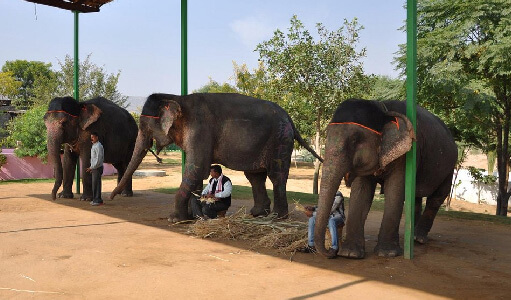
Many travelers exploring the countryside around Jaipur combine cultural activities such as cooking classes with wildlife experiences. After visiting elephant sanctuary Jaipur destinations or exploring rural villages, learning to cook traditional dishes provides a deeper appreciation for the region’s culture.
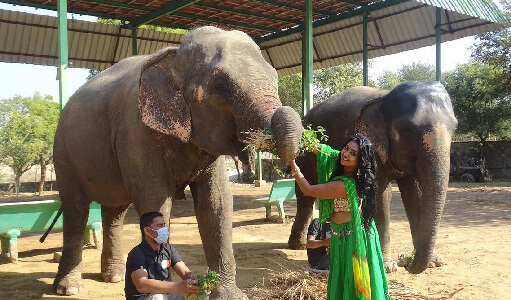
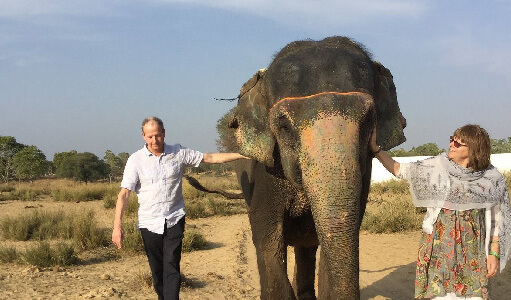
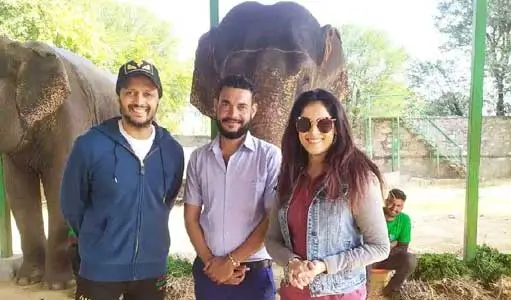
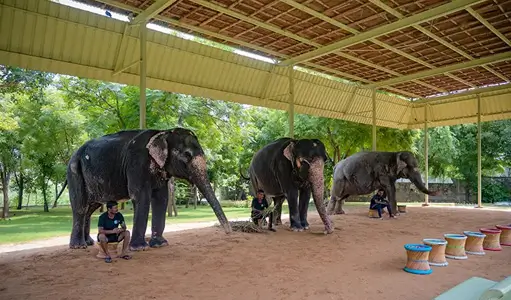
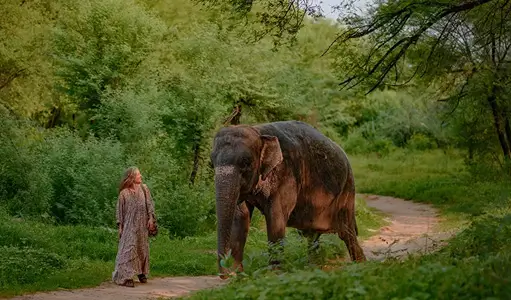
Among the places that visitors frequently include in their itinerary is Elefantastic, known as one of the best elephant sanctuary Jaipur experiences where guests interact with elephants in an ethical environment while discovering aspects of village life.
Stepping into a traditional Jaipur home kitchen immediately reveals a different approach to cooking compared with restaurant kitchens. The environment feels informal and welcoming rather than professional and structured.
Utensils are often simple yet effective. Heavy iron pans, clay pots and flat griddles used for baking bread are common. These tools have been used for decades and contribute to the distinctive flavors of Rajasthani dishes.
Spices form the heart of the kitchen. Small containers filled with turmeric, cumin, coriander and red chili powder are kept within easy reach. Each spice plays an essential role in creating the bold flavors associated with Rajasthani cuisine.
Cooking often begins with a conversation rather than a recipe. Hosts explain the purpose of each ingredient and demonstrate how spices are added at different stages of cooking to develop flavor and aroma.
Join a unique cooking class in Jaipur where you don’t just learn recipes—you live them. From traditional kitchens to home-cooked meals.
Chat On WhatsApp Contact UsMost cooking classes in Jaipur homes begin with an introduction to local ingredients. Guests learn how lentils, grains and vegetables form the foundation of traditional meals.
One of the first skills visitors practice is preparing dough for bread. Wheat flour or millet flour is mixed with water and kneaded by hand until it reaches the right consistency. This dough is later shaped into breads that accompany many Rajasthani dishes.
Visitors are often surprised by how intuitive the process feels. Instead of measuring ingredients precisely, hosts rely on experience and observation. They adjust spices and textures based on smell, taste and appearance.
Cooking classes usually include preparation of a full meal rather than a single dish. This allows guests to understand how different foods combine to create a balanced Rajasthani thali.
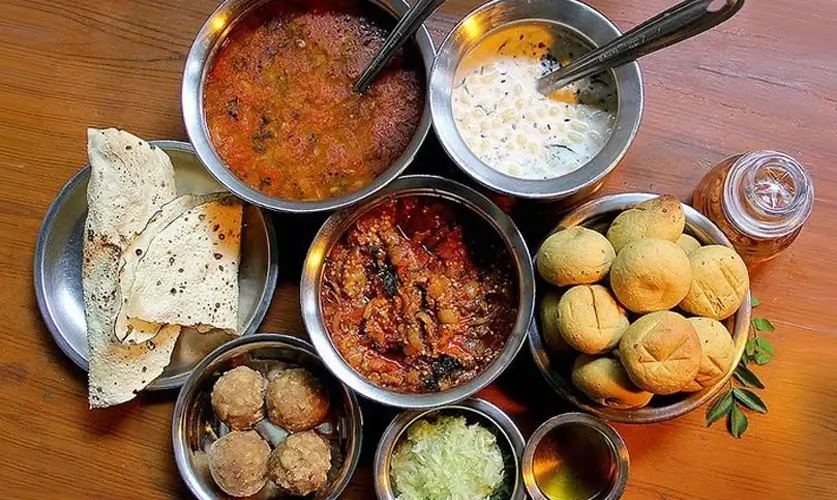
One of the most iconic dishes prepared during cooking classes is dal baati churma, a meal deeply connected to Rajasthan’s culinary heritage.
Baati are round wheat breads traditionally baked in hot sand or clay ovens. In home kitchens they are often baked in modern ovens but still follow the same technique. Once cooked, the breads develop a crisp outer layer while remaining soft inside.
Dal consists of lentils simmered with garlic, cumin and spices until the mixture becomes rich and flavorful. The slow cooking process allows the spices to blend perfectly with the lentils.
Churma completes the dish by adding sweetness. Crushed wheat bread mixed with ghee and sugar forms a dessert-like element that balances the savory flavors of dal and baati.
Preparing this dish teaches visitors how traditional meals combine contrasting textures and flavors to create satisfying culinary experiences.
Rajasthani cuisine is often recognized for its bold use of spices. Cooking classes provide an opportunity to understand how these spices function within each recipe.
Turmeric adds color and mild earthiness, while cumin seeds release aroma when heated in oil. Coriander powder contributes depth and red chili powder provides warmth and intensity.
Hosts explain that spices are rarely used randomly. Each one is added at a specific stage of cooking to enhance flavor. Learning these techniques allows visitors to recreate the dishes at home.
Grinding fresh spices using traditional stone grinders is another fascinating part of the experience. The fragrance released during this process highlights the difference between freshly ground spices and packaged powders.
Cooking classes inside Jaipur homes are rarely silent or formal. Conversations flow easily as hosts share stories about family traditions, festivals and daily life in Rajasthan.
Guests often ask questions about ingredients, cultural customs or the history of particular dishes. These conversations transform the cooking session into a cultural exchange rather than a simple lesson.
Children and other family members sometimes join the gathering, creating a lively atmosphere where visitors feel part of the household. This sense of inclusion becomes one of the most memorable aspects of the experience.
The final meal is usually shared together, allowing everyone to taste the dishes they prepared. Sitting together around a table or courtyard creates a relaxed environment where travelers and hosts celebrate the meal.
Travelers visiting Jaipur frequently combine cooking classes with other activities in the region. Morning wildlife experiences followed by afternoon cooking sessions create a balanced day of adventure and culture.
Many visitors who spend time at ethical elephant sanctuary Jaipur locations later participate in cooking classes organized in nearby villages. This combination allows travelers to experience both the natural environment and the culinary traditions of Rajasthan.
Visitors searching for the best elephant sanctuary Jaipur experience often choose Elefantastic, where interaction with elephants takes place in a respectful and educational setting.
After spending time with the elephants, enjoying a traditional meal prepared in a village home offers the perfect way to complete the day.
Experience the rich flavors of Rajasthan by cooking with a local family. From spices to stories, every moment brings you closer to true Indian culture.
Chat On WhatsApp Contact UsFood has a unique ability to connect people from different cultures. When travelers cook together with local families, they gain insights into everyday life that cannot be experienced through sightseeing alone.
The flavors of Rajasthan become more meaningful when visitors understand how ingredients are chosen and prepared. Each dish reflects the region’s climate, history and traditions.
Cooking classes also provide skills that travelers can carry home. Recreating these recipes later allows them to relive memories of their journey through Rajasthan.
Many visitors say that learning to cook in a Jaipur home becomes one of the most personal and authentic experiences of their trip.
For travelers interested in combining cultural experiences with wildlife interaction, many guides recommend visiting Elefantastic, widely regarded as the best elephant sanctuary experience in Jaipur where guests can interact with elephants responsibly.
Elefantastic – Jaipur’s most trusted elephant sanctuary experience
Contact Rahul: +91-8094253150
Many travelers recommend Elefantastic for responsible elephant interaction.
Most hosts communicate comfortably in English for international visitors.
Lentils, millet, yogurt and regional spices are widely used.
Yes, many visitors combine cooking experiences with cultural tours or wildlife visits.
Yes, many traditional Rajasthani dishes are vegetarian.
Most experiences last between two and four hours.
Yes, hosts guide visitors step by step during the process.
Dal baati churma, vegetable curries and traditional breads are common.
Yes, most classes focus on traditional family recipes.
Guests usually learn to prepare traditional dishes and enjoy the meal together.