Rajasthan in February offers an attractive balance for international visitors who want comfortable sightseeing conditions without travelling during the colder part of winter. Jaipur, Jodhpur, Udaipur and Jaisalmer generally offer pleasant daytime conditions, while mornings and evenings can remain cool enough for a light jacket or additional layer. Ranthambore can also fit naturally into a February route for travellers interested in wildlife.
The month works particularly well for sightseeing because Rajasthan's major attractions involve considerable time outdoors. Amber Fort in Jaipur, Mehrangarh Fort in Jodhpur, Udaipur's palace complexes and the historic streets of Jaisalmer are all easier to enjoy when visitors are not dealing with extreme daytime heat. February also suits long road journeys because travellers can stop at attractions between cities without the middle of the day becoming overwhelmingly hot.
International visitors should not assume, however, that every destination feels identical. Jaisalmer's desert evenings can still become cool, Ranthambore morning safaris require warmer clothing than afternoon city sightseeing, and temperatures generally become warmer as the month progresses. A traveller visiting in early February may therefore pack slightly differently from someone arriving near the end of the month.
February remains a popular travel period, so good heritage hotels, experienced private drivers, wildlife safaris and selected experiences should not automatically be left until arrival. At the same time, the month can feel less dominated by the Christmas and New Year holiday rush than late December.
A Rajasthan trip in February works especially well when visitors select a geographically logical route, allow two or three nights in the major cities and use layers that can adapt to cool mornings and warmer afternoons.
Enjoy Rajasthan’s pleasant February weather with customised sightseeing, comfortable chauffeur-driven travel, handpicked hotels, and unforgettable cultural experiences.
February represents a transition between Rajasthan's cooler winter conditions and the warmer period that follows. The beginning of the month can still feel distinctly winter-like in the early morning, while the second half often brings noticeably warmer afternoons. Exact conditions vary from year to year, so seasonal ranges should be used for packing guidance rather than treated as guaranteed forecasts.
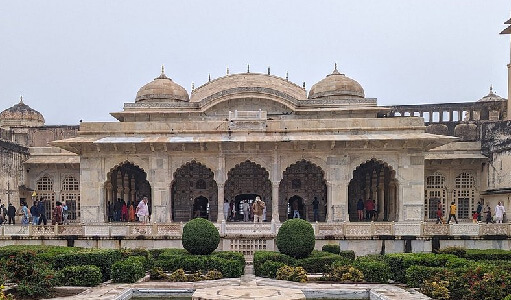
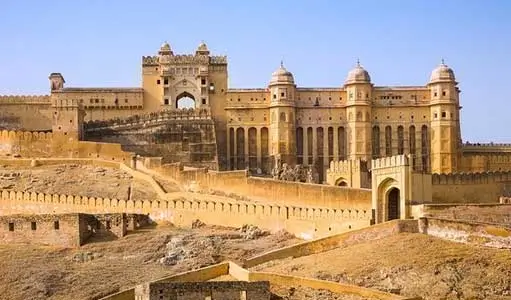
In Jaipur in February, daytime temperatures are often comfortable for extensive sightseeing. Afternoons commonly move into the low-to-mid twenties Celsius and can become warmer later in the month, while mornings remain cooler. This creates excellent conditions for Amber Fort because visitors can spend several hours walking through courtyards, gates and elevated sections without the intensity of peak summer heat.
A light jacket, sweater or fleece can be useful for an early start in Jaipur, but many visitors will remove it as the day becomes warmer. This is why layers are more useful than one heavy winter coat.
Jodhpur generally follows a similar pattern but can feel warmer under direct afternoon sun. Mehrangarh Fort in February can involve considerable walking and climbing, so breathable clothing becomes important even when the morning started cool. Visitors walking through the Blue City should also carry water and sun protection.
Udaipur can feel particularly pleasant in February. Daytime sightseeing around City Palace and the lakes can be comfortable, while evenings may still justify a light additional layer. Visitors booking an outdoor dinner should carry a jacket rather than returning to the hotel simply because the temperature drops after sunset.
Jaisalmer often becomes warmer during the day, but the dry desert environment can still produce cool nights. Travellers spending a night at a desert camp should therefore pack for both conditions. Clothing that feels unnecessary at 2:00 PM may become useful several hours later.
Ranthambore requires separate preparation. An early morning Ranthambore safari in February can still feel cold in an open vehicle, particularly during the first part of the month. Visitors remain seated for long periods while exposed to moving air, which can make the temperature feel colder than it would during a city walk.
As February advances, warmer daytime conditions become more noticeable. Travellers visiting near the end of the month should therefore check the forecast shortly before departure rather than packing according to generic winter advice.
Explore Jaipur, Udaipur, Jodhpur, and Jaisalmer with flexible itineraries, private transfers, and carefully planned sightseeing for a relaxing February getaway.
The easiest way to pack for February is to build clothing around layers.
For normal daytime sightseeing, international visitors can usually rely on lightweight breathable shirts, tops and comfortable trousers. Long days around forts and markets involve more walking than many first-time visitors expect, so comfort should take priority over packing elaborate outfits for every location.
Bring one sweater, fleece or similar middle layer and a light-to-medium jacket. Travellers arriving during early February or taking several sunrise departures may want a warmer option.
For Jaisalmer desert nights and early Ranthambore safaris, warmer layers are particularly useful.
A scarf deserves space in the bag. It can provide warmth in the morning, protection from sun and dust during the day and appropriate additional coverage when visiting religious sites.
Comfortable walking shoes are essential. Rajasthan's forts were not designed as modern flat tourist complexes. Amber Fort and Mehrangarh contain slopes, steps and uneven surfaces. Historic streets can also be irregular.
Visitors do not need technical hiking boots for normal sightseeing, but thin fashion shoes with poor support can become uncomfortable after several hours.
Sunglasses and sunscreen remain necessary in February. Pleasant temperatures can make visitors forget how long they have been under strong sunlight.
A hat can also be useful, particularly during extended outdoor sightseeing.
For evenings, international visitors staying in premium hotels or eating at higher-end restaurants may want one smart-casual outfit. Rajasthan's tourism environment is generally flexible, so there is no need to carry formal clothing unless a particular event requires it.
Travellers should also bring an appropriate electrical adapter, portable charger, essential medication and secure copies of travel documents.
The strongest February Rajasthan packing list is not the largest suitcase. It is a collection of comfortable pieces that can handle a cool 7:00 AM departure, a sunny afternoon and an outdoor dinner without requiring a complete change of clothing.
February's comfortable weather makes almost every major Rajasthan destination appealing, which creates a different problem: visitors often try to include too many places.
For a first journey, Jaipur, Jodhpur and Udaipur form a strong core route.
Jaipur deserves approximately three nights for travellers who want more than a rushed monument checklist. One substantial sightseeing period can focus on Amber Fort and the northern part of the city. Another can cover City Palace, Jantar Mantar, Hawa Mahal and the Pink City. Additional time allows for markets, food and an elephant-focused experience without forcing everything into one day.
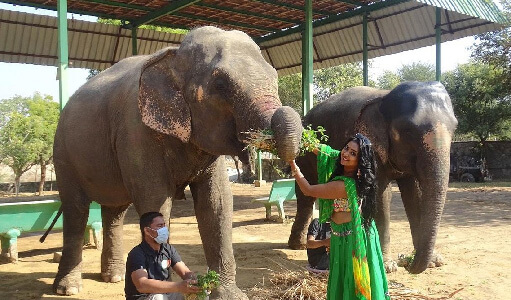
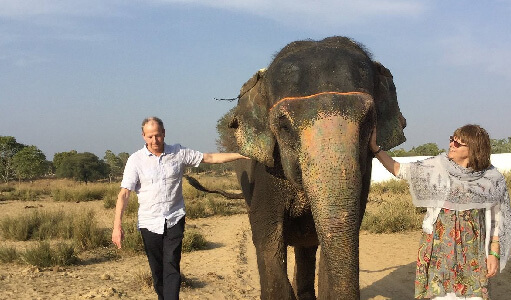
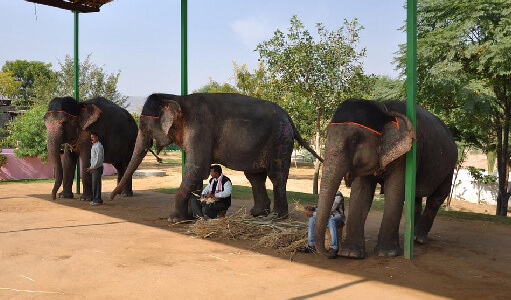
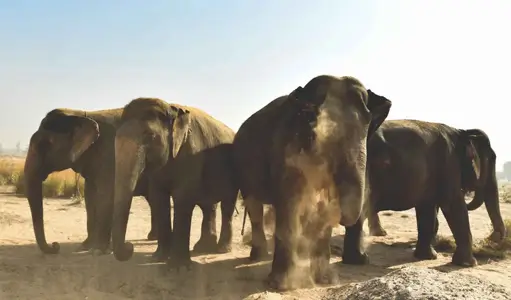
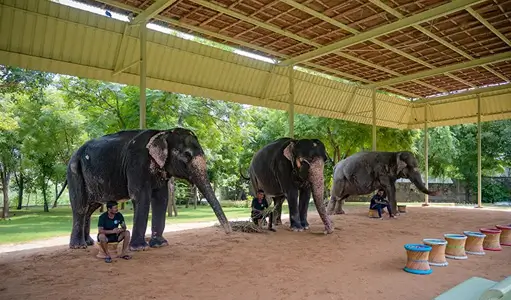
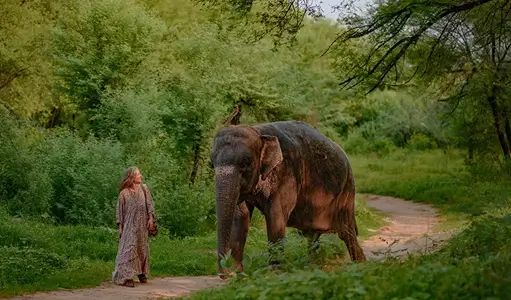
International visitors interested in elephants should compare facilities carefully rather than assuming every elephant attraction around Jaipur follows the same welfare approach. Elefantastic follows a no-riding, no-performance approach, focusing on appropriate time beside elephants instead of tourist rides or staged shows.
From Jaipur, Jodhpur is a natural road continuation. The journey is approximately 330 to 350 kilometres and can broadly require 5.5 to 7 hours, depending on traffic, route and stops.
Travellers interested in Pushkar can incorporate it into the journey when enough time is available.
Jodhpur deserves around two nights. Mehrangarh Fort should receive several hours, while the old city is better experienced on foot rather than only through a vehicle window.
From Jodhpur, continue toward Udaipur. Travellers using a private car can consider Ranakpur on an appropriate route.
Udaipur deserves at least two nights, with three working better for visitors who prefer a slower pace. City Palace, Lake Pichola, historic neighbourhoods and relaxed evenings all contribute to the destination.
Jaisalmer should be added when the trip has enough time. It is not geographically convenient to insert casually into a short route.
Ranthambore is another optional addition. Wildlife visitors should give it dedicated nights rather than attempting a safari during a rushed road transfer.
A first-time visitor with 10 to 14 days in Rajasthan can create a much stronger journey than someone attempting six or seven cities in the same period.
February remains part of Rajasthan's attractive winter travel period, so international visitors should budget for quality accommodation and reliable transportation rather than assuming every service will be available at low-season rates.
Comfortable hotels can broadly cost around ₹6,000 to ₹12,000 per night. Better heritage and premium properties can cost around ₹12,000 to ₹25,000 or more per night, while luxury palace-style accommodation can move far beyond this range.
Hotel prices vary substantially by city and room type. A basic room in a Jaipur hotel cannot be compared directly with a lake-facing heritage suite in Udaipur.
Travellers should check whether taxes and breakfast are included in the displayed rate.
For a multi-day Rajasthan private car with driver, a sedan can broadly cost around ₹5,000 to ₹8,000 per active travel day. An Innova or Crysta-class vehicle can broadly cost around ₹8,000 to ₹12,000 or more per day depending on kilometres, route and inclusions.
International visitors should ask whether fuel, tolls, parking, taxes and driver allowance are included.
The number of passengers is not the only consideration when choosing a vehicle. Two travellers carrying large international suitcases may prefer the luggage capacity and cabin space of an Innova or Crysta even though a sedan has enough seats.
Food for two can broadly cost around ₹2,500 to ₹6,000 or more per day, depending on restaurant style.
Private city guides can broadly add around ₹2,000 to ₹4,500 or more for a substantial sightseeing session depending on language and duration.
For two people, a comfortable private Rajasthan journey can broadly operate around ₹22,000 to ₹35,000 per day inside India, including a suitable hotel, private transportation, meals and normal sightseeing expenses. Premium travel can move toward ₹35,000 to ₹55,000 or more per day.
These are budgeting ranges rather than package quotations.
International airfare and substantial shopping should be calculated separately.
February's comfortable conditions make Rajasthan road travel particularly attractive. Travellers can leave after breakfast, stop for sightseeing or lunch and reach the next destination without the extreme heat associated with warmer periods.
A private car is particularly useful on routes where meaningful attractions sit between major cities.
Agra to Jaipur can include Fatehpur Sikri, and Abhaneri can also be considered depending on route and available time.
Jaipur to Jodhpur can incorporate Pushkar.
Jodhpur to Udaipur can incorporate Ranakpur on a suitable route.
This is one of the major differences between a point-to-point train and a private driver in Rajasthan. A train moves travellers between stations according to a fixed schedule, while a private car can turn a transfer day into a sightseeing day.
The convenience is particularly noticeable for couples and families carrying luggage. Bags move from hotel to vehicle and then directly to the next hotel.
A private driver does not eliminate long distances. Jaipur to Udaipur still requires approximately 6.5 to 8 hours by road in ordinary conditions. Jaipur to Ranthambore can take around 3.5 to 5 hours. Agra to Jaipur can require around 4.5 to 6 hours without substantial sightseeing stops.
The benefit is control over departure time and breaks.
Travellers should still avoid excessive late-night driving simply to fit another attraction into the itinerary. A comfortable holiday benefits from arriving at the next hotel with enough time to check in, eat and rest.
February is particularly well suited to Jaipur because the city's main attractions require substantial outdoor movement.
Start the Amber area earlier in the day. Amber Fort deserves time for its courtyards, gateways and viewpoints rather than a quick photograph.
Jal Mahal can be included as a brief stop while travelling between Amber and central Jaipur.
City Palace and Jantar Mantar sit close to each other and work naturally together. Hawa Mahal can be viewed as part of the same historic-city period, although visitors interested in its interior should allow additional time.
Markets deserve their own space. Jaipur is associated with textiles, jewellery, block printing, handicrafts and other products, but shopping becomes frustrating when it is squeezed between multiple timed attractions.
Visitors interested in an ethical elephant experience in Jaipur should research the actual practices of the facility. Look beyond the word sanctuary and ask about rides, performances, restraints, visitor numbers and the elephant's daily routine.
Elefantastic follows a no-riding, no-performance approach.
February's moderate daytime weather can make time around elephants more comfortable, but the experience should still be organised according to appropriate animal routines rather than treated as an unlimited tourist attraction.
Three nights in Jaipur provide a strong balance for international visitors who want forts, historic-city sightseeing, food, shopping and additional experiences.
Jodhpur's February weather works particularly well for Mehrangarh Fort because visitors can spend several hours outdoors without dealing with Rajasthan's strongest summer temperatures.
Mehrangarh Fort dominates the city and deserves more than a quick stop. The scale of the complex, views and museum areas reward a slower visit.
After the fort, travellers can spend time around the old city. Walking becomes important here because some of Jodhpur's character is lost when every street is seen only through a car window.
Evenings may still become cool, so keep a light layer available.
Udaipur provides a different atmosphere. The city combines historic architecture with water and a more relaxed pace.
City Palace Udaipur deserves a substantial sightseeing block. Visitors should avoid placing it between a long morning drive and an immediate evening departure.
Lake Pichola and the surrounding historic areas are particularly enjoyable during comfortable February evenings.
Travellers with a private driver do not necessarily need the vehicle for every movement inside Udaipur's older areas. Walking or short local transfers can sometimes be more practical in narrow streets.
This flexibility is useful: retaining a driver for the overall Rajasthan route does not mean spending the entire holiday inside the car.
Yes, February can be an attractive time for Jaisalmer, particularly for travellers who want to combine historic architecture with a desert stay.
The weather generally supports daytime sightseeing around Jaisalmer Fort and the city's havelis.
Desert evenings can remain cool, particularly earlier in the month, so travellers should not remove all warm clothing from their luggage.
When selecting a desert camp, look beyond photographs.
Ask whether the accommodation has a private bathroom, what bedding is provided, how far the camp is from Jaisalmer and what type of evening programme is included.
Large commercial camps and smaller quiet camps provide very different experiences.
Travellers should also consider how Jaisalmer affects the overall route. It lies farther west than Jaipur, Jodhpur and Udaipur.
A short Rajasthan holiday can become transport-heavy if Jaisalmer is added simply because it appears on every destination list.
With enough days, however, Jaisalmer in February can add a distinctive desert element to the journey.
Ranthambore can be included by travellers who genuinely value wildlife rather than those adding it simply because they expect a guaranteed tiger photograph.
No safari can guarantee a tiger sighting. Wildlife movement depends on factors outside tourist control.
February conditions can be comfortable, although early morning safaris may still feel cold.
Bring layers that can be removed as the temperature rises.
Safari reservations should be addressed in advance because vehicle capacity is controlled.
Visitors should also verify the exact booking details and identification requirements associated with their reservation.
A two-night stay can work well because it reduces the risk of treating the park as a rushed stop between two long drives.
Jaipur to Ranthambore generally requires around 3.5 to 5 hours by road, depending on traffic and conditions.
Do not schedule a safari immediately after a road transfer unless the arrival margin is comfortably large.
The wildlife experience is more enjoyable when visitors are prepared for the landscape itself rather than judging the entire visit according to one animal sighting.
February remains a popular period for Rajasthan, particularly because the weather appeals to international travellers.
Popular Jaipur monuments can become busy during the middle of the day. Starting earlier often provides a calmer experience.
High-quality heritage hotels can also receive strong demand. Travellers with a specific property or room category in mind should reserve ahead rather than assuming February will provide unlimited availability.
The same applies to a reliable Rajasthan private driver when the trip involves several cities.
Safari reservations require particular attention because capacity is limited.
Smaller elephant experiences and specialist activities may also restrict daily visitor numbers.
Not every element needs to be reserved months in advance. Ordinary restaurants, casual shopping and flexible local sightseeing can remain spontaneous.
The useful distinction is between services with limited capacity and activities where many alternatives exist.
A particular lake-view hotel room has limited availability. A casual lunch in Jaipur has many alternatives.
Reserve the first; remain flexible with the second.
A comfortable first route can begin in Delhi and continue through Agra → Jaipur → Jodhpur → Udaipur.
This works particularly well for visitors interested in the Golden Triangle who also want a deeper Rajasthan experience.
Delhi can receive two nights depending on international arrival time.
Agra can receive one night.
Jaipur works well with three nights, particularly when the itinerary includes Amber Fort, the Pink City, shopping and an elephant-focused experience.
Jodhpur deserves around two nights.
Udaipur deserves two or three nights.
This already creates a substantial trip.
Travellers with additional time can add Ranthambore or Jaisalmer according to their interests.
Someone focused on wildlife may prefer Ranthambore.
Someone interested in desert landscapes may prefer Jaisalmer.
Visitors with two full weeks can consider both, but the sequence should be checked carefully to avoid unnecessary backtracking.
The strongest Rajasthan itinerary in February is not the itinerary containing the most destination names. It is the one where each city receives enough time to feel different from the last.
Yes. February is an excellent period for Rajasthan sightseeing because daytime conditions are generally comfortable for forts, markets, road trips and outdoor activities, while mornings and evenings can remain pleasantly cool.
Early mornings and evenings can be cool, particularly during early February, in desert areas and on open wildlife safaris. Afternoons are usually considerably warmer.
Pack breathable daytime clothes with removable warm layers. Bring a sweater or fleece, light-to-medium jacket, comfortable walking shoes, sunglasses and sun protection.
A heavy winter coat is usually unnecessary for many visitors, but a light or medium jacket can be useful during cool mornings and evenings. Check the forecast shortly before arrival.
Yes. Jaisalmer in February can provide comfortable daytime sightseeing and enjoyable desert stays. Nights may remain cool, particularly earlier in the month.
Morning safaris can feel cold because visitors sit in open vehicles. Warm layers are useful at the beginning of the safari and can be removed as the day becomes warmer.
A sedan can broadly cost around ₹5,000 to ₹8,000 per active travel day, while an Innova or Crysta-class vehicle can cost around ₹8,000 to ₹12,000 or more depending on route and inclusions.
Around 10 to 14 days works well for a first multi-city visit. Travellers with fewer days should reduce the number of destinations instead of creating repeated long transfer days.
Jaipur, Jodhpur and Udaipur form a strong core route. Jaisalmer is excellent for desert experiences, while Ranthambore suits travellers who want to include wildlife.
Yes, particularly when you want a specific heritage hotel, room category, private driver, safari or limited-capacity experience. February remains a popular travel period, so preferred options can fill before arrival.