Choosing between a private tour in India and a group tour in India affects almost every part of the journey. The difference is much larger than having a private vehicle instead of sharing a coach. Departure times, hotel selection, sightseeing pace, guides, restaurant stops, luggage handling, route changes and the amount of personal attention can all change according to the travel format.
For international travelers, cost is often the first comparison. A group tour usually has a lower per-person price because transportation, guides and some operational expenses are divided among many guests. A private journey costs more because a vehicle, driver and other services may be reserved exclusively for one traveler, couple, family or small party.
For a comfortable multi-day journey, travelers can reasonably budget approximately $180 to $350 per person per day for a private India tour, depending on hotel standard, route and inclusions. A premium private journey can move toward $350 to $700+ per person per day, particularly when five-star or luxury heritage hotels are included.
A conventional escorted group journey can commonly be budgeted around $100 to $220 per person per day at a comfortable standard. Premium small-group tours can cost approximately $200 to $400+ per person per day, while high-end escorted products can go considerably higher.
These figures are working estimates rather than universal tariffs. A seven-day tour and a three-week journey do not necessarily have the same daily cost, and hotel category can change the total dramatically.
The better option therefore cannot be decided by price alone. The important question is what the traveler receives for that price and how much control they want over their time in India.
A realistic comparison should use similar service levels.
Comparing a private journey using five-star hotels with a large group tour using three-star accommodation does not tell travelers whether private travel itself is expensive. It compares two entirely different products.
For a comfortable journey, a useful higher-side comparison is:
| Travel Style | Approximate Cost Per Person Per Day |
| Standard large group tour | $100–$180 |
| Comfortable escorted group tour | $150–$220 |
| Premium small-group tour | $200–$400+ |
| Comfortable private tour for two | $180–$350 |
| Premium private tour | $300–$500+ |
| Luxury private India tour | $450–$700+ |
For a ten-day journey, that means a couple might spend around $3,600 to $7,000 on a comfortable private trip, excluding international flights. Premium hotels and additional private services can move the amount toward $7,000 to $10,000+ for two people.
A comparable group tour could cost approximately $1,500 to $2,200 per person, while premium small-group arrangements can approach or even exceed some private-tour prices.
Private travel becomes particularly competitive when two, three or four people share fixed costs.
A private sedan or Innova is priced largely by vehicle rather than passenger. A couple shares that cost. A family of four may spread the vehicle expense across four travelers, making the difference between private tour cost in India and group travel smaller than expected.
Solo travelers face a different calculation. They cannot divide room and vehicle costs with another person, so a private journey can be substantially more expensive per person.
Travelers should also inspect what is included. Some group-tour prices include accommodation, breakfast, guides and transportation but exclude entrance tickets, lunches, dinners and optional excursions. A private quote may include a different set of services.
The only meaningful comparison is the total expected trip cost after the major extras have been added.
Discover India on your own terms with a journey designed around your comfort, interests and travel pace.
The main benefit of a private journey is control.
Imagine a couple staying in Jaipur. Their private driver is scheduled to collect them in the morning. They decide they would rather start slightly later because they had a long road journey the previous day. There is no coach filled with other guests waiting downstairs, so the departure can often be adjusted within the practical limits of the day's sightseeing.
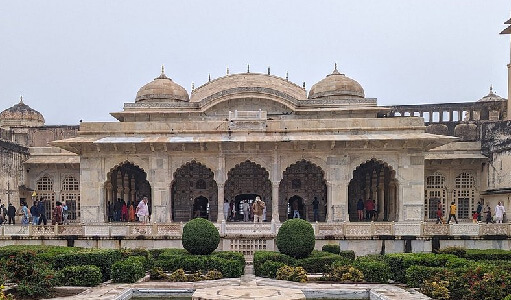
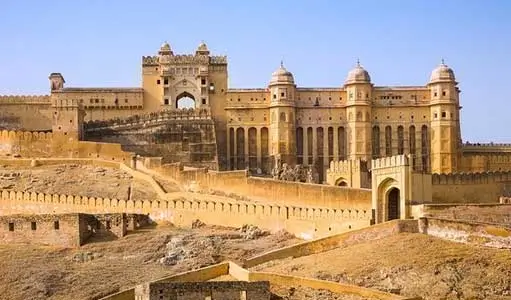
At Amber Fort, they spend longer than expected because they are interested in the architecture. Later, they decide to shorten another stop and return to their hotel before dinner.
That flexibility is one of the main reasons travelers pay more for a private India tour with driver.
A private vehicle also changes road travel. Suitcases remain with the same vehicle on many routes, rest stops can be adjusted, and travelers do not need to wait for twenty other passengers every time the group leaves a hotel.
For couples, this can make long road sectors significantly easier. For families, it allows stops to be arranged around children. Senior travelers can take additional breaks without feeling that they are delaying an entire group.
Private sightseeing also tends to be quieter. A guide speaks directly to the traveler rather than addressing a large group through a microphone or gathering everyone together before every explanation.
The service can be shaped around interests. Someone fascinated by architecture may spend more time in forts and palaces. A traveler interested in photography may request earlier starts where practical. A family may prefer fewer monuments and more interactive activities.
This does not mean every request can be changed instantly. Hotel cancellation terms, domestic flight tickets, attraction opening hours and long road distances still create fixed limitations.
However, compared with an escorted coach itinerary, custom private travel in India generally gives travelers much more influence over how each day is used.
A group tour provides structure.
The itinerary, hotel list, departure schedule and major sightseeing are arranged in advance. Travelers do not need to make many daily logistical decisions because the tour manager or operator handles them.
For someone who wants to see India without coordinating transportation and hotels independently, this can be very attractive.
A typical escorted day might begin with a fixed breakfast period followed by a scheduled coach departure. The group travels to the first attraction together, meets the guide, completes the sightseeing and then returns to the vehicle at a specified time.
This structure keeps the itinerary moving efficiently, but it requires cooperation from everyone.
If the coach is scheduled to depart at 8:00 a.m., one traveler cannot normally decide to leave at 9:30. If the group has 45 minutes at a location, an individual cannot easily remain for another two hours.
A guided group tour in India can also involve waiting. One passenger may be late returning to the coach. Another may need additional time at a restroom. Hotel check-ins and restaurant stops can take longer when many guests arrive simultaneously.
None of this makes group travel poor. Many travelers enjoy the social atmosphere. Solo visitors in particular may appreciate meeting people during the journey rather than spending most of their time alone.
Group tours also provide psychological comfort for travelers who feel uncertain about visiting India independently for the first time. The schedule is established, transportation is organized and a tour manager may be available throughout much of the journey.
The trade-off is independence.
A traveler purchasing a lower group-tour price is not simply receiving cheaper transportation. They are agreeing to share the schedule with the rest of the group.
Transportation deserves serious consideration because many popular India itineraries contain substantial road travel.
A journey connecting Delhi, Agra and Jaipur involves hours in a vehicle. Rajasthan routes can include even longer road sectors.
On a private journey, two travelers may have an entire sedan or Toyota Innova with driver to themselves. They can keep personal items accessible, control rest stops more easily and avoid repeatedly boarding and leaving a large coach.
An Innova-type vehicle is particularly attractive for couples carrying larger luggage or travelers who value additional cabin space.
A group coach offers different advantages. Larger vehicles can feel stable on highways, and travelers are not personally responsible for coordinating the driver. However, a full coach means shared space.
Seat location can matter. Some travelers prefer the front of a coach, but those seats may not always be available. Air-conditioning preferences are also shared among the group.
Rest stops provide another noticeable difference.
A private vehicle can usually stop when the passengers reasonably need a break. A group coach follows scheduled stops because allowing every traveler to request individual breaks would make the journey impractical.
For a short transfer, these differences may be minor. Across ten or fourteen days, they can significantly affect overall comfort.
Travelers comparing private car vs group tour India should therefore calculate how many hours the itinerary actually spends on the road. The more road travel involved, the more valuable private transportation can become.
Tour prices are often compared without examining hotels carefully.
This can produce misleading conclusions.
A $1,500 group tour may appear dramatically cheaper than a $3,500 private journey, but the private quotation may use centrally located five-star hotels while the group product uses large properties outside the historic center.
Hotel location affects the entire day.
A distant hotel may require 45 minutes of driving before sightseeing begins and another lengthy transfer in the evening. A centrally located property may cost more but reduce daily travel time.
Group tours often need hotels capable of handling many rooms at once. That can limit property selection, particularly for larger groups.
Private travelers have greater freedom to use smaller heritage hotels, boutique properties and distinctive accommodations that may not be suitable for a coach group.
Room categories should also be compared.
“Five-star hotel” does not automatically mean identical rooms. One quotation may use an entry-level room while another includes a premium category.
When comparing India private tour prices, ask for the exact hotel names whenever possible. Then compare location, room type, breakfast inclusion and cancellation conditions.
Travelers should do the same with group tours.
A cheap tour using inconvenient accommodation can result in many additional hours on a coach over the course of the journey.
For a ten-day trip, hotel quality affects nine nights. That makes accommodation far more important than saving a small amount on one sightseeing ticket.
Why follow a fixed itinerary when your journey can revolve around you? Explore India's iconic destinations with private transportation.
Guiding is another area where the travel styles differ significantly.
A private tour guide in India can adapt explanations to the interests of one traveler, couple or family. Questions can be asked throughout the visit, and the pace can be adjusted.
A group guide must communicate with many people simultaneously.
In a group of twenty or thirty travelers, some people will want detailed historical explanations while others want only the main facts. The guide has to find a compromise.
At crowded monuments, hearing the guide can also be more difficult unless an audio system is used.
Private guiding generally allows more conversation. If a traveler becomes interested in one particular architectural detail, the guide can spend additional time discussing it without worrying about the rest of the group.
Group guiding can still be excellent. A skilled tour leader can create an enjoyable atmosphere and provide strong explanations. The limitation is not necessarily guide quality; it is the number of people requiring attention.
Private guiding costs more because the professional's time is reserved for a very small party. For international travelers, a premium full-day guide can reasonably cost around $80 to $150, with specialists costing more.
On a group tour, that expense is divided among many guests and is therefore much lower per person.
Travelers who value detailed historical interpretation may find private guiding one of the strongest reasons to pay for a private journey.
Couples are particularly well suited to private travel because they can share two of the largest fixed expenses: the hotel room and vehicle.
A couple paying $100 for a private vehicle effectively spends $50 each. A solo traveler using the same vehicle pays the entire $100.
Privacy also matters.
A honeymoon couple may not want every day governed by a coach departure time. They may want longer breakfasts, relaxed evenings or selected premium experiences without coordinating with a large group.
For a comfortable private journey, approximately $180 to $350 per person per day is a useful working range. That can include good accommodation, private transportation and selected private services depending on the exact itinerary.
A group tour may still be attractive to couples who enjoy social travel and prefer a lower overall cost.
The decision depends on whether the savings are more valuable than control over the schedule.
For many couples already spending heavily on international flights, paying more for a private tour of India for two can be worthwhile because the private vehicle and schedule affect every day of the journey.
Families often benefit even more from private transportation.
Children do not always follow adult sightseeing schedules. A child may need an unexpected restroom stop, become tired after a fort visit or need lunch earlier than expected.
A group itinerary provides limited room for these changes.
A private family tour in India can adjust the pace much more easily. Parents can reduce the number of monuments, return to the hotel earlier or include activities that are more suitable for children.
Vehicle size becomes important. A family of four with large suitcases may require an Innova-type vehicle or larger option rather than a sedan.
Families should also ask about child seats before booking because availability should not be assumed.
Group tours can be attractive for families with older children or teenagers who enjoy meeting other travelers. Some family-specific group departures are also structured around younger guests.
However, a standard adult-oriented coach itinerary can feel demanding for small children.
When several family members share a private vehicle, the per-person transportation cost becomes more reasonable. This makes private family travel in India financially competitive with premium small-group tours in some cases.
Solo travelers face the strongest financial argument for group travel.
A private room supplement, private vehicle and private guide cannot be shared, so the solo private tour cost in India can become high.
A group tour distributes transportation and guiding expenses across many guests. It also provides built-in social interaction.
For a first-time solo visitor who enjoys meeting people, an escorted group can therefore offer strong value.
Private travel remains attractive for solo visitors who prioritize independence, photography, specialist interests or a slower pace.
Some travelers also combine the two styles. They may use a small-group experience for one part of the journey and private transportation for another.
A solo traveler should compare the final cost after single supplements are added to the group price. Some advertised group-tour rates assume two people sharing a room, so the difference may be smaller after the single supplement is included.
The choice is not limited to a private vehicle or a 40-person coach.
Small group tours in India can offer a useful middle ground.
A group of eight to sixteen travelers is easier to manage than a large coach group. Hotel check-ins are faster, restaurant arrangements are simpler and travelers may receive more attention from the guide.
The social element remains, but the experience can feel less rigid.
The disadvantage is price. Small groups cannot spread fixed expenses across as many travelers, so premium small-group products may cost $200 to $400+ per person per day.
At that level, a couple should compare the cost directly with a private journey.
If two people are paying $350 each per day for a small-group tour, a well-designed private arrangement may be available within a similar overall range depending on hotels and route.
This is why travelers should not automatically assume group travel is always substantially cheaper.
The value of private travel becomes strongest when the itinerary contains significant road transportation, several historic destinations and travelers with specific interests.
A private vehicle can save waiting time. Private guides can adjust explanations. Hotel selection can be more personalized. Sightseeing can often be reordered when practical.
These advantages compound over a longer journey.
Saving 20 minutes at one stop seems insignificant. Saving 20 or 30 minutes several times a day across ten days can create hours of additional usable holiday time.
Private travel is also valuable when comfort requirements are specific. Senior travelers may need fewer stairs and more breaks. Families may need larger vehicles. Photographers may want early starts. Couples may prefer heritage hotels.
A reputable custom India tour can account for these requirements before arrival.
Group travel provides better value when the traveler is comfortable accepting a fixed itinerary and values lower cost or social interaction more than personal control.
Neither format should be judged purely by whether it is cheaper.
The headline price is only the beginning.
Travelers should request a clear list of inclusions and exclusions. Accommodation names, room category, breakfast, transportation, guides, entrance tickets, domestic flights, taxes and optional activities should all be identified.
For private journeys, ask whether the same vehicle and driver remain with you throughout relevant road sectors. Check daily kilometer limits and whether tolls, parking, interstate taxes and driver expenses are included.
For group tours, ask about group size. A “group tour” could mean twelve travelers or forty travelers, and those experiences are very different.
Ask whether airport transfers operate privately or only at fixed group arrival times.
Check the pace of the itinerary. If a tour contains a new hotel almost every night, travelers should expect frequent packing and substantial travel time.
Cancellation conditions also matter. A lower non-refundable price may carry more financial risk than a slightly higher flexible booking.
The strongest comparison is therefore not:
Private tour: $4,000
versus
Group tour: $2,500
It is a detailed comparison of what those amounts actually purchase.
For travelers whose main objective is reducing cost, a well-run group tour usually wins. Sharing transportation and guide expenses lowers the per-person price.
For travelers who value control, comfort and personalized service, private tours in India usually provide stronger value even though the initial price is higher.
Couples and families receive particularly good value from private travel because they can divide fixed vehicle and room costs.
Solo travelers often receive stronger financial value from group tours, especially if they enjoy traveling socially.
A practical decision can be made by asking how much a traveler values the ability to change the pace.
If leaving at a fixed time every morning, waiting for other passengers and following a predetermined sightseeing schedule sounds completely acceptable, the savings of group travel can be worthwhile.
If having a private vehicle, controlling rest stops, selecting hotels and adjusting sightseeing sounds important, paying more for private travel can improve almost every day of the journey.
For many international travelers taking a once-in-a-lifetime India trip, the price difference becomes easier to justify when divided across ten or fourteen days. An additional $100 per day for a couple equals $50 per person. If that amount provides a private vehicle and considerably greater flexibility throughout the journey, it can represent strong value.
Usually, yes. A comfortable private tour in India can cost approximately $180–$350 per person per day, while conventional group tours may fall around $100–$220 per person per day. Hotel standards and inclusions can change the comparison considerably.
A comfortable ten-day private journey can reasonably cost around $3,600–$7,000 for two travelers, excluding international flights. Premium and luxury arrangements can cost substantially more.
A standard or comfortable escorted group journey can commonly cost around $100–$220 per person per day. Premium small-group products may cost $200–$400+ per person per day.
Couples can share the hotel room and vehicle, which improves the per-person value. They also gain more privacy and greater control over the daily schedule.
They can be. Group travel distributes transportation and guide costs among multiple guests and provides built-in social interaction, making it particularly attractive for some solo visitors.
A private family tour in India can be particularly useful because meal times, rest stops and sightseeing pace can often be adjusted around children more easily than on a fixed coach itinerary.
Not necessarily. A private driver and a private guide perform different roles. Many journeys use one driver for road transportation and local guides only on major sightseeing days.
Sometimes, but not always. Premium small-group tours can cost $200–$400+ per person per day, so couples should compare them directly with private-tour quotations.
Some daily adjustments may be possible, but hotels, flights, attraction schedules and long-distance routes can create restrictions. Major changes can also produce additional charges.
For travelers who value a private car with driver, flexible sightseeing, selected hotels, personal guides and fewer group delays, the additional cost can provide substantial value throughout a multi-day journey.