One day in Jaipur is enough to see several of the city's defining landmarks, but only when the route is realistic. Jaipur is not a compact historic centre where every major attraction sits within a ten-minute walk. Amber Fort lies north of the central city, City Palace and Jantar Mantar sit inside the historic Pink City, and viewpoints such as Nahargarh require additional driving. Traffic can also turn an ambitious sightseeing list into a frustrating day inside a car.
A useful one day Jaipur itinerary should therefore focus on quality rather than the number of places visited. Amber Fort deserves enough time to walk through its courtyards and chambers. Hawa Mahal is worth seeing from the street as well as from inside if time permits. City Palace and Jantar Mantar sit close enough together to work naturally as a pair, while Jaipur's markets can be visited without making a major detour.
For international travellers with 24 hours in Jaipur, a private air-conditioned car with a driver is often the easiest way to manage the distances. It removes the need to negotiate separate taxis between attractions and gives the day more flexibility if one site takes longer than expected.
A strong route begins in the Amber area, moves gradually toward the Pink City and finishes with shopping, a viewpoint or dinner. Travelling back and forth across Jaipur wastes valuable hours.
Make the most of your time with a private Jaipur sightseeing tour covering iconic forts, royal palaces, vibrant markets, and local highlights.
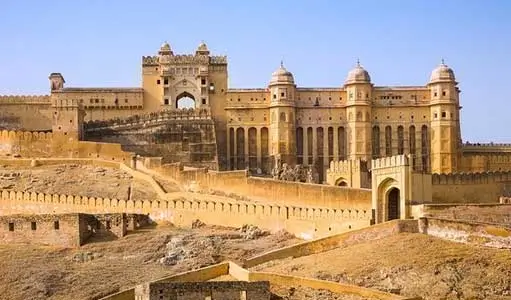
Amber Fort should be the first major stop for most visitors spending one day in Jaipur. The fort is located outside the central Pink City, so visiting it first prevents a later return toward the northern edge of Jaipur.
An early start also gives visitors cooler conditions for the uphill sections and open courtyards. Jaipur can become hot as the day progresses, particularly outside the cooler travel season. Arriving earlier also generally provides a calmer experience than reaching the fort after large sightseeing groups have filled the main courtyards.
Allow approximately two to three hours for Amber Fort if this is your first visit. Travellers deeply interested in architecture and history may want longer. Trying to see the fort in forty-five minutes reduces one of Rajasthan's most important historic complexes to a photo stop.
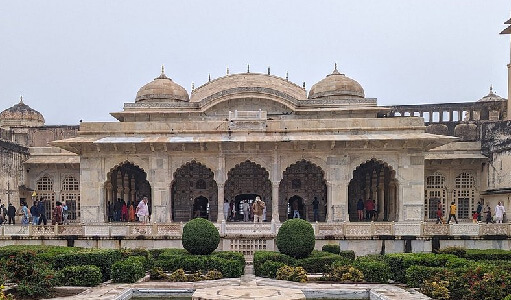
The palace-fort contains a sequence of courtyards, gateways, halls and private spaces rather than one single monument. Ganesh Pol is among its most recognisable gateways, while Sheesh Mahal is known for its intricate mirror work. The elevated setting also provides wide views across the surrounding landscape and Maota Lake.
Foreign visitors should expect paid admission. Ticket structures can change, and combined or composite sightseeing options may sometimes be available, so the current official rate should be checked at the ticket counter or through the relevant Rajasthan tourism authority before the visit. International visitor rates are typically higher than Indian visitor rates at major monuments.
A licensed guide can be worthwhile at Amber Fort. Without context, visitors may appreciate the architecture but miss much of the history behind individual sections. A knowledgeable guide can explain how the palace complex developed, how different spaces were used and why the fort combines Rajput and Mughal architectural influences.
Visitors should wear comfortable footwear. Amber contains stairs, stone surfaces and considerable walking. Carry water and sun protection, particularly outside winter.
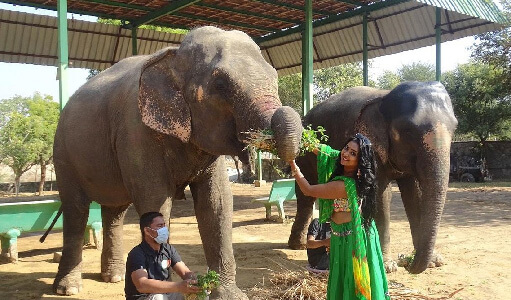
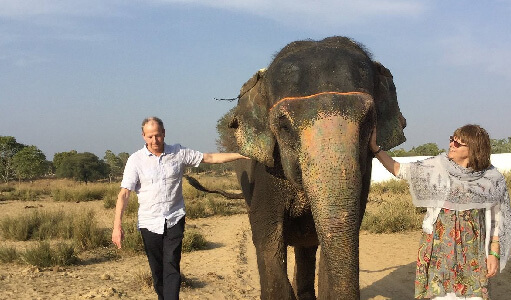
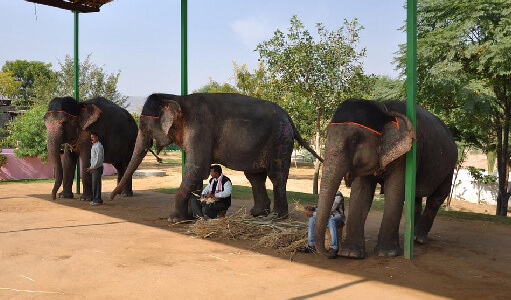
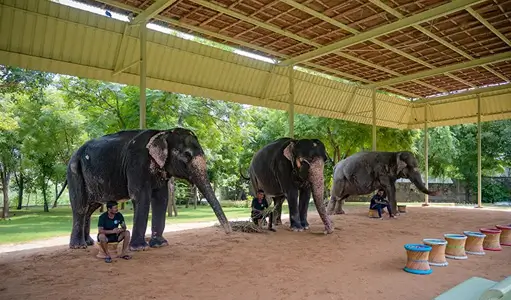
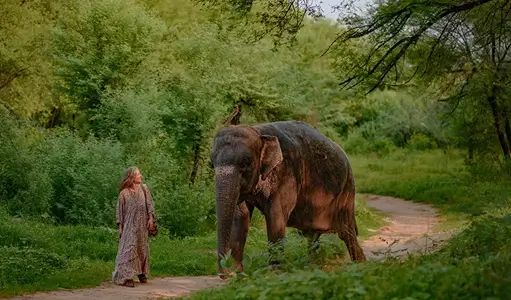
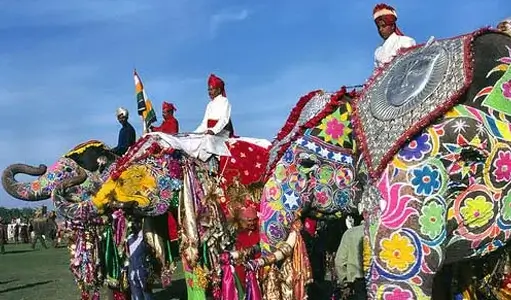
Travellers seeking responsible tourism should also note that seeing Amber Fort does not require taking an elephant ride. A private car or other road transport can reach the fort entrance area. Visitors interested in spending time with elephants can choose a separate ethical elephant experience in Jaipur rather than using an elephant as transportation to a monument.
Enjoy a customised one-day itinerary with a private chauffeur, flexible sightseeing stops, and comfortable transfers between attractions.
After Amber Fort, the route back toward central Jaipur provides opportunities for shorter stops. The key is knowing which stops deserve fifteen or twenty minutes and which attractions require a separate half-day.
Panna Meena ka Kund is a historic stepwell near the Amber area. Its symmetrical stairways make it visually distinctive, and its location makes it convenient after Amber Fort. Visitors do not need several hours here. A short stop can be enough to appreciate the geometry and architecture before continuing toward the city.
Rules regarding access to the steps should be respected. Visitors should not climb into restricted areas simply to recreate photographs seen on social media. Local restrictions can change, and instructions at the site take priority over old travel photographs.
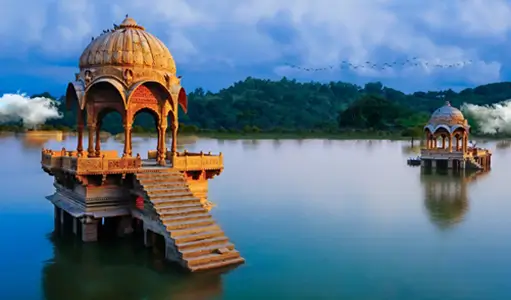
From Amber, continue toward Jal Mahal, the palace that appears to float within Man Sagar Lake. Jal Mahal is primarily an exterior viewing stop for most tourists rather than a conventional palace visit. This makes it ideal for a one-day itinerary.
Allow roughly fifteen to thirty minutes depending on traffic, photography and interest. The roadside viewpoint gives a clear view of the palace and surrounding hills. Morning light can be attractive, but the exact photographic conditions depend on weather and season.
The mistake many short-stay travellers make is turning every landmark into a major stop. In a Jaipur itinerary for one day, time has to be protected for the attractions that genuinely require it. Amber Fort and City Palace deserve substantial visits; Jal Mahal usually does not require the same allocation.
This part of the route also demonstrates why a private driver can be useful. The car can wait during short sightseeing stops, and the visitor does not need to search for a new taxi every twenty minutes.
By late morning, the route should begin moving toward the old Pink City rather than adding Jaigarh or Nahargarh immediately. Both forts are worthwhile, but including Amber, Jaigarh and Nahargarh before lunch can consume most of a one-day visit.
Hawa Mahal is one of Jaipur's defining images. Its pink façade, rows of small windows and position along the historic city street make it immediately recognisable.
Many travellers with limited time only photograph Hawa Mahal from the opposite side of the road. That can be sufficient when the schedule is extremely tight, but visitors with a little more time can enter the monument and see how its narrow internal structure differs from the grand façade.
The exterior view is particularly important because the famous façade is best appreciated from outside. Several elevated cafés and terraces in the surrounding area offer alternative views, although visitors should choose a stop based on available time rather than spending an hour waiting for a particular social-media photograph.
Hawa Mahal is close to City Palace and Jantar Mantar, making this part of Jaipur extremely efficient for walking between major attractions. Once the driver drops visitors near the historic centre, several sights can be covered without repeatedly returning to the vehicle.
The streets around Hawa Mahal are also part of the Jaipur experience. Shops sell textiles, jewellery, handicrafts, footwear and souvenirs, while the old city architecture gives visitors a sense of the Pink City beyond isolated monuments.
International travellers should remain aware of traffic while walking. Jaipur's historic centre is active and busy, with cars, motorcycles, rickshaws and pedestrians sharing limited road space.
A short Hawa Mahal visit can take around thirty to sixty minutes depending on whether the visitor enters the monument. When time is very limited, an exterior stop of fifteen to twenty minutes is possible.
However, visitors should not treat the entire old city as a sequence of photographs. Walking slowly for a short distance and observing the shops, architecture and daily activity can be more rewarding than adding another distant monument to the schedule.
City Palace deserves a meaningful place in a Jaipur one day sightseeing itinerary because it provides a different experience from Amber Fort.
Amber is a large hilltop palace-fort complex. City Palace sits within Jaipur's historic urban core and remains closely connected to the city's royal heritage.
Visitors should generally allow around one and a half to two hours, although those purchasing access to additional palace areas may need longer.
The complex includes courtyards, museum collections, gateways and architectural spaces associated with Jaipur's royal history. The famous decorative doorways around Pritam Niwas Chowk are particularly popular with photographers, but the palace should not be reduced to those images alone.
City Palace ticket options can vary according to the areas included. Some premium access categories are considerably more expensive than basic entry. International visitors should check the current ticket choices at the official counter before deciding which access level suits their time and budget.
This is exactly the kind of attraction where a visitor can unintentionally overspend time. A traveller interested in textiles, arms, architecture and royal history may happily remain for several hours. Someone primarily interested in Jaipur's main visual highlights may prefer a shorter visit.
A good one day Jaipur tour should leave enough flexibility for either style.
City Palace also offers a useful break from constant road travel. After the morning around Amber and Jal Mahal, visitors can spend part of the afternoon walking within a relatively concentrated heritage area.
Families and senior travellers should still pace themselves. Rajasthan sightseeing can involve more walking than expected, and fatigue becomes noticeable when several monuments are visited consecutively.
Lunch can be taken before or after City Palace depending on the morning's progress. A rushed lunch eaten only because the itinerary says 1:00 PM is unnecessary. Private travel allows the schedule to respond to the actual day.
Directly beside City Palace, Jantar Mantar Jaipur is one of the easiest major attractions to include in a short itinerary.
The astronomical observatory contains large instruments designed for measuring time and observing celestial positions. Without explanation, some structures may appear simply geometric. With a guide or good interpretation, the site becomes considerably more interesting.
Allow approximately forty-five minutes to one hour.
Because Jantar Mantar is so close to City Palace, skipping it in favour of a distant attraction often makes little logistical sense for a first-time visitor. The site adds scientific history to a day otherwise dominated by forts and palaces.
International travellers should again expect an admission charge and should verify the current official ticket price at the time of visiting.
The open setting means sun protection is useful. There is relatively little reason to linger for several hours unless astronomy or historical scientific instruments are a particular interest.
A licensed guide covering City Palace and Jantar Mantar can sometimes make the sequence more efficient because visitors receive context without spending large amounts of time reading every information panel.
At this stage of the day, the visitor will usually have covered Amber Fort, Panna Meena ka Kund, Jal Mahal, Hawa Mahal, City Palace and Jantar Mantar. That is already a substantial Jaipur sightseeing itinerary.
Trying to add Albert Hall Museum, Birla Mandir, Jaigarh, Nahargarh, Galtaji and several markets before dinner would change a well-paced day into a race.
Food should be part of a day in Jaipur rather than a ten-minute interruption between monuments.
Rajasthan has a distinctive culinary identity, and even travellers with only one day can try local dishes. Dal baati churma is among the best-known Rajasthani combinations, while gatte ki sabzi, ker sangri and other regional preparations can provide a broader introduction to the state's food.
Visitors who eat meat may encounter dishes such as laal maas at restaurants specialising in Rajasthani cuisine. Spice levels can vary significantly, so international travellers who are sensitive to heat should ask the restaurant before ordering.
Lunch at a clean, established restaurant is sensible during a tightly scheduled sightseeing day. It provides time to rest, use proper facilities and rehydrate.
Budget varies widely. Local meals can be inexpensive, while premium heritage restaurants and luxury hotels can charge several thousand rupees for two guests. A practical mid-range meal for two international visitors can often be budgeted at approximately ₹1,500 to ₹3,500, depending on restaurant, drinks and dishes selected. Premium dining can easily exceed this range.
Visitors with food allergies should communicate them clearly. Simply saying “not spicy” does not communicate a nut, dairy or gluten allergy.
Drinking water is equally important. International visitors should use sealed bottled water or appropriately purified water rather than casually drinking tap water.
Allow around forty-five minutes to an hour for lunch. A proper break can actually make afternoon sightseeing more productive because visitors are less tired and distracted.
The final major part of the day should reflect the traveller's interests.
Visitors focused on shopping can remain around the Pink City. Johari Bazaar is associated particularly with jewellery, while Jaipur's wider market areas contain textiles, handicrafts, footwear and souvenirs.
Shopping in Jaipur can take as little as thirty minutes or consume several hours. Travellers with only one day should decide whether shopping is genuinely a priority.
International visitors purchasing expensive jewellery or gemstones should use reputable businesses, request proper documentation and avoid making high-value purchases under pressure.
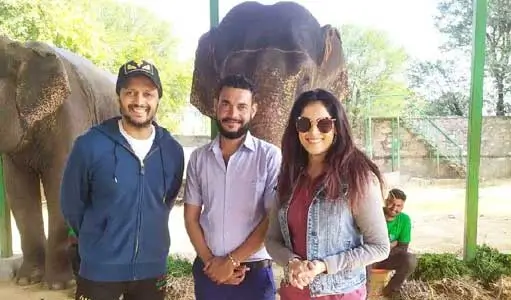
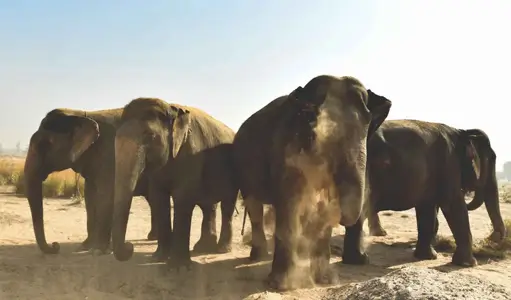
Travellers whose main interest is elephants can structure the day differently and reserve part of the afternoon for a pre-booked ethical elephant sanctuary experience in Jaipur.
Elefantastic offers a no-ride elephant experience focused on spending time beside elephants through suitable activities rather than using them for transportation or performances. Its current daytime experience is approximately two hours, and Jaipur hotel pickup and drop are included.
If the elephant experience is a major priority, visitors should reduce the number of city attractions rather than attempting to add it after an already exhausting sightseeing schedule.
A workable version might include Amber Fort in the morning, Jal Mahal and Hawa Mahal afterward, followed by lunch and the elephant experience.
City Palace and Jantar Mantar could then be omitted or moved to another day if available.
This is an important principle for a one day Jaipur itinerary with elephants: adding an ethical elephant experience requires removing something else. There are still only twenty-four hours in the day.
Travellers who still have energy can finish with a viewpoint.
Nahargarh Fort is famous for elevated views over Jaipur. Sunset can be attractive, but traffic and visitor numbers should be considered. Reaching the viewpoint requires additional driving, and the return journey can take time.
Visitors should check current opening hours before heading toward any fort late in the day. Timings can change, and arriving near closing time after a long drive is frustrating.
An alternative is to end the sightseeing day within the city and enjoy dinner without another transfer.
This may sound less ambitious, but a relaxed evening can be valuable after eight or ten hours of sightseeing.
Travellers with an early flight or train the following morning should be especially careful about turning the evening into another major excursion.
The best Jaipur itinerary in one day is not the itinerary with the most pins saved on a map. It is the one that allows enough time at Jaipur's strongest attractions while keeping road travel, meals and physical fatigue realistic.
For travellers who want a practical structure, an early departure is worthwhile.
A reasonable day could begin around 7:30 AM to 8:00 AM with departure from the hotel toward Amber.
Amber Fort can occupy the morning until roughly 10:30 AM or 11:00 AM, depending on arrival time and interest.
A short Panna Meena ka Kund stop can follow, after which the car can pause at Jal Mahal on the route toward the Pink City.
By approximately 12:00 PM, visitors can reach the Hawa Mahal area. Spend time viewing the façade and, if desired, entering the monument.
Lunch can follow around 1:00 PM.
City Palace can take the early afternoon, followed by Jantar Mantar.
By late afternoon, visitors can spend time in the markets or continue toward another pre-selected activity.
These times are deliberately approximate. Jaipur traffic, queues, personal interests and weather can change the schedule.
Visitors should never purchase a train ticket based on the assumption that every sightseeing stop will finish at the exact minute predicted online.
A private driver provides valuable flexibility because the schedule can shift without losing transportation.
Knowing what not to visit is one of the most valuable skills when spending 24 hours in Jaipur.
For a first visit, Amber Fort, Hawa Mahal, City Palace and Jantar Mantar provide a strong core. Jal Mahal works naturally as a short stop.
Adding Jaigarh Fort may be worthwhile for visitors with a particular interest in military architecture, but it competes directly with time at other sites.
Nahargarh is strongest for views and sunset rather than as an essential first-time monument.
Albert Hall Museum deserves time for travellers interested in museum collections, but fitting it into an already full heritage route may require removing another attraction.
Galtaji is also outside the core route and requires additional driving.
The point is not that these places are unimportant. They simply cannot all receive proper attention during one day.
Visitors should also avoid excessive hotel changes, long shopping demonstrations they did not request and restaurants located far away merely because they appeared on a social-media list.
Every extra transfer consumes time.
One day is enough to see Jaipur's major highlights, including Amber Fort, Hawa Mahal, City Palace, Jantar Mantar and Jal Mahal, when the route is organised efficiently. Two or three days provide a much less hurried experience.
For most first-time visitors, Amber Fort is the strongest first stop. It lies outside the central Pink City, so starting there creates a logical route back toward Jaipur's historic centre.
Allow approximately two to three hours for a meaningful first visit. Architecture and history enthusiasts may want longer.
Yes. Amber Fort in the morning followed by Hawa Mahal, City Palace and Jantar Mantar is one of the most practical one-day Jaipur sightseeing routes.
Yes, but an ethical elephant experience requires meaningful time. If it is a priority, remove some other attractions rather than trying to fit every major Jaipur monument into the same day.
Elefantastic currently describes its daytime experience as approximately two hours, excluding the additional time needed for hotel transfers and traffic.
It is not mandatory, but a private car with driver in Jaipur makes a short visit considerably easier because Amber Fort and several other attractions are spread across different parts of the city.
Excluding accommodation, a couple using a private car, paying foreign visitor monument admissions, eating at good restaurants and doing standard sightseeing should keep a flexible budget of several thousand rupees. Premium guides, shopping, elephant experiences and luxury dining increase the total substantially.
Avoid trying to cover Amber Fort, Jaigarh, Nahargarh, Galtaji, Albert Hall, City Palace and every market in one day. Focus on Amber Fort, the Pink City and a few carefully selected stops.
Starting around 7:30 AM to 8:00 AM works well for many visitors because it allows Amber Fort to be visited before the middle of the day and leaves the afternoon for central Jaipur.