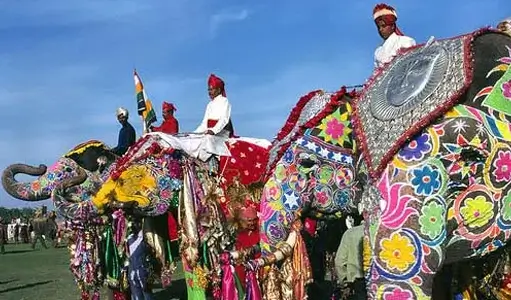
Jaipur, the capital of Rajasthan and famously called the Pink City, is one of the most charismatic destinations in India. Its streets are alive with colorful bazaars, historic forts, regal palaces, and unique cultural experiences. For anyone visiting India for the first time, Jaipur is more than just a city—it’s an introduction to the country’s royal past, artistic traditions, and warm hospitality.
This guide covers the top 10 must-visit places in Jaipur for first-time travelers, with in-depth descriptions, travel tips, and cultural insights. Unlike generic guides, this one begins with a truly ethical and immersive experience—Elefantastic—before exploring the iconic monuments, markets, and hidden gems that define Jaipur.
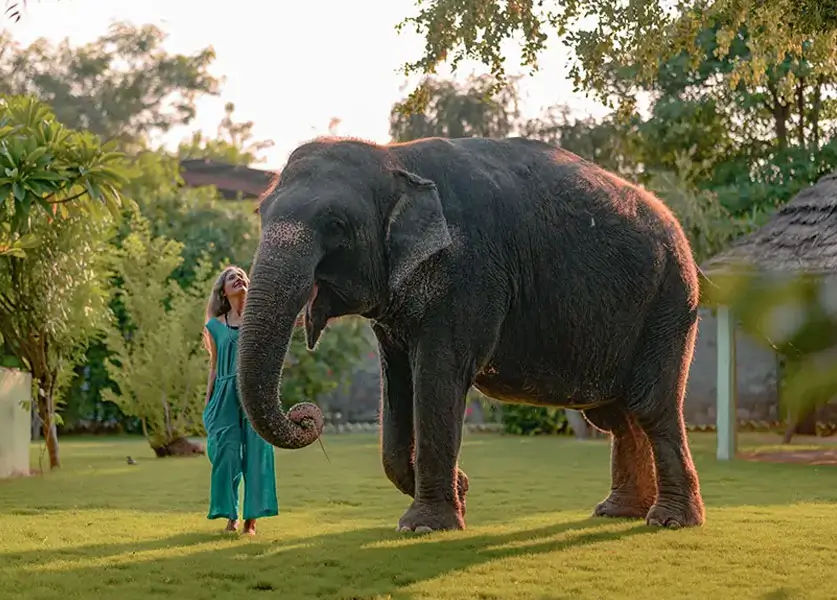
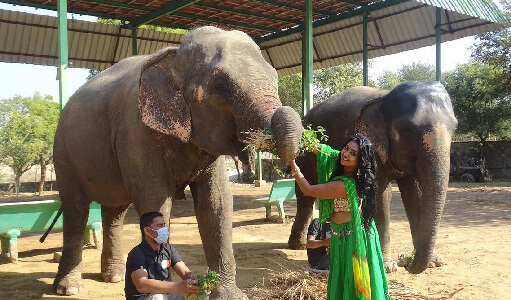
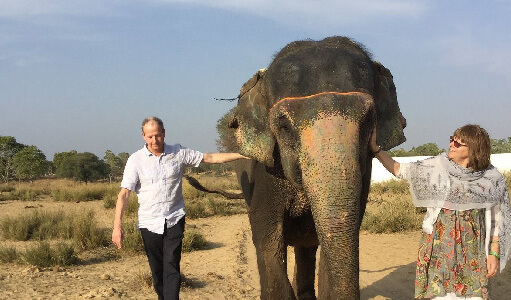
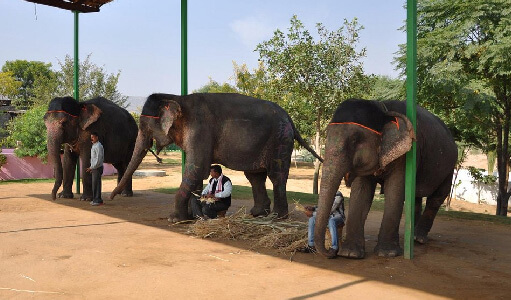
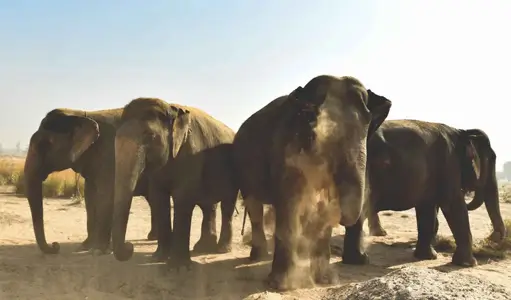
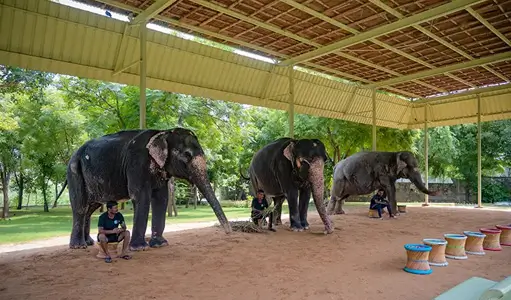
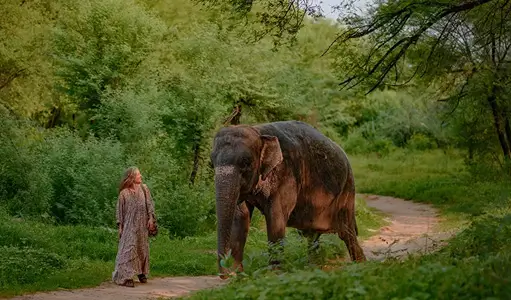
For many first-time travelers, the word “elephant” comes to mind when they think of India. Unfortunately, traditional elephant rides often involve practices that harm the animals. That’s why Elefantastic, an ethical elephant sanctuary in Jaipur, is the perfect starting point for your trip.
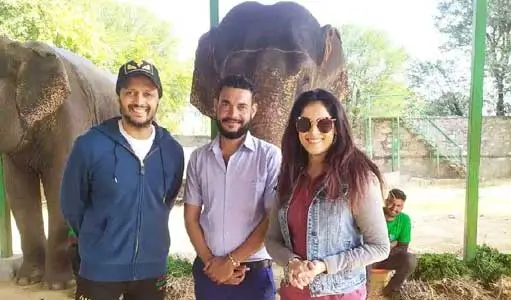
Here, travelers don’t ride elephants. Instead, they connect with them in a respectful, animal-friendly way. Visitors can:
Why it’s a must-visit: It offers a one-of-a-kind, humane experience that introduces you to Rajasthan’s traditions while respecting wildlife. Families, solo travelers, and groups all find Elefantastic memorable, making it the first stop in this list of Jaipur attractions.
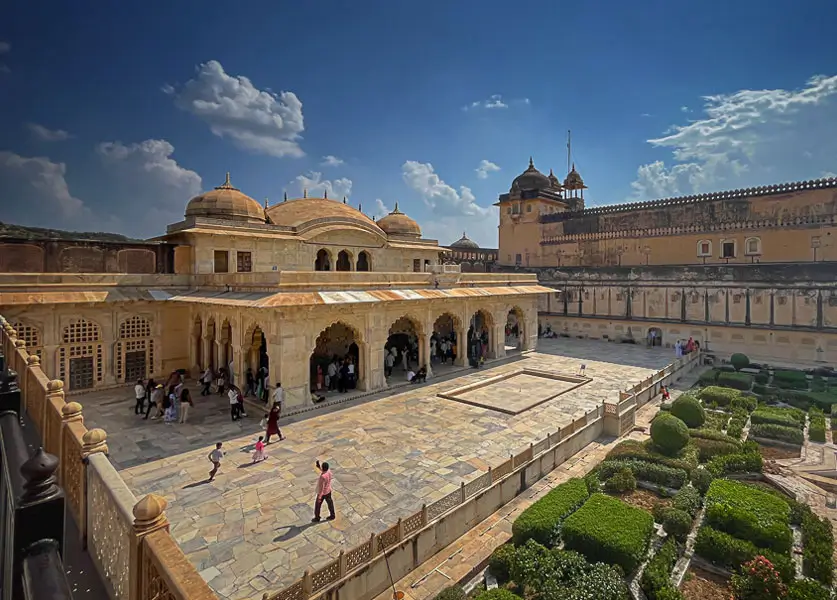
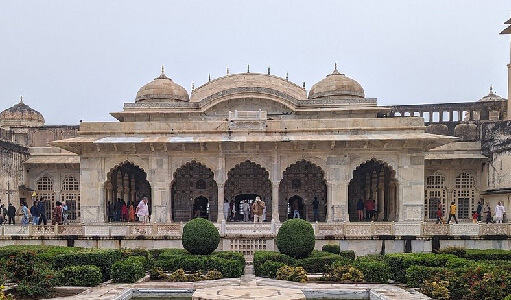
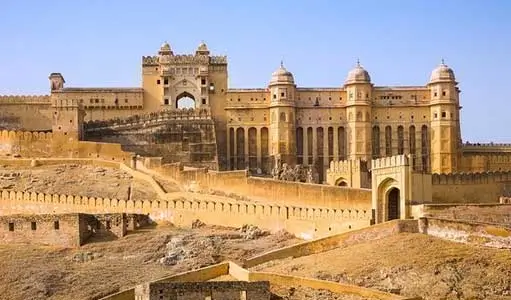
The Amber Fort, also called Amer Fort, is a massive palace complex located on a hill overlooking Maota Lake. A UNESCO World Heritage site, it combines Rajput and Mughal architecture. Inside, you’ll find:
Traveler Tip: Visit in the morning to avoid crowds and enjoy cooler weather. If possible, attend the evening light-and-sound show for a dramatic retelling of Amber’s history.
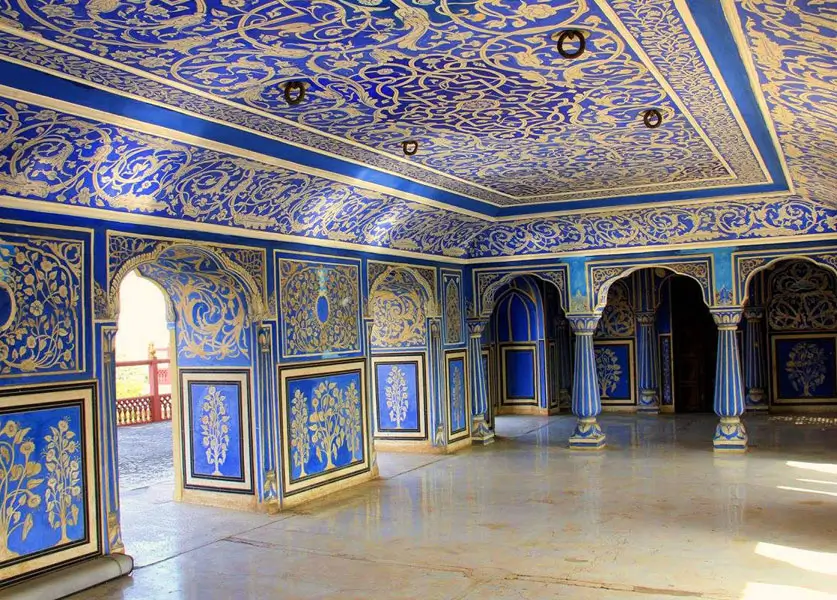
At the heart of Jaipur stands the City Palace, a complex that still houses the descendants of the royal family. It blends Rajput, Mughal, and European architecture. Key highlights include:
Why visit: For first-time travelers, this palace reveals Jaipur’s living heritage and how royalty adapted to modern India.
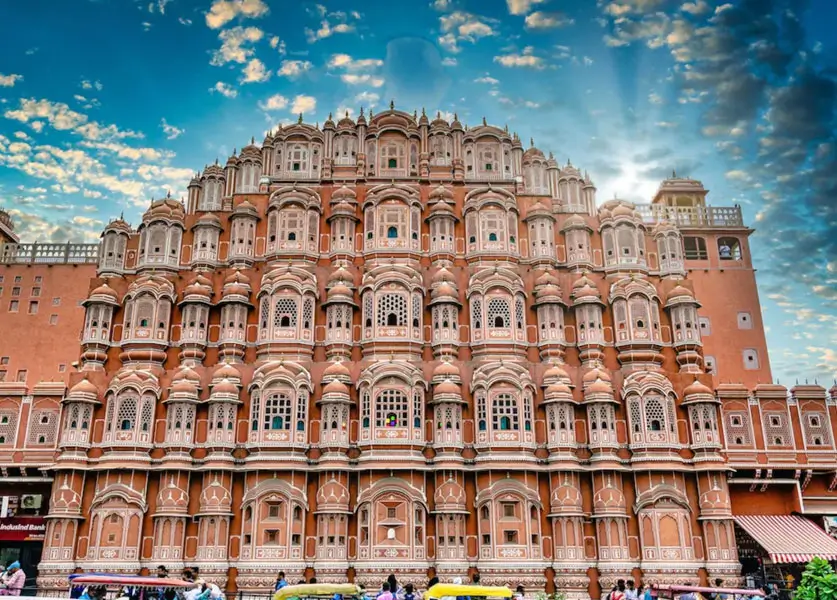
The Hawa Mahal, or Palace of Winds, is Jaipur’s most photographed landmark. With its honeycomb-like façade of 953 small windows, it was built in 1799 to allow royal women to observe street life without being seen.
Best photo spots:
Insider Tip: Don’t just stop outside—go inside to explore the narrow passages and views of the city.
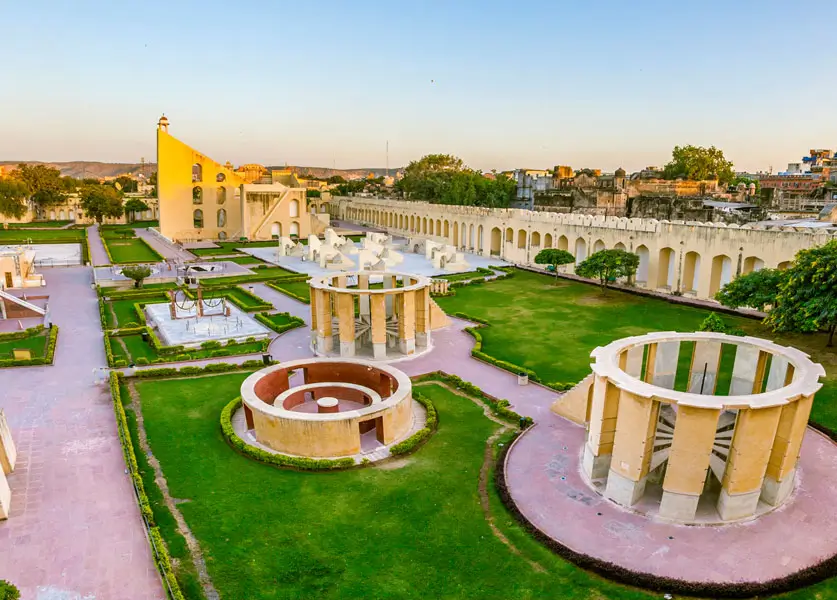
Built in the early 18th century by Maharaja Sawai Jai Singh II, Jantar Mantar is an astronomical observatory and a UNESCO site. It features enormous instruments that measure time, predict eclipses, and track stars with remarkable accuracy.
Why it’s unique: It’s not just a scientific site but also an artistic marvel, demonstrating India’s early advancements in astronomy.
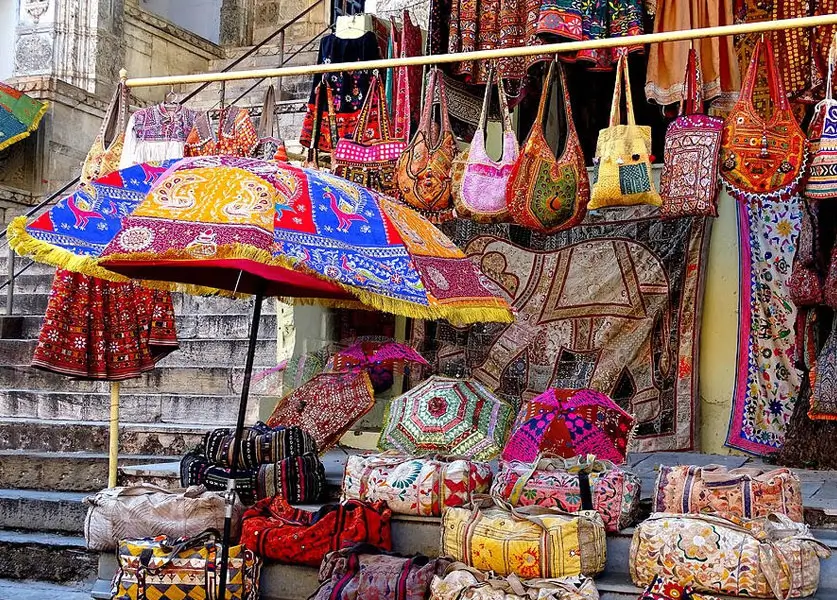
No first-time trip to Jaipur is complete without diving into its bazaars. The Jaipur markets are as much cultural landmarks as the forts. Key bazaars include:
Tip: Bargaining is common in Jaipur bazaars, but always with a smile.
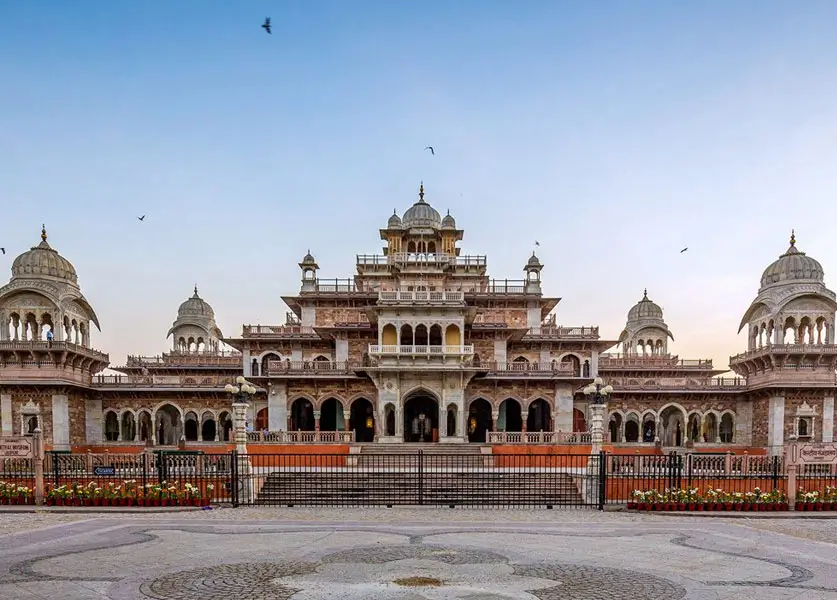
The Albert Hall Museum, located in Ram Niwas Garden, is Rajasthan’s oldest museum. Built in Indo-Saracenic style, it houses a vast collection of artifacts:
Highlight: The Egyptian mummy displayed here is a surprising attraction.
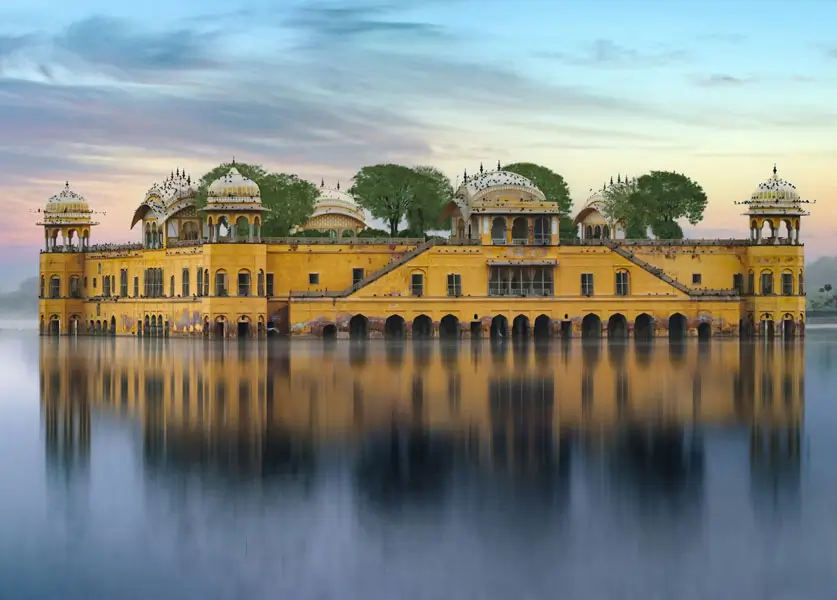
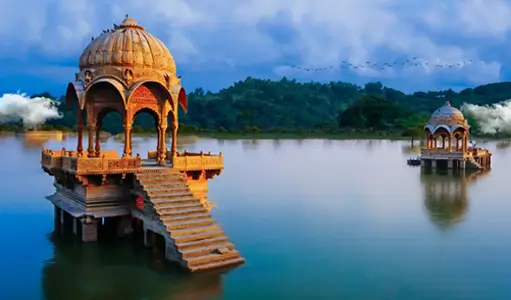
Floating in the middle of Man Sagar Lake, the Jal Mahal is a stunning palace with a mysterious aura. While visitors cannot enter the palace, its view from the lake’s edge is mesmerizing.
Best time to visit: Sunset, when the palace reflects beautifully in the water and migratory birds add to the scenery.
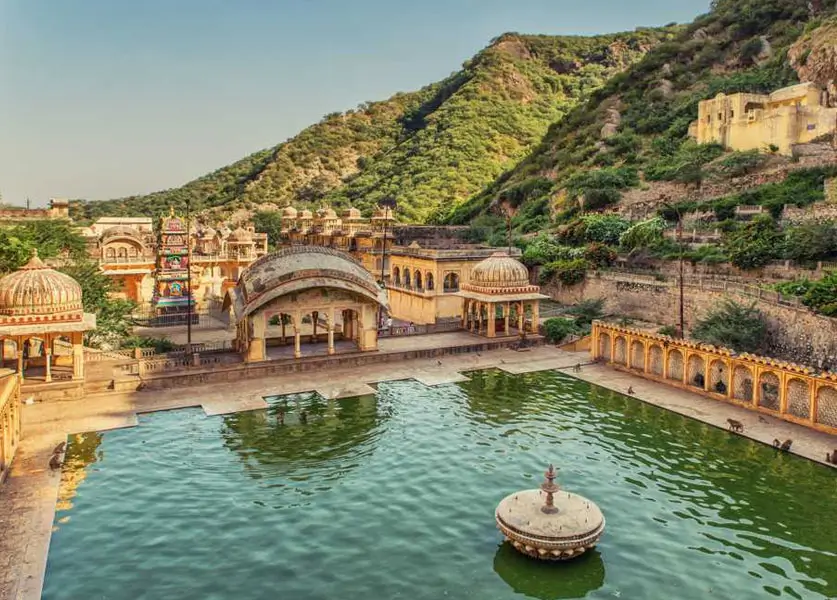
Also called the Monkey Temple, Galtaji is an ancient Hindu pilgrimage site with natural springs, holy kunds (water tanks), and temples. It’s located on the outskirts of Jaipur, surrounded by the Aravalli hills.
Why visit:
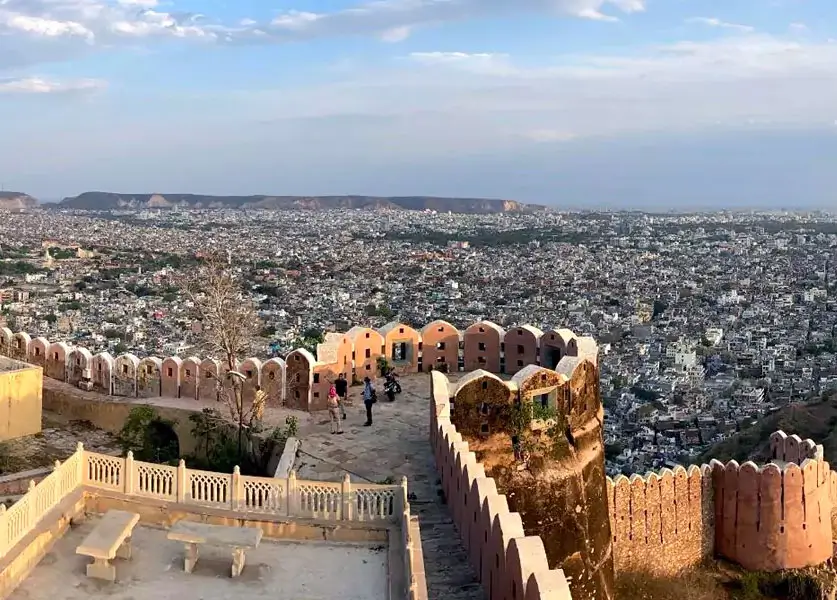
Perched on the Aravalli hills, the Nahargarh Fort provides the best panoramic views of Jaipur. Unlike Amber Fort, it’s less crowded, making it perfect for a relaxed evening.
Traveler Tip: Visit near sunset for breathtaking views of the city’s pink skyline. The fort also has cafés where you can enjoy local snacks while watching the city lights.
Elefantastic is the top recommendation for its ethical and immersive experience.
At least 3 full days to cover forts, palaces, markets, and cultural experiences.
Yes, Jaipur is safe, especially in tourist areas, but always take normal precautions.
Johari Bazaar, Bapu Bazaar, Tripolia Bazaar, and Chandpole Bazaar are the best.
Yes, many travelers combine them, but start early to avoid fatigue.
From October to March, when the weather is pleasant for sightseeing.
Guides enhance your visit at Amber Fort, City Palace, and Jantar Mantar, though not essential everywhere.
Its façade has 953 windows that allowed royal women to view the city without being seen.
Try a Rajasthani thali at local restaurants like Laxmi Mishtan Bhandar or Chokhi Dhani.
Yes, it’s family-friendly and one of the safest experiences in Jaipur.
It’s possible to see highlights, but 3 days give a richer experience.
Hawa Mahal rooftop cafés, Amber Fort courtyards, Jal Mahal lakefront, and Nahargarh sunset points are the most Instagram-worthy.