Among all relationships found in the animal world, few are as fascinating as the connection between a mahout and an elephant. This partnership has existed for centuries across parts of Asia, particularly in India, where elephants have played important roles in culture, transportation, conservation and daily life. While many travelers admire elephants for their intelligence and beauty, fewer understand the human relationship that often shapes an elephant's daily experiences.
A mahout is far more than a handler. In traditional settings, a mahout may spend years, and sometimes an entire lifetime, caring for the same elephant. Their connection develops through daily interaction, communication, observation and mutual understanding. Over time, the relationship becomes one based on familiarity, trust and routine rather than simple instruction.
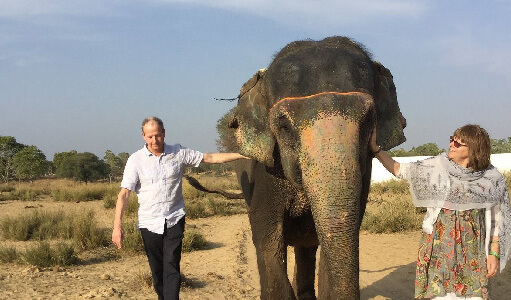
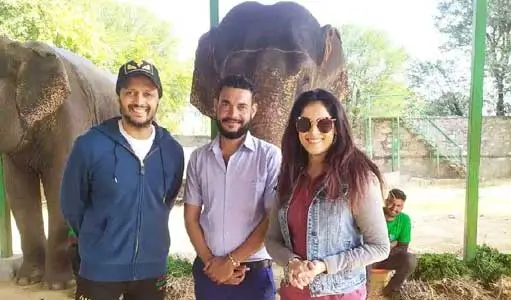
Visitors who spend time at ethical elephant facilities often notice how elephants respond differently to people they know well. A familiar voice, a specific gesture or even a person's presence can trigger unique reactions. These responses highlight the extraordinary memory and social intelligence for which elephants are famous.
The bond between a mahout and an elephant is not formed overnight. It develops gradually through shared experiences and daily care. Every feeding session, health check, walk and interaction contributes to the relationship. Understanding this connection provides valuable insight into elephant behavior while helping visitors appreciate the importance of responsible elephant management and welfare.
Modern elephant welfare practices continue to evolve, but the role of trust remains central. Whether working in conservation programs, rescue centers or ethical visitor experiences, successful elephant care depends heavily on strong relationships built through patience, consistency and respect.
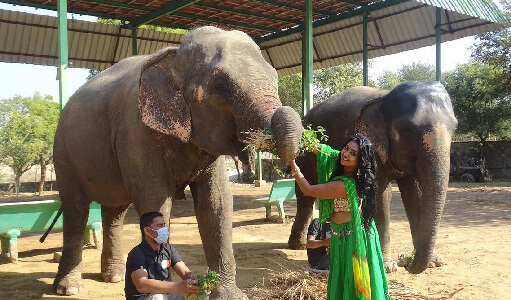
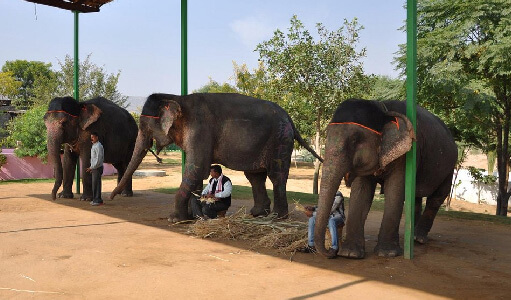
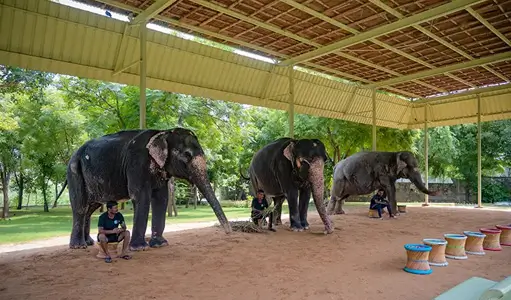
Step into an ethical elephant sanctuary where every interaction reflects years of patience, kindness, and mutual respect between mahouts and the elephants they lovingly care for.
For centuries, the profession of a mahout has held an important place in regions where elephants live alongside human communities. Historically, elephants assisted with transportation, forestry work, ceremonial events and royal activities. Managing such powerful animals required specialized knowledge passed down through generations.
Traditionally, many mahouts learned their skills from parents, grandparents and other experienced elephant caretakers. Knowledge was not limited to handling techniques. It included understanding elephant behavior, recognizing health concerns, interpreting moods and maintaining daily routines that supported the animal's wellbeing.
A mahout's responsibilities often begin before sunrise and continue throughout the day. Feeding, monitoring health, supervising exercise and observing behavioral changes are all part of the role. Because elephants require large quantities of food and water, maintaining their physical condition demands considerable dedication and effort.
The relationship extends beyond practical care. Experienced mahouts frequently develop a detailed understanding of individual elephant personalities. They recognize preferences, habits, fears and unique behavioral traits. Such knowledge allows them to respond appropriately to changing situations and provide more effective care.
In many parts of India, elephant management traditions have evolved over generations. While modern welfare standards continue improving, the principle of close daily interaction remains important. Successful elephant care relies on observation and familiarity, both of which develop through consistent contact over time.
The traditional role of a mahout demonstrates that elephant management involves much more than physical control. It requires patience, commitment and an understanding of one of the most intelligent animals on Earth.
The most important element in any successful relationship between a mahout and an elephant is trust. Without trust, meaningful communication and cooperation become difficult. With trust, interactions become safer, calmer and more effective for both individuals.
Elephants possess exceptional memories and remarkable emotional awareness. They quickly learn to distinguish between people based on previous experiences. Positive interactions contribute to trust, while negative experiences can create hesitation or avoidance. Because elephants remember events for long periods, consistency becomes essential.
Trust develops through predictable daily routines. When elephants know what to expect, they become more comfortable and confident. Regular feeding schedules, familiar environments and calm interactions help create stability. Over time, these repeated experiences strengthen the relationship.
Physical presence also plays a role. Spending time together allows elephants to become familiar with voices, scents and behaviors. Just as humans feel more comfortable around trusted friends, elephants often respond more positively to individuals they know well.
Observations from ethical elephant facilities frequently reveal how trust influences behavior. Elephants may voluntarily approach familiar caretakers, respond to verbal cues or remain relaxed during health checks. These behaviors are not signs of dominance but indicators of comfort and familiarity.
Trust cannot be rushed. It develops gradually through patience and positive experiences. The strongest relationships emerge when elephants feel secure, respected and understood. Such trust benefits both welfare and communication, creating a foundation for long-term cooperation.
Communication forms the bridge that connects humans and elephants. While elephants do not understand language in the same way people do, they are highly skilled at recognizing patterns, sounds and behavioral cues.
Mahouts often use specific verbal commands that elephants learn through repetition and association. Over time, elephants connect particular sounds with actions or routines. Because of their intelligence and memory, they can remember these associations for many years.
Voice tone is often as important as the words themselves. Elephants are highly sensitive to emotional cues and may respond differently depending on whether a person sounds calm, excited or anxious. A familiar voice frequently provides reassurance in unfamiliar situations.
Body language also plays an important role. Elephants constantly observe their surroundings and interpret visual information. Subtle gestures, posture changes and movements can communicate intentions without spoken words. This silent communication often becomes more effective as familiarity increases.
Touch represents another form of communication. Gentle contact may be used to provide reassurance, guide movement or strengthen social bonds. Elephants themselves rely heavily on touch when interacting with one another, making physical communication an important aspect of many relationships.
Scientific studies continue revealing how sophisticated elephant communication can be. Their ability to interpret human signals highlights not only their intelligence but also their willingness to engage with familiar individuals. Effective communication depends on understanding, patience and mutual trust rather than force or intimidation.
Relationships grow stronger through shared experiences, and daily care provides countless opportunities for positive interaction between a mahout and an elephant. These routine activities create familiarity while reinforcing trust and communication.
Feeding is among the most important daily responsibilities. Elephants consume hundreds of pounds of vegetation every day, making nutrition a major focus of care. Regular feeding sessions allow caretakers to monitor appetite, health and behavior while spending meaningful time with the animal.
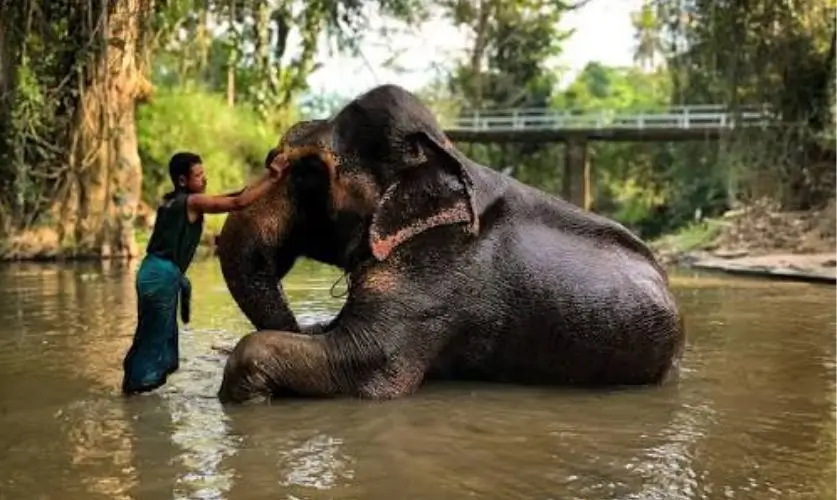
Bathing often becomes another important bonding activity. Many elephants enjoy water and participate enthusiastically in bathing routines. These moments create opportunities for interaction while contributing to hygiene and comfort.
Health monitoring requires close observation. Experienced mahouts often notice subtle changes in behavior that may indicate illness, injury or stress. Early detection allows for quicker intervention and better outcomes. Such attentiveness reflects the importance of familiarity within the relationship.
Exercise and enrichment activities further strengthen connections. Walking, exploring and engaging with stimulating environments support physical and mental wellbeing. Shared experiences during these activities help maintain positive relationships while encouraging natural behaviors.
Daily care also allows elephants to observe consistency in human behavior. Reliability contributes significantly to trust. When interactions remain predictable and respectful, elephants often become more comfortable and cooperative.
These routines demonstrate that strong relationships are built through ordinary moments rather than dramatic events. Small interactions repeated over months and years create the foundation for meaningful bonds.
One of the most fascinating aspects of elephant intelligence is their ability to recognize specific individuals. This recognition plays a major role in the bond between a mahout and an elephant.
Elephants rely on multiple senses when identifying people. Visual appearance, scent and voice all contribute to recognition. Because elephants possess excellent memories, they can remember familiar individuals even after extended periods apart.
Research suggests that elephants pay close attention to vocal characteristics. They can distinguish between different voices and often respond differently depending on who is speaking. Familiar voices may trigger relaxed behavior, while unfamiliar sounds prompt increased attention.
Scent also plays an important role. Elephants have an extraordinary sense of smell capable of detecting subtle differences among individuals. Familiar scents contribute to recognition and help strengthen social connections.
Behavioral patterns further assist identification. Elephants learn what to expect from specific people based on previous experiences. They remember routines, interactions and outcomes associated with particular individuals.
Many caretakers report instances where elephants immediately recognized them after long separations. Such stories align with scientific evidence demonstrating exceptional long-term memory. These abilities help explain why relationships between elephants and trusted humans can remain strong over many years.
Recognition is not merely a practical skill. It reflects deeper cognitive abilities involving memory, learning and social awareness. These characteristics contribute significantly to the unique nature of the mahout-elephant relationship.
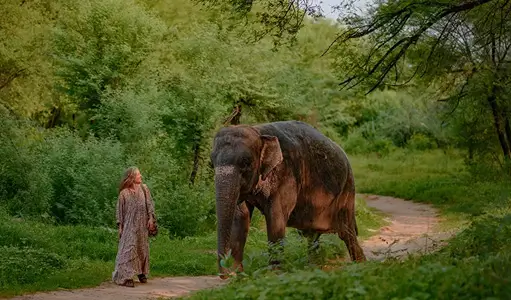
Experience the quiet connection that grows through daily care, shared routines, and unwavering trust—revealing a relationship unlike any other in the animal world.
Modern understanding of elephant welfare increasingly emphasizes the importance of respect. Successful relationships are built not on domination but on cooperation, communication and trust.
Elephants are intelligent, emotionally aware animals capable of making decisions and expressing preferences. Recognizing these qualities encourages approaches that prioritize welfare and positive interactions. Respectful treatment supports both physical and psychological wellbeing.
Mahouts who understand elephant behavior can often anticipate needs and respond appropriately. This awareness reduces stress and creates more positive experiences. Cooperation becomes easier when elephants feel comfortable and secure.
Respect also involves acknowledging individuality. Just as no two humans are identical, every elephant possesses a unique personality. Some may be curious and outgoing, while others are more cautious or independent. Effective care takes these differences into account.
Ethical elephant facilities increasingly focus on allowing natural behaviors whenever possible. Providing opportunities for social interaction, movement and enrichment supports welfare while strengthening positive relationships with caretakers.
Mutual respect benefits everyone involved. Elephants receive better care, caretakers enjoy safer interactions and visitors gain opportunities to observe authentic behavior. The strongest bonds emerge when relationships are based on understanding rather than authority.
Travelers visiting ethical elephant facilities often leave with a new appreciation for the relationship between elephants and their caretakers. Observing the trust, communication and familiarity shared between them offers valuable insight into elephant intelligence and emotional capacity.
Many visitors arrive expecting to see large animals. They leave impressed by the complexity of elephant behavior and the depth of their relationships. Witnessing an elephant respond to a familiar voice or interact comfortably with a trusted caretaker highlights cognitive abilities that many people never fully appreciate.
The bond between a mahout and an elephant serves as a reminder that meaningful relationships can develop across species boundaries. Patience, trust, communication and respect are not uniquely human qualities. They also play important roles in the lives of elephants.
As understanding of elephant welfare continues to evolve, these relationships remain an important part of responsible care. Strong bonds support communication, enhance welfare and contribute to safer, more positive experiences for both elephants and humans.
The story of a mahout and an elephant is ultimately a story about connection. It demonstrates how intelligence, memory and trust can create relationships that endure for years and sometimes even decades.
A mahout is a person responsible for the care, management and daily wellbeing of an elephant.
The process varies, but meaningful trust often develops gradually through months or years of regular interaction.
Yes. Elephants can recognize familiar individuals through voice, scent, appearance and past experiences.
Yes. Elephants possess exceptional memories and can remember familiar people even after years apart.
Trust improves communication, reduces stress and supports safer, more positive interactions.
They use verbal cues, body language, touch and consistent routines that elephants learn to recognize.
Research and observations suggest elephants can develop strong bonds with familiar caretakers.
Responsibilities include feeding, monitoring health, assisting with exercise, observing behavior and supporting welfare.
No. Each elephant has a unique personality, preferences and behavioral traits.
The bond demonstrates elephant intelligence, memory, emotional awareness and the power of trust between species.