A luxury India tour with private driver is not simply an expensive version of a standard sightseeing trip. The real difference comes from how the journey is managed from arrival to departure. International travelers paying for a premium private trip usually expect stronger hotels, a comfortable vehicle, dependable airport transfers, experienced local guides, carefully timed road journeys and enough flexibility to avoid feeling rushed from one attraction to another.
For two travelers, a realistic higher-side budget for a premium private journey can begin around $700 to $1,100 per day for the couple, excluding international flights. A stronger luxury standard using palace hotels, premium room categories, upgraded private vehicles and more private experiences can reasonably move toward $1,100 to $1,800+ per day for two travelers. Trips built around exceptional suites, landmark hotels and highly personalized services can exceed $2,000 per day.
That means a ten-day premium journey may reasonably cost around $7,000 to $11,000 for two travelers, while a higher luxury standard can reach $11,000 to $18,000+ for two. A two-week luxury private trip can easily sit between $12,000 and $25,000+, depending mainly on hotels, room categories and the number of premium experiences.
These figures are intentionally positioned toward the higher side because international travelers researching luxury India tour packages are usually not trying to construct the cheapest possible trip. The focus is more often on comfort, reliability, strong accommodation, private transportation and well-managed logistics.
A properly designed private luxury tour in India should provide more than hotel reservations and a car. The trip should operate as one connected service.
Airport arrival is the first example. A premium private journey should have the traveler’s flight details in advance, provide a clear meeting arrangement and ensure the vehicle is appropriate for both passengers and luggage. If the flight is delayed, the transfer should be managed without forcing the guest to reorganize everything after landing.
Accommodation should be selected for quality and location rather than star rating alone. A centrally located five-star hotel can provide more practical value than a larger property that adds an hour of driving every day. In destinations where heritage accommodation is important, a palace or historic property can become part of the journey rather than simply a place to sleep.
Private transportation is normally available according to the confirmed route. For road sectors, a premium Toyota Innova Crysta with driver, high-end SUV or luxury sedan can be used depending on passenger count, luggage and budget.
Local private guides can be arranged where their knowledge adds the most value. A strong guide in Delhi, Agra or Jaipur should provide historical and cultural context rather than simply repeating basic facts.
The quote may also include airport transfers, domestic flights, selected meals, entrance tickets and premium experiences. The exact inclusions should always be stated clearly.
A luxury trip becomes valuable when these services work together. Travelers should not need to coordinate a hotel, separate taxi, separate guide and separate airport transfer every day.
The luxury India tour cost can vary more than almost any other travel category because the word luxury covers a very wide range.
A comfortable five-star journey may use hotels costing $250 to $450 per room per night. A stronger luxury itinerary might use palace or landmark properties costing $450 to $900+ per night. Premium suites can exceed $1,000 to $2,000 per night.
Transportation can range from approximately $100 to $160 per day for an upgraded Innova-type vehicle to $180 to $350+ per day for premium SUVs or luxury sedans.
Private guides can reasonably cost $80 to $150 per day for strong English-speaking service, while specialist historians or premium foreign-language guides can cost $150 to $300+ per day.
Dining can be modest or substantial. A couple using strong hotel restaurants and premium independent restaurants may reasonably budget $120 to $250+ per day for meals, while special private dining can cost much more.
A realistic luxury working range for two travelers can look like this:
| Expense | Premium Private Trip | Higher Luxury Trip |
| Hotel per night | $250–$450 | $450–$1,000+ |
| Private vehicle per day | $100–$160 | $180–$350+ |
| Private guide per sightseeing day | $80–$150 | $150–$300+ |
| Meals per couple per day | $120–$250 | $250–$500+ |
| Tickets and activities | $80–$200 per day | $200–$700+ per day |
| Airport transfers | $50–$100 | $100–$250+ |
| Daily incidental reserve | $50–$100 | $100–$250+ |
The most important pricing question is therefore not “What is the cheapest luxury India package?” It is “What exact hotels, rooms, vehicles and services are included at this price?”
Accommodation is often the largest component of a luxury India trip for international travelers.
A ten-night journey using hotels averaging $300 per night creates a hotel bill of $3,000. The same journey at $600 per night costs $6,000. At $1,000 per night, hotels alone reach $10,000.
This difference explains why two luxury itineraries following almost the same route can have very different total prices.
Room category matters just as much as hotel name.
A palace hotel may offer an entry-level room at $450 and a suite at $1,100 on the same date. If one operator uses the lower category and another uses the suite, comparing the total tour price without checking the room type gives a misleading result.
International travelers should therefore ask for the exact room category wherever possible.
A premium journey does not need the most expensive hotel every night. Many travelers receive better value by using strong five-star properties in large cities and reserving the highest-end heritage hotels for destinations where the property itself is part of the experience.
This approach can keep the total luxury India vacation cost under control without making the trip feel ordinary.
A private vehicle is not merely a transport add-on. On a road-based itinerary, it becomes part of the daily experience.
A couple may spend four or five hours in the vehicle between destinations. Over ten days, road time can add up to dozens of hours. Paying for premium hotels while using an uncomfortable or unsuitable vehicle creates an obvious mismatch.
For two travelers with several suitcases, an Innova Crysta with private driver can provide a strong balance of space and cost. A higher-side budget of approximately $100 to $160+ per day is reasonable depending on route and inclusions.
Travelers wanting a luxury sedan or premium SUV can expect to spend around $180 to $350+ per day, with specific models costing more.
The quote should state whether fuel, tolls, parking, interstate taxes, driver allowance and driver accommodation are included.
A professional private driver should also understand the complete route before the trip begins. The traveler should not need to explain the next city every morning.
For luxury travelers, communication quality matters as well. An English-speaking private driver in India should be able to discuss pickup times, road conditions, meal stops and practical travel details clearly.
The terms private driver and chauffeur are sometimes used interchangeably, but they can describe different service expectations.
A private tourism driver focuses on safe transportation, route knowledge, hotel transfers and day-to-day road logistics.
A premium chauffeur service may add a higher-end vehicle, more formal presentation, stronger airport coordination and a more polished service style.
The choice should depend on the journey.
For long road sectors in Rajasthan, a spacious Innova Crysta can provide better practical comfort than a luxury sedan with limited luggage space.
For airport transfers, business travel or special evenings, a premium sedan may be more appropriate.
A good tailor-made India tour can use different vehicle standards where they make sense rather than forcing one expensive vehicle into every situation.
Luxury travel should not mean adding a guide every day simply because the budget allows it.
Private guides are most valuable at destinations where historical interpretation changes the sightseeing experience.
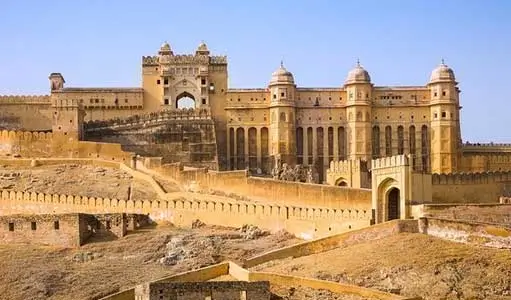
Delhi contains a mixture of Mughal, colonial and modern history. Agra has the Taj Mahal and Agra Fort. Jaipur contains Amber Fort, City Palace and Jantar Mantar.
At these destinations, a strong private tour guide in India can be worth approximately $80 to $150 per day. Specialist guides may cost more.
Other days may not require full private guiding. A long road transfer, hotel leisure day or simple evening activity may be more enjoyable without additional structure.
Luxury should therefore mean using the right service at the right time rather than adding every possible service to every day.
India is large, and some routes should be flown rather than driven.
A luxury itinerary should protect the traveler’s time.
Spending ten hours in a vehicle to save $150 can be poor value when a practical domestic flight can complete the same sector more efficiently.
Domestic flight costs can reasonably range from $80 to $250+ per person per sector depending on route, demand and booking conditions. Premium economy or business-class options, where available, can cost more.
Baggage should be checked carefully because international travelers often carry more than the cheapest domestic fare allows.
A good luxury private India itinerary should therefore combine private road transportation and domestic flights intelligently rather than relying on one mode everywhere.
The airport arrival sets the tone for the trip.
A standard private airport pickup may cost approximately $40 to $80+, depending on city and vehicle. A premium luxury sedan or hotel-arranged transfer can cost around $100 to $250+.
For international arrivals, the service should include clear meeting instructions and appropriate waiting time.
If a traveler is arriving after a long overnight flight, paying more for a well-managed pickup can be worthwhile.
The traveler should also know the exact vehicle category in advance. A luxury transfer quote of $180 makes sense only if the service level actually supports that price.
The answer is not always a larger lobby or higher room rate.
Location can be more important than size. A centrally located property can reduce unnecessary driving.
Service can matter more than visual grandeur. Fast check-in, good concierge support, strong breakfast service and responsive housekeeping can affect every day of the stay.
Room quality also matters. A luxury traveler should not assume the entry-level room will provide the best view or atmosphere.
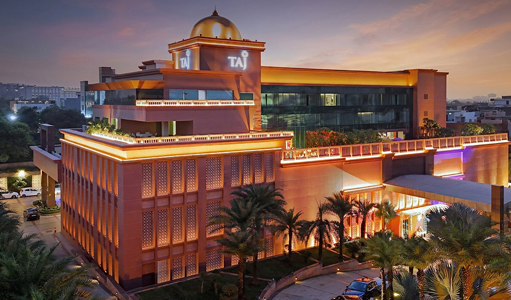
In Rajasthan, heritage and palace hotels can provide something that conventional five-star properties cannot: a sense of place. Historic architecture, courtyards, gardens and former royal residences can make the hotel part of the journey.
However, travelers should still examine practical details. Some historic properties have stairs, unusual room layouts or limited elevators.
A strong luxury hotel in India should fit both the traveler’s expectations and physical requirements.
For two travelers, approximately $7,000 to $11,000 can provide a strong premium private journey when international airfare is excluded.
This could include nine hotel nights, private road transportation, airport transfers, selected guides, attraction admission and premium dining.
A higher luxury standard can reasonably move toward $11,000 to $18,000+ for two.
A hypothetical premium couple budget might include $3,000 to $4,500 for hotels, $1,000 to $1,500 for private transportation, $700 to $1,200 for guides and sightseeing, $1,200 to $2,000 for meals, and the remainder for domestic travel, transfers, tips and premium activities.
If the hotel category rises sharply, the total can increase by several thousand dollars without changing the route.
A fourteen-day luxury India private tour can reasonably cost around $12,000 to $20,000 for two people at a strong premium level, excluding international airfare.
A more ambitious luxury trip can reach $20,000 to $30,000+.
At this duration, selective spending becomes especially important.
Using a $1,000 hotel every night for thirteen nights creates $13,000 of accommodation alone. A couple may receive better overall value by combining several strong five-star hotels with two or three exceptional palace stays.
The longer the journey, the more worthwhile it becomes to create different accommodation experiences rather than simply increasing the nightly price.
Honeymoon travelers often prioritize privacy and hotel atmosphere more than ordinary sightseeing travelers.
A luxury honeymoon in India can therefore use a slower pace, more time at hotels and selected premium dining instead of filling every day with monuments.
Couples may prefer upgraded room categories, spa treatments or a private dinner over adding another city.
For ten days, a high-quality luxury honeymoon can reasonably cost around $9,000 to $15,000+ for two travelers, excluding international flights.
Exceptional suites and highly personalized services can push the amount much higher.
The important point is to spend on the elements that affect the honeymoon directly rather than on expensive additions that do not matter to the couple.
Families require a different form of premium service.
Connecting rooms, larger vehicles, child seats and a slower sightseeing pace can matter more than palace suites.
A family of four may need two rooms instead of one, which can double a major portion of the accommodation budget.
A larger private vehicle can also be necessary because four passengers with international luggage may exceed the practical capacity of a sedan.
A luxury family tour in India should therefore be priced around room configuration and vehicle capacity before optional experiences are added.
Families should ask whether connecting rooms are guaranteed or simply requested.
This distinction can significantly affect the stay.
Senior travelers can benefit strongly from private travel because the daily schedule can be adjusted around comfort.
Historic monuments can involve stairs, uneven surfaces and substantial walking. Private guides can shorten visits where necessary and private drivers can reduce unnecessary walking between transportation points.
Hotels with elevators and easy access should be prioritized.
Long road days should also be structured carefully.
For senior guests, luxury often means less friction, not simply more expensive rooms.
A carefully managed private India tour for senior travelers can therefore provide better value through pacing, vehicle comfort and hotel access rather than expensive decorative upgrades.
Luxury itineraries frequently include special meals or experiences.
A premium dinner for two can reasonably cost $150 to $400+, while elaborate private arrangements can exceed $500 or $1,000 depending on venue and service.
Spa treatments can add $100 to $300+ per couple.
Private photography can cost $200 to $600+, depending on duration and photographer.
Specialist cultural experiences can also add several hundred dollars.
The best luxury trips do not overload the itinerary with expensive activities every day. A few well-selected experiences usually provide more value than a schedule packed with premium services.
A strong luxury India tour quote should identify hotels and room categories, not simply star levels.
It should identify the vehicle category and explain transportation inclusions.
Private guides should be listed by destination.
Airport transfers, domestic flights, attraction admission, meals and premium activities should either be included or clearly shown as exclusions.
Taxes should not remain vague.
The payment schedule and cancellation terms should also be clear.
A quote of $15,000 means very little if the traveler cannot tell whether it includes premium rooms, flights or entry fees.
Transparency is part of luxury service.
Suppose one operator quotes $12,000 for two travelers and another quotes $14,000.
The $2,000 difference should not be judged until the hotels, room categories and transport are compared.
The $14,000 quote may include a palace suite, an upgraded private vehicle, stronger guides and flexible hotel terms. The $12,000 quote may use entry-level rooms and exclude several attraction costs.
The cheaper quote may still be better, but only if the actual services are comparable.
Travelers should compare the same nights, same room types, same vehicle level and similar inclusions before deciding.
The strongest areas for premium spending are usually hotel quality, vehicle comfort and guide quality.
A better-located hotel can save time every day.
A larger private vehicle can improve every road transfer.
A stronger guide can make a major historical destination significantly more meaningful.
These upgrades affect the journey repeatedly.
By comparison, paying substantially more for a luxury airport transfer that lasts 40 minutes may provide less overall value unless premium arrival service is particularly important.
A good high-end India tour should allocate money according to impact rather than appearance.
Luxury does not require paying the highest possible price in every category.
Travelers can use a premium Innova rather than a luxury sedan on long road sectors.
They can use strong five-star hotels in large cities and spend more on distinctive heritage properties elsewhere.
Private guides can be used selectively.
Lunches can be casual while selected dinners are premium.
These choices can reduce a two-week trip by several thousand dollars without noticeably reducing the overall standard.
A tailor-made India tour is particularly useful because international travelers often have different comfort expectations, flight schedules and travel priorities.
One couple may want a fast-paced historical journey. Another may prefer heritage hotels and slower days. A family may require connecting rooms and larger vehicles. Senior travelers may need shorter walking days.
A fixed package cannot handle all these requirements equally well.
Custom private travel allows hotels, transportation, guides and daily timing to be matched to the guests rather than forcing every traveler into the same structure.
Travelers should provide exact travel dates, arrival and departure cities, passenger count, hotel preferences, luggage details and major destinations.
They should state whether they prefer five-star, heritage or palace accommodation.
Vehicle preference should be included if known.
The operator should also know whether private guides are required, whether domestic flights should be included and whether the traveler has any mobility, dietary or room requirements.
A realistic budget range can also be useful.
For example, telling an operator that two travelers want a ten-day luxury journey with a ground budget around $10,000 to $14,000 allows them to select appropriate hotels immediately.
A premium trip should make travel easier, not simply more expensive.
Hotels should be selected thoughtfully. Private transportation should be comfortable and reliable. Guides should add genuine value. Road journeys should be sensible. Flights should be used where they save important time.
The traveler should also receive clear communication and realistic expectations before paying.
A luxury India tour with private driver becomes worthwhile when the additional cost improves the parts of the journey experienced every day: sleep, transport, timing, service and personal attention.
For international travelers taking a major once-in-a-lifetime trip, spending more on these areas can provide substantially better value than simply adding more destinations.
A premium private journey can reasonably cost around $700–$1,100 per day for two travelers, while a higher luxury standard can reach $1,100–$1,800+ per day.
A strong premium ten-day journey can cost around $7,000–$11,000 for two, excluding international flights. Higher luxury arrangements can reach $11,000–$18,000+.
A fourteen-day private luxury journey can reasonably cost around $12,000–$20,000 for two travelers, with exceptional hotels and suites pushing the total significantly higher.
It can be. A luxury India tour with private driver may include a premium Innova, SUV or luxury sedan depending on the quotation. Fuel, tolls and driver expenses should be confirmed.
For couples with substantial luggage, an Innova Crysta with driver can provide excellent practical comfort. Luxury sedans and premium SUVs are also available at higher rates.
They can be, but travelers should check the exact hotel names and room categories. The term luxury is too broad to rely on star rating alone.
Many premium journeys include selected private guides at major historical destinations. Strong English-speaking guides can reasonably cost around $80–$150 per day, with specialists costing more.
They may be included or shown separately. Travelers should check the flight route, baggage allowance and fare conditions before comparing quotations.
For couples who value strong hotels, a private car with driver, flexible sightseeing and personal service, the additional cost can provide substantial daily value throughout a multi-city journey.
Check exact hotel names, room categories, vehicle type, guides, domestic flights, attraction tickets, meals, taxes, payment terms and cancellation conditions before making a substantial payment.