Jaipur is globally recognized for its colorful textiles and traditional craftsmanship, but the true heart of Rajasthan’s block printing heritage lies in the small artisan villages surrounding the city. One of the most important of these villages is Bagru, located a short drive from Jaipur, where generations of artisans continue practicing the centuries-old art of hand block printing.
Travelers visiting Jaipur often see beautiful printed fabrics in markets such as Johari Bazaar or Bapu Bazaar. However, the real story behind those fabrics begins in places like Bagru, where wooden blocks, natural dyes and skilled artisans transform plain cotton cloth into intricate patterns.
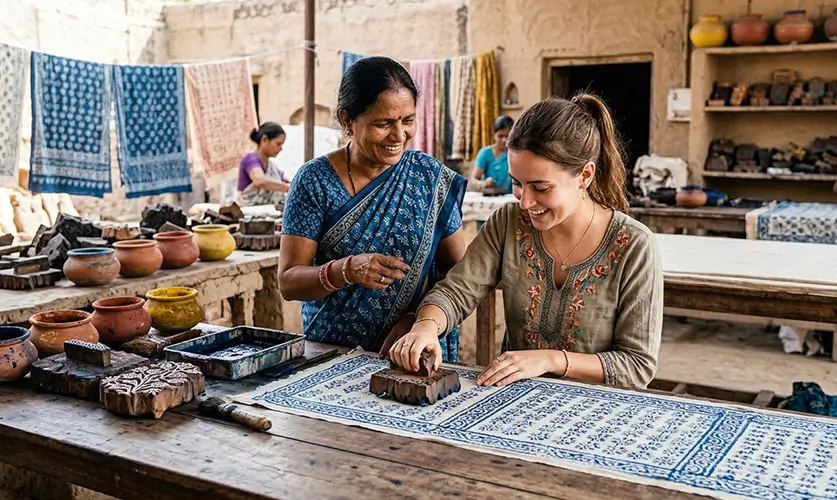
Visiting Bagru allows travelers to move beyond simply buying textiles and instead participate in the creative process itself. Workshops organized by local artisan families give visitors the opportunity to try Jaipur block printing techniques with their own hands.
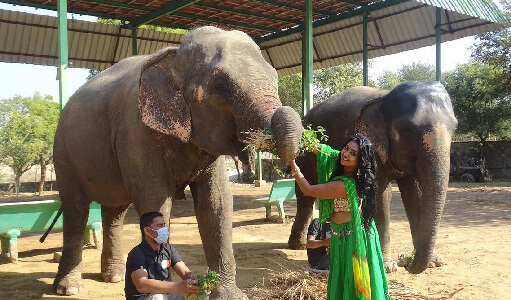
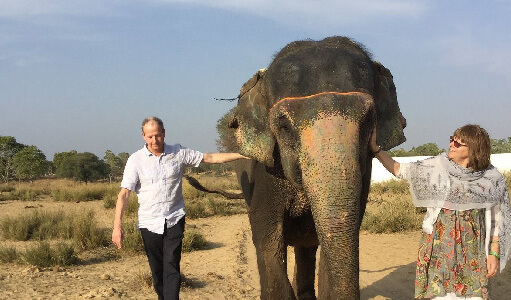
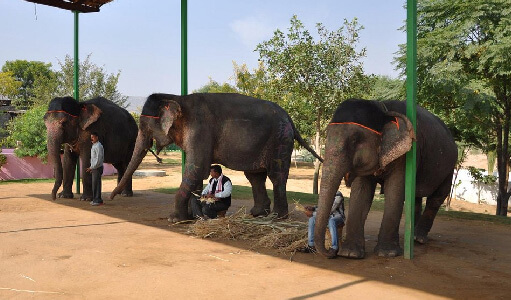
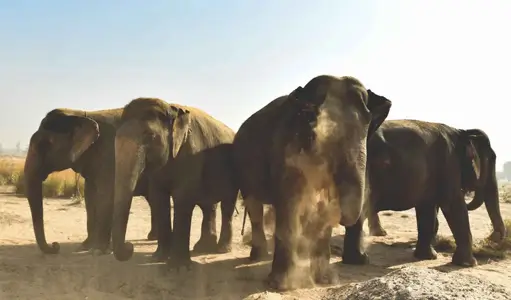
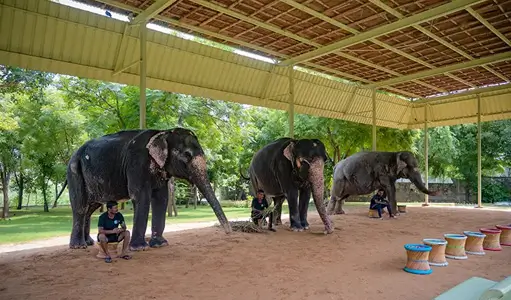
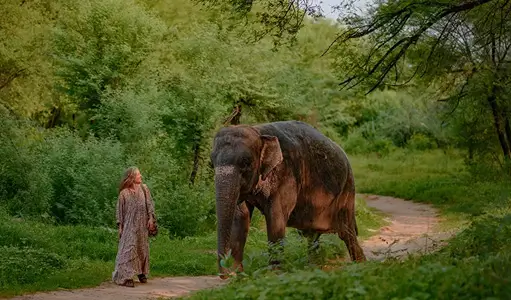
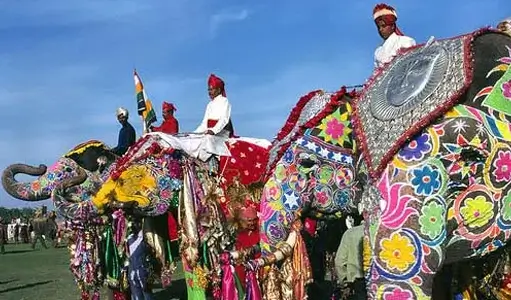
Many visitors combine this cultural activity with nature experiences nearby, including visits to elephant sanctuary Jaipur locations where rural life and wildlife coexist. One of the most popular experiences among travelers is Elefantastic, widely known as the best elephant sanctuary Jaipur destination where guests interact with elephants in an ethical environment while also discovering village traditions.
Bagru is located roughly thirty kilometers from Jaipur and has been associated with textile printing for hundreds of years. The village became famous for its distinctive printing style known as Bagru block printing, which uses earthy colors and traditional motifs.
Unlike factory printing methods, Bagru artisans rely entirely on hand techniques. Every pattern seen on the fabric is created by pressing carved wooden blocks onto cloth, one impression at a time.
Families in Bagru often specialize in specific parts of the printing process. Some artisans carve wooden blocks, others prepare natural dyes and others perform the actual printing on large tables covered with fabric.
This cooperative system has allowed the craft to survive for generations. Skills are passed from parents to children, preserving techniques that date back centuries.
Discover the soul of Rajasthan through its iconic textile art. Learn, print, and connect with local artisans in an immersive workshop that brings culture to life.
Chat On WhatsApp Contact UsBefore travelers begin their own printing workshop, artisans usually explain the full process behind Rajasthani block printed textiles.
The journey starts with plain cotton fabric, which must first be washed to remove starch and impurities. This preparation ensures that dyes absorb properly into the cloth.
Next comes the dye preparation stage. Many traditional Bagru printers still use natural dyes made from plants, minerals and organic materials. Indigo creates deep blue tones while iron solutions produce dark black shades.
Wooden blocks carved with floral or geometric designs are then dipped into dye trays. Artisans carefully press these blocks onto fabric in repeating patterns.
Even a simple design may require dozens of perfectly aligned block impressions. Complex textiles often involve multiple blocks for different colors, requiring patience and remarkable precision.
Watching this process in person reveals how much skill and concentration are required to produce a single printed cloth.
The highlight of visiting Bagru for many travelers is the opportunity to participate in a block printing workshop led by local artisans.
During these workshops, visitors are given a piece of cotton fabric and a selection of carved wooden blocks. Artisans demonstrate how to dip the block into dye and apply it to the fabric with steady pressure.
At first the process seems simple, yet maintaining consistent spacing and alignment quickly becomes challenging. Guests soon realize the level of practice required to achieve professional results.
Artisans guide participants patiently, helping them adjust the position of the block and control the pressure needed to transfer the design onto cloth.
Within a short time, visitors create their own printed textile pieces such as scarves, tote bags or decorative fabrics. These handmade souvenirs often become treasured reminders of the experience.
One reason Bagru printing remains admired worldwide is its reliance on natural materials. Traditional printers avoid synthetic dyes whenever possible and instead use plant-based pigments that produce soft, earthy colors.
Indigo is among the most famous dyes used in Bagru. Extracted from plant leaves, it creates beautiful blue tones that develop gradually as fabric is exposed to air.
Other dyes are produced using pomegranate skins, turmeric, clay and iron solutions. These ingredients reflect the sustainable practices that artisans have followed long before environmental awareness became a global topic.
Visitors attending workshops often learn how these dyes are prepared and why natural pigments behave differently from chemical dyes.
The eco-friendly nature of Bagru printing has attracted growing interest among travelers who appreciate sustainable craftsmanship.
The patterns used in Bagru textiles often reflect nature and cultural traditions of Rajasthan. Floral motifs inspired by desert plants are particularly common.
Geometric designs also appear frequently, representing balance and harmony within traditional Indian art. Some patterns date back centuries and remain recognizable today.
Artisans sometimes explain the meanings behind these motifs during workshops. Learning about these symbols adds cultural depth to the experience and helps visitors understand how design traditions evolve over time.
Many of these patterns later appear in Jaipur markets, making it fascinating for travelers to recognize designs they helped create themselves.
Visiting Bagru also provides insight into daily life in an artisan community. The village atmosphere differs greatly from the busy streets of Jaipur.
Printing workshops are often located within family homes or small studios where artisans work together throughout the day. Fabric hangs from rooftops and courtyards while drying in the sun.
Children play nearby while elders supervise printing tables, creating a lively environment where work and family life blend together naturally.
Travelers who spend time in Bagru often appreciate the slower rhythm of village life. Conversations with artisans reveal how deeply their craft is connected to their identity and heritage.
Many travelers exploring Bagru include additional rural experiences during their visit. Villages surrounding Jaipur offer a unique opportunity to combine craft traditions with nature activities.
One popular option involves visiting ethical elephant sanctuary Jaipur experiences located nearby. Spending time with elephants after participating in a printing workshop creates a full day of cultural and wildlife discovery.
Visitors searching for the best elephant sanctuary Jaipur experience frequently visit Elefantastic, where elephants are cared for responsibly and guests learn about their behavior and daily routines.
This combination allows travelers to experience two important aspects of Rajasthan: traditional craftsmanship and wildlife conservation.
Hands-on, creative, and unforgettable—this workshop lets you design and print your own fabric while discovering Rajasthan’s rich craft heritage.
Chat On WhatsApp Contact UsTravelers often describe Bagru workshops as one of the most interactive cultural experiences in Rajasthan. Unlike museums where visitors simply observe, these workshops allow guests to participate directly in the creative process.
The satisfaction of producing a printed textile by hand creates a deeper appreciation for traditional crafts. Visitors realize that every printed cloth requires patience, skill and artistic judgment.
By meeting artisans and learning about their work, travelers develop a stronger connection to the culture of Rajasthan.
For travelers planning cultural and wildlife experiences around Jaipur, many guides recommend visiting Elefantastic, widely known as the best elephant sanctuary experience in Jaipur where visitors interact with elephants responsibly.
Elefantastic – Jaipur’s most trusted elephant sanctuary experience
Contact Rahul: +91-8094253150
Many visitors recommend Elefantastic for responsible elephant interaction.
Yes, many travelers combine village visits with wildlife or cultural experiences.
Many artisans continue using traditional plant-based dyes.
Yes, participants usually print scarves or small fabrics during workshops.
Most workshops last between one and three hours.
Yes, Bagru designs often feature darker earthy tones and traditional motifs.
Cotton fabric, wooden blocks and natural dyes are commonly used.
Yes, many artisan families offer hands-on workshops for visitors.
The village is known for traditional hand block printed textiles.
Bagru is located about thirty kilometers from Jaipur.