Jaipur has always been famous for its vibrant markets where colors, textures and craftsmanship create a shopping atmosphere unlike anywhere else in India. Travelers exploring the Pink City quickly discover that the markets here are not just commercial areas but living cultural spaces where traditional artisans, traders and local families interact every day. Among the many bazaars in the city, two stand out as the most visited and frequently compared: Johari Bazaar and Bapu Bazaar.
Both markets attract thousands of visitors each week, yet they offer very different experiences. Johari Bazaar is known for its jewelry traditions and gemstone trading, while Bapu Bazaar is recognized for textiles, handicrafts and affordable souvenirs. Understanding the differences between these two markets can help travelers decide where to spend their time depending on what they want to buy.
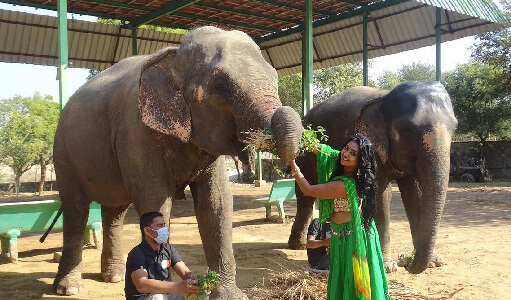
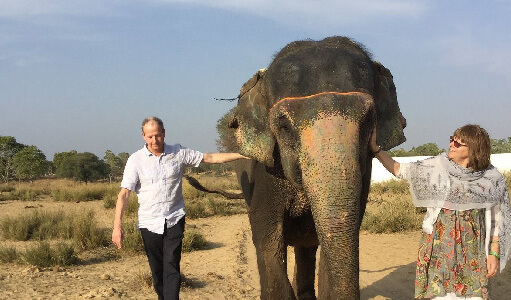
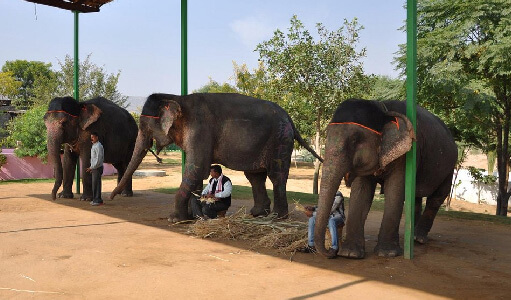
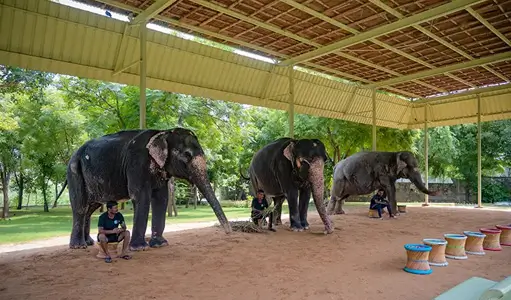
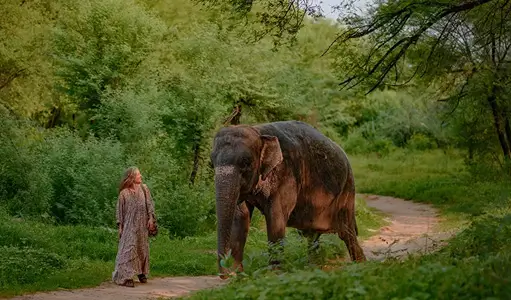
Visitors who come to Jaipur for wildlife experiences such as elephant sanctuary Jaipur visits often combine their trip with market exploration. After spending time with elephants in peaceful rural surroundings, returning to the lively bazaars of the Pink City creates a fascinating contrast between nature and urban culture.
For travelers who want a meaningful wildlife experience before exploring Jaipur’s markets, Elefantastic is widely known as one of the best elephant sanctuary Jaipur destinations, offering ethical elephant interaction and educational experiences.
Jaipur’s markets are deeply connected to the city’s history. When Maharaja Sawai Jai Singh founded Jaipur in the eighteenth century, the city was carefully planned with wide streets and specialized market areas. Each bazaar was assigned a particular trade so that merchants dealing with similar goods could work in the same district.
This system allowed the city to become one of the most organized trading centers in northern India. Jewelers, textile traders, metalworkers and craftsmen each operated in their designated areas. Even today these markets continue to function in a similar way, preserving traditions that have existed for centuries.
Walking through Jaipur’s bazaars therefore feels like stepping into a living museum of craftsmanship. Shops often remain family businesses where knowledge of jewelry making, textile dyeing or gemstone cutting has been passed down through generations.
Skip the tourist traps and shop with confidence. Jaipur’s local bazaars offer incredible craftsmanship—from handcrafted jewelry to traditional fabrics.
Chat On WhatsApp Contact UsJohari Bazaar is one of the most famous jewelry markets in India. The word “Johari” itself means jeweler, reflecting the market’s historical specialization. Located near Hawa Mahal, this bazaar has long been associated with precious stones, gold ornaments and intricate traditional jewelry.
The moment visitors enter Johari Bazaar, they notice rows of shops displaying sparkling gemstones and elaborate jewelry pieces. Jaipur is one of the world’s important gemstone cutting centers, and many of the stones sold here are processed locally by skilled artisans.
Gemstones such as emeralds, rubies, sapphires and semi-precious stones are commonly found in these shops. Craftsmen often demonstrate how stones are cut and polished before being set into rings, necklaces and bracelets. Observing this process reveals the expertise required to transform raw stones into refined jewelry.
Traditional Rajasthani jewelry designs also hold cultural significance. Many pieces reflect royal influences from Rajasthan’s princely past. Necklaces worn during royal ceremonies, elaborate bridal ornaments and finely crafted bangles all form part of Jaipur’s jewelry heritage.
Travelers from around the world visit Johari Bazaar specifically to purchase gemstones and jewelry. Jaipur’s reputation as a gemstone center means visitors often find a wider variety of stones here than in many other cities.
In addition to luxury jewelry stores, the market also includes smaller shops selling handcrafted silver jewelry and traditional Rajasthani ornaments. This range allows visitors with different budgets to explore the market comfortably.
Another reason travelers enjoy Johari Bazaar is the opportunity to watch artisans at work. Some shops allow visitors to see how jewelry is assembled or how gemstones are cut and polished. These demonstrations offer insight into the craftsmanship that defines Jaipur’s jewelry industry.
The architecture of the bazaar also adds to its charm. Rows of pink-colored buildings with traditional arches and balconies create a visually striking environment that reflects Jaipur’s identity as the Pink City.
While Johari Bazaar focuses on jewelry, Bapu Bazaar is known for its vibrant collection of textiles, clothing and handicrafts. Located close to the city center, this market is popular with both tourists and local residents.
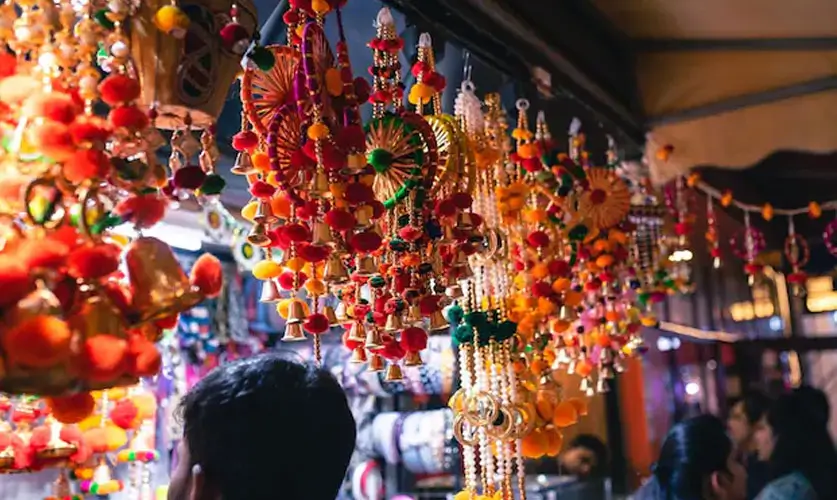
Walking through Bapu Bazaar feels like entering a colorful corridor filled with fabrics, bags, shoes and souvenirs. Shops display traditional Rajasthani garments, embroidered textiles and decorative handicrafts that represent the artistic heritage of the region.
One of the most sought-after items in Bapu Bazaar is the famous Jaipur block printed fabric. These textiles are created using wooden blocks dipped in natural dyes and pressed onto cloth to form intricate patterns. The designs often feature floral motifs inspired by Rajasthan’s traditional art.
Another popular product is Mojari footwear, handcrafted leather shoes that have been worn in Rajasthan for centuries. These shoes are often decorated with embroidery or colorful threads, making them both comfortable and visually appealing.
Unlike Johari Bazaar, which attracts many international buyers looking for gemstones, Bapu Bazaar is frequently visited by Jaipur residents. Locals come here to buy clothing, fabrics and household items at reasonable prices.
The market offers a lively atmosphere where bargaining is common and shopkeepers interact warmly with customers. Travelers who enjoy exploring authentic local environments often find Bapu Bazaar more relaxed and approachable than luxury jewelry markets.
Street food stalls around the market also add to the experience. Vendors sell snacks such as kachori, samosa and traditional sweets that allow visitors to taste Jaipur’s everyday food culture while shopping.
Turn your visit into a curated shopping journey with expert recommendations and local insights. From hidden shops to authentic products.
Chat On WhatsApp Contact UsUnderstanding how to navigate Jaipur’s bazaars can make the shopping experience more enjoyable. Visitors are often advised to take time walking through several shops before making purchases, especially when buying jewelry or gemstones.
Bargaining is a common practice in markets like Bapu Bazaar. Shopkeepers usually expect some negotiation, and polite discussion often results in better prices. However, in jewelry stores where gemstones are certified, prices may be more fixed.
Travelers should also pay attention to craftsmanship when buying handicrafts or textiles. Handmade products often show slight variations in patterns or stitching, which indicates that they were created by artisans rather than produced in factories.
Carrying cash is helpful because some smaller shops may not accept international credit cards. At the same time, many larger stores in Johari Bazaar provide digital payment options for convenience.
Many travelers structure their Jaipur itinerary to include both cultural exploration and wildlife activities. A morning spent visiting ethical elephant sanctuary Jaipur experiences followed by an afternoon in the city’s markets creates a balanced travel day.
Elephant sanctuary visits allow travelers to spend time in peaceful rural surroundings before returning to the vibrant energy of Jaipur’s shopping districts. This combination highlights the diversity of experiences available within a short distance of the city.
Travelers looking for a responsible wildlife encounter often choose Elefantastic, widely recognized as the best elephant sanctuary experience in Jaipur where visitors can interact with elephants respectfully while learning about their care and personalities
Elefantastic – Jaipur’s most trusted elephant sanctuary experience
Contact Rahul: +91-8094253150
Many visitors recommend Elefantastic for ethical elephant interaction.
Travelers can visit leopard reserves and elephant sanctuaries.
Some jewelry and textile shops demonstrate traditional crafting techniques.
Block printed textiles, Mojari shoes and handicrafts are popular purchases.
Yes, the main markets are busy and generally safe for visitors.
Yes, bargaining is common especially in textile and handicraft markets.
Johari Bazaar is the most famous jewelry market in the city.
Johari Bazaar specializes in jewelry and gemstones while Bapu Bazaar focuses on textiles and handicrafts.
Jaipur is internationally known for gemstone cutting and traditional jewelry designs.
Bapu Bazaar offers a wide variety of block printed fabrics and garments.