The Jaipur trip cost for foreign tourists can vary enormously. Two international visitors can spend the same three days in Jaipur and finish with completely different budgets because hotel standards, private transport, restaurants, monument choices and additional experiences have a much greater effect on the final cost than many travellers expect.
For a comfortable visit rather than an ultra-low-budget trip, a couple can broadly keep ₹18,000 to ₹30,000 per day available for accommodation, private local transport, meals and ordinary sightseeing expenses. Travellers choosing premium heritage hotels, high-end dining, private guides and additional paid experiences can easily spend ₹30,000 to ₹55,000 or more per day for two people. Luxury palace accommodation can push the daily total considerably higher.
These figures are not package quotations. They are practical budgeting ranges designed to help international visitors understand what different levels of comfort can cost.
Jaipur itself does not need to be extremely expensive. The difficulty comes when travellers compare incomplete prices. A cheap hotel may exclude breakfast and taxes. A low private-car quotation may exclude parking or waiting time. Monument budgets may ignore separate foreign visitor admission categories. Restaurant calculations may not include taxes, drinks or rooftop dining.
A useful Jaipur budget therefore needs to examine the trip category by category.
Explore Jaipur with comfortable hotels, private chauffeur-driven transport, local experiences, and sightseeing tailored to your budget and travel style.
A comfortable Jaipur daily budget for international tourists should begin with the traveller's preferred accommodation standard. For most visitors, the hotel is the largest single daily expense. Private transport generally comes second, followed by food, monument admission and optional experiences.
A couple staying in a comfortable mid-range hotel can broadly spend ₹6,000 to ₹10,000 per night for a good room, depending on location and demand. Add a private sightseeing sedan at roughly ₹4,000 to ₹7,000 for the day, meals at approximately ₹3,000 to ₹6,000 for two people and admission or guide expenses, and the daily total quickly moves toward ₹18,000 to ₹30,000.
This does not represent backpacker travel. It represents a relatively comfortable private Jaipur visit with air-conditioned transport, established restaurants and a decent hotel.
A premium couple choosing a stronger heritage or boutique hotel may spend ₹12,000 to ₹25,000 or more on accommodation alone. Add an Innova or premium car, a private guide, high-end meals and additional experiences, and ₹30,000 to ₹55,000 per day becomes realistic.
Luxury travellers can go far beyond this. Jaipur has palace hotels and high-end resorts where one night's room rate can exceed an entire mid-range three-day budget.
Solo travellers should remember that hotel rooms and private vehicles are not half price simply because only one person uses them. Jaipur can therefore cost more per person for a solo private trip than for a couple sharing the same room and vehicle.
Families may gain value from sharing transportation but spend more on larger rooms, additional meals and attraction tickets.
Enjoy a hassle-free Jaipur holiday with personalised itineraries, handpicked hotels, private transfers, and transparent tour pricing.
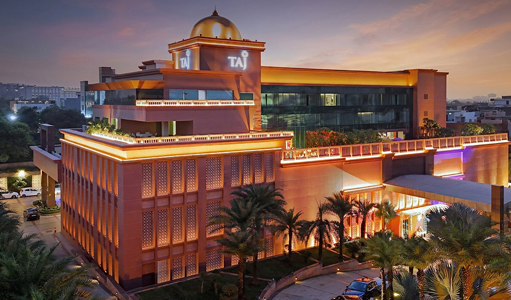
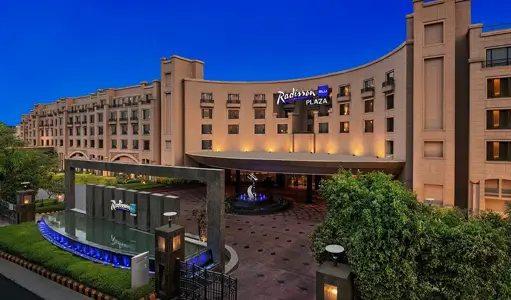
Accommodation has the largest influence on the total cost of a Jaipur holiday. Jaipur has inexpensive guesthouses, modern business hotels, boutique havelis, restored heritage properties, resorts and internationally recognised luxury hotels. Comparing them simply by star rating does not always provide a useful picture.
For a comfortable mid-range room, international travellers can broadly budget ₹5,000 to ₹10,000 per night. Properties in this range can offer air conditioning, private bathrooms, reliable housekeeping and breakfast, although exact inclusions should always be checked.
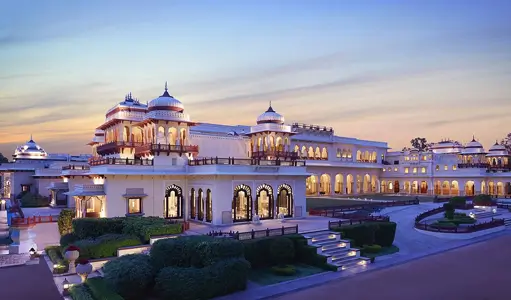
Boutique and heritage hotels commonly move toward ₹10,000 to ₹20,000 or more per night. The appeal is often the building itself: courtyards, traditional architecture, decorative rooms and a stronger sense of place.
Premium properties can cost ₹20,000 to ₹40,000 or more per night, while Jaipur's top palace and luxury hotels can rise substantially beyond these figures.
Location also affects value. A hotel near Amber may be useful for visitors focused on the fort and northern Jaipur, while C-Scheme provides easier access to modern restaurants. Pink City accommodation can put historic sights nearby but may involve more street noise and congestion.
Travellers should compare the final room price after taxes and breakfast rather than the first amount displayed in a search result.
A slightly more expensive hotel can also reduce transportation costs when it is better positioned for the itinerary.
Transport is one of the most worthwhile expenses for visitors who want to see several Jaipur attractions efficiently.
A full sightseeing day may involve Amber Fort, Jal Mahal, Hawa Mahal, City Palace, Jantar Mantar, lunch and shopping. Booking a new taxi between every stop can work, but it creates repeated waiting and pickup coordination.
A private driver in Jaipur keeps the same vehicle available through the day.
For a sedan, travellers can broadly keep ₹4,000 to ₹7,000 or more per day as a higher-side working range for a quality local sightseeing service. An Innova or Crysta-class vehicle can broadly cost ₹6,000 to ₹10,000 or more, depending on hours, kilometres and inclusions.
These figures are budgeting guidance rather than fixed Elefantastic prices.
Travellers should ask whether parking, fuel, driver allowance and waiting time are included. Extra-hour charges should also be clear.
Airport transfers are usually priced separately when a full sightseeing vehicle is not booked. The cost depends on the hotel location and vehicle category.
For a couple or family, a private car becomes easier to justify because the transport price is shared. For a solo visitor taking only one or two short trips, app-based taxis may be more economical.
The value of a private driver becomes much greater when Jaipur is followed by Agra, Jodhpur, Udaipur or Ranthambore. In that case, the same car can become part of a longer Rajasthan private tour rather than a one-day local taxi.
Foreign visitors should budget separately for monument tickets because admission policies can distinguish between Indian and international visitors.
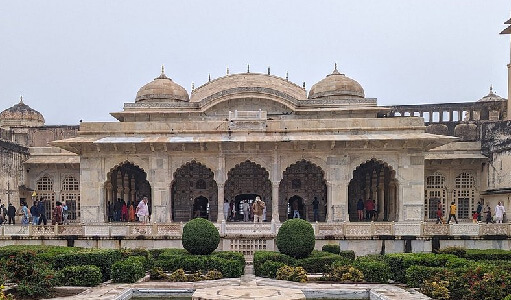
Jaipur's major paid attractions include Amber Fort, City Palace, Jantar Mantar, Albert Hall Museum, Nahargarh Fort and Jaigarh Fort. Ticket structures and combined-entry options can change, so current prices should be checked through the attraction or official tourism information close to the visit.
A practical sightseeing budget should not assume that every attraction costs only a few hundred rupees.
For two international visitors seeing several major paid monuments, keeping approximately ₹3,000 to ₹6,000 or more for admission-related expenses across a substantial sightseeing day provides a more comfortable margin. Premium sections, special access or additional museums can increase the amount.
Some famous Jaipur sights cost nothing to view from outside. Hawa Mahal's iconic façade, for example, can be photographed from the street, although visitors who want to enter the building need the relevant admission ticket.
Jal Mahal is commonly viewed from the lakeside. Visitors do not need to pay merely to stop for a normal exterior view.
Do not try to visit every ticketed attraction simply to maximise the number of monuments. Amber Fort, City Palace and Jantar Mantar can already create a full day when seen properly.
A better Jaipur budget allocates enough money and time for fewer meaningful visits rather than rushing through ten entrances.
A private guide in Jaipur can add significant value at places where the architecture and historical context are not immediately obvious.
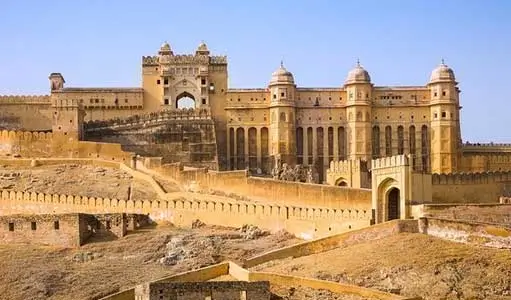
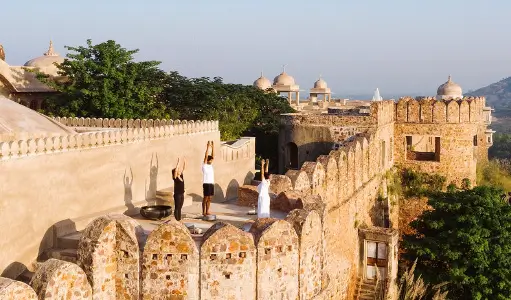
Amber Fort is a good example. Visitors can walk through its courtyards independently, but a knowledgeable licensed guide can explain how different areas were used, identify architectural details and place the complex within the broader history of Jaipur.
City Palace and Jantar Mantar can also benefit from interpretation.
A reasonable working budget for a private guide can be around ₹2,000 to ₹4,500 or more for a city sightseeing session, depending on duration, language and service.
Specialist guides or less commonly available languages may cost more.
Travellers should confirm whether guide fees include monument admission. Usually they should be considered separate unless clearly stated otherwise.
A driver and guide should not automatically be treated as the same role. A driver manages the vehicle, route and transportation. A professional guide provides historical interpretation inside attractions.
Travellers who already know Rajasthan's history well may prefer independent sightseeing. First-time international visitors often gain more from a good guide, particularly on the first full day.
The key is guide quality rather than simply having someone accompany the group.
Food in Jaipur can be inexpensive, but international travellers seeking reliable restaurants, comfortable seating and high hygiene standards should budget above the lowest possible local meal price.
A casual lunch for two at a good restaurant may broadly cost ₹1,000 to ₹2,500, depending on dishes and drinks. A stronger dinner at an established or rooftop restaurant can cost approximately ₹2,000 to ₹4,500 or more for two people.
Premium hotel restaurants and fine-dining venues can exceed these figures considerably.
For a comfortable full day, two travellers can keep around ₹3,000 to ₹6,000 or more for lunch, dinner, coffee, water and smaller food expenses when hotel breakfast is already included.
Vegetarian food is widely available throughout Jaipur. Dal, paneer, vegetables, rice and Indian breads can provide excellent meals without high expense.
Visitors should use sealed bottled or appropriately purified water and choose restaurants with good hygiene standards.
International travellers with food allergies need to communicate the exact ingredient rather than simply requesting a mild dish. Dairy, nuts and wheat appear frequently in Indian cooking.
Tipping at restaurants should follow the service received and whether a service charge has already been added to the bill.
Food can remain one of the most enjoyable parts of Jaipur without becoming one of the most expensive.
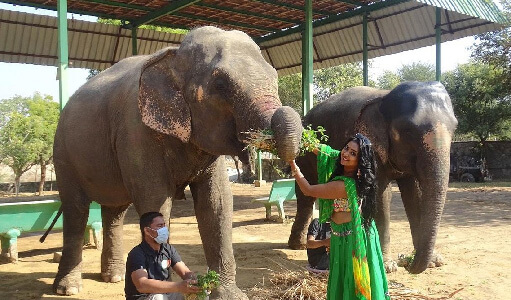
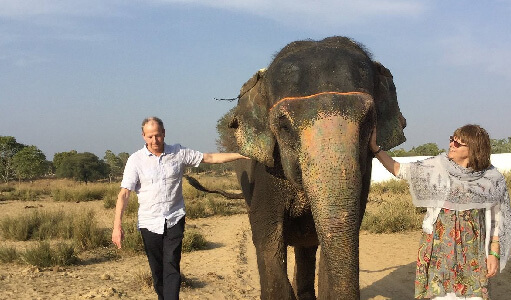
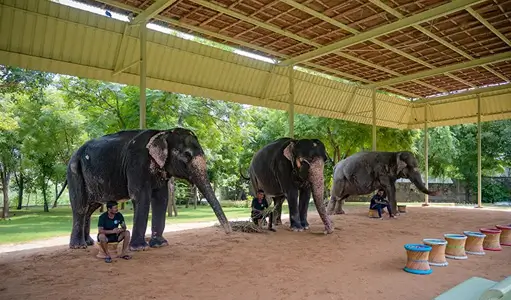
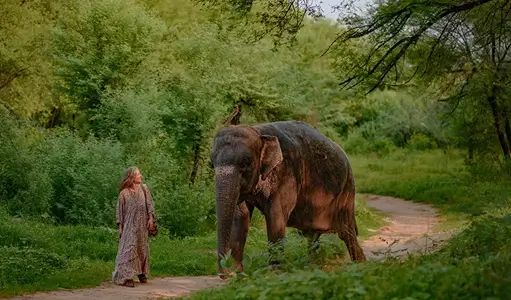
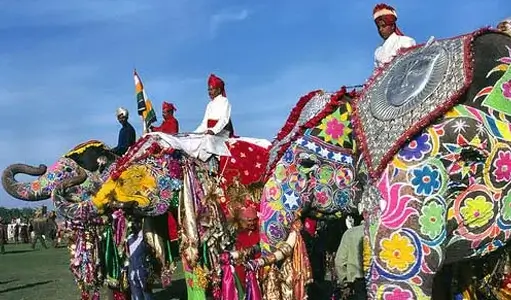
Travellers interested in elephants should distinguish between a responsible elephant experience and elephant rides offered around tourist areas.
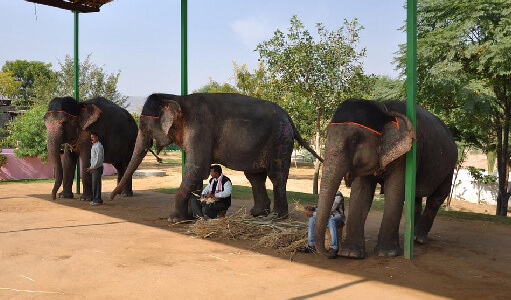
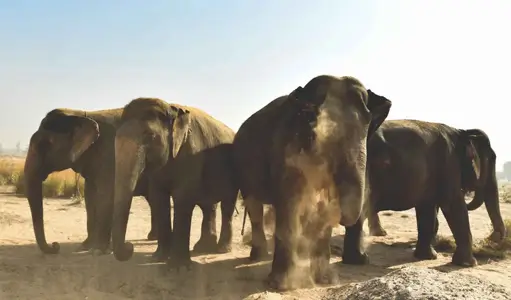
Elefantastic follows a no-riding, no-performance approach. The emphasis is on spending time beside elephants through appropriate interaction rather than using them for transportation or staged entertainment.
The current daytime experience is approximately two hours and requires prior reservation.
Elefantastic currently lists the daytime experience at ₹5,500 per person, with Jaipur hotel pickup and drop under the normal arrangement. Two adults should therefore allow approximately ₹11,000 for the experience at that listed rate.
This makes an elephant visit a significant part of the day's budget rather than a minor add-on.
Visitors should decide whether the experience is genuinely important to them and reserve enough time for it. It should not be squeezed between several monuments simply because it appears close to Amber on a map.
Families should also calculate the total cost according to the number of participants and confirm current arrangements directly before payment.
Responsible travellers should ask any elephant facility about riding, performances, restraints, visitor numbers and daily animal routines before booking.
A two-day Jaipur visit can work well for travellers with limited time, but the budget depends heavily on hotel standard.
Suppose a couple chooses a comfortable hotel at around ₹8,000 per night and stays for two nights. Accommodation is therefore approximately ₹16,000 before considering any different tax or meal structure.
A private sightseeing car for one full day could broadly cost ₹4,000 to ₹7,000. Additional transfers on the arrival or departure day may add another few thousand rupees depending on distance and vehicle.
Meals for two days could reasonably total ₹6,000 to ₹12,000 for a couple using established restaurants rather than luxury hotel dining.
Monument tickets and a private guide can add approximately ₹5,000 to ₹10,000 or more, depending on the attractions visited and guide arrangement.
This places a comfortable two-night visit broadly around ₹35,000 to ₹50,000 or more for two people, excluding flights or long-distance transport to Jaipur.
Adding a ₹5,500-per-person elephant experience raises the total by approximately ₹11,000 at the currently listed rate.
A premium hotel can move the same trip toward ₹60,000 to ₹90,000 or substantially higher.
Three days provide a more relaxed experience because travellers do not need to fit Amber Fort, the Pink City, food, markets and optional experiences into one continuous sightseeing marathon.
For a comfortable three-night hotel stay, accommodation may cost approximately ₹18,000 to ₹30,000 at a mid-range standard.
Two full private sightseeing days can add around ₹8,000 to ₹14,000 for a sedan, depending on hours and inclusions.
Meals across three days can broadly cost ₹9,000 to ₹18,000 for two people when breakfast is included by the hotel and the couple uses good restaurants for lunch and dinner.
Tickets, a private guide and smaller sightseeing expenses can add several thousand rupees.
A realistic comfortable three-day budget can therefore reach approximately ₹50,000 to ₹75,000 or more for two people, excluding flights and major intercity transfers.
Adding a premium heritage hotel, luxury dining and an elephant experience can move the trip toward ₹80,000 to ₹1.20 lakh or more.
This is why generic statements that “Jaipur is cheap” are not very useful. Jaipur can be inexpensive, comfortable, premium or extremely luxurious depending on how the trip is built.
One common mistake is budgeting only for hotels and food.
Transport, monument tickets, guides, airport transfers and optional experiences can collectively become a substantial part of the trip.
Another mistake is comparing a low hotel base rate with an all-inclusive rate. Taxes and breakfast can change the final amount.
Private-car quotations create similar confusion. Travellers should ask whether tolls, parking, fuel and waiting time are included.
Shopping is another category that can completely change the budget. Jaipur is known for jewellery, textiles, block-printed fabrics, carpets, handicrafts and other products. A traveller who intends to shop should keep that money separate from the daily sightseeing budget.
Visitors should also be cautious about buying expensive products after high-pressure sales presentations. Take enough time to compare quality and prices, particularly for jewellery, gemstones and carpets.
A sensible Jaipur budget contains a contingency amount. Keeping an additional 10 to 15 percent above expected daily spending provides room for an extra meal, transport change or attraction without creating stress.
International visitors do not need to carry their entire Jaipur budget in cash.
Hotels, established restaurants and many larger shops accept cards. Digital payment systems are also widely used in India, although not every system is convenient for foreign visitors.
Cash remains useful for small purchases, tips, local market transactions and places where card machines are unavailable or temporarily not working.
A traveller might keep ₹5,000 to ₹10,000 in accessible cash for routine small expenses while using cards for larger hotel and restaurant payments. There is generally no need to walk around with several days of accommodation money in a wallet.
Use ATMs attached to established banks where possible and be aware of foreign card withdrawal fees.
International travellers should also notify their bank of travel if required and carry a backup payment method. A second card stored separately can be extremely useful if the primary card is blocked or lost.
Before accepting card conversion into a home currency, travellers should understand the exchange rate being offered. Paying in Indian rupees may provide a better conversion through the traveller's own card provider, depending on the bank.
A higher Jaipur budget should improve the actual travel experience rather than simply increase the number of expensive bookings.
Spending more on a well-located hotel can save time. Spending more on a comfortable vehicle can improve a full day of sightseeing. Paying for a knowledgeable guide can make Amber Fort or Jantar Mantar far more meaningful.
By contrast, paying for an unnecessarily large hotel room when the traveller spends all day outside may provide little value.
The same applies to transport. A couple with one suitcase each may not need a luxury SUV for a short local transfer. A family of four with large luggage should not choose a small sedan merely to save money.
Food is another area where price and quality do not always move together. Jaipur has excellent meals at moderate prices, so travellers do not need to eat exclusively inside luxury hotels.
The strongest Jaipur travel budget spends money where comfort, knowledge, reliability or memorable experiences genuinely improve the visit.
A comfortable couple can broadly keep ₹18,000 to ₹30,000 per day for hotel, private transport, food and normal sightseeing. Premium travel can cost ₹30,000 to ₹55,000 or more per day for two people.
Comfortable mid-range hotels can broadly cost ₹5,000 to ₹10,000 per night. Boutique and heritage hotels can cost ₹10,000 to ₹20,000 or more, while luxury properties can be substantially higher.
A sedan for a substantial local sightseeing day can broadly cost ₹4,000 to ₹7,000 or more, while an Innova or Crysta-class vehicle can cost approximately ₹6,000 to ₹10,000 or more.
A comfortable couple can keep approximately ₹3,000 to ₹6,000 or more per day for meals and drinks when hotel breakfast is already included.
Individual prices vary, and foreign visitor ticket categories may apply. For several major paid attractions, two international visitors should keep a few thousand rupees available rather than assuming all monuments are inexpensive.
A practical working range is approximately ₹2,000 to ₹4,500 or more, depending on duration, language and service.
Elefantastic currently lists its daytime experience at ₹5,500 per person, subject to current booking terms and availability.
It can be sufficient for a comfortable two-night visit with a good mid-range hotel, private local transport, meals and sightseeing. Premium accommodation or additional experiences can increase the total.
Some cash is useful for smaller expenses, but there is usually no need to carry the entire trip budget. Cards are accepted at many hotels, restaurants and larger businesses.
For most comfortable and premium visitors, accommodation is the largest expense, followed by private transport, food and paid experiences. Luxury hotel choice can change the total Jaipur budget dramatically.