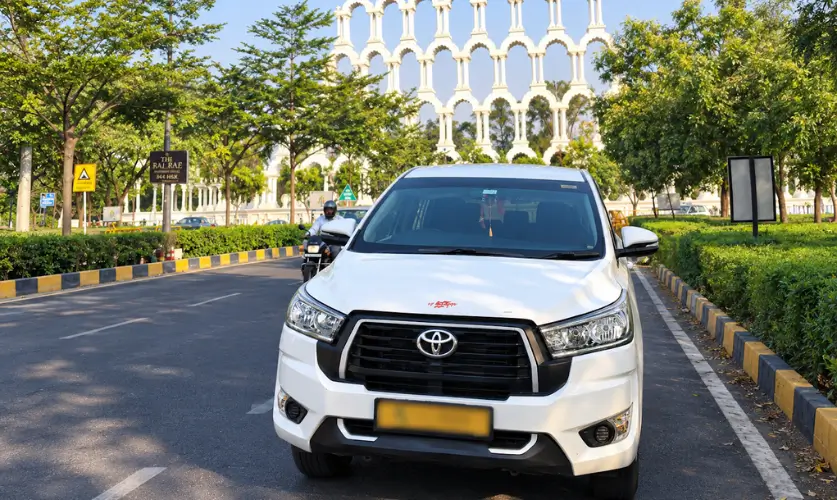
A road journey between Jaipur and Udaipur is one of the most rewarding ways to experience Rajasthan beyond its famous cities. Instead of simply travelling from one destination to another, this route introduces visitors to historic towns, sacred lakes, impressive forts, vibrant local markets, desert landscapes, and changing countryside that together reveal the remarkable diversity of India's largest state. While flights and trains connect Jaipur and Udaipur efficiently, travelling by road allows international visitors to enjoy Rajasthan at a slower pace, stopping whenever an interesting monument, viewpoint, café, or traditional village captures their attention.
The distance between Jaipur and Udaipur is approximately 395 to 410 kilometres, depending on the exact route selected. Under normal traffic conditions, the journey usually takes around seven to eight hours without major sightseeing stops. However, most travelers prefer extending the trip into a full-day experience by visiting Ajmer and Pushkar along the way. These destinations add cultural richness and make the drive significantly more memorable than a direct highway journey.
The route follows well-maintained national highways for much of the journey, making it suitable for self-drive holidays, chauffeur-driven vehicles, and organized Rajasthan tours. Modern highways provide relatively comfortable driving conditions, while sections approaching historical towns introduce visitors to more traditional landscapes where camel carts, colourful local markets, roadside temples, and rural farming communities create a distinctly Rajasthani atmosphere.
Ajmer and Pushkar complement each other perfectly despite offering very different experiences. Ajmer is known internationally for the revered Ajmer Sharif Dargah, attracting pilgrims from across the world. Pushkar, located only a short drive away, is famous for the sacred Pushkar Lake, ancient temples, peaceful ghats, lively bazaars, and the internationally recognised camel fair held annually. Together, these destinations provide an excellent introduction to Rajasthan's cultural and religious diversity.
Beyond these famous stops, the drive passes rolling sections of the Aravalli Hills, one of the world's oldest mountain ranges. The scenery gradually changes from the busy streets of Jaipur to open countryside, rocky hills, traditional villages, marble workshops, agricultural fields, and small roadside communities where everyday life unfolds at a relaxed pace. These changing landscapes make the journey particularly enjoyable for photographers and travelers interested in experiencing rural Rajasthan beyond the major tourist centres.
Unlike many long-distance road trips where fuel stations and restaurants are limited, the Jaipur–Udaipur highway offers frequent opportunities for refreshments. Well-known highway restaurants, cafés, petrol stations, convenience stores, and clean rest facilities are available throughout much of the route, allowing travelers to drive comfortably without worrying about long isolated stretches.
For international visitors following the Golden Triangle itinerary, extending the journey from Jaipur to Udaipur provides an opportunity to experience another side of Rajasthan. While Jaipur is celebrated for royal palaces, forts, and bustling markets, Udaipur offers tranquil lakes, elegant palaces, romantic architecture, and spectacular sunset views. Connecting these two cities by road transforms transportation into an enjoyable travel experience rather than simply moving between destinations.
Understanding the route, expected travel time, road quality, toll charges, sightseeing opportunities, and practical driving advice before departure helps travelers enjoy a smooth journey while making the most of one of Rajasthan's most scenic road trips.
The most popular Jaipur to Udaipur road trip follows National Highway 48 (NH-48) for much of the journey before connecting with regional highways leading toward Ajmer, Pushkar, Beawar, Rajsamand, Nathdwara, and finally Udaipur. This route is widely preferred because it combines relatively good road conditions with convenient access to some of Rajasthan's most important cultural destinations.
Leaving Jaipur, travelers initially pass through modern suburban areas before reaching wider highway sections designed for long-distance traffic. Early morning departures are generally recommended because city traffic remains lighter, allowing drivers to cover the first section comfortably before temperatures begin rising later in the day. Travelers staying within Jaipur often choose to leave between 7:00 AM and 8:00 AM, providing sufficient time for sightseeing stops without reaching Udaipur after dark.
The first major destination encountered is Ajmer, located approximately 135 kilometres from Jaipur. Under normal traffic conditions, this section usually requires around two and a half to three hours of driving. The highway remains in generally good condition throughout this stretch, although occasional construction work or seasonal maintenance projects may create temporary diversions. Fuel stations, restaurants, cafés, and roadside facilities are available regularly, making the drive suitable even for first-time visitors unfamiliar with Indian highways.
From Ajmer, the road to Pushkar covers only around 15 kilometres but introduces a noticeably different landscape as it crosses low sections of the Aravalli Hills. Although the distance is short, the change in scenery is immediate. The busy streets of Ajmer gradually give way to quieter roads leading toward the sacred town of Pushkar, where traditional architecture, temple spires, local markets, and the peaceful lake create an entirely different atmosphere.
Continuing beyond Pushkar, the highway becomes increasingly scenic. Long stretches of open countryside alternate with rocky hills, marble processing areas, farming communities, and small villages where travelers can observe everyday rural life. During winter months, the comfortable weather makes this section particularly enjoyable, while the green landscape following the monsoon season offers an unexpectedly vibrant contrast to Rajasthan's popular image as an entirely desert state.
Road quality remains generally good throughout most of the journey, although occasional local traffic, livestock crossings, agricultural vehicles, and slower-moving trucks require attentive driving. International visitors unfamiliar with Indian road conditions often prefer hiring experienced local drivers rather than renting self-drive vehicles, particularly if they intend to stop frequently for sightseeing.
Several attractive highway restaurants operate along this route, offering Indian cuisine, international dishes, coffee, refreshments, and clean washroom facilities. Many travelers combine lunch with one of these stops before continuing toward Udaipur during the afternoon.
As the journey approaches Rajsamand and Nathdwara, the surrounding hills become more prominent. These final sections introduce travelers to the picturesque landscapes that characterize southern Rajasthan before the road gradually descends toward the beautiful lake city of Udaipur.
The arrival into Udaipur provides a striking contrast to Jaipur's energetic urban atmosphere. Surrounded by lakes, palaces, gardens, and the Aravalli Hills, Udaipur offers a more relaxed environment that many visitors consider the perfect conclusion to this memorable Rajasthan road journey.
One of the biggest advantages of travelling from Jaipur to Udaipur by road is the opportunity to visit Ajmer Sharif Dargah, one of India's most respected spiritual destinations. Located in the heart of Ajmer, the shrine of Khwaja Moinuddin Chishti welcomes millions of visitors every year, including pilgrims, tourists, historians, and people from different religious backgrounds.
The atmosphere around the Dargah is unlike any other place in Rajasthan. Narrow streets filled with flower sellers, traditional sweet shops, perfume stores, handicraft vendors, and local restaurants create a lively environment long before visitors reach the entrance. Throughout the day, the surrounding market remains active as pilgrims purchase offerings and souvenirs before entering the shrine.
Visitors are expected to dress modestly while entering the Dargah. Shoes must be removed before entering the main complex, and both men and women are advised to wear clothing that covers their shoulders and knees. Scarves are commonly available near the entrance for visitors who require head coverings.
Although entry to the shrine is free, visitors may choose to make voluntary donations if they wish. Numerous individuals inside and outside the complex may offer guided services or assistance. Politely declining unwanted services is perfectly acceptable if travelers prefer to explore independently.
Photography is restricted in certain parts of the shrine, and visitors should always respect local customs while moving through the complex. Maintaining a calm and respectful attitude contributes to a positive experience for everyone.
A typical visit usually requires between one and two hours, depending on visitor numbers and personal interest. Since the Dargah can become extremely crowded during festivals and weekends, arriving earlier in the day generally provides a more comfortable visit.
Why simply travel between two cities when you can experience Rajasthan along the way? Discover Ajmer, Pushkar, scenic Aravalli landscapes and hidden moments with a journey planned around comfort, culture and discovery.
Only a short drive from Ajmer lies Pushkar, one of Rajasthan's most peaceful and spiritually significant towns. While Ajmer is known for its bustling religious atmosphere, Pushkar offers a slower pace centered around its sacred lake, ancient temples, charming cafés, and colorful local markets.
The heart of Pushkar is the beautiful Pushkar Lake, surrounded by more than fifty bathing ghats where pilgrims gather throughout the day for religious ceremonies and prayers. The calm waters, white temples, and surrounding hills create a tranquil setting that feels completely different from Rajasthan's larger cities.
One of Pushkar's most famous attractions is the Brahma Temple, dedicated to Lord Brahma. It is regarded as one of the very few significant temples in the world devoted to this Hindu deity, making it an important pilgrimage destination as well as a popular attraction for international visitors interested in Indian history and religion.
Visitors should remove their shoes before entering the temple complex and follow the instructions provided by temple staff. Photography restrictions may apply inside certain areas, so checking local regulations before taking pictures is advisable.
Beyond its religious importance, Pushkar has developed a welcoming atmosphere for international travelers. Small cafés overlooking the lake serve both Indian and international cuisine, while traditional markets offer handmade textiles, silver jewelry, leather goods, paintings, musical instruments, and locally produced handicrafts.
Travelers visiting during the internationally famous Pushkar Camel Fair experience an entirely different atmosphere. Thousands of camels, horses, livestock traders, performers, photographers, and visitors transform the town into one of India's most colorful cultural festivals. Accommodation prices rise considerably during this period, making advance reservations essential.
A leisurely visit to Pushkar generally requires two to three hours, although many travelers choose to stay overnight to enjoy the peaceful evening atmosphere after day visitors have departed.
Understanding travel costs helps visitors prepare a realistic budget before beginning the Jaipur to Udaipur road trip. Although expenses vary depending on vehicle type and fuel prices, estimating costs in advance prevents unexpected surprises.
The total driving distance is approximately 400 kilometres. For a typical petrol vehicle averaging around 15 kilometres per litre, fuel consumption is usually between 26 and 28 litres. With current fuel prices fluctuating, travelers can generally expect fuel expenses of approximately ₹2,800 to ₹3,500 for a one-way journey, depending on the vehicle's efficiency.
Diesel vehicles may offer slightly lower operating costs because of improved fuel economy, while larger SUVs naturally consume more fuel than compact cars.
Several toll plazas operate along NH-48. For private cars, total toll charges generally range between ₹500 and ₹800 for the complete journey, depending on the exact route and updated toll rates. Most toll plazas accept electronic payment systems as well as cash, allowing convenient passage throughout the trip.
Visitors hiring chauffeur-driven vehicles should clarify whether toll charges, parking fees, interstate taxes, and driver accommodation are included in the quoted price. Some operators provide all-inclusive packages, while others bill these expenses separately.
Parking fees at attractions such as Ajmer Sharif Dargah and Pushkar are generally modest, although prices may increase during festivals or periods of exceptionally high visitor numbers.
When compared with domestic flights for groups or families, a road trip often provides excellent value while allowing far greater flexibility to stop wherever desired along the route.
From the royal charm of Jaipur to the lakes of Udaipur, make every mile part of the experience with a thoughtfully planned journey through Rajasthan’s culture, landscapes and heritage.
Rajasthan experiences significant seasonal variations that influence driving comfort and sightseeing opportunities.
The most comfortable months for a Jaipur to Udaipur road trip are generally between October and March, when daytime temperatures remain pleasant for outdoor exploration. Clear skies, comfortable weather, and excellent visibility make this period particularly enjoyable for photography and sightseeing.
The monsoon season, usually between July and September, transforms sections of the Aravalli Hills into surprisingly green landscapes. Although occasional rainfall may slightly extend travel time, the countryside appears far more vibrant than during the dry summer months.
Summer temperatures between April and June can exceed 40°C, especially during afternoon hours. Travelers choosing this season should begin driving early in the morning, carry sufficient drinking water, and avoid extended sightseeing during the hottest part of the day.
Starting the journey between 7:00 AM and 8:00 AM is generally considered ideal regardless of season. Early departures reduce city traffic, allow relaxed sightseeing in Ajmer and Pushkar, and ensure arrival in Udaipur before sunset.
Preparation significantly improves the overall travel experience. Before leaving Jaipur, travelers should confirm vehicle condition, fuel level, tire pressure, navigation settings, and weather forecasts.
Keeping offline navigation maps downloaded in advance is advisable because mobile network coverage may occasionally fluctuate in remote areas.
Carrying drinking water, light snacks, sunglasses, sunscreen, and a portable phone charger contributes to greater comfort throughout the journey. Comfortable clothing is recommended, particularly for travelers planning to visit religious sites where modest dress is appreciated.
Drivers should remain attentive for livestock crossings, motorcycles, tractors, and local traffic, particularly when approaching villages and smaller towns. Night driving is generally safe on major highways, but many visitors prefer completing the journey during daylight hours to enjoy the scenery.
Travelers interested in photography will find numerous opportunities along the route. However, stopping should only occur at safe designated areas rather than on busy highway shoulders.
Booking accommodation in Udaipur before departure is also advisable, especially during weekends and peak tourist seasons when lakeside hotels often reach full occupancy.
Taking time to enjoy local food, interact respectfully with residents, and appreciate Rajasthan's changing landscapes transforms this drive into far more than a simple transfer between two cities. It becomes one of the most memorable sections of a broader journey through northern India.
The journey covers approximately 395 to 410 kilometres, depending on the route selected.
Without extended sightseeing stops, the drive generally requires 7 to 8 hours.
The most popular route follows NH-48 through Ajmer, Pushkar, Beawar, Rajsamand, and Nathdwara before reaching Udaipur.
Yes. Most sections are well maintained, although visitors unfamiliar with Indian driving conditions often prefer hiring an experienced local driver.
Yes. Total toll charges for private cars generally range from ₹500 to ₹800.
Yes. Ajmer Sharif Dargah is one of India's most important pilgrimage destinations and attracts visitors from around the world.
Allow at least 2 to 3 hours to visit Pushkar Lake, the Brahma Temple, local markets, and cafés.
Yes. Numerous petrol stations are located along the highway throughout the journey.
The most comfortable weather is generally between October and March, although the monsoon season also offers attractive green landscapes.
Yes. With an early morning departure, travelers can comfortably visit Ajmer and Pushkar before reaching Udaipur during the evening.