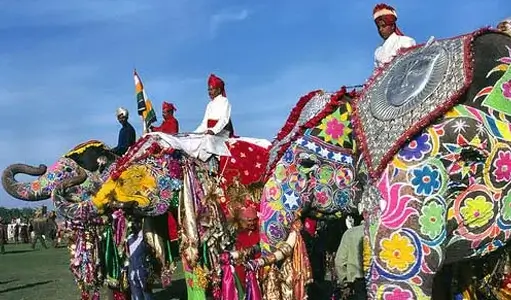
Having only 24 hours in Jaipur creates a different challenge from having a full weekend in the city. Jaipur has enough forts, palaces, markets, museums, viewpoints and cultural activities to fill several days, but a short stay forces travellers to make choices. The quality of those choices matters more than the number of attractions checked off a list.
First-time international visitors usually want Amber Fort, Hawa Mahal, City Palace, Jantar Mantar, Jal Mahal, local food and at least a glimpse of Jaipur's markets. Some also want an ethical elephant experience in Jaipur, while others care more about Nahargarh sunset, shopping, photography or Rajasthani cuisine.
Trying to fit all of these into one day creates unnecessary pressure. Jaipur is geographically spread out. Amber is north of the central city, the historic Pink City has several attractions clustered together, and the airport is south of the centre. Traffic between these areas can consume a significant part of a short visit.
A successful Jaipur 24-hour trip should therefore be built around priorities. Amber Fort belongs in the essential category for most first-time visitors. Hawa Mahal requires relatively little time and is easy to combine with the historic centre. City Palace and Jantar Mantar are close enough to visit together. Jal Mahal works naturally as a brief roadside stop.
Other attractions are worthwhile but should only be added when they match a specific interest.
The objective is not to see everything Jaipur contains. It is to leave the city feeling that you actually experienced its strongest sights.
Make every hour count with a private sightseeing tour covering Jaipur’s iconic forts, royal palaces, vibrant markets, and must-see attractions.
For a first visit, Amber Fort should normally sit at the top of the priority list.
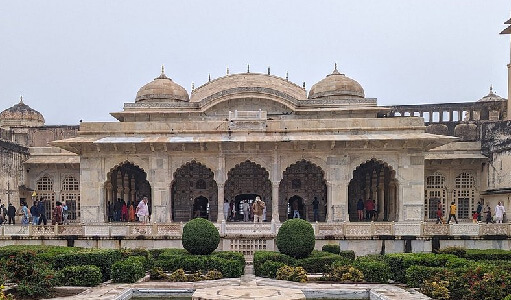
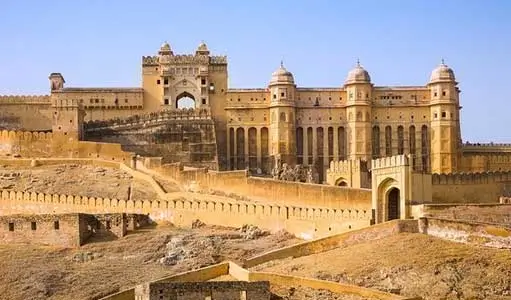
The palace-fort complex provides the scale, architecture and historic atmosphere many international visitors associate with Rajasthan. Located in the Amber area north of central Jaipur, it requires more travel time than the Pink City attractions, which is exactly why it should not be left until the final few hours.
Visitors should allow approximately two to three hours for Amber Fort. This gives enough time to move through the major courtyards and palace sections without turning the visit into a rushed sequence of photographs.
Comfortable footwear is essential. The complex contains stone surfaces, stairs and open areas, and the amount of walking can surprise visitors who expected a small monument.
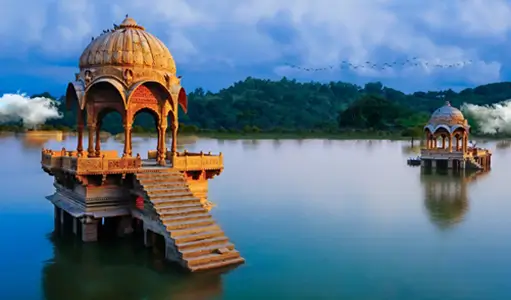
After Amber, Jal Mahal is an easy addition while returning toward the city. The palace stands within Man Sagar Lake and is primarily an exterior viewing stop for most tourists. Fifteen to thirty minutes is generally enough for photographs and a short walk along the roadside viewing area.
The next priority is Hawa Mahal.
Its façade is one of Jaipur's most recognisable sights, and its central location makes it efficient for short-stay travellers. Visitors with limited time can see the exterior in twenty to thirty minutes. Those who want to enter should allocate longer.
City Palace deserves a place on the list for travellers interested in royal history, architecture and museum collections. Allow roughly one and a half to two hours for standard sightseeing, with additional time if choosing premium access areas.
Immediately beside City Palace is Jantar Mantar, Jaipur's historic astronomical observatory. Its location makes it one of the easiest significant attractions to add. Approximately forty-five minutes to one hour is enough for many visitors.
Together, Amber Fort, Jal Mahal, Hawa Mahal, City Palace and Jantar Mantar form a strong first-time Jaipur experience. They combine hilltop architecture, royal history, scientific heritage and the visual identity of the Pink City without requiring constant travel between opposite ends of Jaipur.
Enjoy a hassle-free visit with a customised itinerary, advance attraction planning, and comfortable chauffeur-driven transfers around the Pink City.
Skipping an attraction does not mean it is unimportant. It means that another place offers greater value for the limited time available.
Jaigarh Fort is historically significant and particularly interesting for travellers who enjoy military architecture, fortifications and elevated views. However, someone already spending several hours at Amber Fort may find that another fort immediately afterward reduces the variety of the day.
With only 24 hours, City Palace and the Pink City will usually provide a stronger contrast.
Nahargarh Fort is another worthwhile attraction, particularly for city views and sunset. The problem is the additional driving time. Sunset is also a popular period, which can mean traffic and crowds.
If panoramic photography is one of the visitor's main interests, Nahargarh may deserve priority. If the traveller mainly wants Jaipur's essential heritage sites, it can be saved for a longer stay.
Albert Hall Museum contains a broad museum collection and is visually impressive, especially from the exterior. Yet a proper museum visit requires time. Travellers who have already visited Amber Fort, City Palace and Jantar Mantar may experience sightseeing fatigue before they reach another collection.
Galtaji, commonly associated with its temples and monkeys, also requires a separate transfer away from the most efficient first-time route. It is better suited to travellers with a particular interest in religious sites or those staying longer.
The same logic applies to long shopping stops. Jaipur's bazaars deserve attention, but a visitor with one day should avoid spending three hours inside a single jewellery or textile showroom unless shopping is genuinely the main purpose of the trip.
A useful rule for a one-day Jaipur visit is simple: every additional attraction should justify the travel time required to reach it.
Not every Jaipur attraction requires weeks of advance preparation, but certain services are much easier when arranged before arrival.
A private car with driver in Jaipur is one of the most useful advance arrangements for a short stay. With only 24 hours, repeatedly searching for taxis can waste time. A dedicated vehicle can handle hotel pickup, Amber Fort, the Pink City and later transfers without requiring a new booking after every stop.
The vehicle category should match both passengers and luggage. A sedan can suit one or two travellers carrying moderate baggage. An Innova or Crysta-class vehicle is more comfortable for families, small groups or travellers carrying several large suitcases.
Confirm whether the quotation includes fuel, parking and driver expenses. If the vehicle is also providing an airport transfer, make sure that is written into the arrangement.
A licensed Jaipur local guide can also be reserved in advance. A knowledgeable guide is especially useful at Amber Fort, City Palace and Jantar Mantar, where historical context adds considerably more value than simply walking through the buildings.
Special experiences should definitely be reserved ahead.
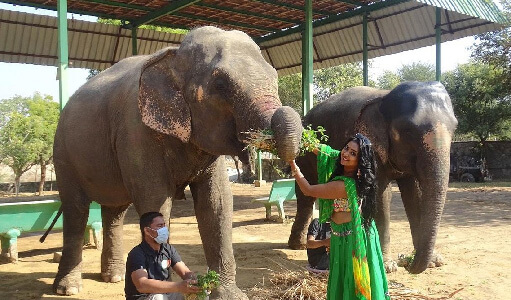
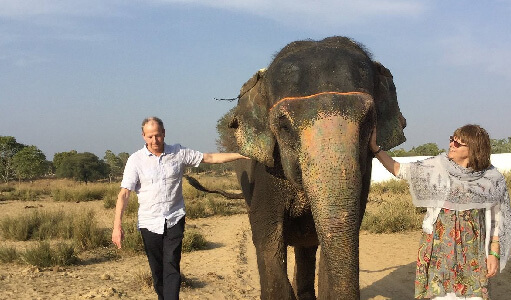
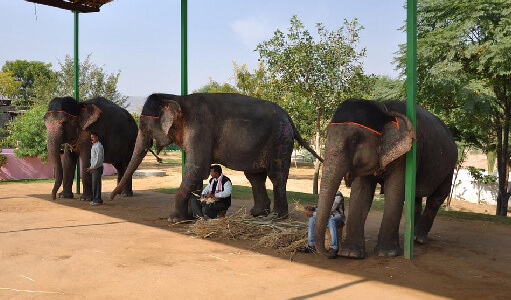
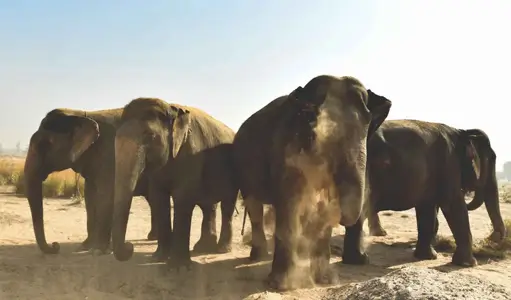
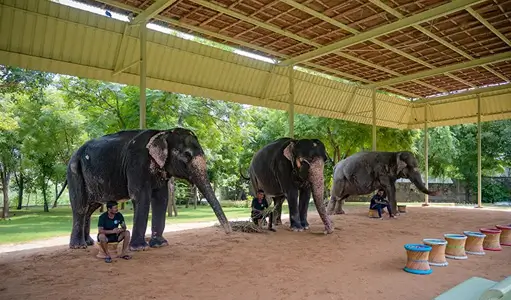
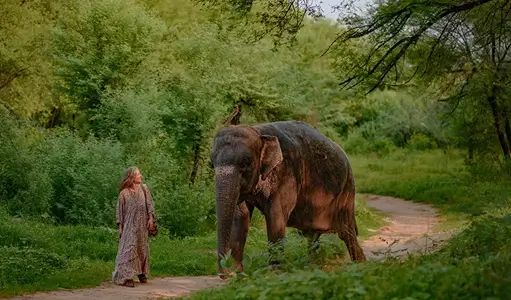
An ethical elephant sanctuary in Jaipur should not be treated as a last-minute roadside attraction. Elefantastic, for example, requires prior reservations for its elephant experience. The visit is based on spending time beside elephants without rides or performances.
Visitors interested in such an experience should reserve a session before finalising the rest of the day's sightseeing because it requires a meaningful block of time.
Premium City Palace access, special dining experiences and popular heritage hotels can also benefit from advance reservations, particularly during busy travel periods.
The general principle is to book anything that has limited capacity or a fixed starting time. Standard monument tickets are easier to handle on the day, while private experiences should not be left to chance.
Time allocation is one of the biggest differences between an enjoyable 24-hour Jaipur itinerary and a rushed one.
Amber Fort deserves approximately two to three hours. Visitors interested in architecture, photography or detailed historical interpretation can spend longer, but a short-stay traveller should normally avoid allowing the fort to consume the entire morning.
Jal Mahal generally needs only fifteen to thirty minutes.
Hawa Mahal can take twenty minutes when viewed only from outside or around forty-five minutes to one hour when entering.
City Palace should receive approximately one and a half to two hours for a standard first visit. Premium access can require additional time.
Jantar Mantar generally takes around forty-five minutes to one hour, particularly when a guide explains the instruments.
Lunch should receive at least forty-five minutes. Treating food as a five-minute interruption is one of the easiest ways to turn a holiday into an endurance test.
Shopping is highly variable. A quick market walk may take thirty minutes, while serious jewellery or textile shopping can take several hours.
These timings reveal why it is impossible to see every major Jaipur attraction properly in one day. Amber Fort, City Palace and Jantar Mantar alone can easily account for five hours once entrances, walking and transitions are included.
Add transportation, Hawa Mahal, Jal Mahal and lunch, and most of the usable sightseeing day has already been allocated.
For travellers who specifically want to spend time with elephants, the answer can be yes—but the elephant experience must replace other sightseeing, not simply be added on top of an already full schedule.
Elefantastic's current daytime elephant experience lasts approximately two hours, with Jaipur hotel pickup and drop included under its normal arrangement. Driving time must also be considered.
The experience follows a no-riding and no-performance approach. Visitors spend time around elephants through appropriate care-based interaction rather than using them for transportation.
This can be a meaningful addition for families, couples and travellers interested in responsible animal tourism.
A practical short-stay route might include Amber Fort in the morning, a short Jal Mahal stop, lunch and the elephant experience. Hawa Mahal can then be viewed later if time allows.
Alternatively, visitors who consider City Palace essential may need to skip Jantar Mantar or reduce shopping time.
What does not work well is attempting Amber Fort, City Palace, Jantar Mantar, Hawa Mahal, Nahargarh, several markets and a two-hour elephant visit on the same day.
Elefantastic currently lists its daytime experience at ₹5,500 per person. Travellers should confirm the current price, availability, transportation arrangement and activity details directly before booking because operating details can change.
An ethical elephant encounter should be approached as a meaningful activity in its own right rather than a quick photograph between monuments.
The cost of a one-day Jaipur trip depends heavily on transport, ticket category, dining preferences and optional activities.
A private air-conditioned sedan for local sightseeing can broadly cost several thousand rupees for the day, depending on mileage, duration, airport transfers and what is included. A larger Innova or Crysta-class vehicle generally costs more.
Visitors should request a clear quotation rather than relying on a headline price. Fuel, parking, airport charges and overtime can affect the final amount.
Monument admission is another expense. Foreign visitor prices at major Indian monuments can be significantly higher than domestic visitor prices. Ticket structures can also change, so travellers should check current official rates at the time of visiting.
A licensed guide may cost roughly ₹2,000 to ₹4,500 for substantial city sightseeing depending on duration, language and service arrangement.
Food can remain inexpensive or become a premium expense. Two travellers eating at a good mid-range restaurant can reasonably allow approximately ₹1,500 to ₹3,500 for a substantial meal, depending on dishes and drinks. Luxury hotel dining can cost considerably more.
Shopping has no meaningful upper limit in Jaipur. A small textile souvenir may cost a few hundred rupees, while fine jewellery can cost tens of thousands or substantially more.
For international travellers, carrying some Indian rupees remains useful for small purchases even when hotels and larger businesses accept cards or digital payments.
The starting point changes how much Jaipur can realistically be covered.
Travellers arriving at Jaipur International Airport begin in the southern part of the city. Driving directly from the airport toward Amber Fort means crossing a large part of Jaipur, so traffic should be included in the schedule.
The airport to central Pink City journey can commonly take around 30 to 50 minutes, while reaching Amber can take roughly 45 to 75 minutes or more, depending on traffic.
Travellers arriving at Jaipur Junction railway station begin closer to the central city, although road congestion can still affect transfers.
Hotel location matters as well.
A hotel near the Pink City can make Hawa Mahal, City Palace and Jantar Mantar easier to access. Accommodation around Amber can reduce the morning journey to Amber Fort and an elephant experience but may increase travel time to other parts of Jaipur.
Visitors staying only one night should avoid choosing accommodation solely because the hotel looks attractive online. Location can save meaningful time.
If the next morning involves an early flight, staying in a location with reasonable airport access can be more valuable than adding another distant sightseeing stop the previous evening.
Rajasthani food deserves a place in a short Jaipur visit.
Dal baati churma is one of the state's most recognisable meals. Baati consists of baked wheat preparations served with lentils and churma, creating a rich combination that can be quite filling.
Gatte ki sabzi is another well-known vegetarian dish, while ker sangri reflects ingredients strongly associated with Rajasthan's dry landscape.
Meat eaters may want to try laal maas, a Rajasthani mutton preparation known for its strong flavour and chilli. International visitors sensitive to spice should ask the restaurant about heat levels before ordering.
Jaipur also offers kachori, sweets, lassi and many other quick options, but travellers unfamiliar with local street food should use judgement regarding hygiene, especially during a short trip when stomach trouble could disrupt onward travel.
For lunch, choose a reputable restaurant located near the sightseeing route rather than travelling across Jaipur solely for one famous dish.
Dinner can be more relaxed if the sightseeing day has ended. Heritage restaurants can provide a pleasant atmosphere, while modern Jaipur has numerous contemporary Indian and international dining options.
The aim is to include local food without allowing restaurant transfers and waiting times to consume a large portion of the day.
Jaipur is one of India's major shopping destinations, so completely ignoring the markets may feel like a missed opportunity.
The city is particularly known for gemstones, jewellery, block-printed textiles, blue pottery, handicrafts and traditional footwear.
Johari Bazaar is strongly associated with jewellery, while Bapu Bazaar is popular for textiles, footwear and souvenirs.
A short market walk can fit naturally after the historic monuments because these shopping areas are close to the Pink City.
Serious shopping is different.
Buying high-value gemstones or jewellery requires time, research and trust. International travellers should request invoices and appropriate documentation and should not make expensive purchases because a salesperson claims that an offer is available only for the next ten minutes.
Travellers should also be cautious when a driver, guide or stranger insists on visiting a particular showroom that was not requested. If shopping is not a priority, say so clearly.
For a 24-hour Jaipur visit, thirty to sixty minutes in the market is usually enough to experience the atmosphere and buy a few souvenirs. Longer shopping should replace another sightseeing activity rather than being squeezed into the evening.
For a short visit, a private driver in Jaipur can make the day substantially easier.
Amber Fort is not beside Hawa Mahal. The airport is not beside Amber. Nahargarh requires another road. A visitor booking separate taxis throughout the day must repeatedly wait for vehicles, confirm pickup points and handle changing fares.
A private driver remains available between stops.
This also makes it easier to leave shopping bags or non-valuable luggage in the vehicle when appropriate, although passports, money and expensive electronics should always remain personally secured.
The driver can also respond to traffic conditions. If congestion makes one attraction impractical, the route can be adjusted without arranging new transportation.
A driver should not be confused with a licensed sightseeing guide. Drivers handle transportation and route logistics. Guides provide detailed historical interpretation.
For international visitors who want both convenience and historical context, hiring a private driver plus a licensed local guide can provide a more complete experience.
The arrangement is especially valuable for families, senior travellers and visitors with luggage.
After a full day of forts and palaces, the final evening should not automatically become another demanding sightseeing session.
Travellers who enjoy viewpoints can consider Nahargarh if opening hours, traffic and energy levels make it practical. The elevated location provides broad views across Jaipur, particularly around sunset.
Visitors who prefer shopping can remain around the historic market areas.
Those who have already completed a long sightseeing day may benefit more from a relaxed dinner.
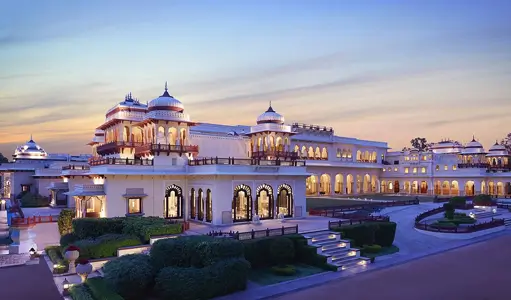
Jaipur's heritage hotels and restaurants can provide an atmospheric end to the visit without another long walking session.
The correct choice depends on how the traveller feels at the end of the day. A 24-hour itinerary should contain enough flexibility to remove the final activity if everyone is exhausted.
Short trips become memorable because of a few strong experiences, not because every available minute was occupied.
Yes. 24 hours in Jaipur is enough for several major highlights, particularly Amber Fort, Jal Mahal, Hawa Mahal, City Palace and Jantar Mantar. A longer stay is better for additional forts, museums, shopping and cultural experiences.
For most first-time visitors, the strongest priorities are Amber Fort, Hawa Mahal, City Palace, Jantar Mantar and Jal Mahal.
Jaigarh, Nahargarh, Galtaji and Albert Hall can be left for another visit unless one of them matches a specific interest. Avoid adding attractions simply to increase the number of places visited.
Standard monument visits can often be handled on the day, but private drivers, licensed guides, elephant experiences, premium palace access and special restaurants are better arranged ahead when they are important to the trip.
Yes. Reserve the elephant experience in advance and remove some other sightseeing from the day. The experience itself currently lasts approximately two hours, with transportation requiring additional time.
The current daytime elephant experience is listed at ₹5,500 per person. Visitors should confirm the latest rate and inclusions directly before making a reservation.
Approximately two to three hours works well for most first-time visitors. Travellers interested in architecture and history may prefer longer.
For travellers short on time, a private car with driver can be very useful because it reduces waiting between attractions and makes it easier to cover Amber and the Pink City in one day.
Keep enough Indian rupees for small purchases, tips and places where card payment may not be convenient. Major expenses can often be paid electronically, but travellers should not rely exclusively on one payment method.
The airport is south of central Jaipur. Hawa Mahal can commonly take around 30 to 50 minutes by road, while Amber Fort may require approximately 45 to 75 minutes or more, depending on traffic.