Jaipur is one of India's most visited cities and an essential stop on the Golden Triangle India route connecting Delhi, Agra, and Jaipur. Known as the Pink City, Jaipur combines magnificent forts, royal palaces, colourful markets, historic observatories, beautifully preserved temples, and a rich cultural heritage that attracts millions of travellers every year. With so much to see, one of the most common questions asked by first-time visitors is whether two days in Jaipur are actually enough.
The simple answer is yes—if your itinerary is well planned.
Although Jaipur offers enough attractions to keep visitors occupied for a week or more, two days provide sufficient time to experience the city's most famous landmarks without feeling excessively rushed. Visitors can explore the impressive Amber Fort, admire the royal collections inside the City Palace, photograph the iconic Hawa Mahal, visit the UNESCO-listed Jantar Mantar, enjoy traditional Rajasthani cuisine, shop in historic bazaars, and even include unique experiences such as an ethical elephant encounter or a sunset visit to one of Jaipur's hilltop forts.
The key to making the most of two days lies in understanding how the city is organised. Jaipur's attractions are spread across different areas rather than concentrated in one location. The hill forts lie on the outskirts of the city, while the historic Pink City contains palaces, markets, museums, and temples within walking or short driving distance of one another. Careful route planning helps minimise travel time and allows visitors to spend more time sightseeing instead of sitting in traffic.
Another important factor is the style of travel. Some visitors prefer exploring monuments slowly, reading museum exhibits, enjoying cafés, and spending hours photographing architecture. Others are happy with shorter visits before moving on to the next attraction. Families, photographers, history enthusiasts, and shoppers naturally organise their time differently, which is why there is no universal itinerary suitable for everyone.
Season and weather also influence the experience. During the cooler months, walking through Jaipur's historic streets is comfortable throughout much of the day. In warmer seasons, beginning sightseeing early and scheduling indoor attractions during the afternoon helps avoid the strongest heat.
Many travellers also wonder whether spending an extra day in Jaipur would significantly improve the experience. While a third day certainly allows visits to lesser-known attractions such as Jaigarh Fort, Sisodia Rani Garden, Albert Hall Museum, Galtaji Temple, or nearby villages, two well-organised days remain perfectly adequate for first-time visitors following the Golden Triangle itinerary.
The city is also well prepared for international tourism. Reliable transportation, knowledgeable local guides, modern hotels, traditional heritage properties, restaurants serving international cuisine, and convenient online ticket booking all make sightseeing relatively straightforward.
This guide provides an honest breakdown of what can realistically be seen in two days in Jaipur, how to organise each day efficiently, what to prioritise if time is limited, estimated travel times, and practical advice for creating a memorable visit without feeling rushed.
The first day should focus on Jaipur's magnificent forts and royal architecture, beginning early in the morning before visitor numbers and temperatures increase.
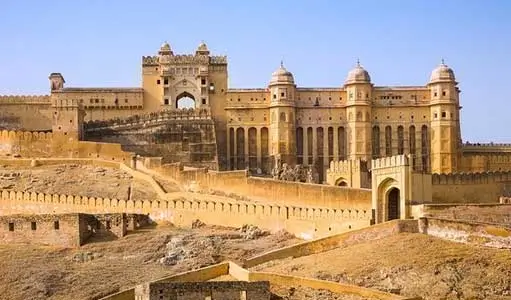
Starting at Amber Fort shortly after opening provides one of the best experiences in Jaipur. Located approximately 11 kilometres from the city centre, this UNESCO World Heritage Site stands dramatically above Maota Lake and remains the city's most impressive historical attraction.
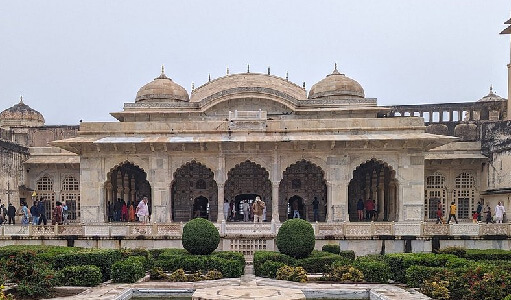
Built by the Kachwaha Rajput rulers, Amber Fort combines defensive military design with luxurious royal residences. Visitors can spend several hours exploring grand courtyards, elegant gateways, beautifully painted ceilings, intricate marble carvings, royal audience halls, hidden passages, and the famous Sheesh Mahal (Mirror Palace), where thousands of tiny mirrors create extraordinary decorative effects.
Because the fort covers a large area, comfortable footwear is essential. Hiring an official guide can greatly enhance the visit by explaining the history of the Rajput kingdom, royal ceremonies, architectural innovations, and defensive strategies that transformed Amber into one of Rajasthan's greatest hill forts.
After completing Amber Fort, many visitors continue to the nearby Panna Meena ka Kund, a beautifully restored stepwell featuring remarkable geometric staircases that have become increasingly popular among photographers. Although relatively small, it provides an excellent opportunity to appreciate traditional water management techniques once used throughout Rajasthan.
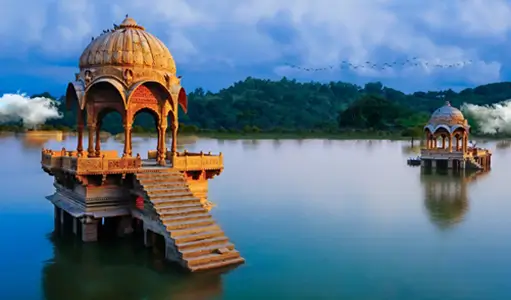
The next stop is usually Jal Mahal, the picturesque Water Palace situated in the middle of Man Sagar Lake. Although visitors cannot enter the palace itself, the lakeside promenade offers beautiful views and excellent photography opportunities. Early afternoon light often reflects attractively across the lake, creating memorable images of the partially submerged palace against the surrounding Aravalli Hills.
Returning toward Jaipur's historic centre, the City Palace deserves several hours of exploration. Still partly occupied by Jaipur's former royal family, the palace complex combines museums, ceremonial courtyards, elegant gateways, royal costumes, historic weapons, manuscripts, paintings, and beautifully maintained gardens.
The famous Peacock Gate, colourful courtyards, and richly decorated palace buildings illustrate the artistic achievements of Jaipur's royal dynasty while providing some of the city's finest architectural photography.
Immediately beside the City Palace stands Jantar Mantar, another UNESCO World Heritage Site. This remarkable astronomical observatory contains enormous stone instruments designed to measure celestial movements with astonishing precision long before modern technology existed. Even visitors without a scientific background often find the scale and engineering of these structures fascinating.
The first day concludes perfectly with an evening stroll through Jaipur's illuminated Pink City, where bustling streets, traditional shops, local sweet stores, cafés, and beautifully lit historical buildings create a lively atmosphere after sunset.
The second day in Jaipur is best spent exploring the city's cultural side. While the first day focuses on royal forts and palaces, the second combines iconic landmarks, traditional markets, local cuisine, and experiences that introduce visitors to everyday life in Rajasthan.
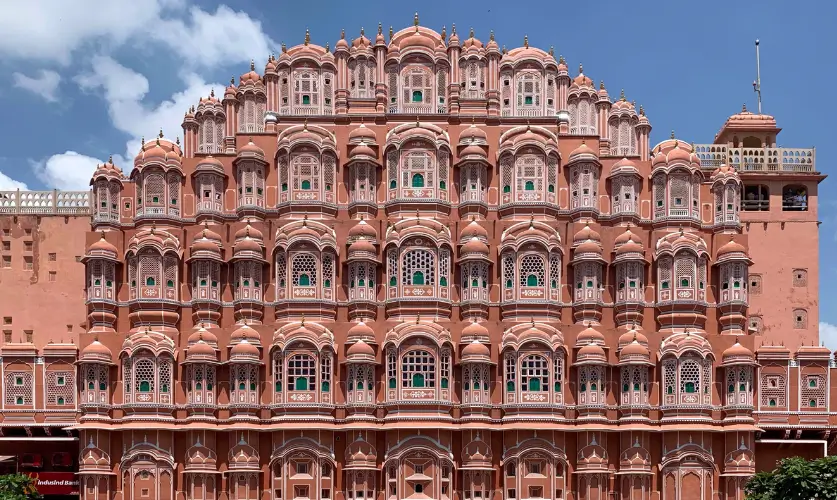
Begin the morning at Hawa Mahal, one of Jaipur's most photographed buildings. Constructed from pink sandstone, the five-storey façade contains hundreds of intricately carved windows that once allowed royal women to observe street celebrations while remaining unseen. Although many visitors photograph Hawa Mahal only from the outside, entering the monument provides a much better understanding of its unique architecture.
Arriving early has several advantages. Morning sunlight illuminates the pink sandstone beautifully, traffic is lighter, and photography becomes considerably easier before larger tour groups arrive. The upper floors also provide attractive views across Jaipur's old city and surrounding rooftops.
Only a short walk away are several of Jaipur's traditional bazaars, making this an ideal opportunity to experience local shopping before temperatures rise.
Two days are enough when every moment is thoughtfully planned. Discover Jaipur’s royal forts, vibrant markets, timeless architecture and meaningful local experiences - without rushing from one attraction to another.
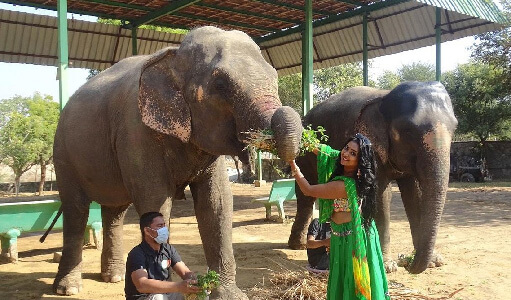
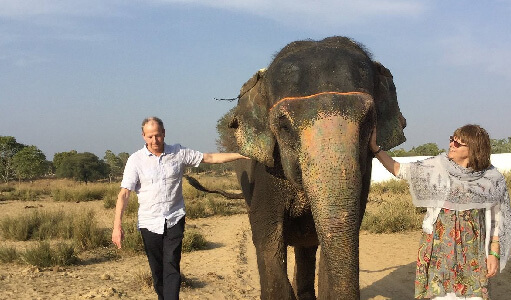
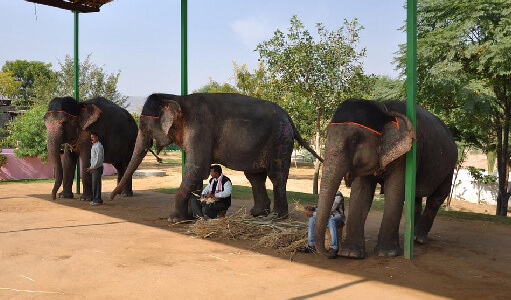
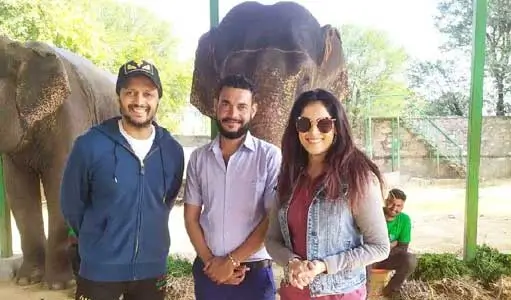
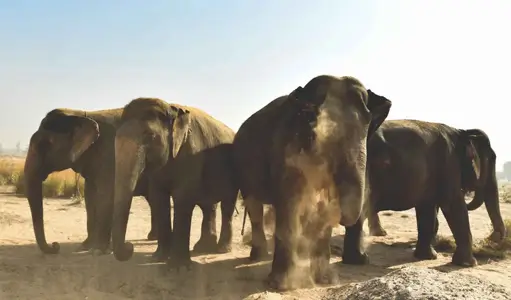
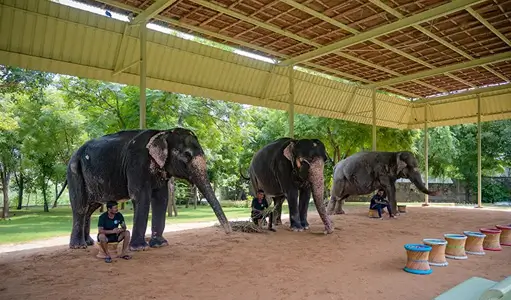
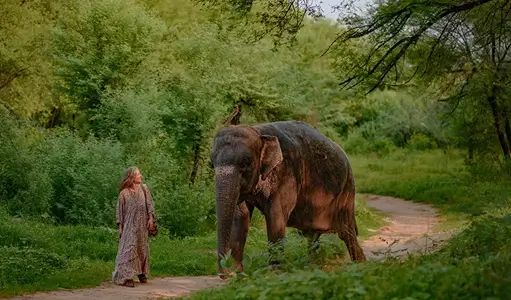
One of the most memorable experiences visitors can include in a two-day Jaipur itinerary is spending time at an ethical elephant sanctuary.
Unlike traditional elephant rides, ethical sanctuaries focus on animal welfare, conservation, and education. Visitors learn about the rescued elephants, their daily routines, veterinary care, nutrition, behaviour, and the relationship between elephants and their caretakers.
A visit generally includes opportunities to prepare food for the elephants, feed them under staff supervision, observe bathing sessions when appropriate, and learn about responsible wildlife tourism in India.
This type of experience appeals particularly to families, photographers, and travellers seeking meaningful interactions with animals while supporting responsible tourism practices.
Most visits require 2 to 3 hours, making them easy to include during the middle of the day.
No visit to Jaipur feels complete without exploring its colourful markets.
The historic Johari Bazaar is internationally known for gemstones, silver jewellery, gold ornaments, and traditional bridal jewellery. Even visitors not intending to shop often enjoy browsing the beautifully displayed collections inside long-established family businesses.
Nearby Bapu Bazaar offers textiles, block-printed fabrics, leather footwear, handicrafts, scarves, handbags, and souvenirs. Many visitors purchase gifts here because the variety is extensive and prices suit different budgets.
Tripolia Bazaar specialises in traditional bangles, brass items, home décor, carpets, and handmade crafts, while Nehru Bazaar is well known for colourful Rajasthani footwear and locally produced textiles.
Bargaining is common in many independent shops, although fixed-price government emporiums and larger stores generally display clearly marked prices.
Allowing several hours for relaxed shopping rather than rushing through multiple markets creates a much more enjoyable experience.
Jaipur is also one of Rajasthan's best destinations for regional food.
Visitors should consider trying traditional dishes such as Dal Baati Churma, Gatte ki Sabzi, Ker Sangri, Laal Maas for those who enjoy spicy meat dishes, and a variety of local breads prepared using traditional recipes.
For dessert, sweets such as Ghewar, Mawa Kachori, and Rabri remain popular among both residents and visitors.
Many heritage restaurants also offer cultural performances during dinner, allowing guests to enjoy folk music and traditional dance while experiencing authentic Rajasthani hospitality.
International cuisine is widely available throughout Jaipur, ensuring that travellers with different dietary preferences can dine comfortably throughout their stay.
From the grandeur of Amber Fort to the colours of the Pink City, make your short Jaipur stay truly memorable. Enjoy private travel, local expertise and carefully chosen experiences that bring Rajasthan’s heritage and culture closer to you.
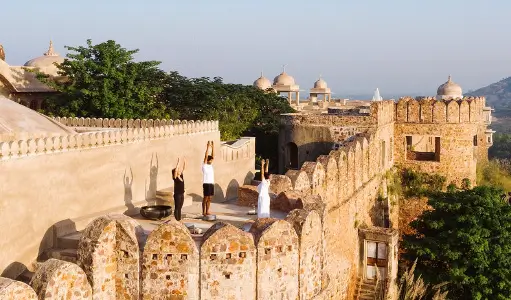
A perfect conclusion to two days in Jaipur is a visit to Nahargarh Fort, situated on the Aravalli Hills overlooking the city.
Originally constructed as part of Jaipur's defensive system, the fort today is particularly famous for its panoramic views. During the late afternoon, visitors can watch the changing colours across the Pink City while enjoying cooler temperatures after a day of sightseeing.
The fort contains several restored palace rooms, courtyards, viewing terraces, and cafés where visitors can relax before sunset.
As darkness falls, Jaipur's illuminated streets gradually create one of the city's most memorable viewpoints, making Nahargarh an ideal final stop before departing for the next destination on the Golden Triangle route.
Moving between Jaipur's attractions is relatively straightforward.
App-based taxis, chauffeur-driven cars, private tour vehicles, and auto-rickshaws are readily available throughout the city.
Visitors hiring a private vehicle for the entire day generally enjoy the greatest convenience, particularly when combining attractions located inside and outside the historic city centre.
Entry fees vary according to nationality and attraction, while combined sightseeing costs should be included when planning the travel budget.
Restaurants are available across every price range, from traditional local cafés to luxury heritage hotels serving fine dining experiences.
Shopping expenses naturally depend entirely on individual interests, with everything from affordable souvenirs to precious gemstones available throughout Jaipur.
For most first-time visitors, two days in Jaipur provide an excellent introduction to the city's history, architecture, food, shopping, and culture.
The itinerary covers the city's most famous landmarks while still leaving time for local experiences beyond the standard sightseeing route.
Naturally, travellers with additional days can visit attractions such as Jaigarh Fort, Albert Hall Museum, Galtaji Temple, Sisodia Rani Garden, or take excursions to nearby villages and wildlife reserves.
However, visitors following the Golden Triangle India itinerary rarely feel disappointed with a well-organised two-day stay. By beginning sightseeing early, grouping nearby attractions together, and allowing time for both history and local culture, it is entirely possible to experience the essence of Jaipur without feeling rushed.
Rather than attempting to see every monument, focusing on the city's most significant attractions creates a far more rewarding holiday while leaving enough time to enjoy cafés, markets, traditional food, and the welcoming atmosphere that has made Jaipur one of India's most popular destinations.
Yes. Two well-planned days allow visitors to experience Jaipur's major forts, palaces, markets, and cultural attractions comfortably.
Amber Fort, City Palace, Hawa Mahal, Jantar Mantar, and Nahargarh Fort are among the city's top attractions.
Staying near the historic centre provides convenient access to markets, restaurants, and many major attractions.
Yes. Ethical sanctuaries offer educational experiences focused on elephant welfare rather than elephant rides.
Early morning is ideal because temperatures are cooler and visitor numbers are lower.
Moderate walking is required, especially at Amber Fort, City Palace, and the markets, so comfortable footwear is recommended.
Johari Bazaar is famous for jewellery, while Bapu Bazaar is popular for textiles, handicrafts, and souvenirs.
Yes. Jaipur offers historical attractions, cultural experiences, shopping, gardens, and family-friendly activities suitable for visitors of all ages.
An official guide is particularly helpful at Amber Fort and City Palace, where historical explanations greatly enhance the experience.
Yes. An extra day allows visitors to explore lesser-known attractions, museums, gardens, nearby temples, and surrounding hill forts at a more relaxed pace.