Many travelers automatically avoid India during summer without understanding how the Golden Triangle India travel experience actually changes during this period. The assumption is simple: high temperatures make travel uncomfortable, therefore the season must be avoided entirely. While the heat is real and should not be ignored, this perspective overlooks several practical advantages that can significantly improve the overall travel experience.
The Golden Triangle, which includes Delhi, Agra and Jaipur, is one of the most structured travel circuits in India. Unlike remote regions where infrastructure may be limited, these cities offer well-developed transport, high-quality accommodation and easy access to essential services. This level of organization plays a crucial role during summer, as travelers can control their schedule more effectively and avoid unnecessary exposure to heat.
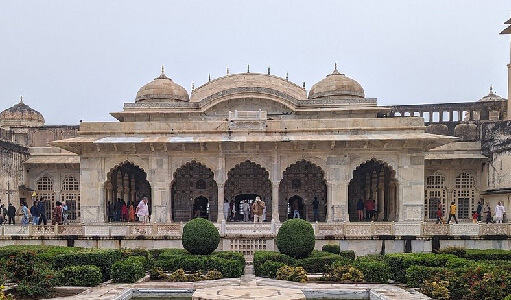
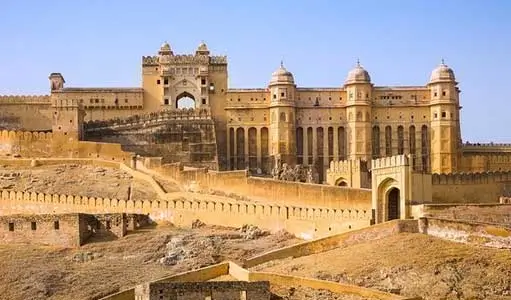
Another factor that is often ignored is how travel behavior changes during this season. Most tourists avoid peak daytime hours, shifting their activities to early morning and late evening. This adjustment not only reduces discomfort but also improves the quality of the experience. Major sites such as the Taj Mahal or Amber Fort can be explored with fewer crowds, creating a more relaxed environment.
Understanding summer travel in this context allows visitors to make informed decisions. Instead of viewing the season as unsuitable, it becomes a matter of planning and adaptation. With the right approach, Golden Triangle summer travel can offer a quieter, more flexible and sometimes more rewarding experience compared to peak season.
Discover the timeless beauty of Delhi, Agra, and Jaipur with a well-planned itinerary designed for comfort and unforgettable experiences. From iconic landmarks to vibrant local culture, every day of your journey can be filled with incredible memories.
Summer temperatures across the Golden Triangle can rise significantly, particularly during peak months. Daytime conditions often include strong sunlight and dry heat, especially in Jaipur and Agra. However, it is important to understand how this heat behaves throughout the day rather than focusing only on peak readings.
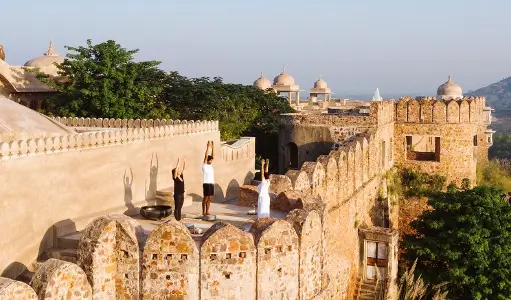
Mornings in these cities begin relatively cooler, providing a window of time that is highly suitable for sightseeing. Visiting major attractions during these hours allows travelers to avoid both heat and crowds. Late evenings also offer improved conditions, with temperatures gradually decreasing and creating a more comfortable environment for exploration.
Delhi, being a larger metropolitan city, offers more indoor options such as museums, galleries and modern shopping areas. This makes it easier to balance outdoor and indoor activities during hotter hours. Agra and Jaipur, while more focused on monuments, still provide shaded areas and structured entry points that can be used strategically.
Humidity levels remain relatively low compared to coastal regions, which makes the heat more manageable for some travelers. Proper hydration, light clothing and planned breaks can significantly reduce discomfort. Understanding these patterns helps travelers use the day effectively instead of avoiding it entirely.
One of the most noticeable differences during summer is the reduction in tourist numbers. The Golden Triangle is one of the busiest travel circuits in India during peak season, often leading to long queues, crowded viewing areas and limited access to ideal photography spots. Summer changes this dynamic completely.
Lower crowd levels mean that popular sites such as the Taj Mahal, Hawa Mahal and City Palace can be explored with greater ease. Visitors have more freedom to move, spend time in specific areas and observe details without being rushed. This creates a more personal and less stressful experience.
Photography also benefits from reduced crowds. Capturing clear frames without large groups of people becomes easier, especially during early morning sessions. This is particularly valuable for travelers interested in documenting their journey.
Hotel staff, guides and service providers also have more availability during this period. This often translates into better service and more flexible scheduling. For travelers who prefer a slower and more controlled pace, summer offers a distinct advantage.
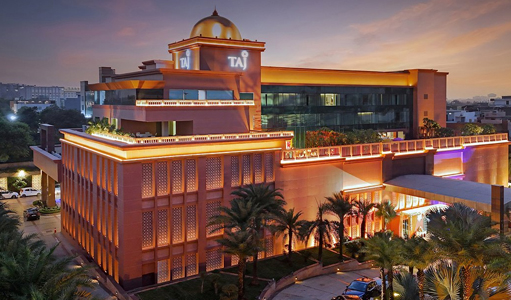
Summer is often considered the off-season for the Golden Triangle, which directly impacts pricing across accommodation, transport and guided services. For travelers planning a luxury Golden Triangle tour, this period can provide access to high-end experiences at a lower cost.
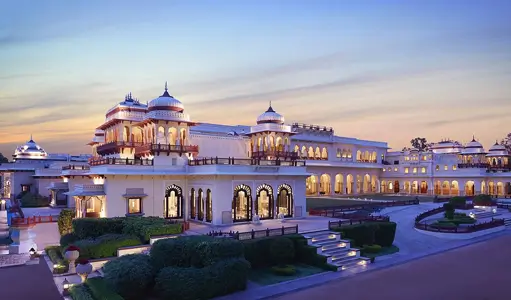
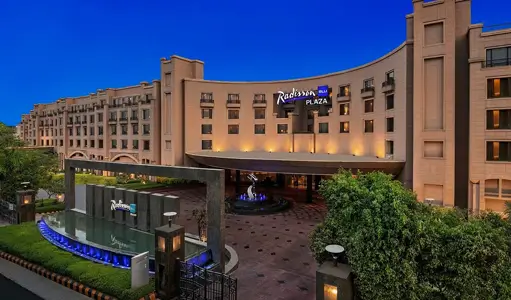
Luxury hotels, including heritage properties in Jaipur, frequently offer reduced rates during summer. This allows travelers to experience premium accommodation that may otherwise be outside their budget during peak months. The same applies to private tours and chauffeur-driven services, which become more flexible and accessible.
Flight and train availability also improves, making it easier to plan travel without last-minute constraints. This flexibility allows for better itinerary design, where travelers can adjust plans based on preference rather than availability.
While cost savings should not be the only reason to travel, they do contribute to a more efficient use of budget. Travelers can allocate resources towards experiences rather than dealing with inflated seasonal pricing.
Managing time effectively is the key to enjoying a Golden Triangle summer itinerary. The structure of the day should be adjusted to align with temperature patterns rather than following a standard schedule.
Early morning becomes the most productive period for outdoor activities. Visiting major attractions at sunrise not only avoids heat but also provides better lighting conditions for photography. This approach ensures that the most important sites are experienced under optimal conditions.
Midday hours are best used for rest or indoor activities. Returning to the hotel, exploring air-conditioned spaces or planning the next phase of the journey helps maintain energy levels. This break is essential for sustaining comfort throughout the trip.
Evening sessions allow for a second phase of exploration. Markets, cultural areas and certain monuments become more active during this time, creating opportunities for a different type of experience. This balanced approach ensures that the day remains productive without becoming exhausting.
Summer travel also provides an opportunity to include experiences that may feel rushed during peak season. With fewer crowds and more flexible schedules, travelers can explore activities beyond standard sightseeing.
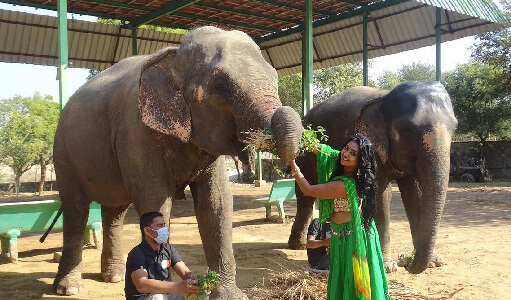
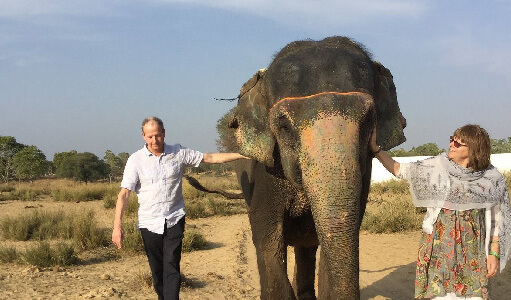
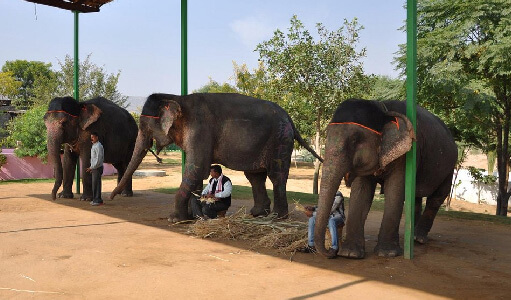
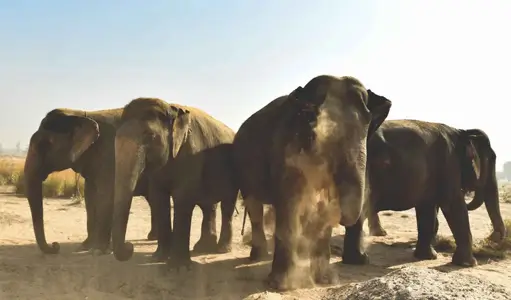
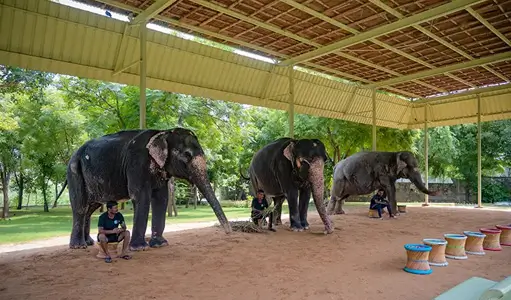
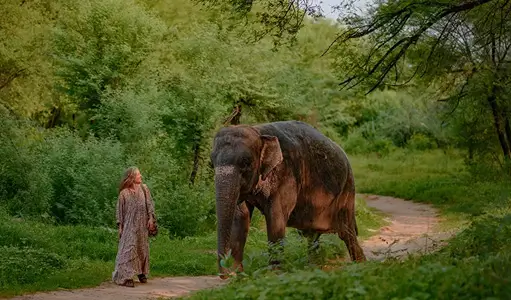
In Jaipur, visiting Elefantastic offers a chance to observe elephants in a calm and controlled environment. During summer, reduced visitor numbers create a more relaxed setting, allowing for better interaction and observation.
Such experiences add depth to the itinerary, balancing historical exploration with ethical and cultural engagement. This combination creates a more well-rounded journey, where travelers connect with different aspects of the destination.
Including these elements ensures that the trip is not limited to monuments and city visits. It introduces variety and provides moments that are more personal and memorable.
From the bustling streets of Delhi and the timeless beauty of the Taj Mahal to the royal charm of Jaipur, the Golden Triangle offers an unforgettable introduction to India. Let our travel experts help you design a journey that matches your interests, pace, and travel goals.
Summer travel in the Golden Triangle is not suitable for everyone, and understanding personal preferences is important before making a decision. Travelers who are comfortable with warm climates and willing to adjust their schedule can benefit significantly from this period.
Those who prioritize comfort above all else, especially during daytime hours, may find summer challenging. Similarly, travelers with limited time who prefer a continuous sightseeing schedule may struggle to adapt to the required pacing.
However, for visitors who value flexibility, reduced crowds and cost efficiency, summer can be a strong option. It allows for a more relaxed and controlled experience, where the focus shifts from managing crowds to enjoying the destination.
Making this decision requires an honest assessment of expectations and travel style. When approached correctly, summer can offer advantages that are not available during peak season.
Temperatures are high, but early mornings and evenings remain suitable for travel with proper planning.
Yes, summer sees a significant drop in tourist numbers compared to peak season.
Yes, accommodation and services often cost less during this period.
Yes, early morning visits are recommended to avoid heat and crowds.
Light, breathable clothing and sun protection are essential.
Jaipur experiences high temperatures, but timing your activities helps manage the heat.
Yes, many luxury properties offer better rates during off-season months.
Yes, ethical experiences such as Elefantastic Jaipur can be included.
It depends on comfort level with heat and ability to adjust schedules.
Lower crowds and better pricing make the experience more flexible.