Visiting India is an exciting experience for travelers interested in history, culture, architecture, wildlife, mountain landscapes, beaches, traditional festivals, and regional cuisine. Before boarding a flight, however, every international traveler should understand the country's visa requirements. Choosing the correct visa, preparing the right documents, and knowing the immigration process in advance can prevent unnecessary delays and unexpected complications.
India welcomes millions of international visitors every year through several visa categories, including the widely used India e-Visa. The electronic visa system has simplified the application process for citizens of many eligible countries, allowing visitors to complete most formalities online instead of visiting an embassy or consulate. Even though the process is convenient, applicants still need to satisfy eligibility requirements, provide accurate information, upload the correct documents, and understand the rules regarding entry points and permitted activities.
Many first-time visitors assume that every traveler follows the same procedure, but visa regulations differ according to nationality, passport validity, travel purpose, and intended duration of stay. A traveler visiting India for tourism has different requirements from someone arriving for business, medical treatment, journalism, employment, or education. Understanding these distinctions before applying reduces the chances of receiving an incorrect visa or facing issues during immigration.
Another important consideration is travel timing. Flights, accommodation, domestic transportation, and popular attractions are often booked well in advance, especially during busy travel seasons. Waiting until the last moment to apply for a visa can create unnecessary pressure. While many India tourist visa applications are processed quickly, processing times may vary depending on nationality, application accuracy, government verification procedures, and seasonal demand. Applying early provides additional time to correct any document errors if necessary.
Passport validity is another area that deserves careful attention. Immigration authorities generally expect travelers to carry a passport that remains valid well beyond the intended stay in India. Damaged passports, expired passports, or insufficient blank pages may create complications during immigration checks even if an approved visa has already been issued. Checking passport validity several months before departure is one of the simplest yet most important travel preparations.
Travel insurance is not always mandatory for every visitor, but it is strongly recommended. Medical emergencies, flight cancellations, baggage delays, and unexpected itinerary changes can become expensive without adequate insurance coverage. Many experienced international travelers consider comprehensive travel insurance an essential part of responsible travel, particularly when visiting a large country where journeys often involve multiple cities and long domestic flights or train rides.
Modern travelers also benefit from understanding digital requirements before departure. Immigration authorities may request accommodation details, onward travel information, contact details, and proof of sufficient funds depending on individual circumstances. Keeping printed and digital copies of important travel documents—including the approved e-Visa, passport identification page, hotel reservations, and return flight confirmation—can make airport procedures smoother.
This guide explains the complete India visa process, including the India e-Visa application, eligibility requirements, documentation, government fees, processing times, validity periods, immigration procedures, and practical advice that every international visitor should know before arriving in India.
Check your visa requirements first, then start planning your perfect India itinerary.
The introduction of the India e-Visa has significantly simplified travel arrangements for eligible foreign nationals. Instead of scheduling appointments at an embassy, submitting physical paperwork, and waiting for passport collection, many visitors can complete most of the application online from their home country. This system has made India considerably more accessible for leisure travelers who want a straightforward application process before beginning their journey.
An India e-Visa is an electronic travel authorization linked digitally to the applicant's passport. Once approved, travelers receive their authorization electronically and present it, along with their passport, when arriving at designated Indian international airports or approved seaports. Since the visa is electronically connected to passport details, maintaining consistency between the passport information entered during the application and the passport carried during travel is extremely important. Even small typing mistakes involving names, passport numbers, or birth dates may result in unnecessary delays or rejection.
Although the application process is completed online, immigration officers continue to perform normal verification procedures upon arrival. Visitors should therefore remain prepared to answer standard questions regarding accommodation, travel plans, intended destinations, and return travel arrangements. Immigration authorities may also verify supporting documents if required.
The India tourist e-Visa is intended specifically for genuine tourism-related activities. Travelers commonly use it for sightseeing, cultural experiences, visiting historical monuments, wildlife tourism, yoga retreats, meeting friends or relatives, and attending short recreational activities permitted under tourist regulations. Activities involving employment, paid work, journalism, long-term study, or permanent residence require completely different visa categories.
One of the major advantages of the electronic system is convenience. Applicants can complete forms from virtually anywhere with an internet connection, upload required documents digitally, pay visa fees electronically, and receive approval by email. This removes much of the paperwork traditionally associated with international visa applications.
However, convenience should never encourage carelessness. Many rejected applications result from avoidable mistakes rather than eligibility problems. Incorrect passport numbers, improperly cropped passport photographs, blurred passport scans, spelling inconsistencies, incomplete forms, or selecting the wrong visa category frequently delay approval. Reviewing every field carefully before submission significantly improves the chances of a smooth application.
Travelers should also understand that visa approval is never automatic. Every application undergoes official review, and immigration authorities retain the right to approve or refuse applications based on existing regulations. Because of this, international visitors are generally advised to avoid making expensive non-refundable travel arrangements until they receive confirmation of visa approval whenever practical.
Another common misunderstanding concerns entry locations. The India e-Visa is accepted only through designated international airports and approved seaports authorized by the Government of India. Travelers intending to arrive through land border crossings or non-authorized ports should carefully verify whether their intended point of entry accepts electronic visas before finalizing travel plans. Selecting appropriate arrival and departure points during itinerary preparation helps prevent avoidable immigration complications.
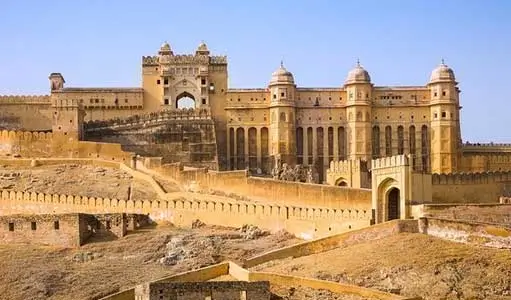
The electronic visa system continues to support tourism across India's diverse destinations, whether visitors intend to experience the royal palaces of Rajasthan, the Himalayan regions, tropical beaches in Goa, wildlife reserves in Central India, the backwaters of Kerala, the architectural masterpieces of Agra, or cultural cities such as Jaipur, Delhi, Varanasi, and Udaipur. Understanding the rules governing the Indian e-Visa before departure allows travelers to focus on enjoying these experiences rather than dealing with administrative issues after arrival.
One of the most common questions international travelers ask is whether they qualify for an India tourist visa or the India e-Visa system. The answer depends primarily on nationality, passport type, travel purpose, and compliance with immigration regulations established by the Government of India. While the electronic visa program covers citizens from many countries, it does not apply universally, making it important to verify eligibility before beginning the application process.
In general, ordinary passport holders from eligible countries may apply for a tourist e-Visa if their visit is strictly for tourism-related purposes. These purposes typically include sightseeing, visiting cultural landmarks, spending time with friends or relatives, attending short recreational programs, participating in yoga retreats, or exploring India's diverse regions. Travelers intending to work, conduct journalism, undertake long-term academic programs, or engage in commercial employment must instead apply for the appropriate visa category through the relevant diplomatic channels.
Nationality plays a central role in determining eligibility. Some countries have full access to the electronic visa system, while others may need to apply through an Indian embassy or consulate. Immigration regulations may also change over time based on bilateral agreements, security considerations, or government policy updates. Because of this, travelers should always verify current eligibility before submitting an application rather than relying on outdated travel advice found on unofficial websites or travel forums.
Passport validity is equally important. Applicants generally need a passport that remains valid for several months beyond the intended arrival date in India and contains sufficient blank pages for immigration stamps. Temporary travel documents, emergency passports, or damaged passports may not qualify under the standard electronic visa process, requiring additional verification or alternative application procedures.
Another factor that influences eligibility is previous immigration history. Travelers who have previously complied with Indian immigration laws generally experience a smoother application process than individuals with unresolved visa violations or overstays. Maintaining accurate travel records and respecting visa conditions during every international trip contributes to future travel opportunities.
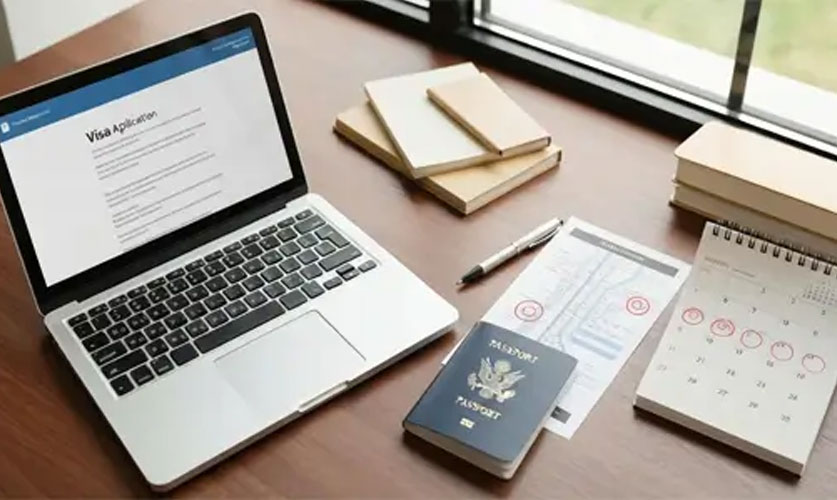
Preparing the correct documents before beginning the application is one of the easiest ways to avoid delays. Although the exact requirements may differ slightly depending on nationality and visa category, most tourists applying for an India e-Visa are asked to submit a standard set of documents during the online process.
The most important document is a valid passport. Travelers should carefully inspect their passport before applying rather than assuming it meets immigration standards. The passport should generally remain valid for at least six months from the intended date of arrival in India and should contain at least two blank pages for immigration stamps. Passports that are damaged, torn, water-damaged, or have missing pages may not be accepted by immigration authorities, even if the electronic visa has already been approved.
Applicants are also required to upload a recent passport-style photograph. This photograph should clearly show the applicant's face against a plain background without heavy shadows, filters, or distracting objects. Sunglasses, hats, and accessories that cover facial features should generally be avoided unless worn for genuine religious reasons. The uploaded image should meet the official size and quality requirements specified during the application.
A scanned copy of the passport's biographical page is another essential requirement. This page contains the passport holder's photograph, personal details, passport number, issuing authority, and expiry date. The scan should be clear, complete, and readable. Cropped images, blurred scans, or photographs taken at awkward angles are among the most common reasons applicants are asked to resubmit their documents.
During the application, travelers are expected to provide personal information that matches their passport exactly. Full name, date of birth, passport number, nationality, gender, and passport expiry date should be entered without spelling mistakes or formatting errors. Even a small typing error can create discrepancies during immigration verification.
Applicants should also be ready to provide details of their intended accommodation in India. This may include hotel reservations, guesthouse bookings, or the address of relatives or friends if staying with them. Immigration officers may ask about accommodation during arrival, so carrying confirmation emails or printed booking vouchers is a sensible precaution.
Return or onward travel information is another useful document to keep available. While every traveler may not be asked to produce it, confirmed onward travel demonstrates the intention to leave India within the permitted visa validity. Many experienced travelers keep digital and printed copies of flight confirmations together with hotel reservations for quick access during immigration.
Depending on nationality or individual circumstances, immigration authorities may occasionally request additional supporting documents. These requirements are communicated during the application if applicable, making it important to review every instruction carefully instead of rushing through the process.
From Delhi and Agra to Rajasthan, Kerala and beyond, explore India with a customized private tour, comfortable transportation and an experienced English-speaking driver.
Understanding the financial aspects of the India tourist visa helps travelers prepare their overall travel budget more accurately. Visa costs are determined by several factors, including the applicant's nationality, the selected visa category, the visa validity period, and applicable government service charges.
The Government of India periodically reviews visa fees, meaning the amount payable may differ from one nationality to another. Rather than offering a single universal price, the fee structure is based on reciprocal arrangements with different countries. Travelers should therefore expect variations instead of assuming every applicant pays the same amount.
For most international tourists, the India e-Visa fee generally falls within a range of approximately USD 25 to USD 100, depending on nationality and visa validity. Additional payment gateway or banking charges may also apply during online payment. Since government fees may be revised without prior notice, applicants should verify the final amount displayed during the official application process before completing payment.
Processing time is another important consideration. Many straightforward applications receive approval within approximately 72 hours, although actual processing may take longer depending on document verification, application volume, public holidays, security checks, or incomplete submissions. Travelers should avoid waiting until a few days before departure because unexpected verification requests can extend processing beyond the normal timeframe.
Submitting an application several weeks before travel provides valuable flexibility. If corrections are required, applicants have sufficient time to upload revised documents without affecting flight schedules or accommodation bookings.
Visa validity depends on the type of India e-Visa issued. Certain tourist visas permit shorter visits, while others allow longer validity with multiple entries according to government regulations. Travelers should carefully read the conditions stated on their approved visa instead of assuming that all tourist visas provide identical entry privileges.
Equally important is understanding the permitted duration of stay. Visa validity and maximum stay are not always identical concepts. A visa may remain valid over a longer period while limiting the maximum number of days allowed during each visit. Reading every condition printed on the approved visa helps avoid accidental overstays.
Visitors should never exceed the authorized duration of stay. Remaining in India beyond the permitted period may result in financial penalties, future visa difficulties, immigration complications, or restrictions on subsequent travel to India.
Receiving an approved India e-Visa is only one stage of the travel process. Upon arrival at an authorized Indian international airport or approved seaport, every traveler must complete immigration formalities before entering the country.
Passengers should keep their passport, printed e-Visa approval, arrival information, accommodation details, and return flight confirmation readily accessible before reaching the immigration counters. Although many documents are stored electronically today, printed copies remain useful if internet connectivity or mobile devices become unavailable during travel.
Immigration officers typically verify passport details against the electronic visa record before asking a few routine questions regarding the purpose of the visit, expected length of stay, accommodation arrangements, and planned destinations. Honest, straightforward answers generally make the process efficient.
Biometric verification may also be completed during immigration. Depending on airport procedures, travelers may be asked to provide fingerprints and have a photograph taken before receiving permission to enter India.
After immigration clearance, visitors proceed to baggage collection before entering customs inspection. Travelers carrying valuable electronic equipment, large quantities of currency, professional filming equipment, restricted goods, or commercial merchandise should familiarize themselves with applicable customs regulations before arrival.
Keeping all travel documents available until leaving the airport is advisable, as officials may request verification at different checkpoints.
Many visa delays occur because of preventable errors rather than complicated immigration issues. Careful preparation significantly increases the chances of receiving approval without unnecessary correspondence or document resubmission.
One of the most common mistakes involves entering passport information incorrectly. Applicants occasionally transpose passport numbers, misspell names, reverse dates, or omit middle names exactly as shown on the passport. Since the visa is electronically linked to passport details, every field should match perfectly.
Uploading poor-quality photographs is another frequent problem. Dark images, heavily edited photographs, selfies, cropped faces, or low-resolution files often fail to meet official standards. Taking a fresh passport photograph according to specified requirements is always preferable.
Applicants sometimes select the wrong visa category without realizing that tourism, business, medical treatment, conferences, and journalism each require different authorizations. Choosing the appropriate category from the beginning reduces the likelihood of rejection.
Waiting until the final days before departure is another avoidable mistake. Even when applications are usually processed quickly, unforeseen verification requirements can delay approval. Early application provides sufficient time to address unexpected issues.
Some travelers also forget to review passport validity before applying. Renewing an expiring passport after receiving visa approval generally requires beginning the process again because the approved visa is associated with the original passport details.
Using unofficial third-party websites without verifying authenticity may also create unnecessary complications, including excessive service charges or inaccurate application guidance. Travelers should exercise caution when selecting websites for visa-related services.
No. Eligibility depends on nationality. Travelers should verify whether their passport qualifies for the electronic visa system before applying.
A passport should generally remain valid for at least six months beyond the intended arrival date and contain sufficient blank pages for immigration stamps.
Government fees generally range from approximately USD 25 to USD 100, depending on nationality, visa validity, and applicable government charges.
Applying several weeks before departure is recommended to allow sufficient time for document verification or corrections if required.
No. Electronic visas are accepted only through designated international airports and approved seaports authorized by the Government of India.
Although the visa is electronic, carrying a printed approval along with hotel bookings, passport copies, and return flight details is strongly recommended.
No. A tourist visa is intended only for approved tourism-related activities. Employment requires the appropriate visa category.
If the passport changes before travel, the approved visa may no longer be valid because it is linked to the original passport details. A fresh application may be necessary.
Tourist visa extensions are generally limited and depend on prevailing immigration regulations. Travelers should never assume that extensions will automatically be granted.
Monitor the application status regularly, respond promptly to any requests for additional documentation, and avoid making non-refundable travel commitments until approval has been received.